
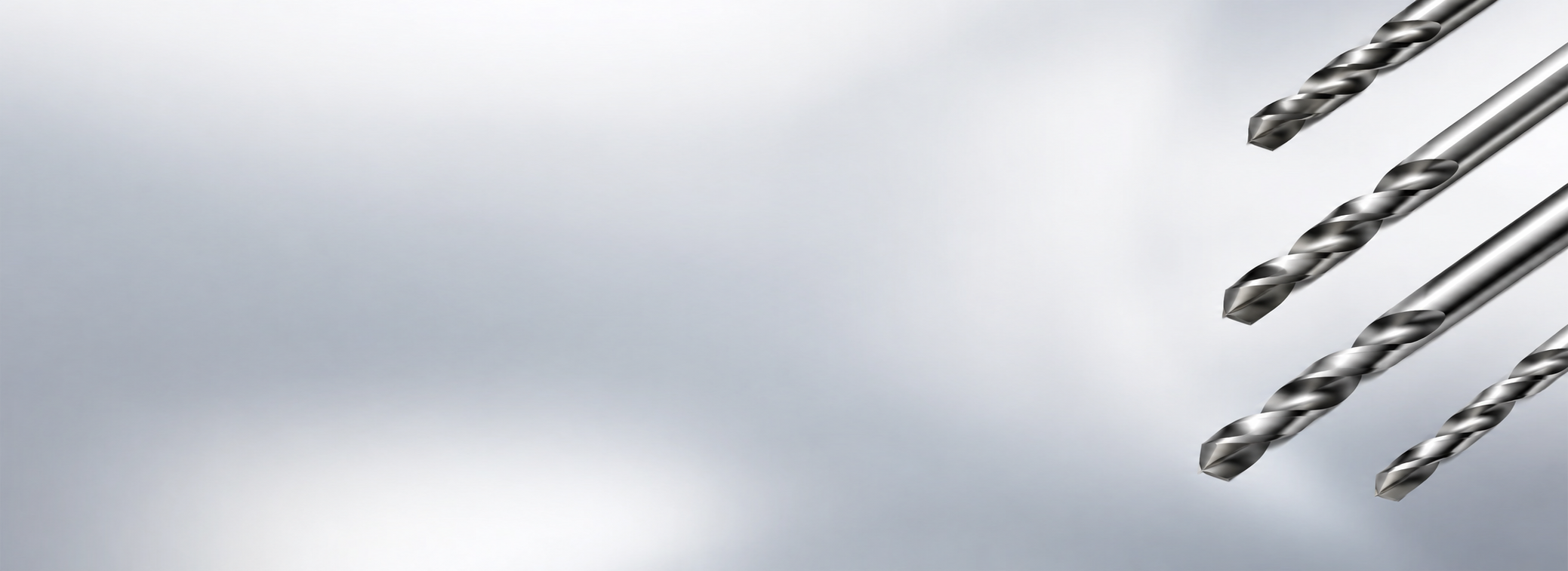

Your leading High-Rigidity Twist Drill Bit Manufacturer in China
- Tough Under Pressure: Hanöki twist drills resist breaking when working under heavy pressure.
- Smooth Cutting: Our Twist Drill Bit cuts through iron, steel, and mild aluminum without leaving any marks.
- Clean Results: Our sharp twist drills make holes that are exceedingly clean and have very few burrs.
- Careful Inspection: Before we send our tools out from the manufacturer, we check them very carefully.
- Engineering Support: Our skilled engineers help you create unique drills for your work.
- Factory Direct Savings: Purchasing directly from us lowers the cost of tools for your workshop.
What is a twist drill?
A twist drill is the best instrument for making a small, deep hole in metal or wood. Imagine a strong metal rod with deep, spiraling grooves going all the way around it and a sharp, pointed end. As the drill spins, the sharp tip digs into the surface and starts to cut straight down. The twist drill not only pushes the material out of the way, but it also chops it into little bits or fine sawdust.
The flutes, or spiral grooves, are what make a twist drill work. The flutes work like a spinning elevator as the point cuts deeper into the metal or wood. While you drill, they capture the waste chips and pull them up and out of the hole. This is very important because it keeps the drill bit from becoming trapped and the tool from getting too hot. This easy spinning motion makes sure that every time you drill a hole, it’s straight and clean.
The Real Price of Cheap Twist Drill Bit
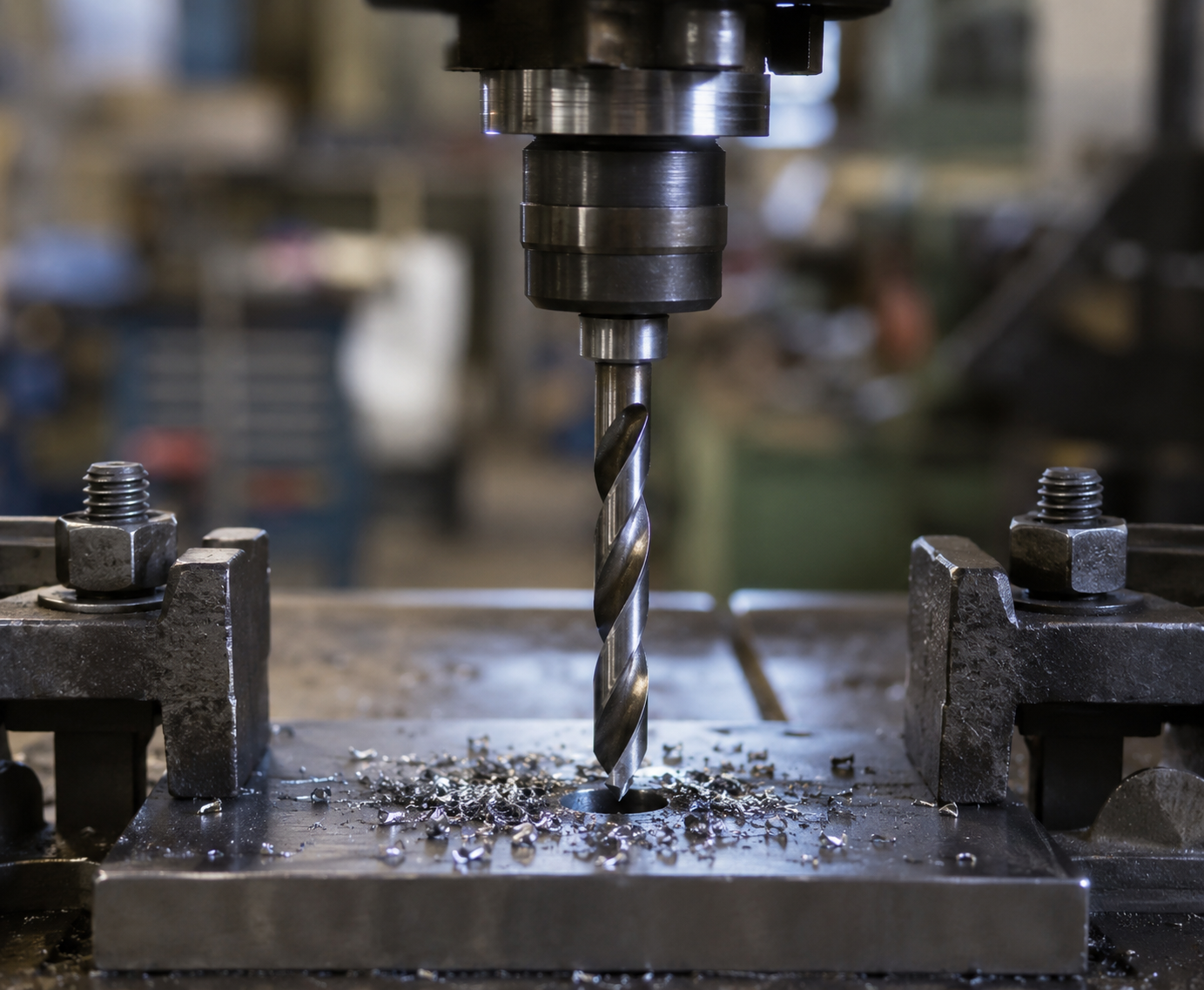
When you make a metal object, the first thing you generally do is drill a hole. It’s a big error to use a cheap twist drill bit right away. The poor steel that cheap drills are constructed of is their worst flaw. The tip loses its sharpness nearly right away. In that case, the drill won’t cut into the metal. Instead, it “walks” or slips around, leaving deep scratches on the surface of your material. Cheap drills are even worse because they don’t do a good job of getting rid of the metal chips. This makes the tool heat up quickly, make a horrible screaming sound, and leave rough, unsightly edges inside the hole. That weak, hot drill breaking in half and becoming caught deep inside a piece of metal that costs a lot of money is the worst thing that can happen. You will squander hours of hard labor just trying to get it out.
When you sum up the time and metal you waste, a cheap tool ends up costing you more. There is a better way with Hanöki. We make heavy-duty twist drills that can handle severe daily use. We own the machinery that creates these tools, so we make sure the steel is robust and the edges are sharp. We also send them right to you. This implies that the quality of the tool gets your money, not a middleman. You receive a drill bit that works hard and saves your shop a lot of money.
Twist Drill Bit by Coating & Material
 Cobalt Twist Drills
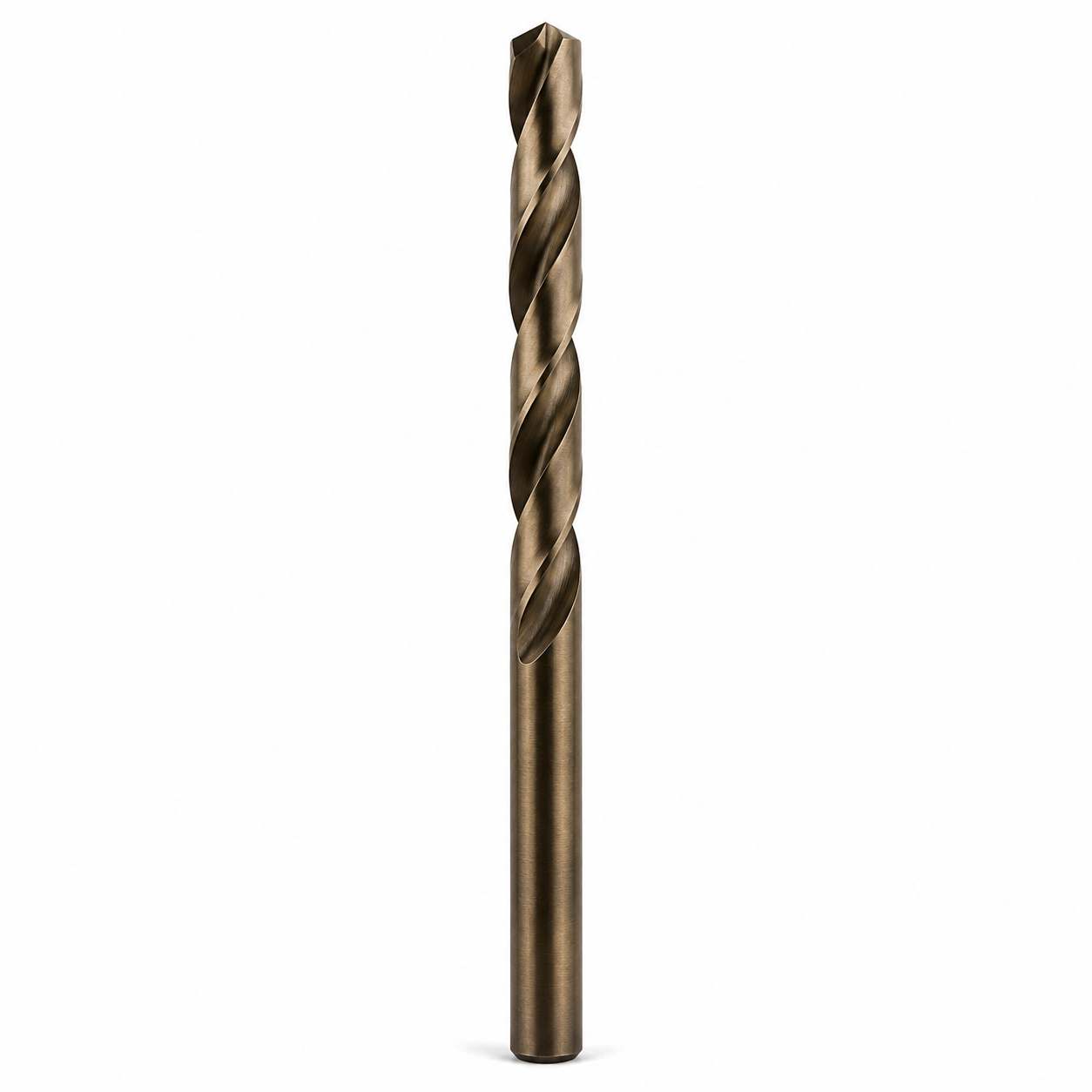
Made with additional cobalt to handle high temperatures. They work well for pushing through tough stainless steel or cast iron without getting dull rapidly.
 Titanium-Coated Drills
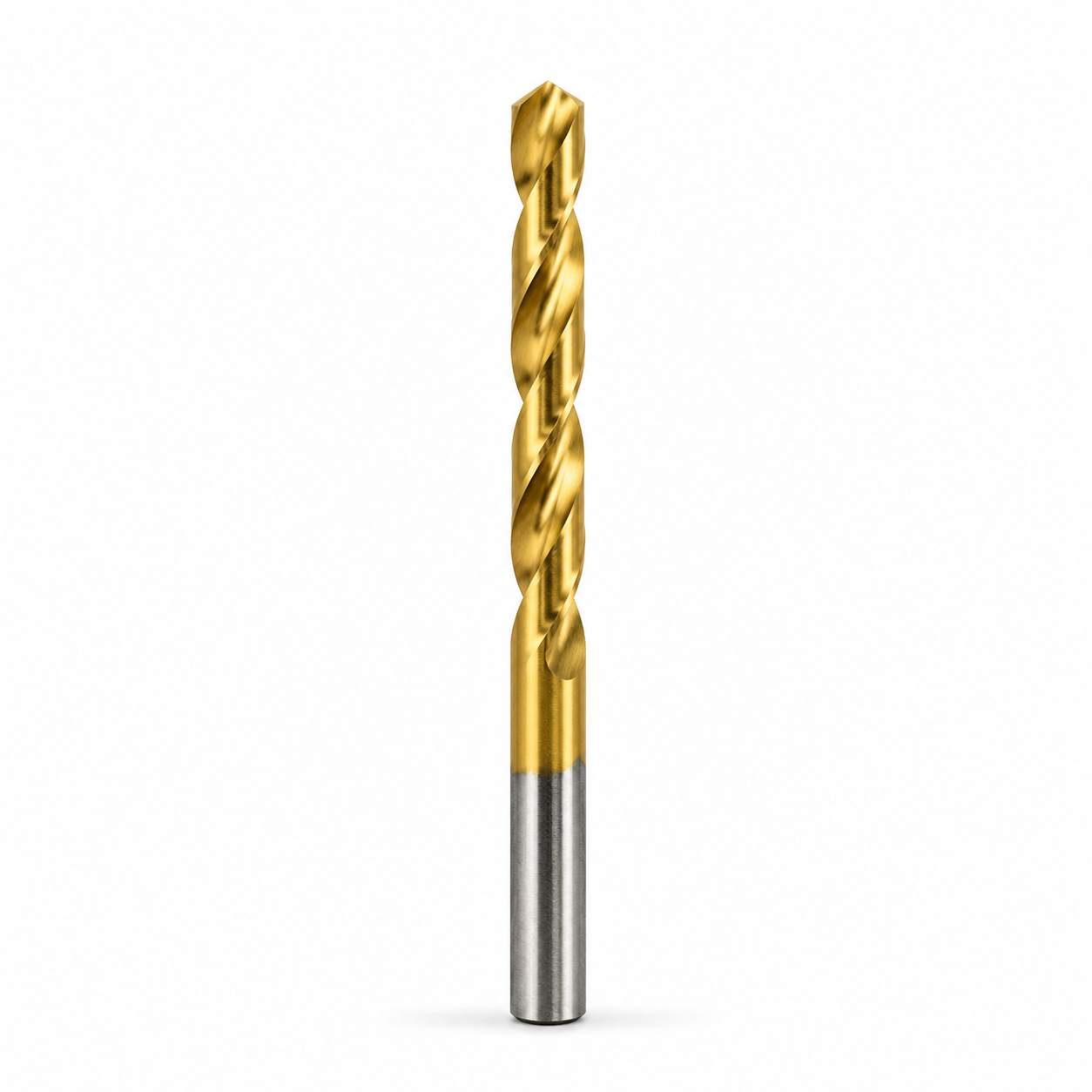
The gold coating makes it easier for chips to slide off and minimizes friction. When you drill standard steel and aluminum, it operates cooler and lasts longer.
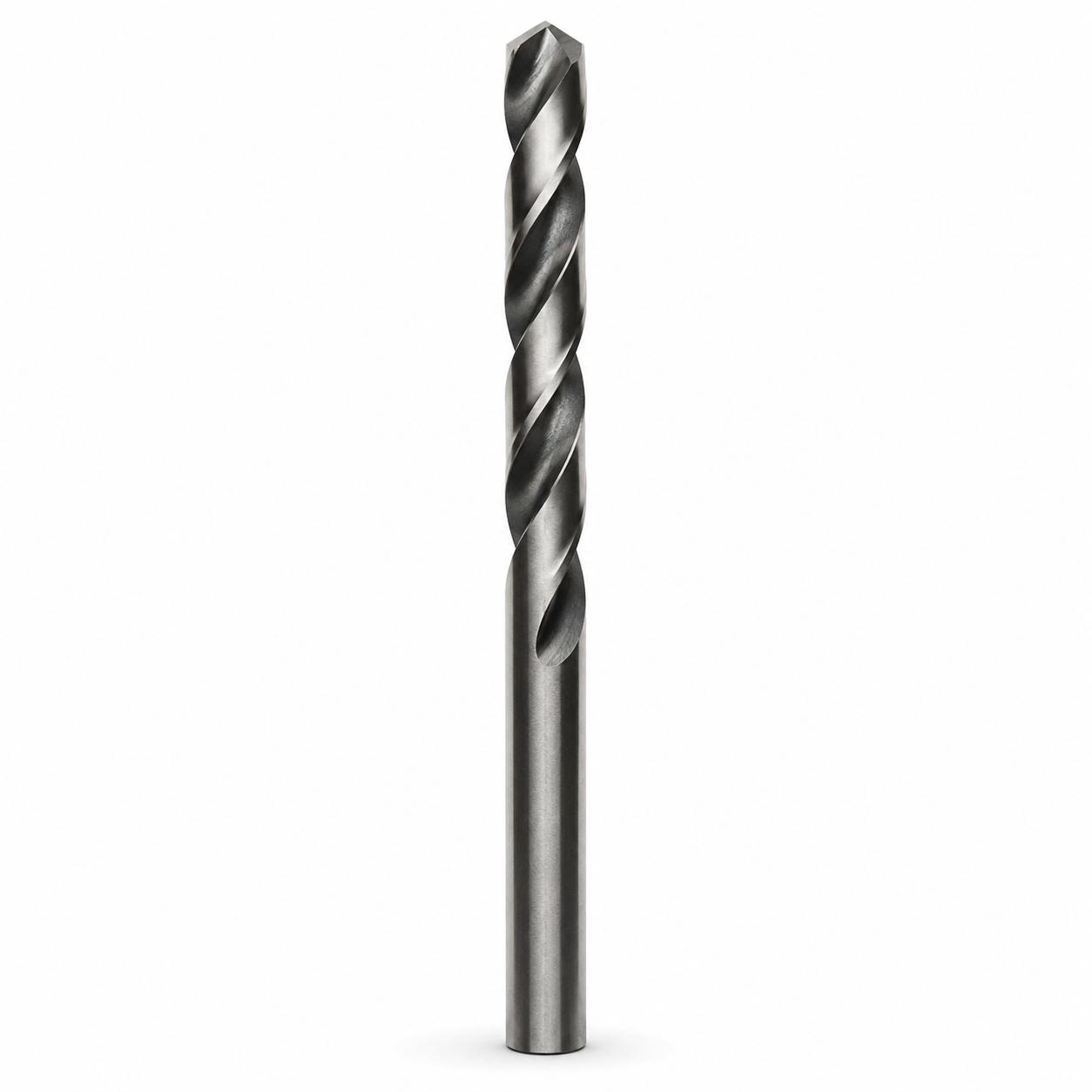 Standard HSS Drills
High-speed steel is a tool that is both strong and flexible. It doesn’t break easily; therefore, it’s a good choice for regular work with softer metals or plastics.
Twist Drill Bits by Length
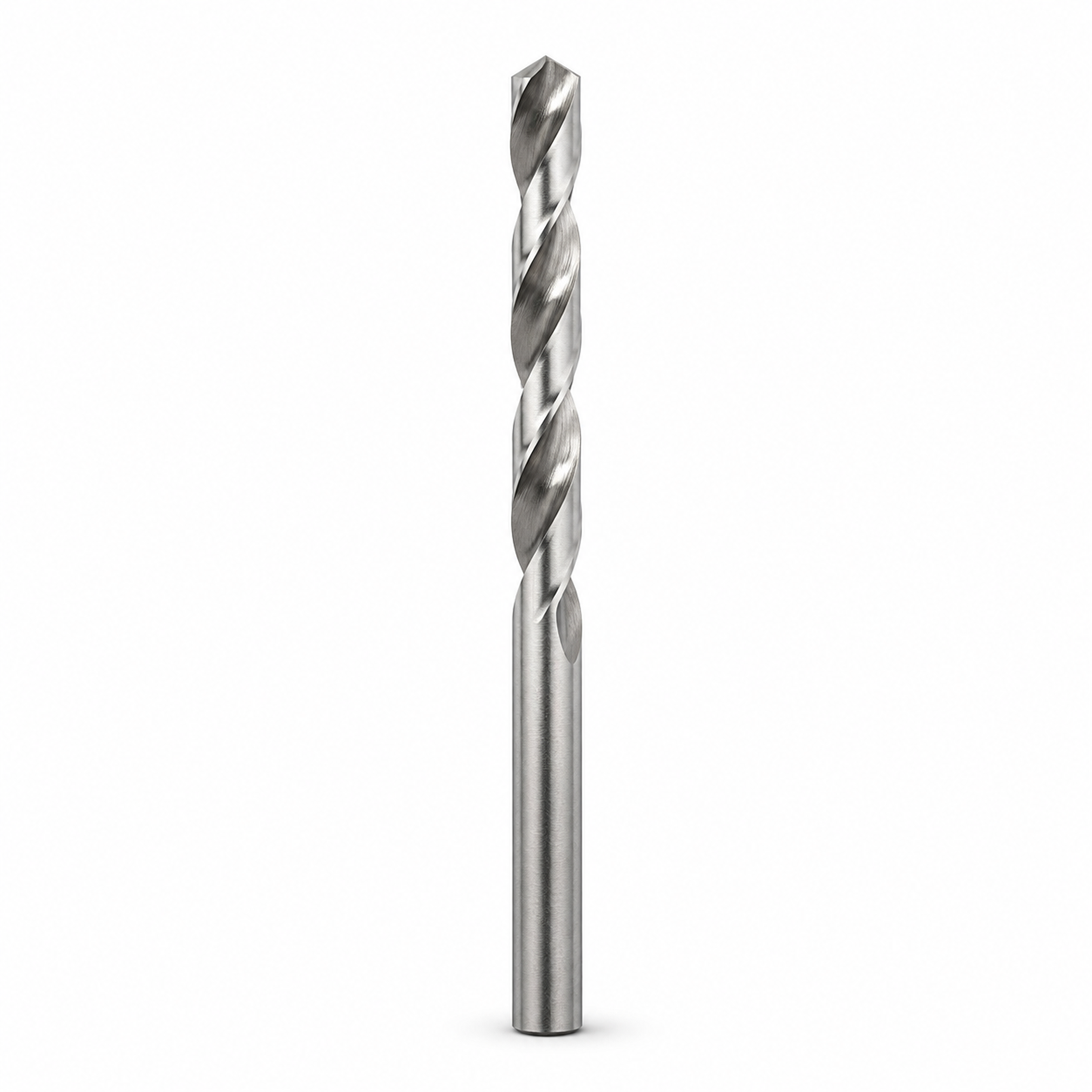 Jobber Length Drills
This is the size that most toolboxes come with. It has an excellent mix of reach and strength for everyday activities.
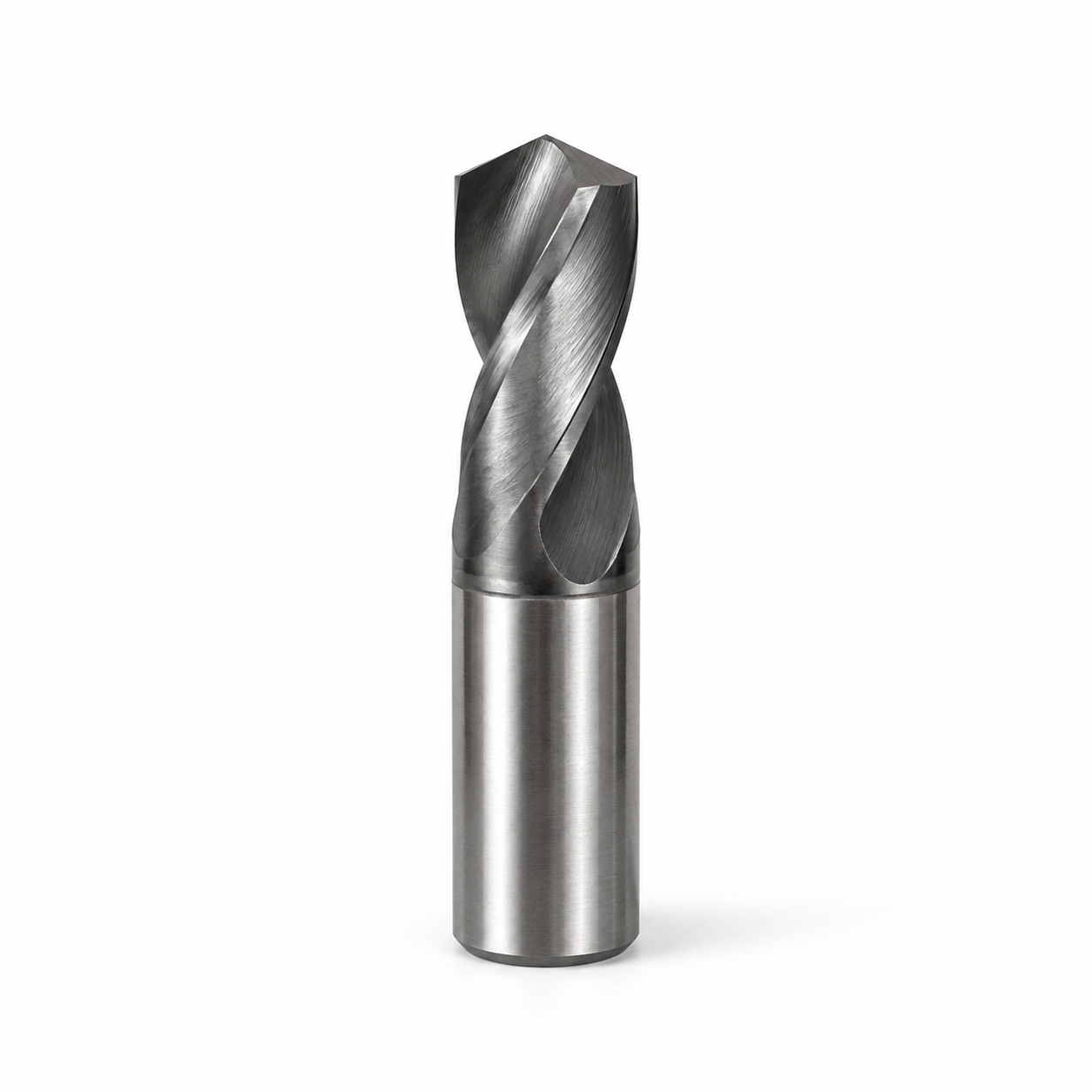 Stub Length Drills
These short drills are very stiff and don’t flex. They are useful for making holes in hard metal or working in small places.
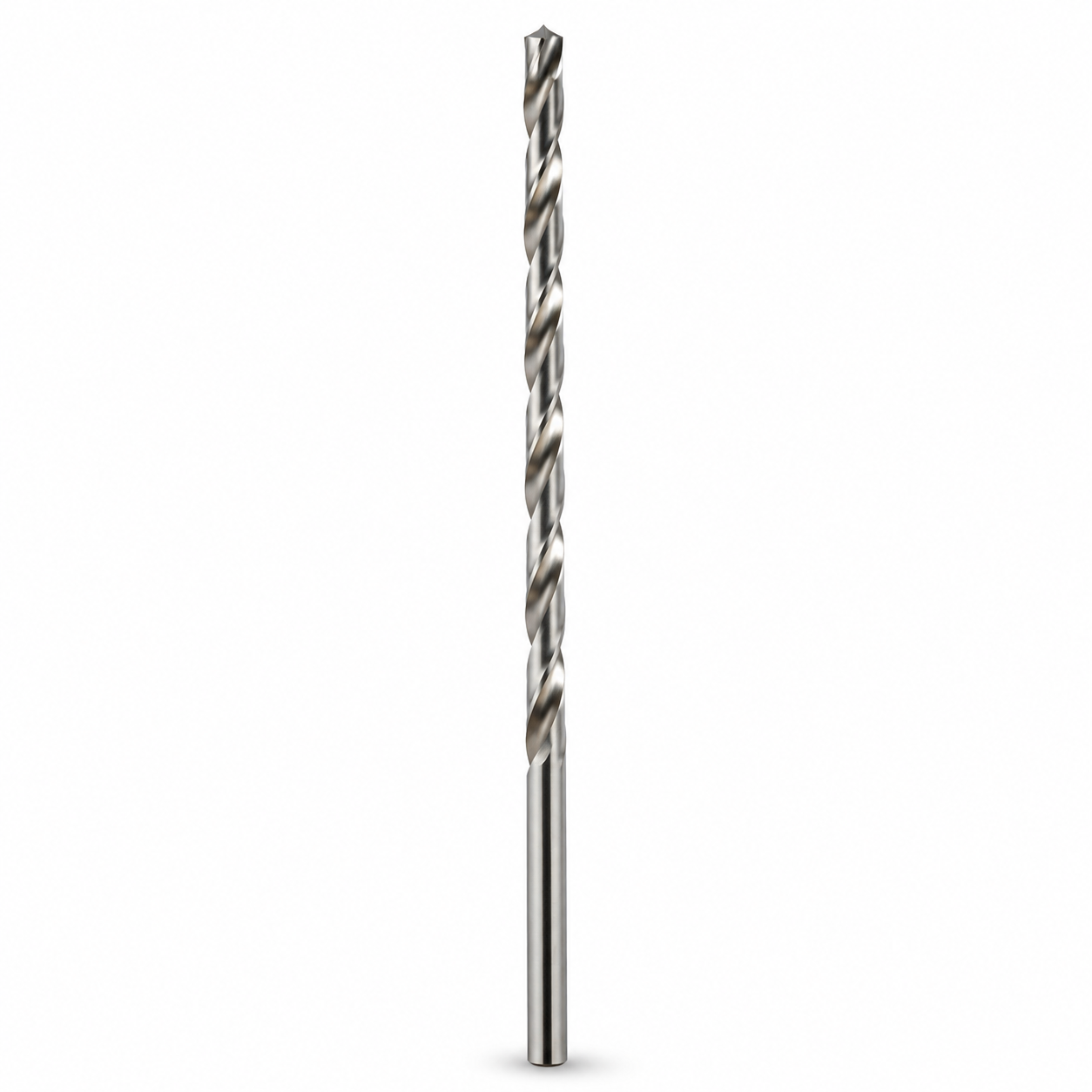 Extended Reach Drills
Use these when you need to get deep into a thick metal block. Just remember to take the tool out every so often to get rid of the hot chips.
Twist Drill Bits by Tip & Flute Design
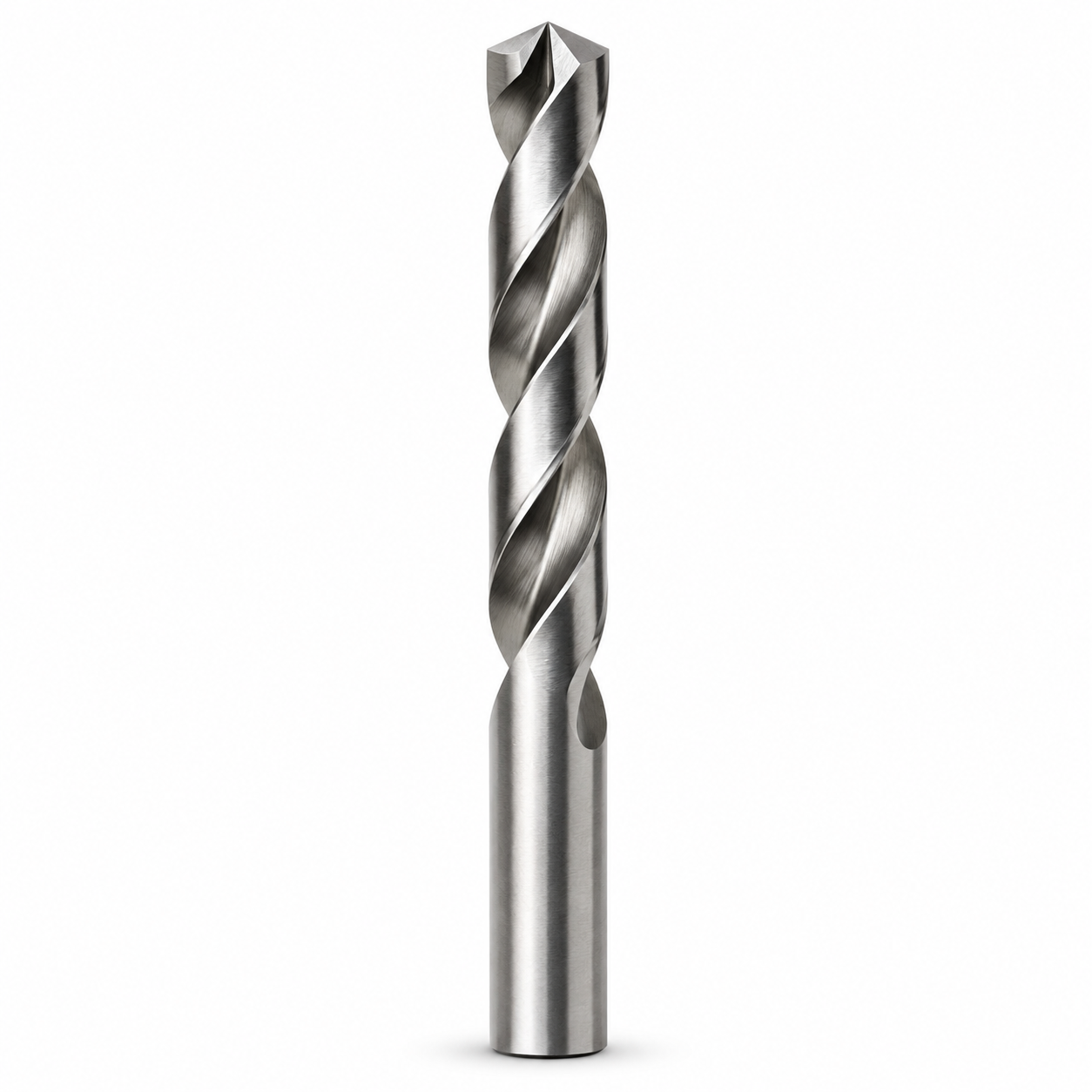 135-Degree Split Point
This flatter tip digs right into the metal. It doesn’t move when you walk on it; therefore, it’s a good choice for drilling hard steel properly.
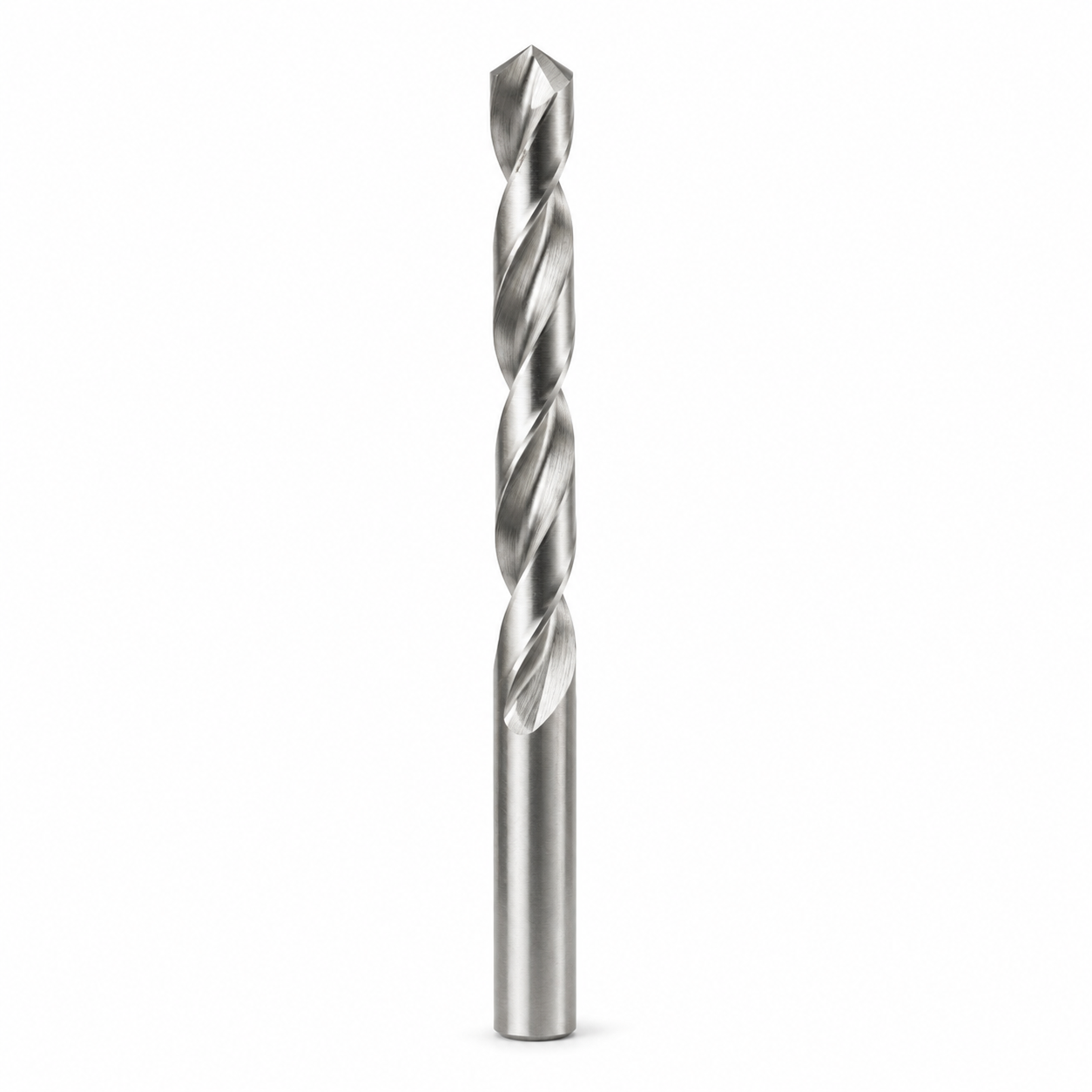 118-Degree Standard Point
This conventional, pointy tip works great on softer materials like aluminum. It cuts cleanly and is usually easy to sharpen when it gets dull.
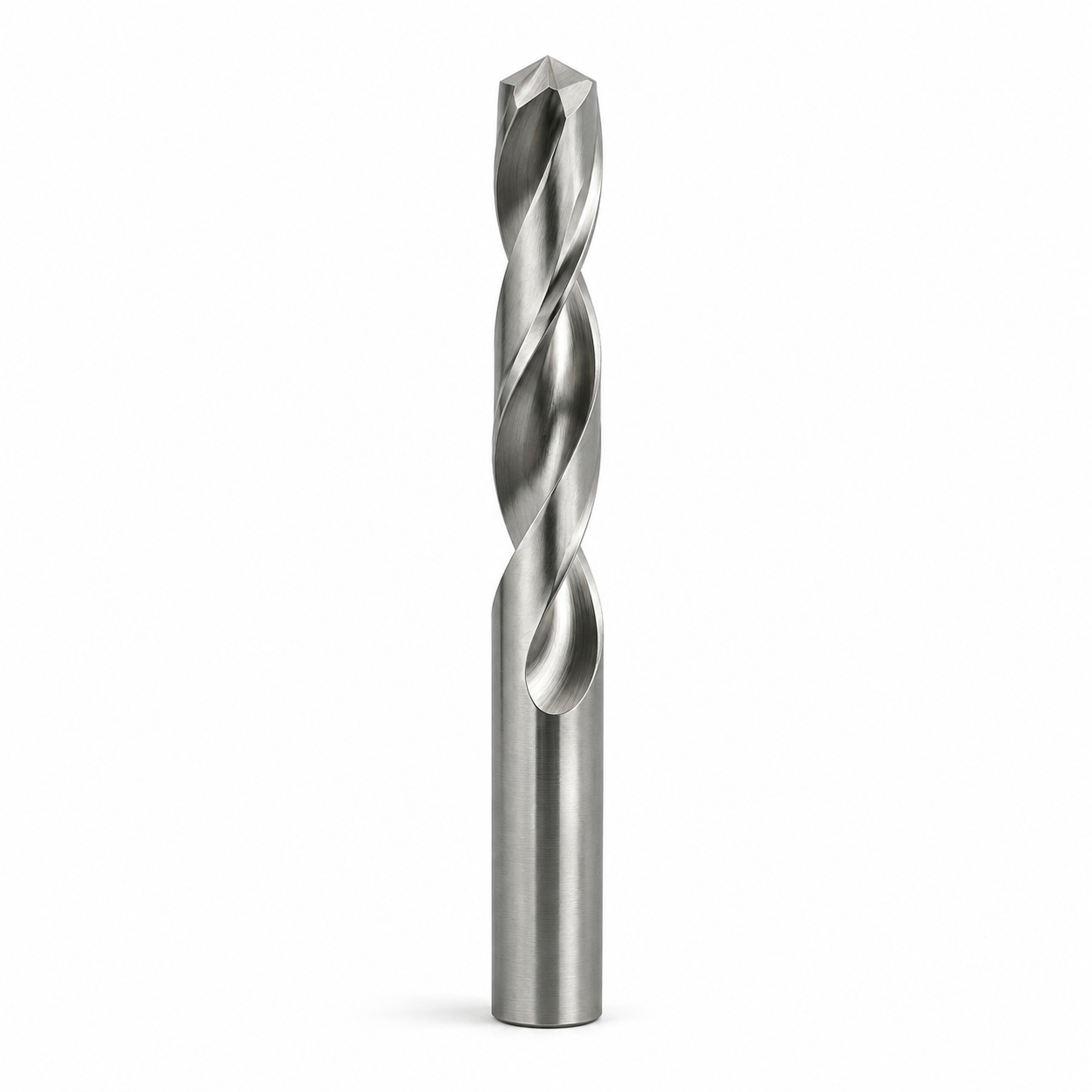 Parabolic Flute Drills
The deep, wide channels take hot metal chips out of the hole very quickly. This keeps your drill from becoming too hot and stops it from getting stuck.
Why Choose Hanöki Twist Drill Bit
You don’t have to change your tool to drill through metal, thick plastic, and wood at the same time.
The smart tip design keeps the tip in place, so you don’t have to use a manual center punch too often.
These drills don’t wobble much when they cut, which makes drilling safer and more comfortable for your workers every day.
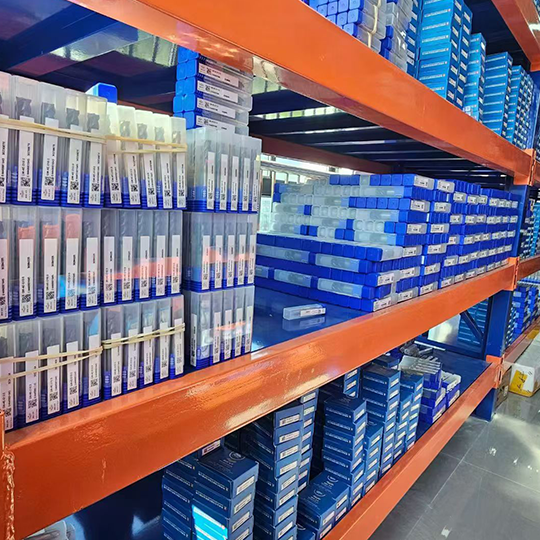
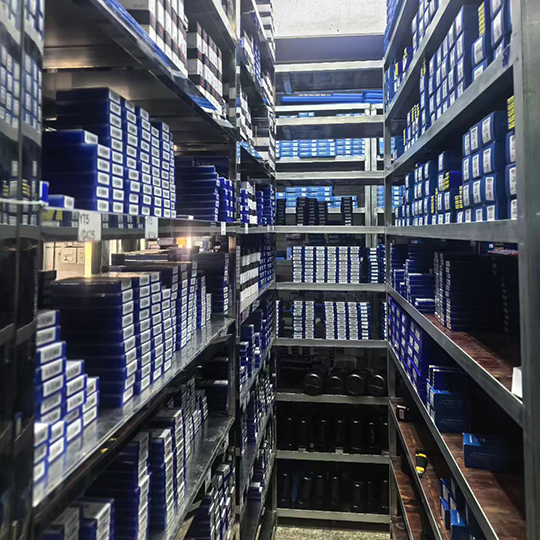
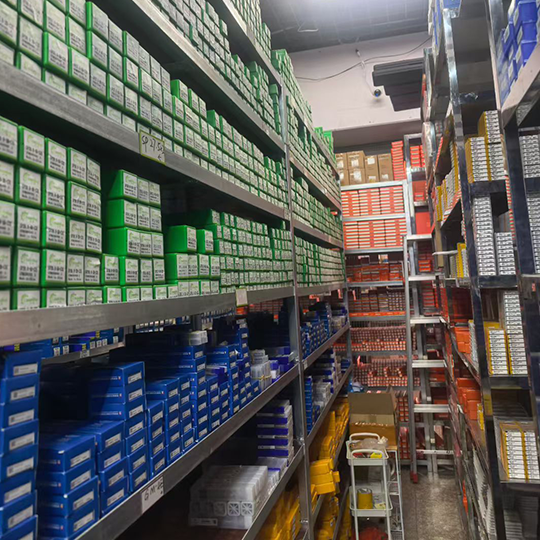
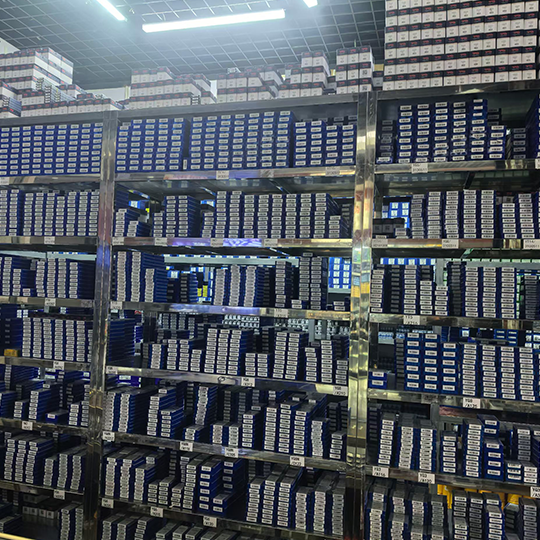
We have thousands of standard drill bits in our warehouse, so you don’t have to wait long for them to be made.
We can send our heavy tools safely to a lot of different nations.
Our parts come in durable storage cases that keep your workplace neat and protect the sharp edges from getting damaged.
Bites Right Where You Put It
When you start drilling, regular bits tend to slip or “walk” across smooth metal. This causes nasty scratches and messes up your measures. The distinctive split-point shape of Hanöki twist drills is what makes them stand out. This implies that they dig into the material exactly where you put them. You don’t even need to use a center punch first most of the time, which saves you time in the shop.
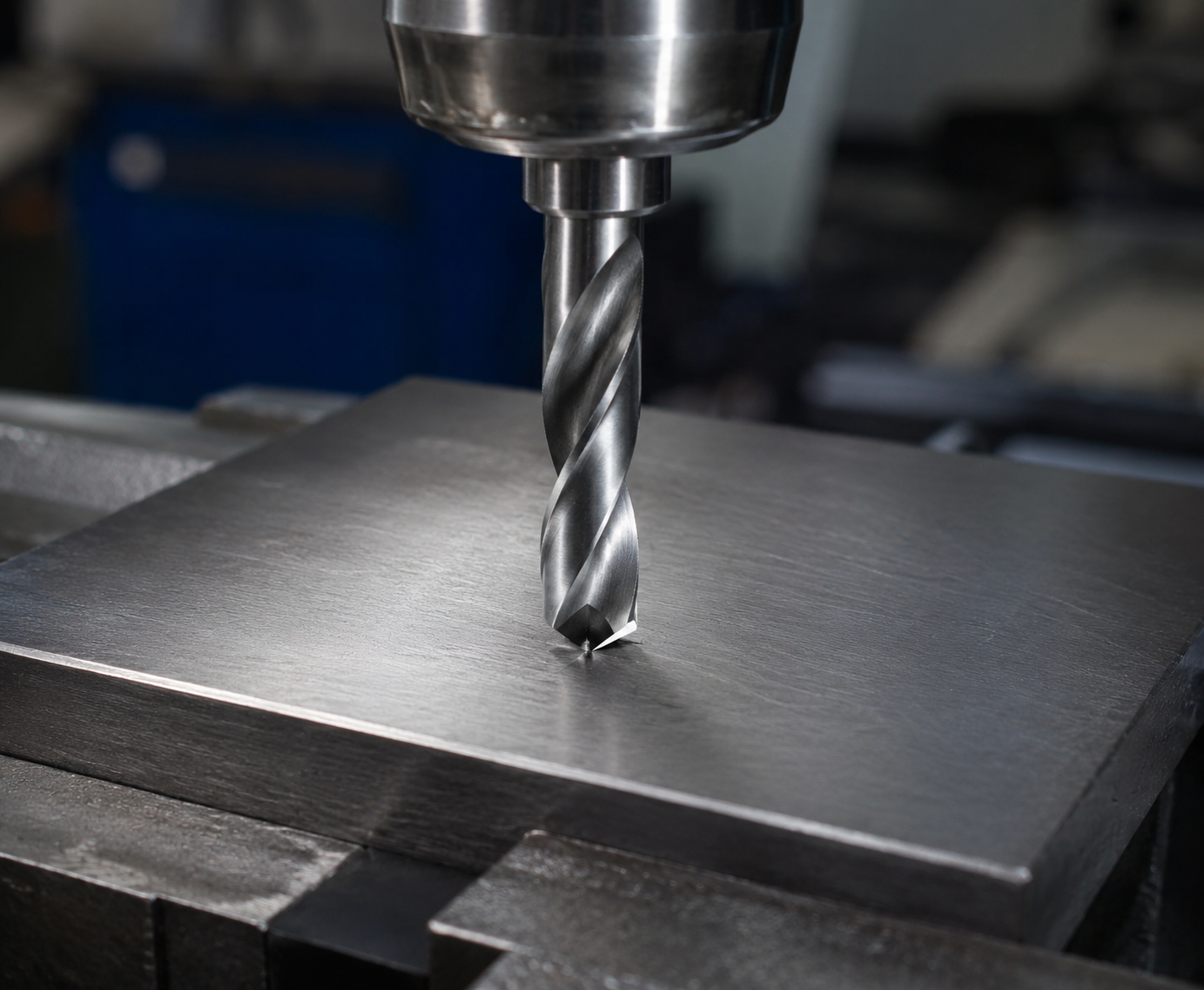
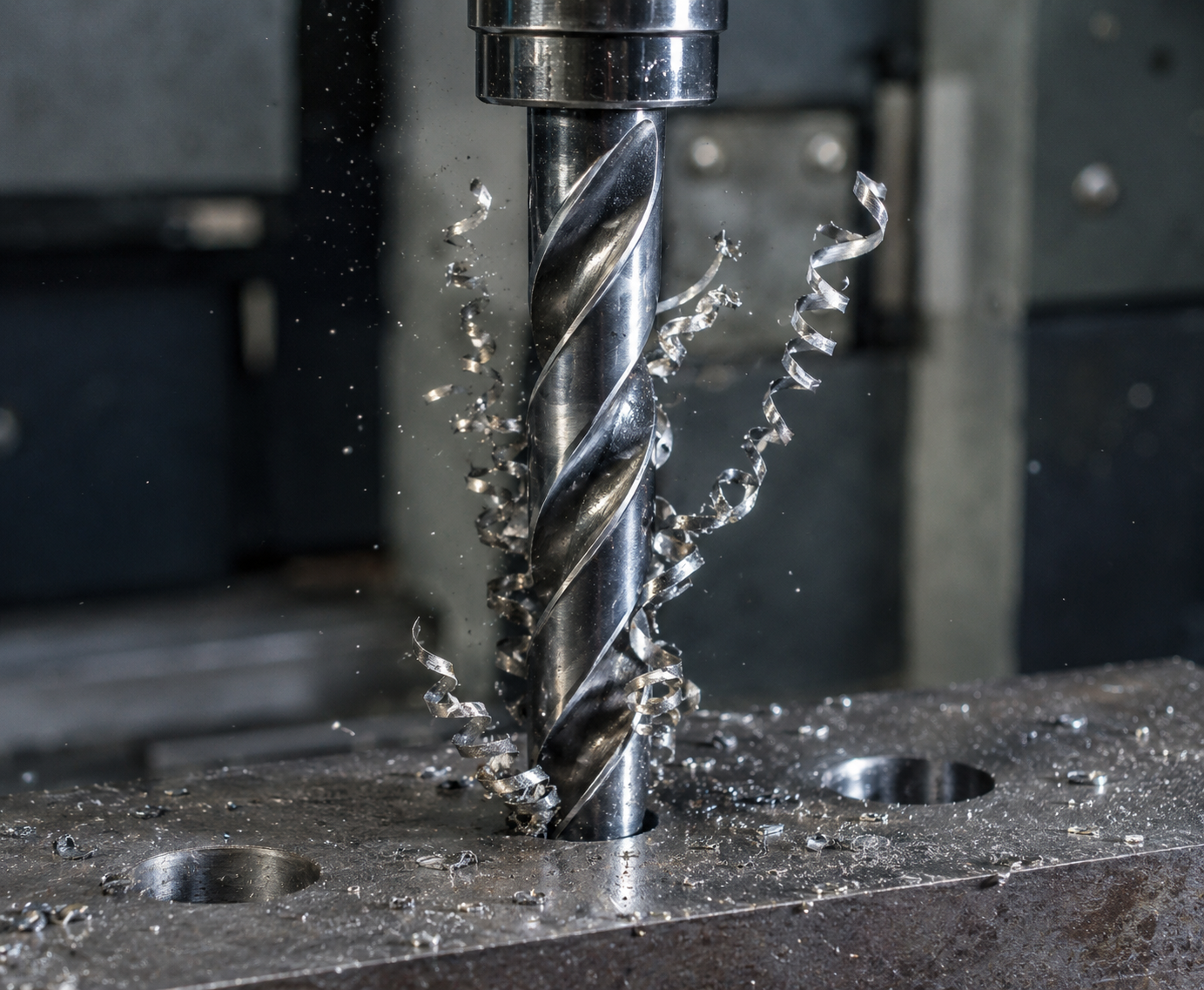
Pulls Hot Chips Out Quickly
When you drill deep holes, one huge difficulty is that metal shavings get stuck inside, which makes the tool overheat and stop working. Our twist drills have spiral grooves that are wide and deep. These work like a fast escalator, quickly dragging hot metal chips up and out of the hole. This makes the way clear, keeps the tool cool, and makes it far less likely that it will get stuck.
Less Strain on Your Machines
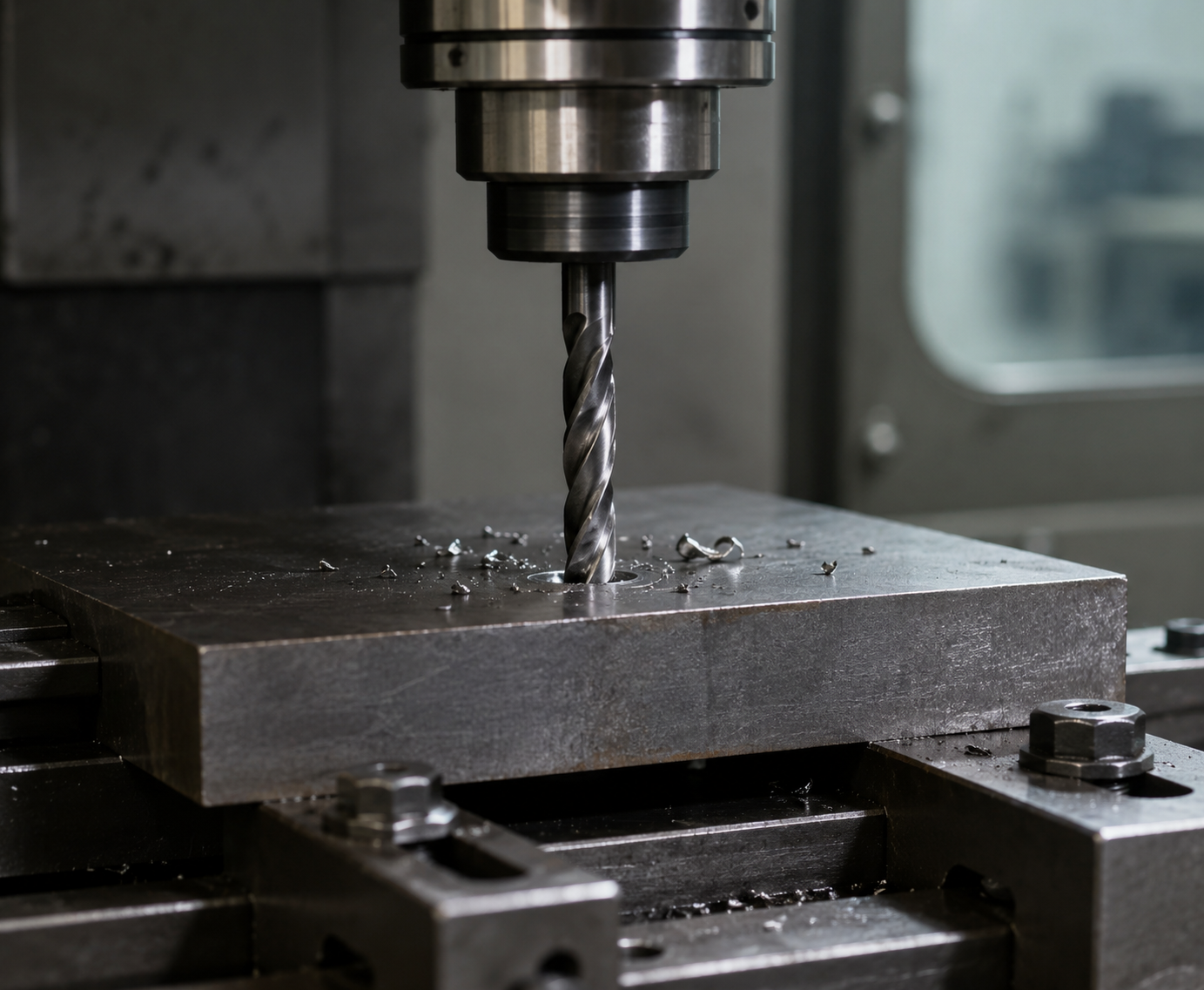
It takes a lot of effort to get a dull drill through thick steel. This puts a lot of stress on the gears and engine of your drill press over time. Hanöki twist drills have incredibly sharp cutting edges that slice through metal smoothly. You don’t have to put as much physical pressure on the instrument because it does the hard work. This keeps your workers from getting fatigued and makes your pricey machines last longer.
Built Tough to Resist Snapping
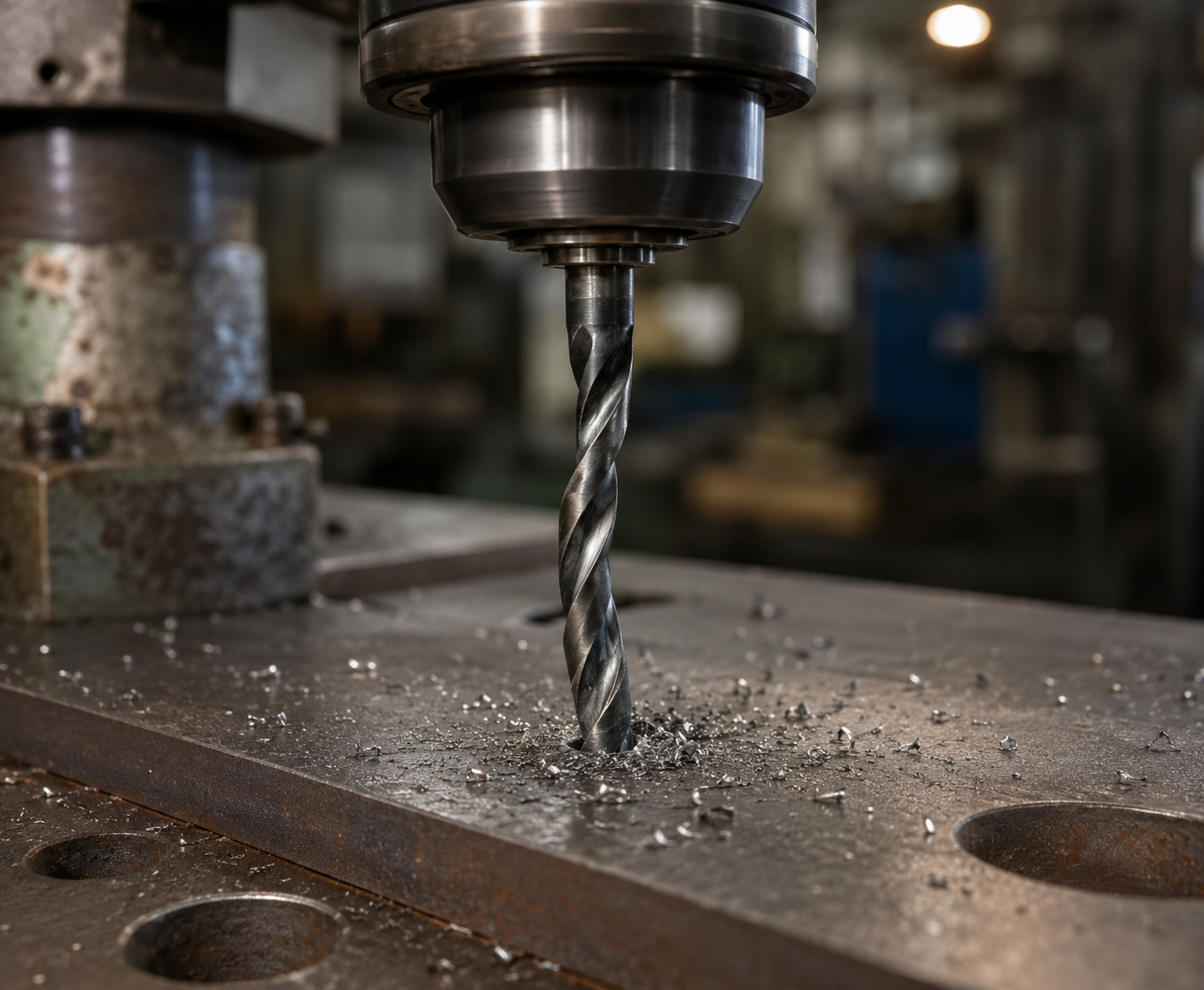
It is really annoying to break a drill bit within an expensive part that is just half-finished. Cheap drills are often too weak and break when you put a lot of pressure on them. We make our tools out of high-quality steel that is only a little bit flexible on its own. If the drill hits something hard or the operator’s hand shakes a little, the tool usually bends a little instead of breaking in half.
One Tool for Many Materials
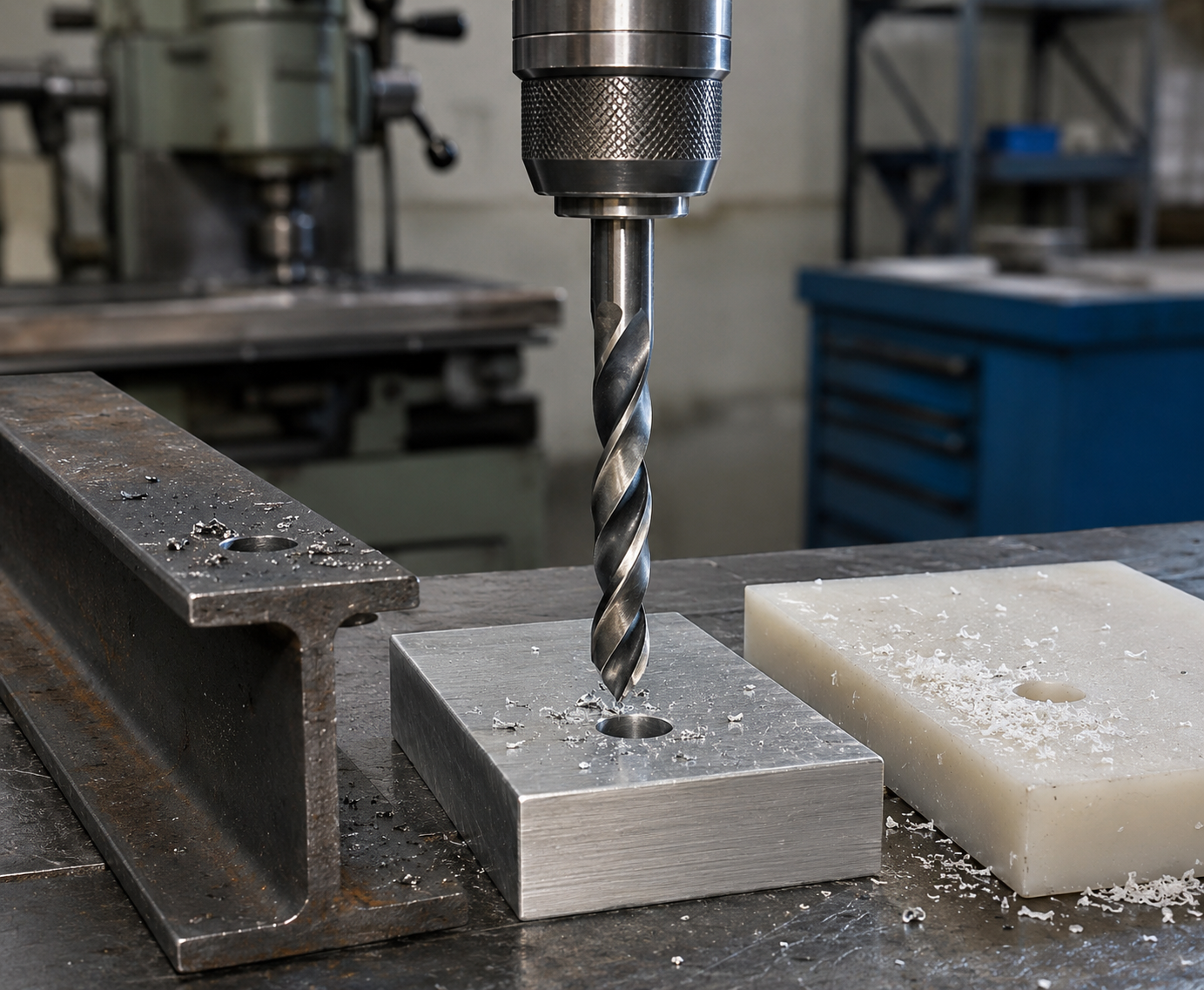
It takes a lot of time to switch tools all the time for different jobs. A robust Hanöki twist drill can manage the daily needs of a busy shop. You may use the same dependable instrument to make smooth holes in iron, structural steel, aluminum, and even thick industrial plastics. Your company can save money by buying fewer specialized bits if one tool can work with more than one type of material.
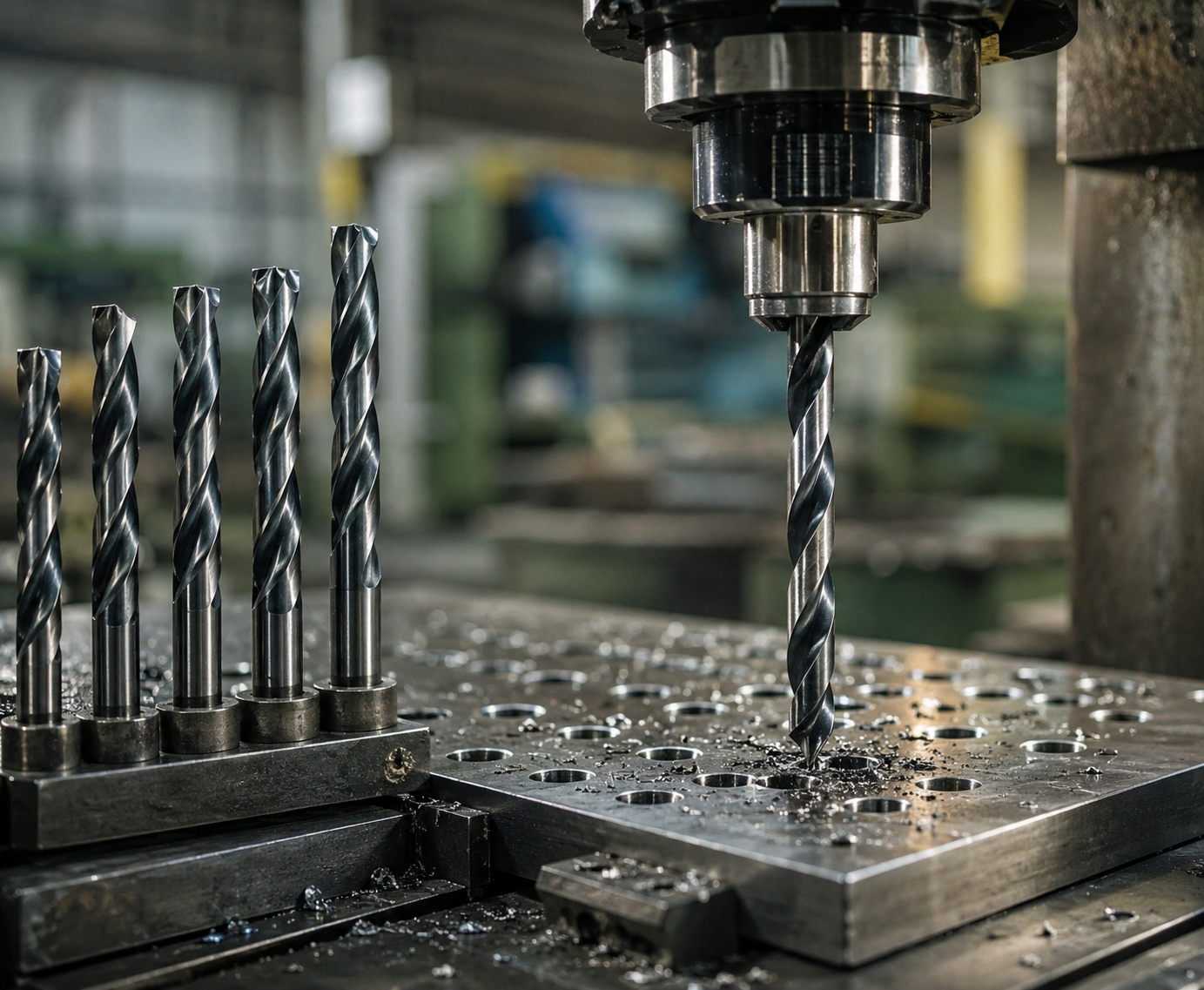
Stays Sharp for the Long Haul
Basic drills lose their sharpness quickly, so your team has to throw them away or spend hours trying to sharpen them. Our drills don’t wear down easily since we employ durable base materials and unique heat treatments in our factory. They keep their sharp cutting edge for a lot longer than regular bits. This is a terrific deal because it lets you keep your production going without having to change tools all the time.
Your Direct Factory for Professional Twist Drill Bit

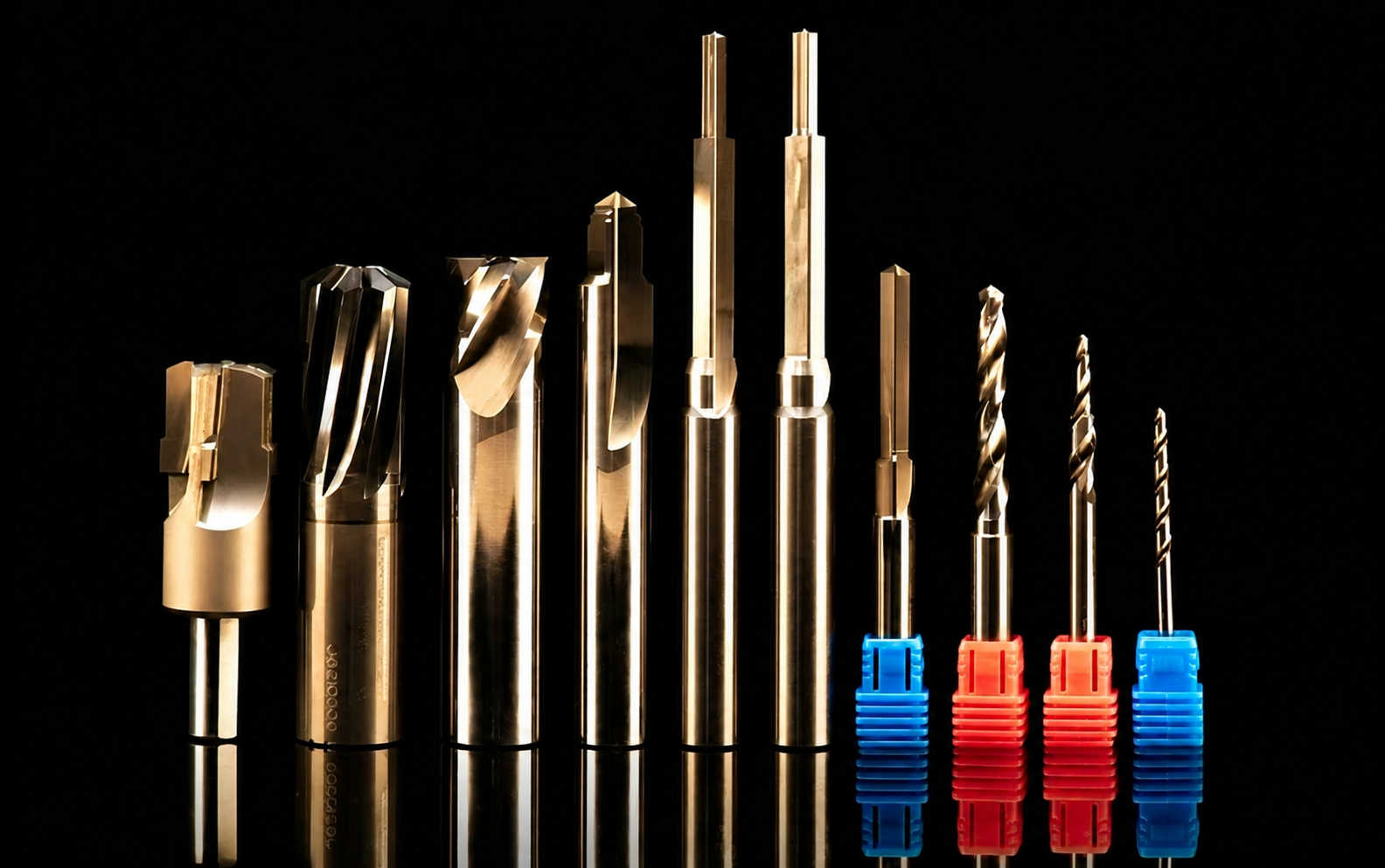
We have been making strong Hanöki twist drills in our own 25,000-square-meter factory for more than 30 years. We keep a careful eye on the quality of each batch because our staff runs more than 20 high-tech CNC machines. This lets us make drill bits with very sharp cutting edges and sizes that are quite accurate.
When you buy from our factory, you don’t have to go through trading companies, and you get direct pricing, which saves you money. Our twist drills are made to handle the heat and can readily cut through anything from soft aluminum to tough HRC68 steel. We have a lot of tools on hand so that workshops can get them promptly and minimize delays. We can transport them all over the world. You may always ask our team of 10 senior application engineers for help if you have issues with drilling a certain type of metal. We are here to give your business the strong tools it needs to keep things moving smoothly.
Twist Drill Bit Application Areas
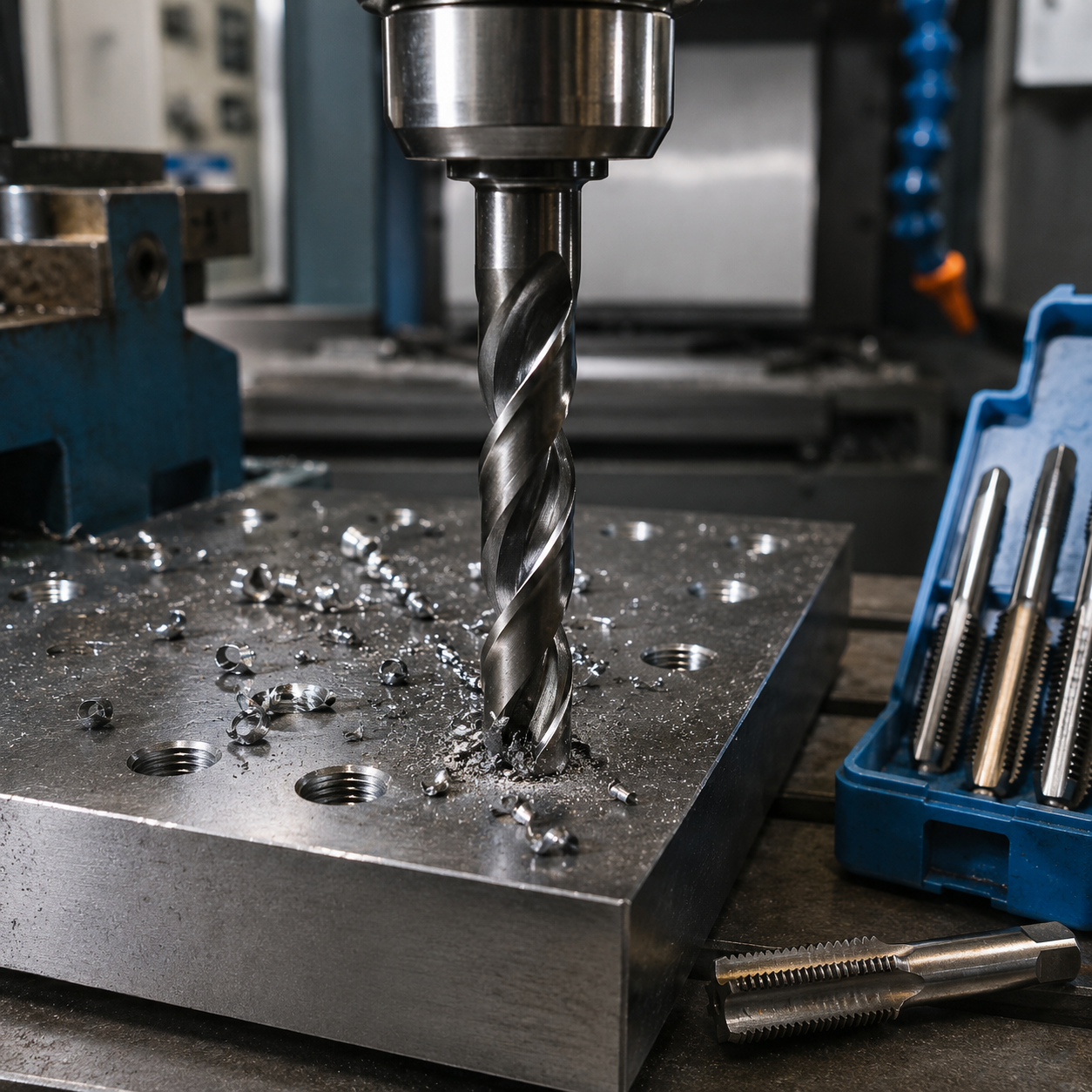
You need to make a beginning hole before you can cut internal threads for a bolt. A twist drill swiftly and correctly removes the solid metal. This offers your tapping tool or thread mill enough room to cut strong threads that won’t break when you put pressure on them.
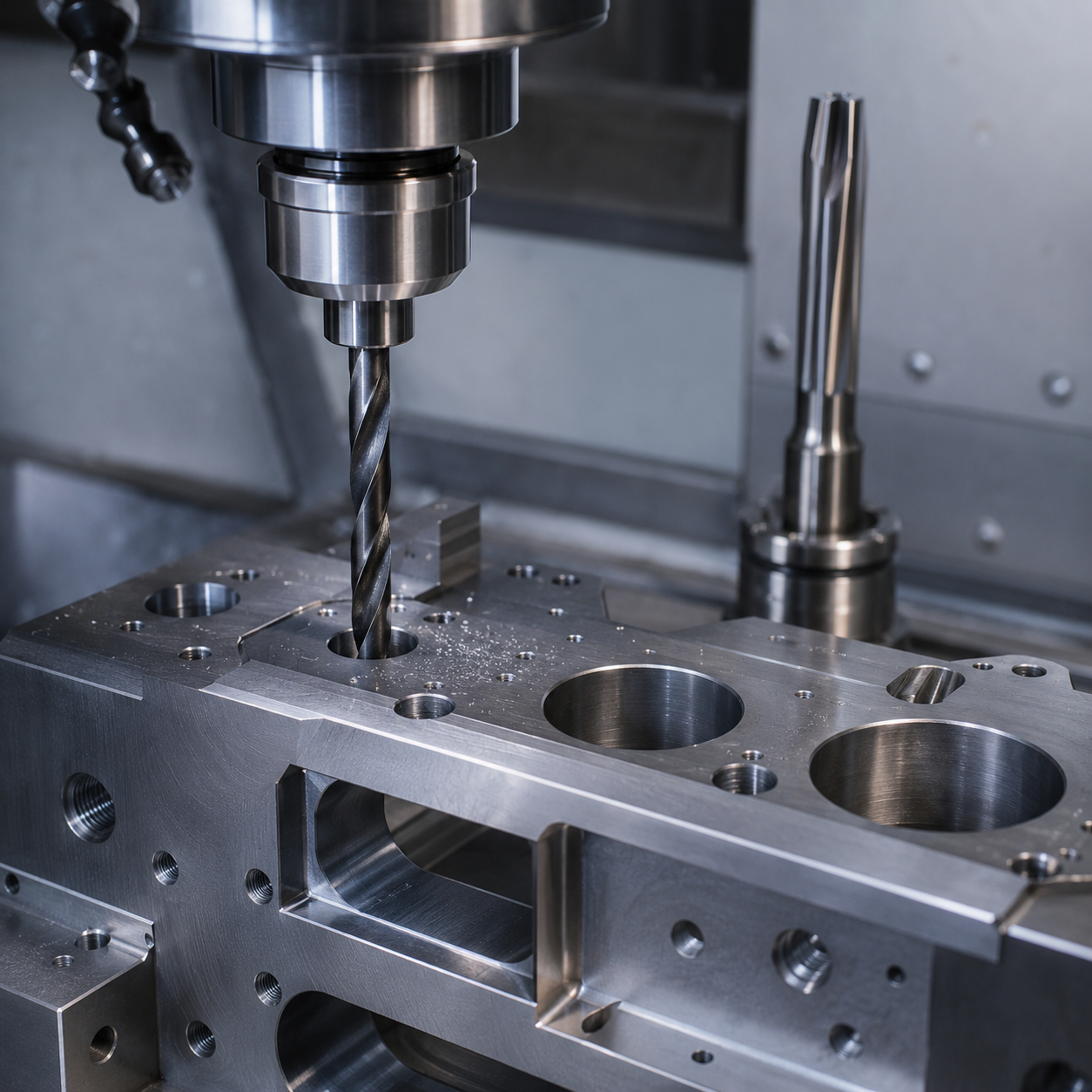
A drill alone might not be adequate to make a very precise hole in a machine part that needs to hold a tight metal pin. First, machinists use a twist drill to get rid of most of the metal. After that, they use a special reaming tool to carefully complete the hole to the right size.
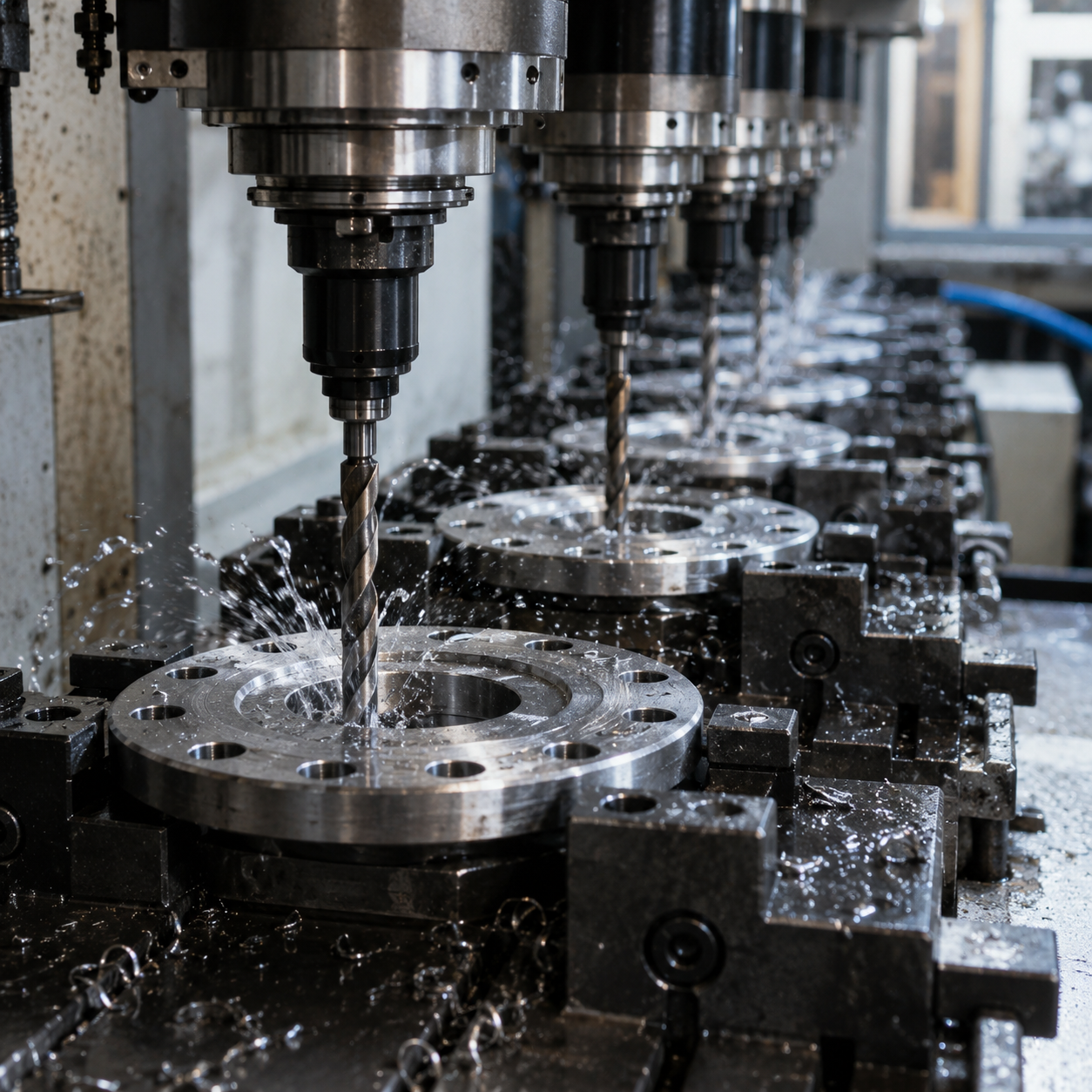
Twist drills are the best solution when a firm wants to make hundreds of metal flanges or plates with the same holes. They are put into automatic CNC machines that quickly punch holes, one after the other. A robust drill can bear the heat well, so the production line keeps working without having to change tools often.
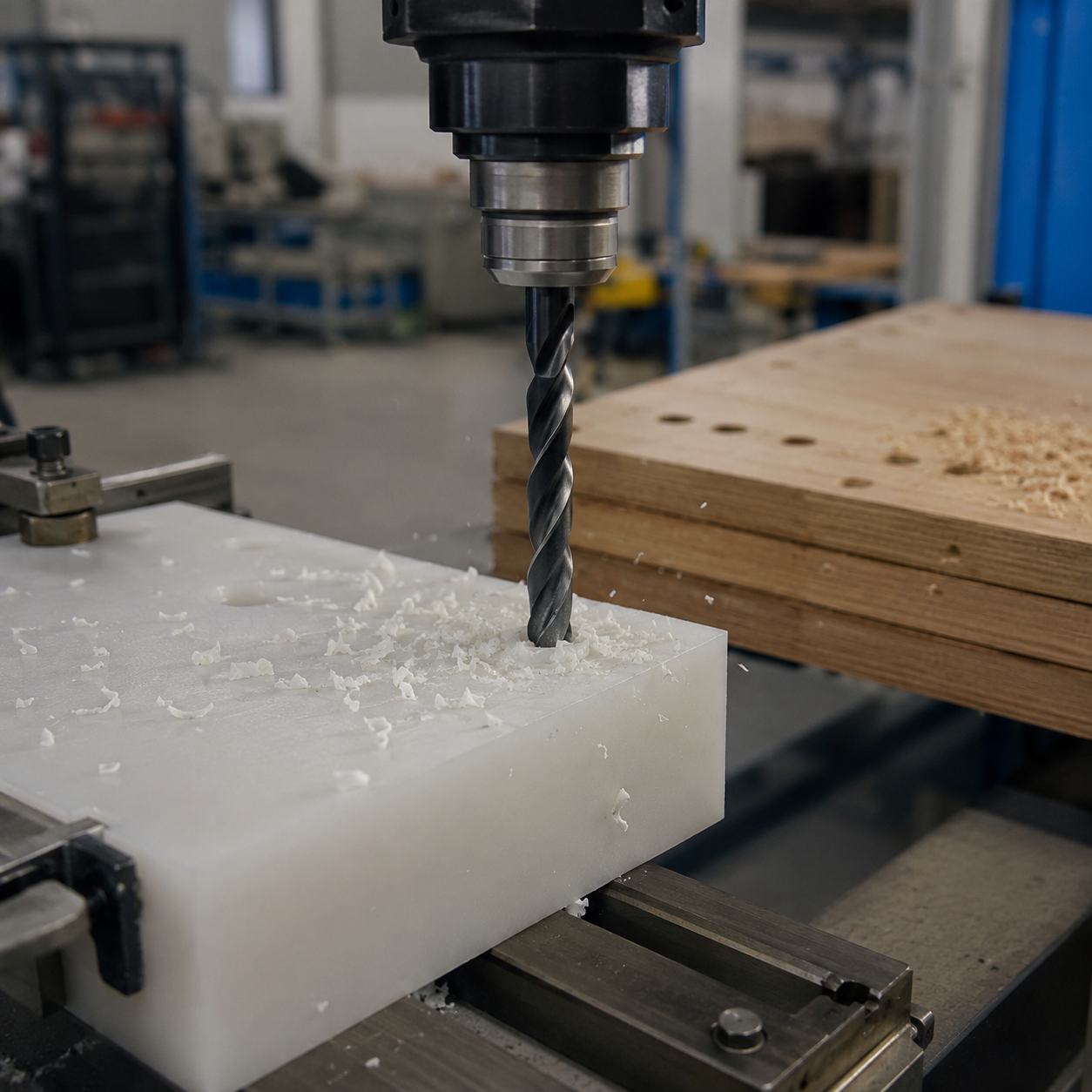
These drills are great for other materials too, even though they are made to bite into solid metal. Shop workers typically use them to drill through thick plastic or wood pieces on the assembly line. You don’t have to change your tool every time you cut softer materials because they are so useful.
Most of the time, a twist drill bit is used to make round holes in metal, plastic, or wood. In everyday workshop jobs, it is the best tool for making holes for bolts, screws, or pins.
The deep grooves in the sides make it work like an elevator. These grooves pull hot metal shavings up and out of the hole as the tool cuts. This keeps the bit cooler and lowers the chance of getting stuck.
Yes, conventional high-speed steel twist drills perform great on plastic and wood. Many stores use them for mixed materials, so you don’t have to swap tools all the time when you go from metal to softer parts.
A twist drill has strong cutting edges that are made to cut through metal or wood. A masonry bit features a strong, flat tip that is meant to break through stone, concrete, or brick. They deal with extremely distinct kinds of materials.
Machinists utilize them because they quickly and accurately remove solid metal. This makes the hole ready so that a thread mill or tapping tool can cut threads securely without breaking when there is a lot of pressure.
When cutting hard materials like stainless steel or cast iron, you should use a cobalt drill. The extra cobalt makes the tool better at handling very high temperatures, which keeps it sharp longer when doing heavy-duty work.
The smooth gold titanium coating makes everything far less slippery. This keeps the instrument cooler and inhibits sticky metal chips from sticking to the cutting blades, which makes the drill last longer when used in a workshop.
Yes, a black oxide treatment adds a layer of protection that makes rust and corrosion very hard to get through. It also helps the tool hold onto cutting oil better, which keeps the drill lubricated and cuts down on friction while cutting through steel.
If you need to drill into hard stainless steel, Hanöki cobalt twist drills are a perfect choice. They are made to last in the tremendous heat that stainless steel makes, so you can push through thick metal without the tip being dull too quickly.
Coatings make the surface exceedingly smooth, which reduces the force with which the metal and the tool rub against each other. Less friction means less heat is created, which keeps the drill colder and stops it from melting or losing its edge.
The 135-degree split point has a flatter design that digs into metal just where you put it. When you start the hole, it makes it much less likely that the drill will slip or walk across the surface.
A 118-degree angle is sharper and steeper, which makes it a good choice for drilling softer metals like aluminum or mild steel. It cuts cleanly and is usually easier for a worker to sharpen again on a grinder.
Most toolboxes have a jobber-length drill, which is the typical size. It strikes a good mix between how deep you can go and how robust the shaft is, so it’s good for most common drilling jobs.
When a shop needs greater stiffness, it should utilize a stub-length bit. They are great for starting holes accurately or working in tight, small locations because they are short and thick and don’t bend easily.
You should look at a conventional tap drill chart. The chart will show you the right size drill bit to use so that there is just enough metal left in the hole for your thread machine to make strong, deep threads.
If you push too hard, use a dull bit, or let the instrument become too hot, they often break. The drill gets caught and breaks when metal chips get stuck in the hole.
A 135-degree split point drill helps keep things from slipping. If you’re using a regular bit, producing a small dent with a center punch first offers the drill tip a safe location to rest and bite.
When drilling steel or other strong metals, it is very important to use cutting fluid. It cools down the heated cutting blades and gets rid of metal shavings, which makes the tool cut more smoothly and last much longer.
Chattering normally happens when the tool is dull, the speed is too high, or the metal isn’t held down tightly enough. Instead of cutting, the drill bounces off the material, leaving rough markings inside the hole.
You should use the “peck drilling” method. This means you drill down a little, take the tool out to let the chips fall, and then go back in to cut more.
Yes, our Hanöki manufacturing engineers can change the length, diameter, or tip angle of the standard catalog tools if they don’t work for you. This guarantees that you will receive a tool made just for your difficult materials.
Buying directly cuts out the intermediary, which saves you a lot of money. You also have speedier access to a huge inventory, direct technical help from the engineers who built the equipment, and delivery that always gets to your business.
To check for sharpness, durability, and correct sizing, factories routinely run sample batches on high-tech CNC machines. Workers also look at the coatings and cutting edges to make sure they match tight quality standards.
Yes, big factories can easily manage a lot of special orders at once. The manufacturing staff may change the production line to meet your individual bulk order needs, whether you need an extra-long reach or a coating that can handle high temperatures.
Buyers should seek robust raw materials like cobalt, tools that are always the same size, and a supplier who is easy to talk to. You can be sure to get reliable industrial tools at competitive costs when you buy directly from a firm like Hanöki.
How to Pick the Best Twist Drill Bit for Your Job
If you choose the improper twist drill bit, you could squander money and even destroy a valuable piece of metal. If you try to force a regular drill bit through hardened steel, the tip will probably melt or break before you get very far. Using a heavy-duty drill on soft, sticky materials without the correct coating, on the other hand, might make the metal shavings pack snugly into the grooves. This makes the tool stuck and causes unattractive, harsh scratches inside the hole.
To get the best results, you should match the drill material and tip design to the job. This keeps your machines running well and your bits sharp for longer. Choose a Hanöki cobalt drill with a flat split-point if you are working with strong metals. This will protect the drill from slipping and help it bite in. Use some cutting fluid to keep things cool. When drilling softer metals like aluminum, a regular sharp bit with large flutes works well to get rid of chips rapidly. It saves you the trouble of having to dig out shattered metal later if you take a minute to pick the right tool.