


Your Direct Factory for Industrial Plug Taps
- Easy Thread Starting: The slanted front chamfer keeps your tap straight so you don’t have to cross-thread.
- Safe Chip Storage: Deep straight grooves hold metal waste tightly to prevent scratching.
- Rugged Tool Wear: Hardened industrial steel will not be affected by everyday tapping by hand or machine.
- In-House Manufacturing: We control the raw steel and grinding to guarantee toughness.
- Strict Size Testing: Laser inspections ensure your taps meet exact international thread standards.
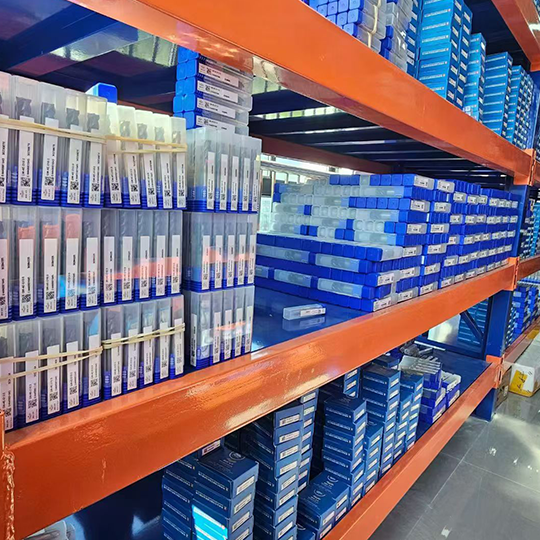
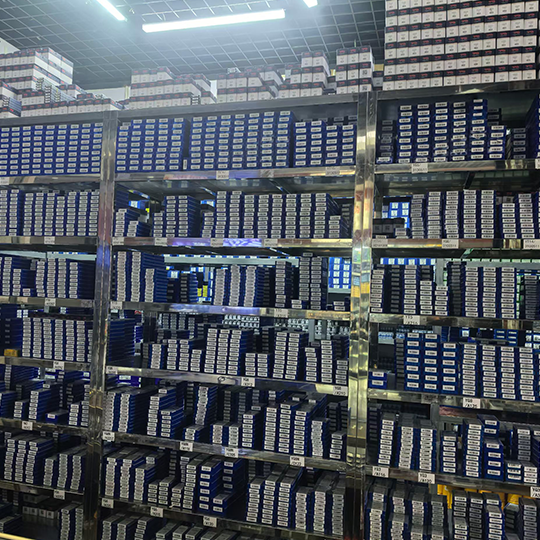
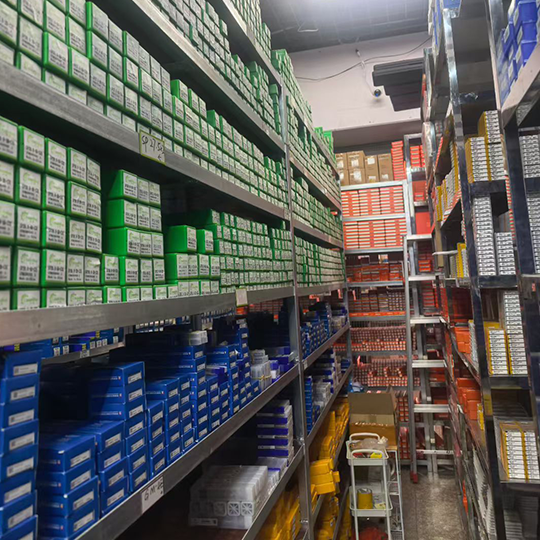
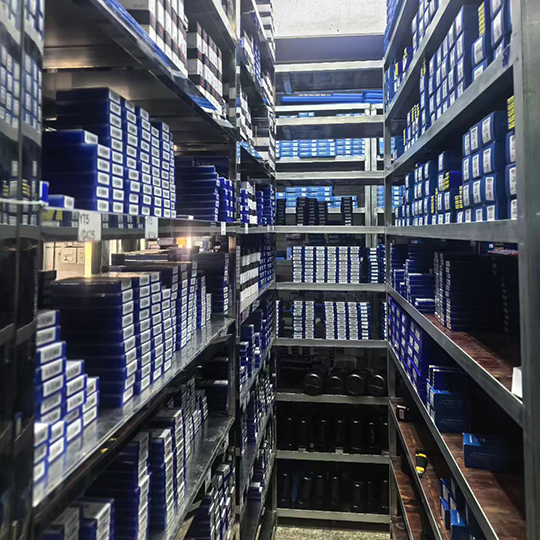
- Massive Standard Inventory: We stock thousands of standard sizes for instant global shipping.
What is a Plug Tap?
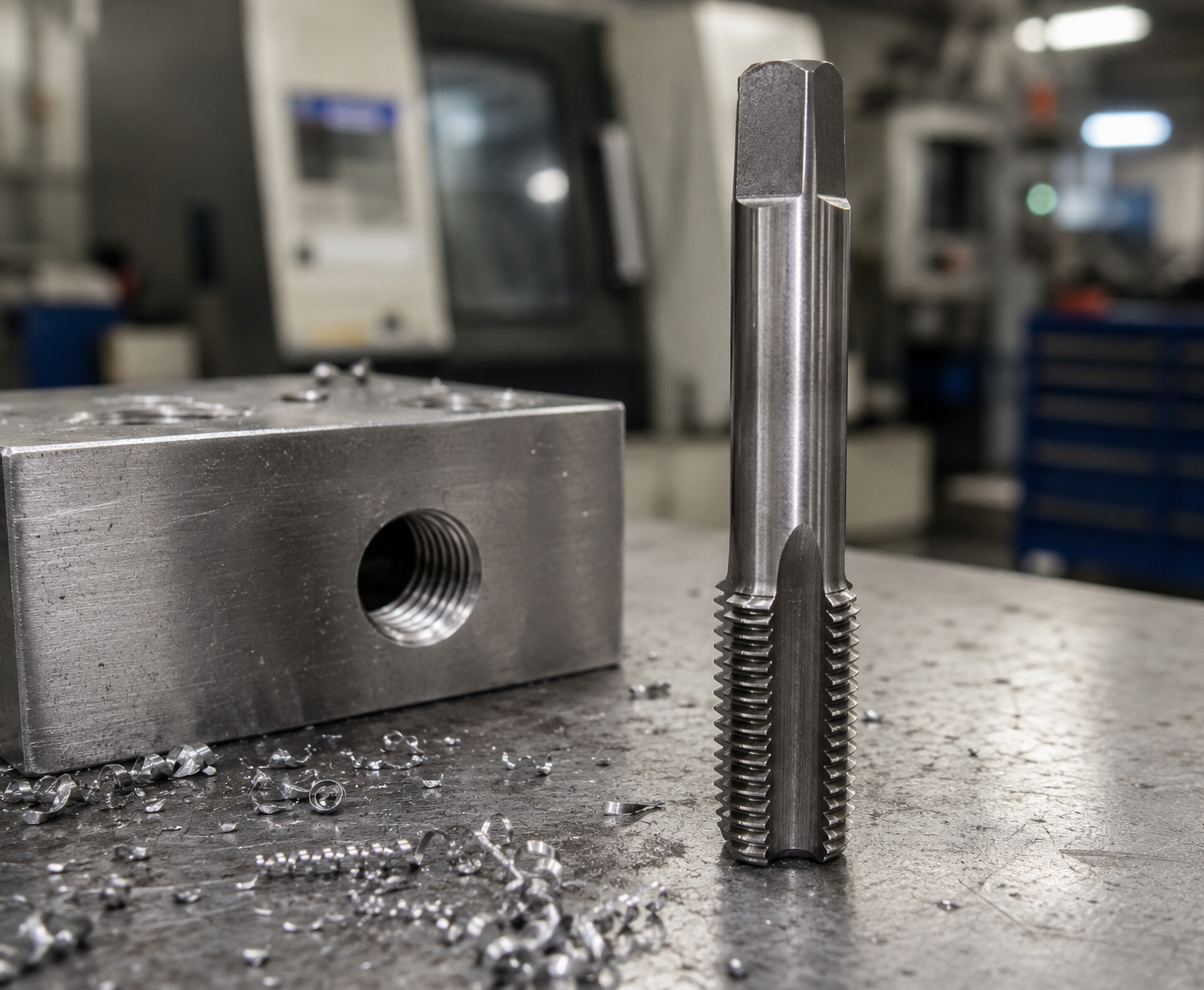
When you need a versatile, everyday cutting tool for general threading, the plug tap is your standard choice. It features straight grooves and a specially tapered front with three to five chamfered cutting threads. This gentle starting angle makes it incredibly easy for you to guide the tool straight into a drilled hole without crossing the threads or ruining the entrance. Instead of pushing waste out the bottom, a plug tap simply collects the cut metal chips safely inside its deep, straight flutes. If your workshop handles a mix of manual bench work and basic machine tapping across standard metals like steel or brass, this is the exact tool you will rely on. It delivers clean, accurate internal threads for your everyday parts, making it the most essential, all-purpose tap on your factory floor.
The Hidden Cost of Cheap Plug Taps
When you use a plug tap, the metal chips must be stored safely inside the straight grooves as you cut. If you use a cheap plug tap, the flutes are often ground too shallow and rough. The metal waste has nowhere to go and quickly packs tight against the cutting teeth. Even worse, a poorly machined front chamfer will cause the tool to enter the hole crooked, instantly ruining the starting threads. This sudden friction and misalignment will either tear up the rest of your internal threads or snap the brittle tap in half. You are left with a broken piece of steel permanently jammed inside your workpiece, forcing your workers to waste hours trying to extract it.
Trying to save a few pennies on basic tools always costs your workshop more in scrapped metal and wasted labor. Hanöki manufactures professional-grade plug taps built for reliable, everyday threading. We precisely grind the starting chamfers so your tool aligns perfectly straight every time, and we machine deep, smooth flutes to safely hold all the chips. By sourcing directly from our factory, you receive dependable, heavy-duty tools that cut clean threads and keep your daily production moving smoothly.
Plug Taps By Thread Standard
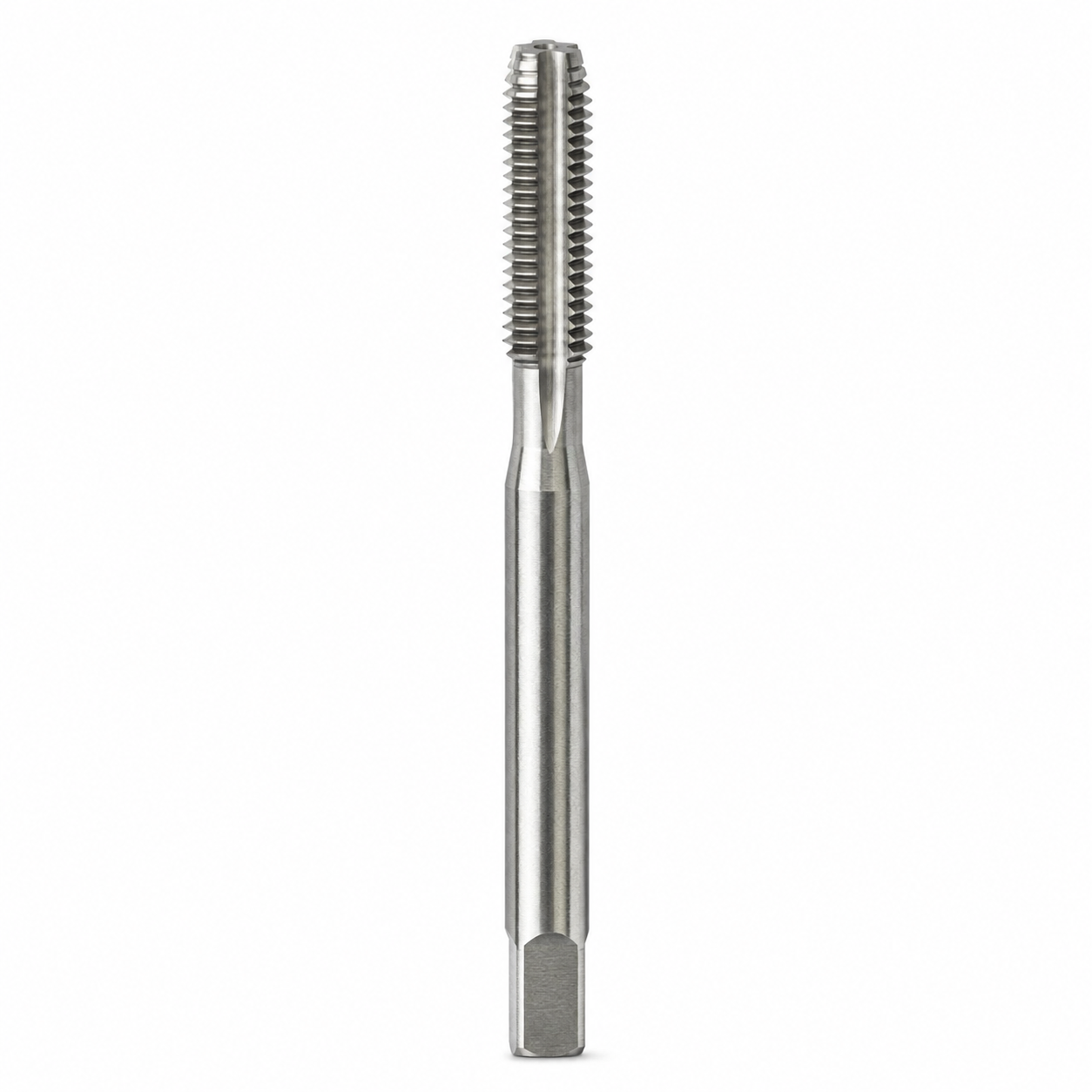 Metric Taps (M/MF)
The standard global millimeter system. You need these to manufacture general automotive parts, everyday machinery, and international equipment.
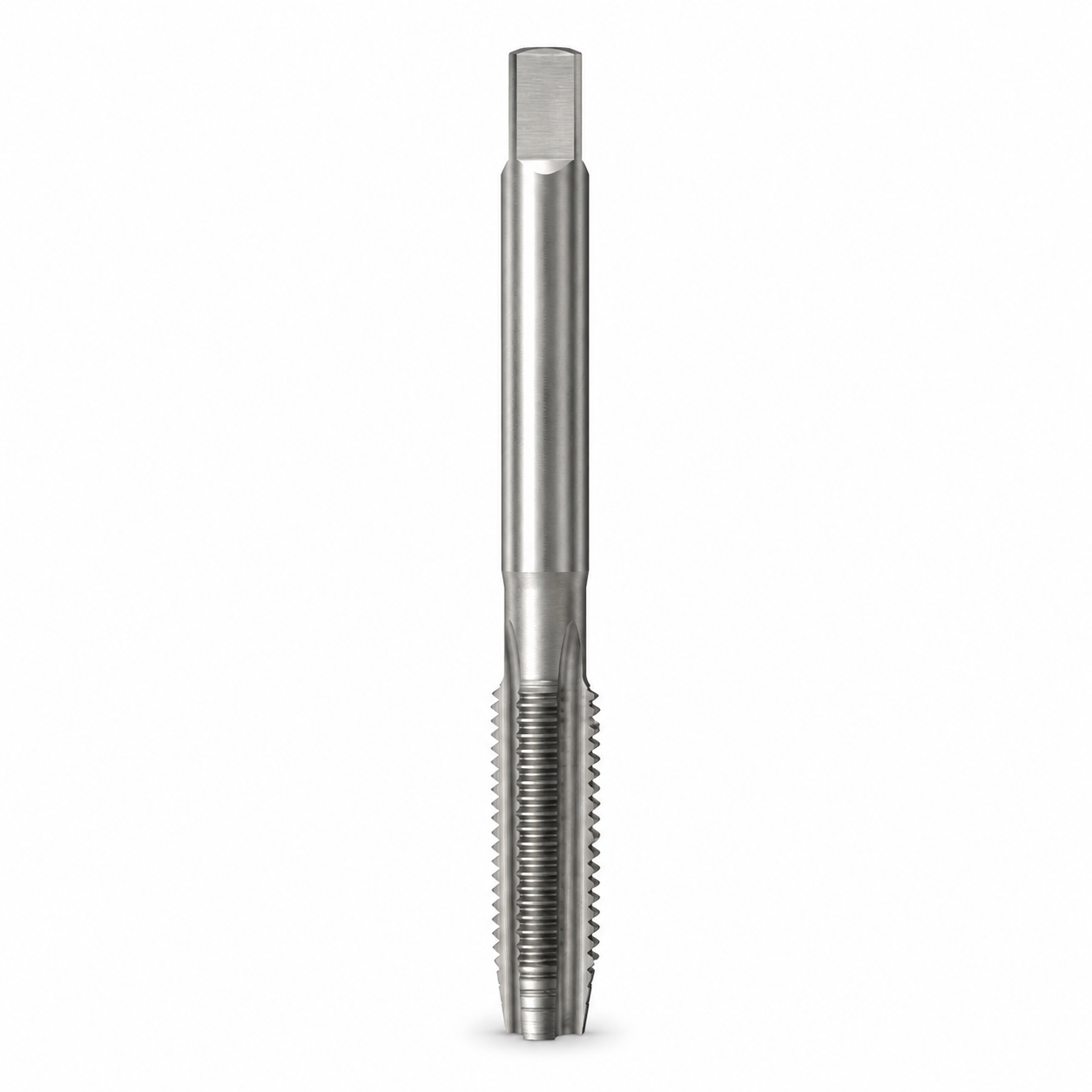 Unified Taps (UNC/UNF)
The North American inch-based system. You must use these if your factory exports assembled metal parts to the US or Canadian markets.
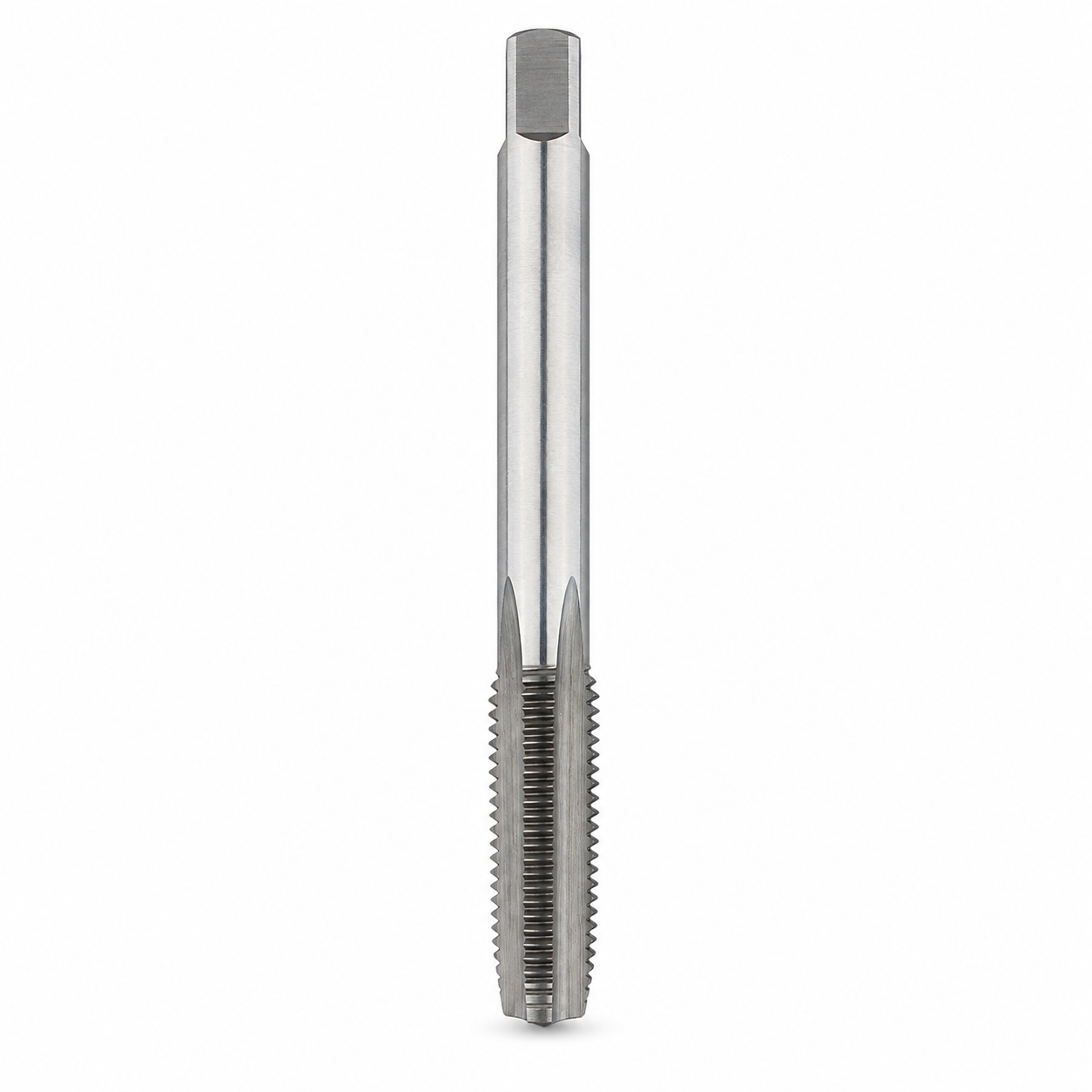 British Taps (BSW/BSF)
The specialized Whitworth profile. You rely on these to manufacture replacement parts for specific heavy machinery or legacy equipment.
Plug Taps By Tool Material
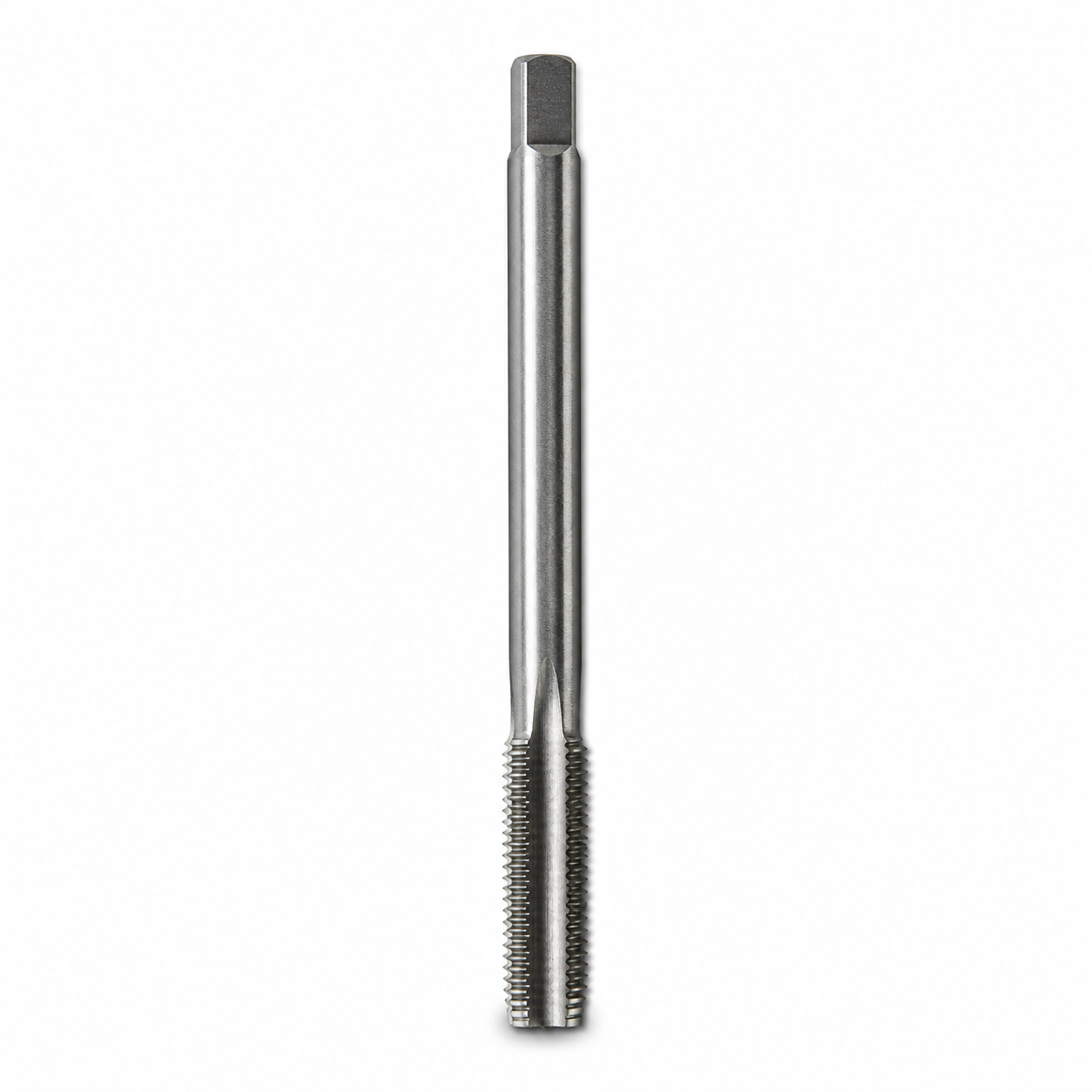 Alloy Tool Steel
Highly flexible steel. You use these specifically for manual hand-wrenching, basic maintenance repairs, or cleaning out damaged threads.
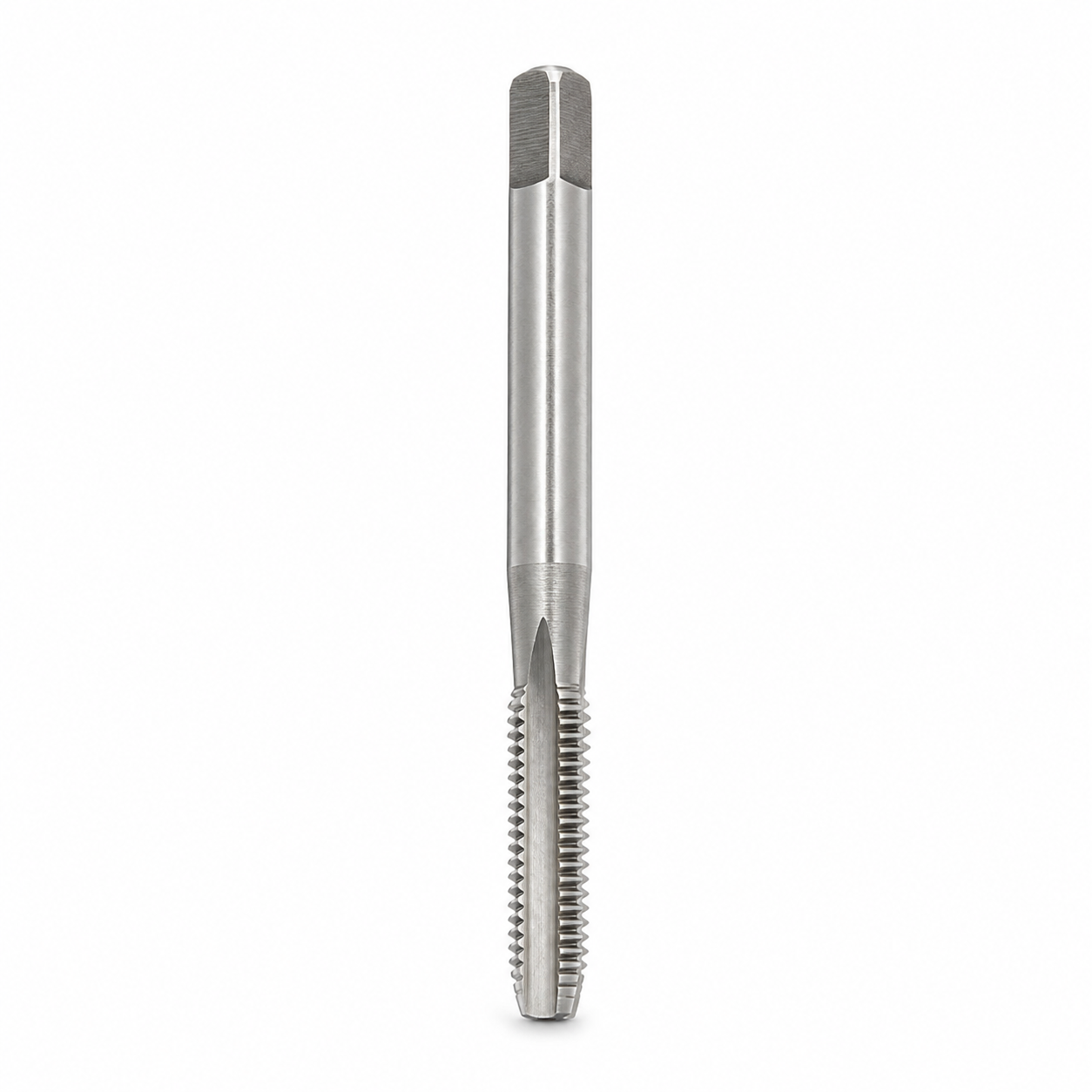 Standard HSS
Built from industrial high-speed steel. You rely on this as your standard, everyday tool for basic machine tapping and general metal production.
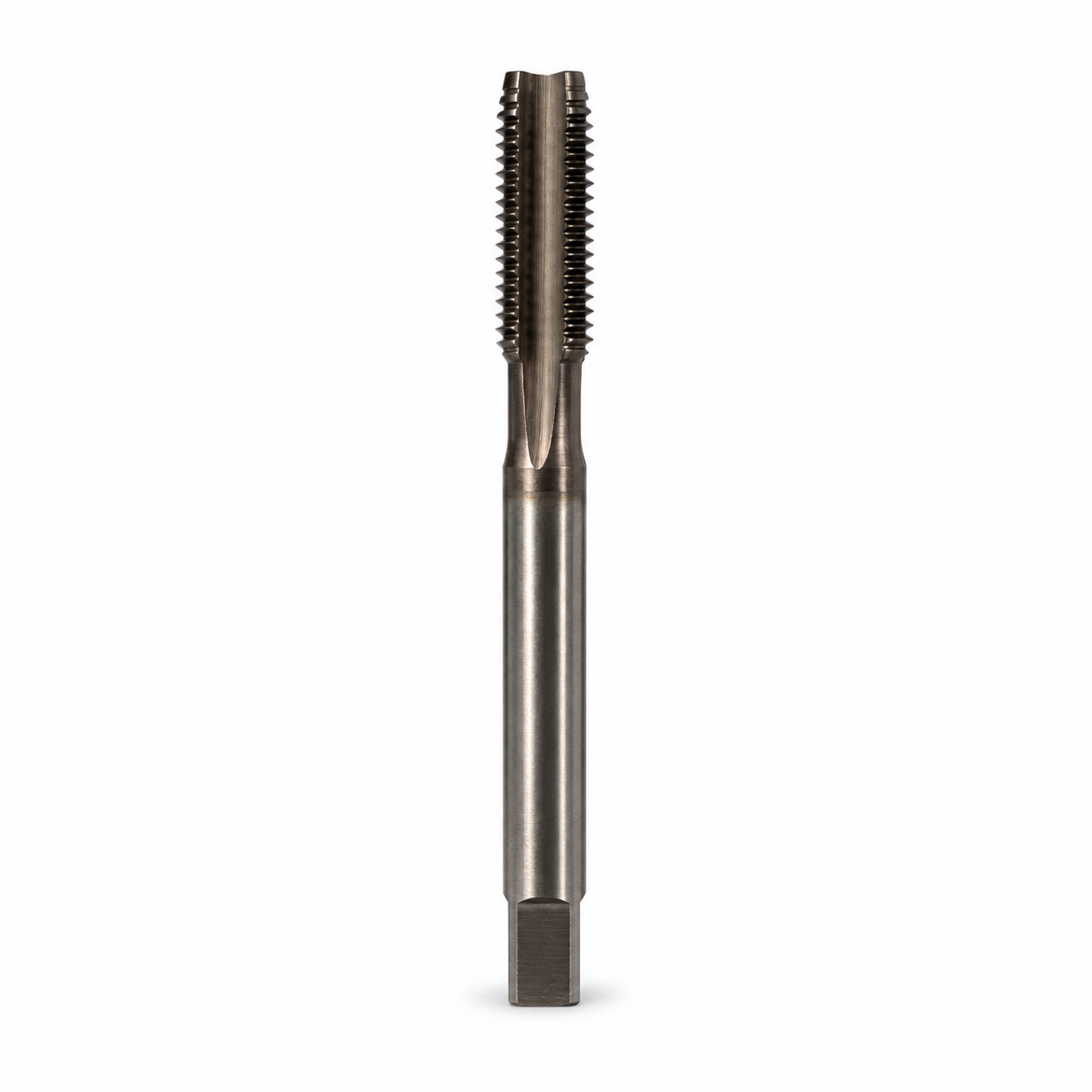 HSS-E (Cobalt Steel)
Upgraded with tough cobalt. You must run these to cut through hard, abrasive alloys like stainless steel without snapping the cutting teeth.
Plug Taps By Surface Finish
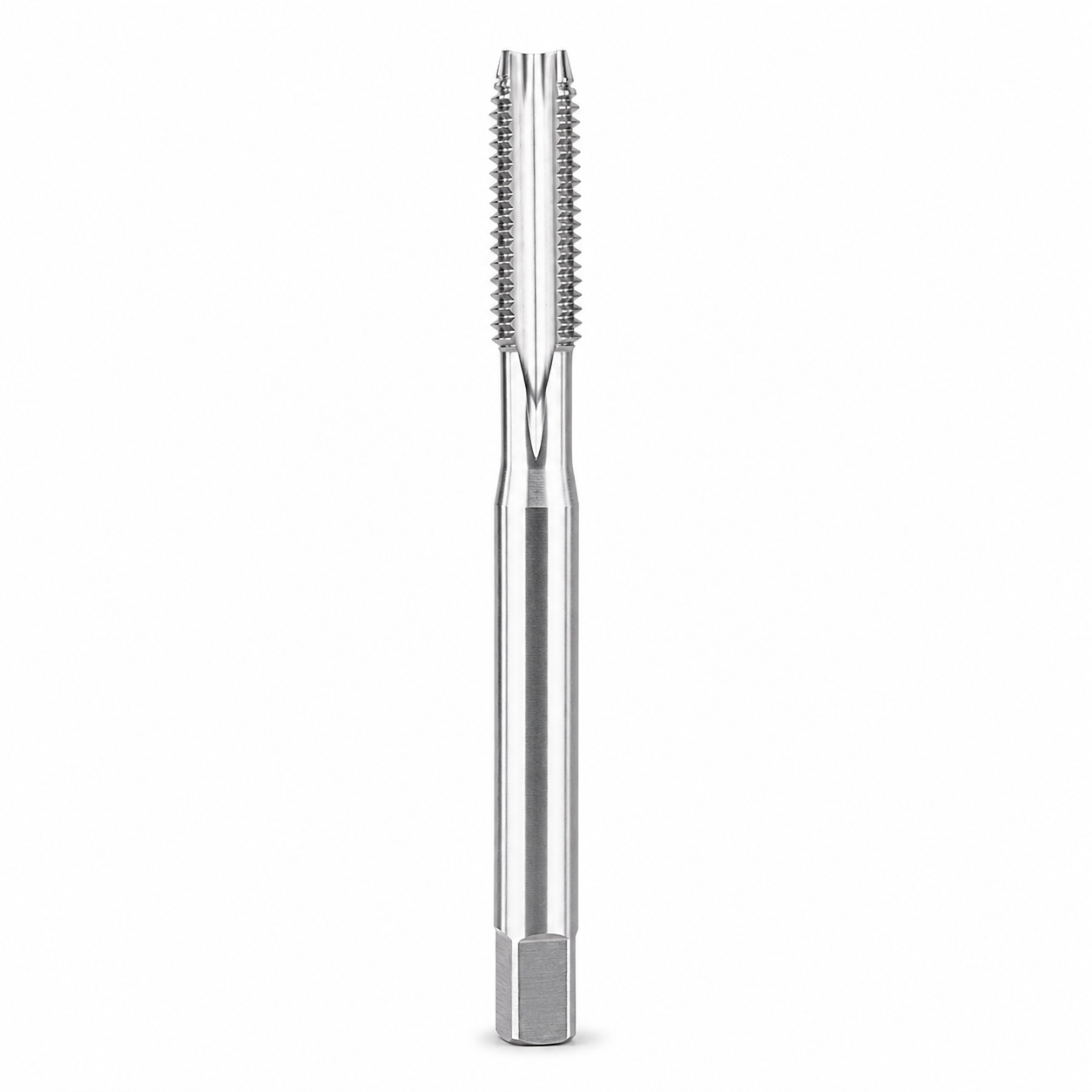 Bright Finish (Uncoated)
Bare, highly polished grooves. You choose this to thread soft, non-ferrous materials like aluminum, brass, or plastics.
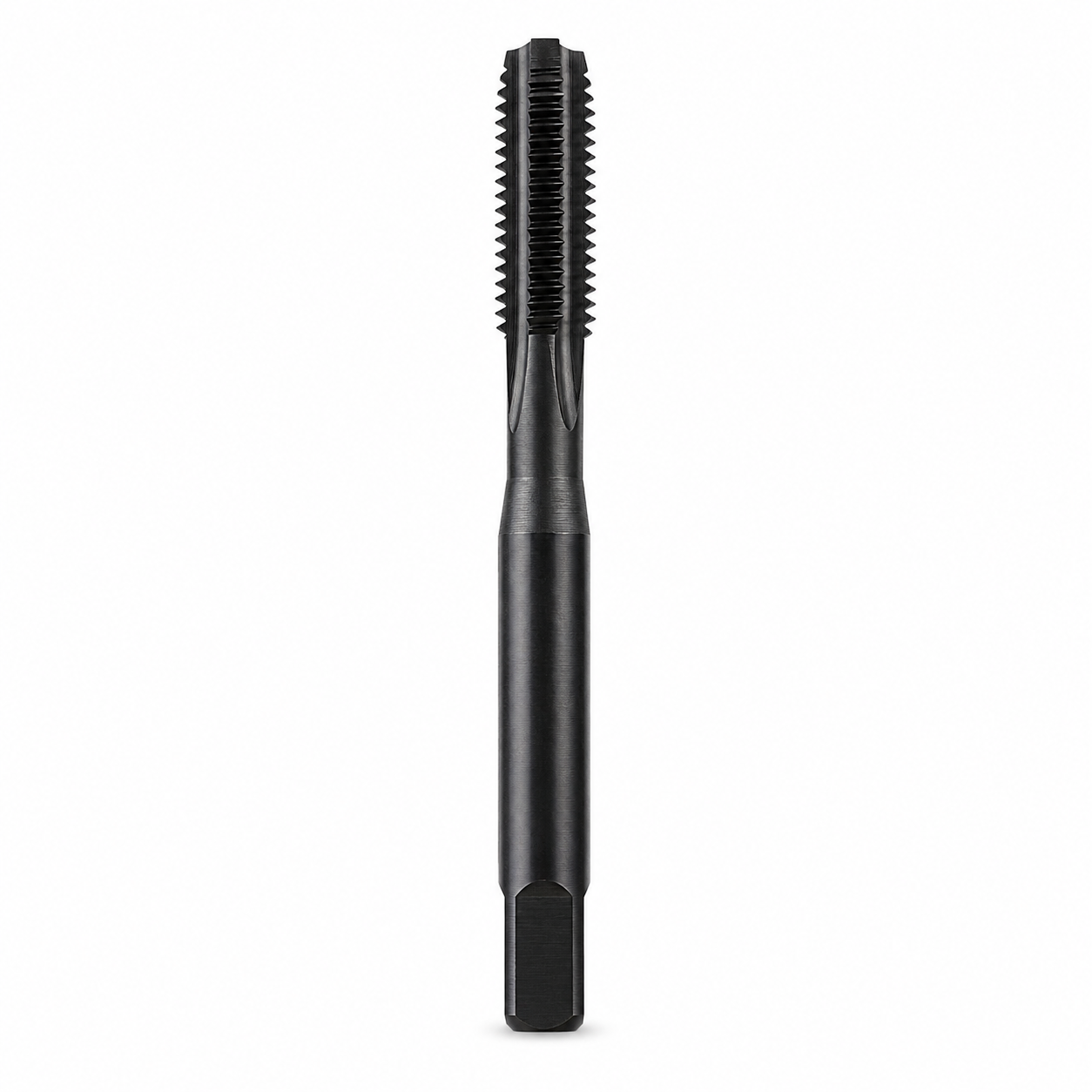 Steam Oxide (Black Finish)
Treated to absorb and hold cutting oils. You use this for general iron and carbon steel to reduce friction and heat during the cut.
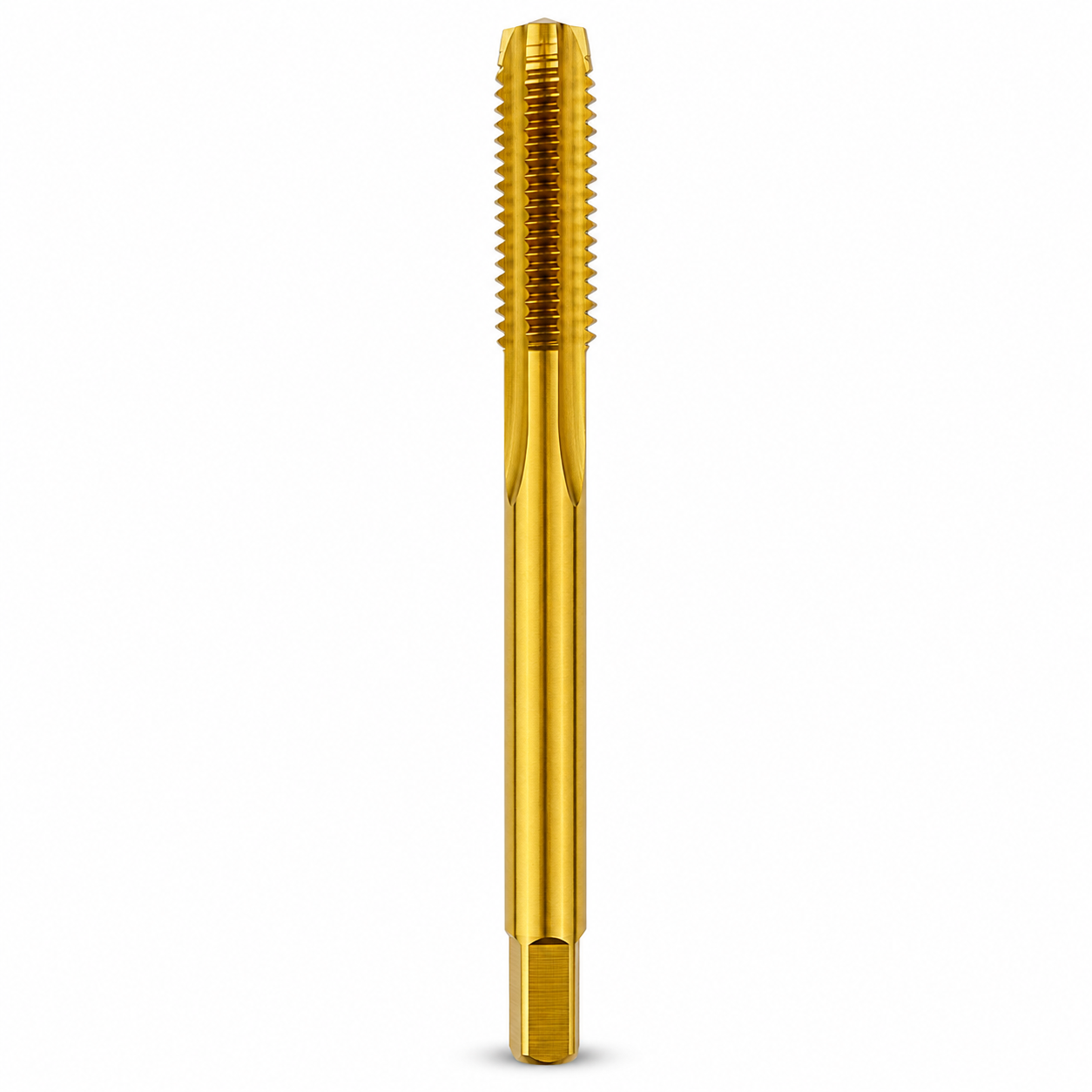 TiN Coated (Gold Finish)
Upgraded with a hard thermal shield. You need this to protect your tap from extreme temperatures when mass-producing parts on your machines.
Why Choose Hanöki Plug Taps
Because the flutes are completely straight and open, your maintenance team can easily regrind the dull cutting edges. This allows you to reuse the same tools multiple times for everyday jobs.
We machine the cutting teeth to exact pitch limits. Every internal thread you cut will easily pass strict Go/No-Go gauge inspections, ensuring your assembled parts meet critical industrial safety standards.
These tools have straight flutes, so you can use them with confidence on a hand wrench, a regular drill press, or a heavy CNC center. For simple setups, you only need one kind of tool.
We only do precision threading because we are a business that makes special hole-making tools. Professional-grade plug taps are made by real experts who know exactly what you need to machine.
On our production lines, we use high-tech vacuum ovens to harden the steel. With this exact temperature control, you can be sure that your tools will be able to handle heavy torque from machines and wrenches without breaking.
We change the times we make things to fit your exact business plan. You can count on reliable delivery whether you need a small test batch for a new project or a huge order for mass assembly.
Perfect for Short-Chipping Materials
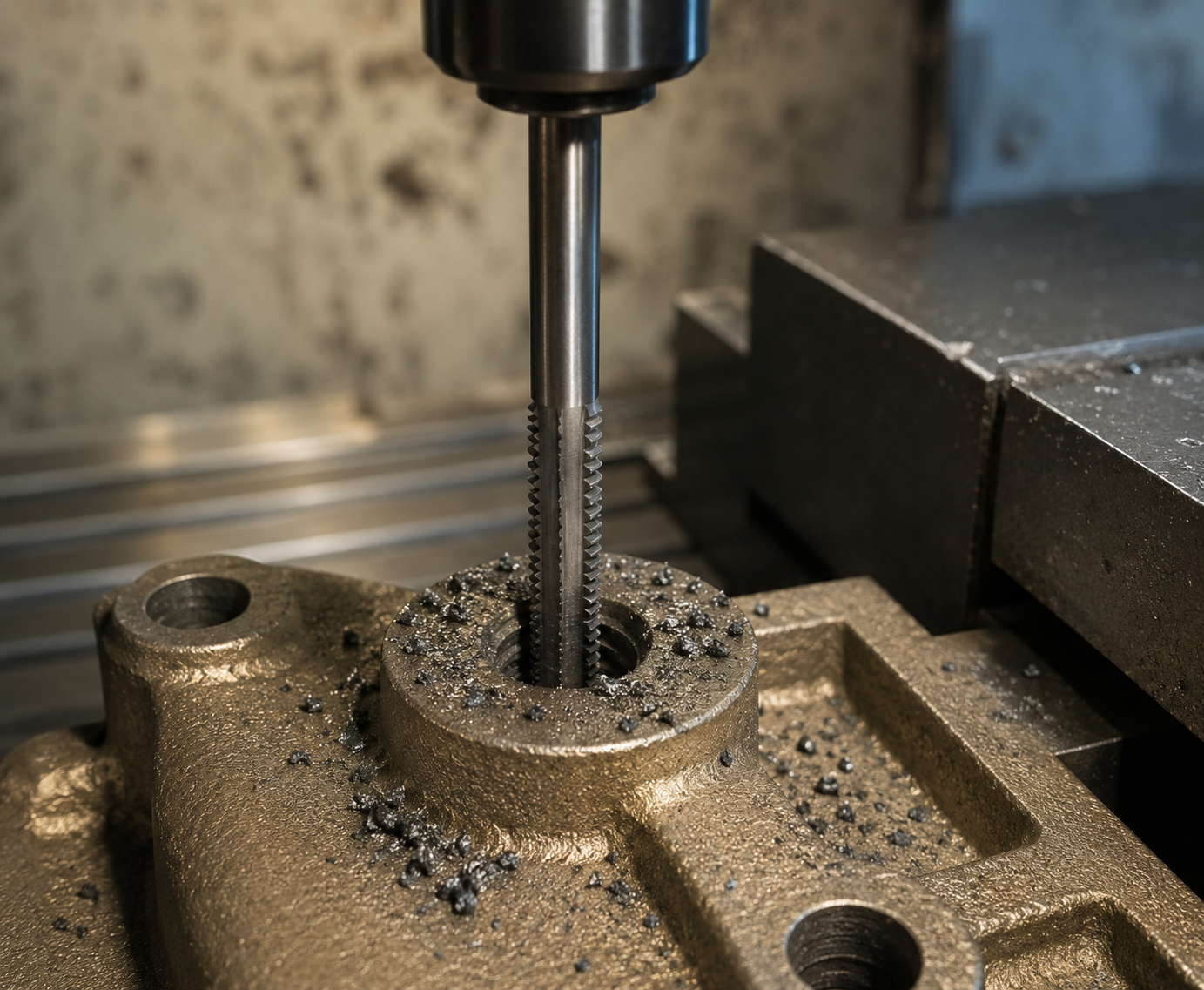
Cast iron or brass is brittle, so when you machine it, the metal doesn’t stay in long, sticky strings but instead turns into fine powder. The right tools for these jobs are plug taps. Their straight flutes naturally pick up the dusty metal waste without having to do a complicated spiral lifting action. This means that your cuts will be very clean.
Lowers Your Bulk Tooling Costs
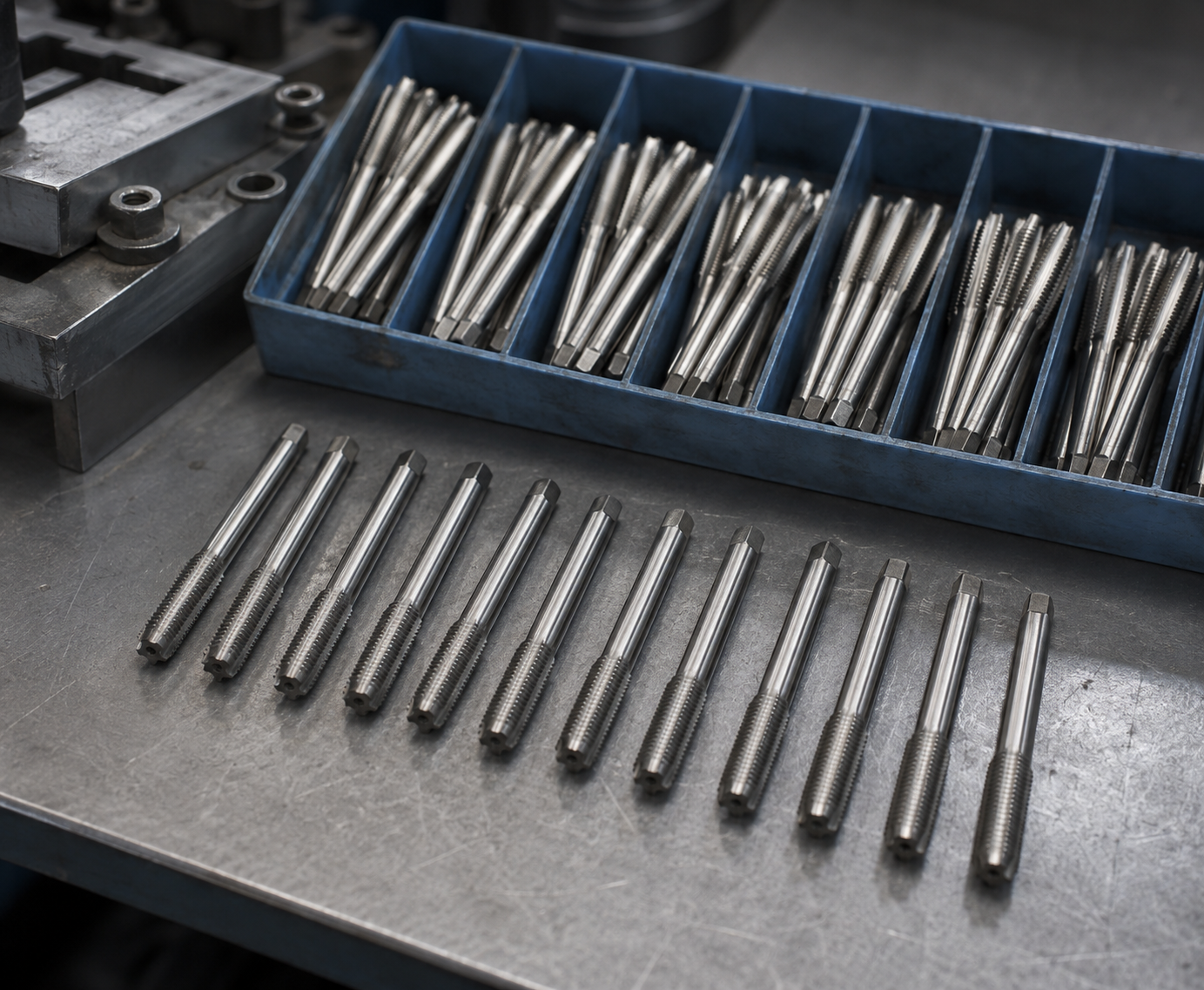
Buying pricey, high-tech CNC tools is a waste of money if your plant threads thousands of simple, everyday holes. Plug taps are very cheap to make because they have a simple, classic shape. You get solid, reliable daily threading performance while cutting your factory’s mass-tooling costs by a huge amount.
Makes Manual Chip Breaking Incredibly Easy
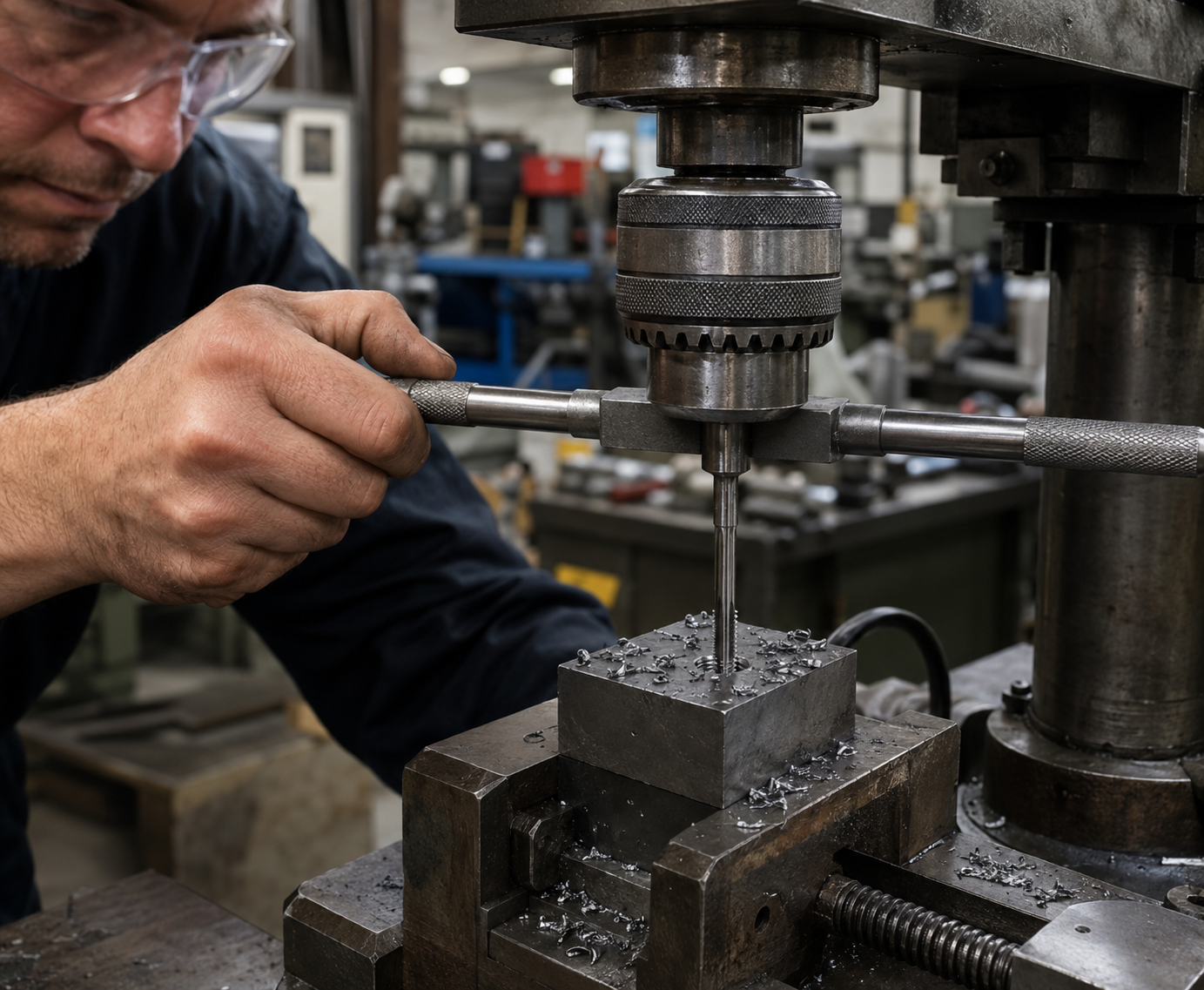
When threading tough steel on a normal drill press or manual lathe, the spindle needs to be turned over a lot to get rid of the metal shavings. When you turn the plug taps around the other way, the straight cutting edges break the chips neatly. This keeps dangerous metal ribbons from getting tangled up in your tool holders.
Reduces Axial Stress on Your Spindles
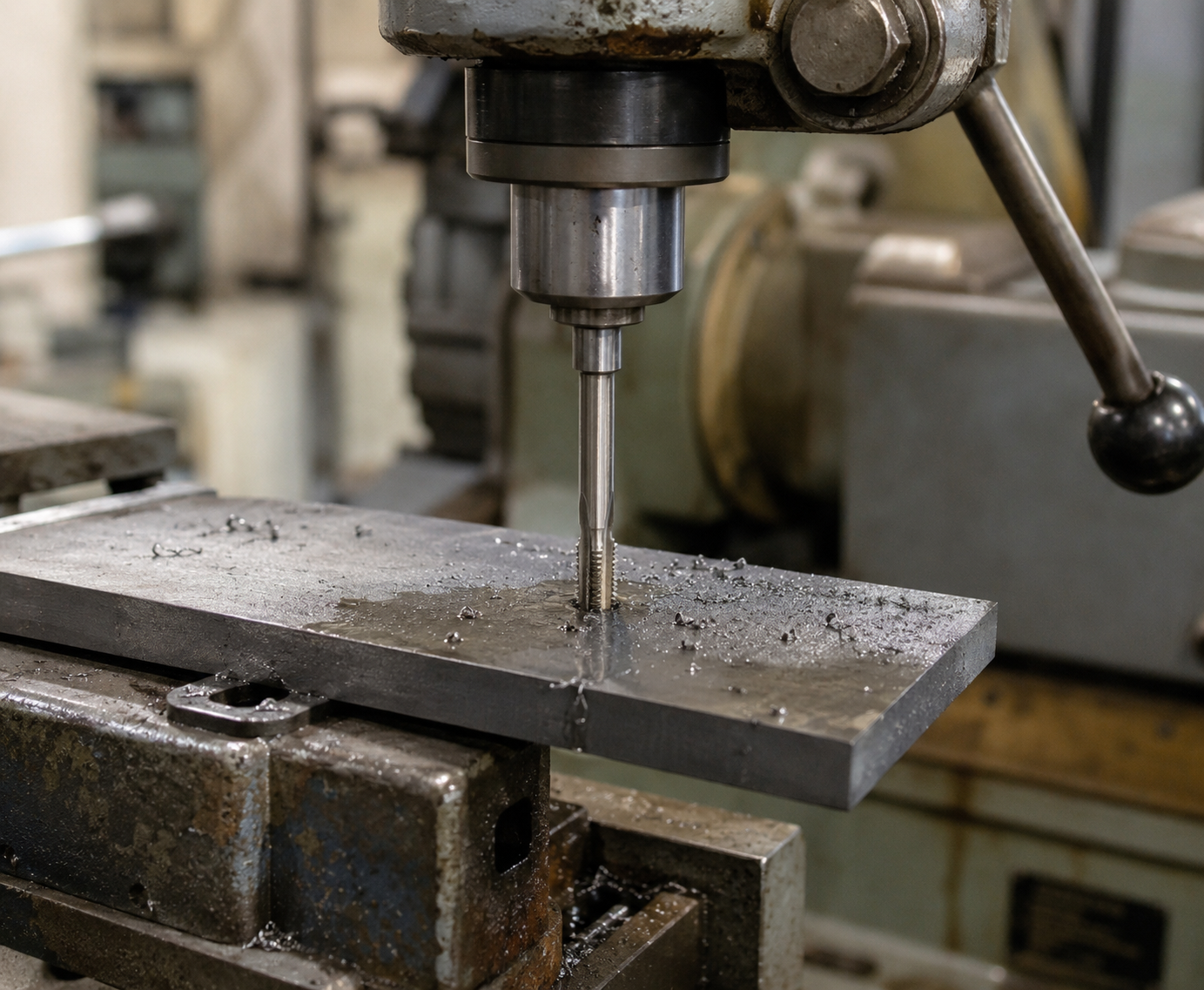
The straight blades of plug taps cut without actively pulling into the metal or pushing back against the machine, like spiral tools do. In other words, they don’t make strong forces that pull things up or down. Your older machines and manual setups are under a lot less rotational stress, which keeps your bearings safe.
Holds Heavy Cutting Paste Perfectly
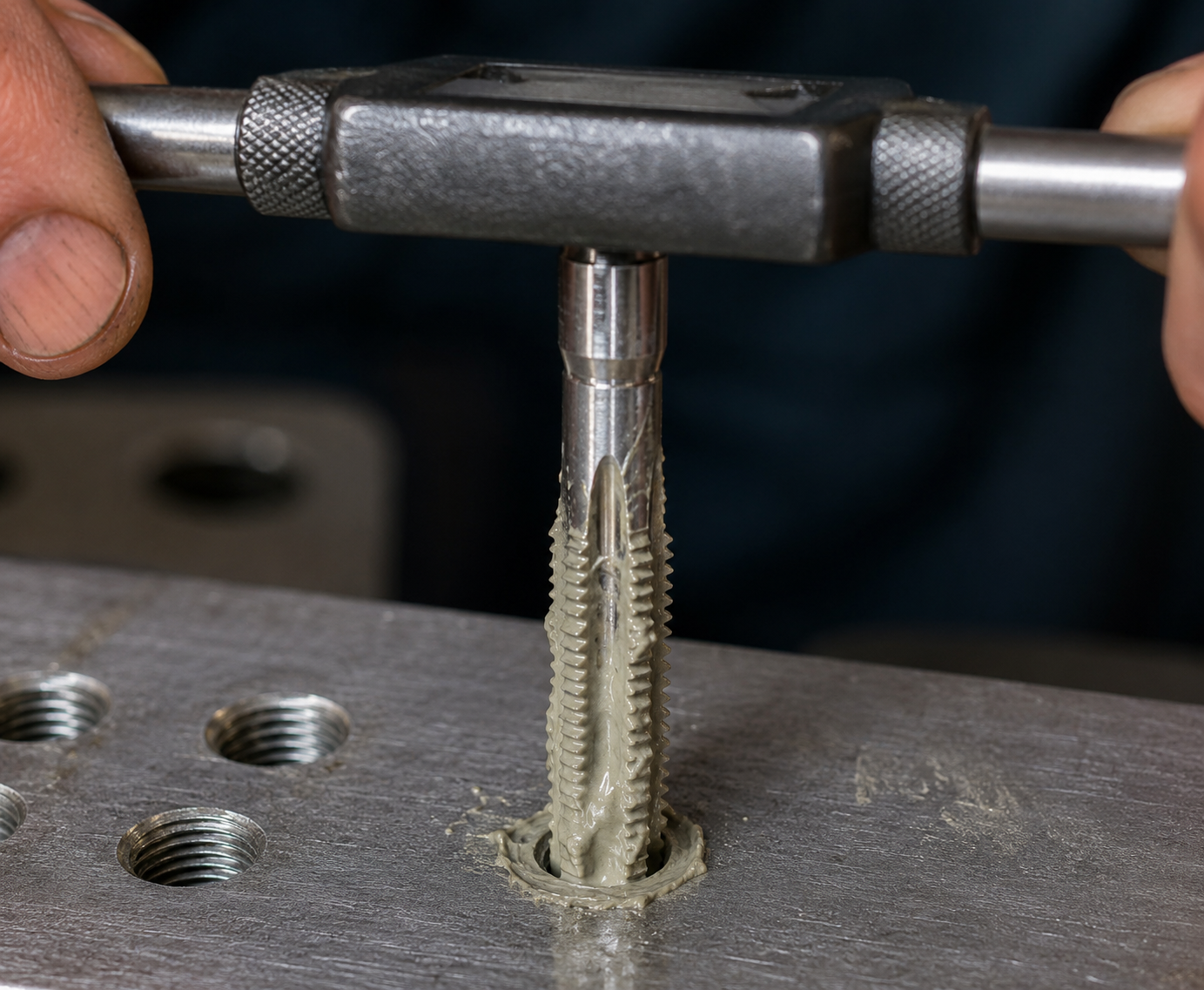
When your workers do slow-speed hand threading, they often use thick, heavy tapping paste instead of liquid coolant. Plug taps have deep, vertical tubes that work great as holding tanks. They carry the thick lubricant deep into the hole right next to the cutting teeth. This keeps the tool from rubbing against itself and makes it last longer.
Prepares Deep Blind Holes Safely
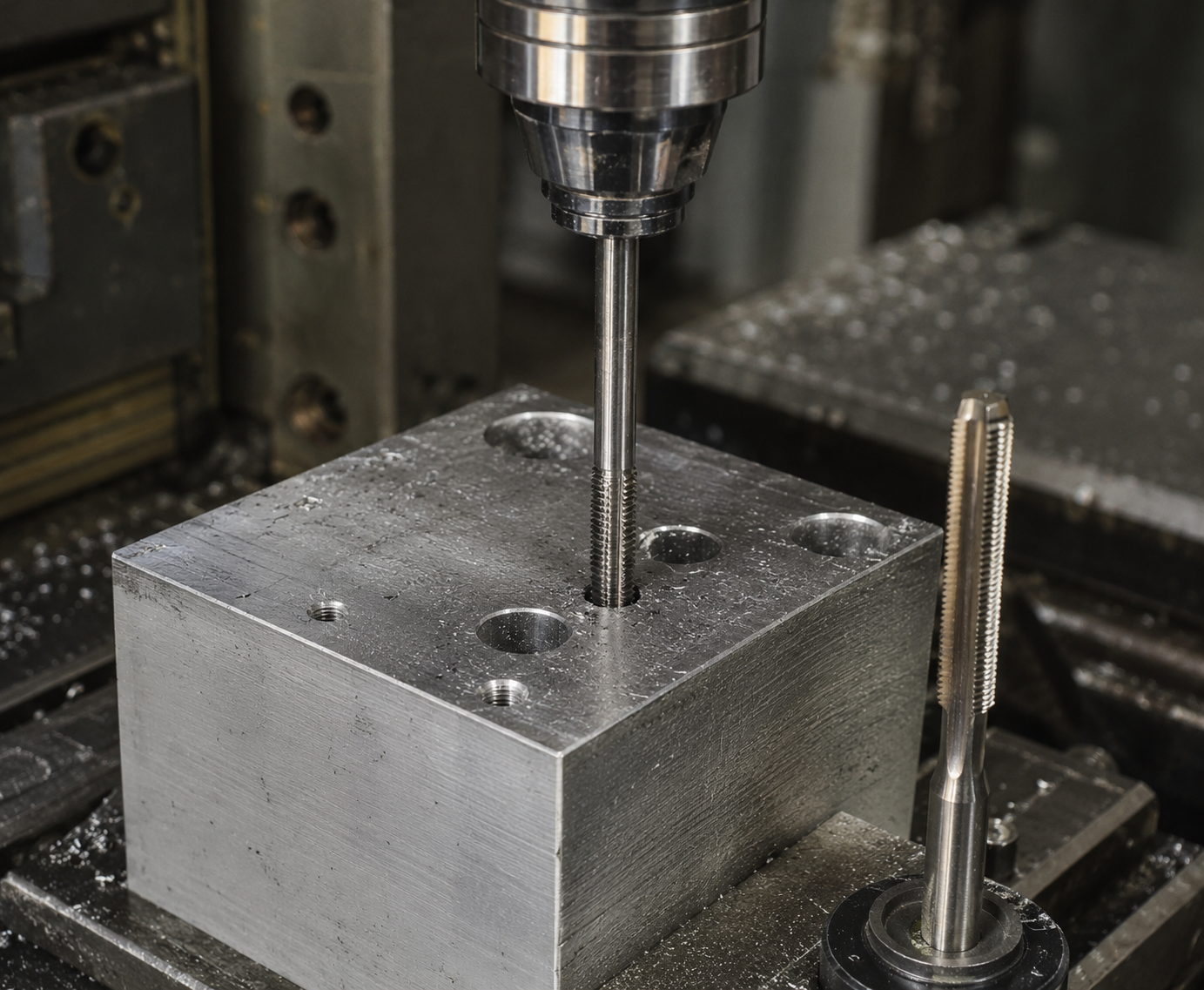
Starting the cut with a flat-bottom tool is risky and often breaks the tap when you need threads to reach the very bottom of a blind hole. First, plug taps are used to safely empty the top and middle parts. This makes the hole perfect so that the last bottoming tap can finish the job without breaking.
Your Direct Factory for Professional Plug Taps

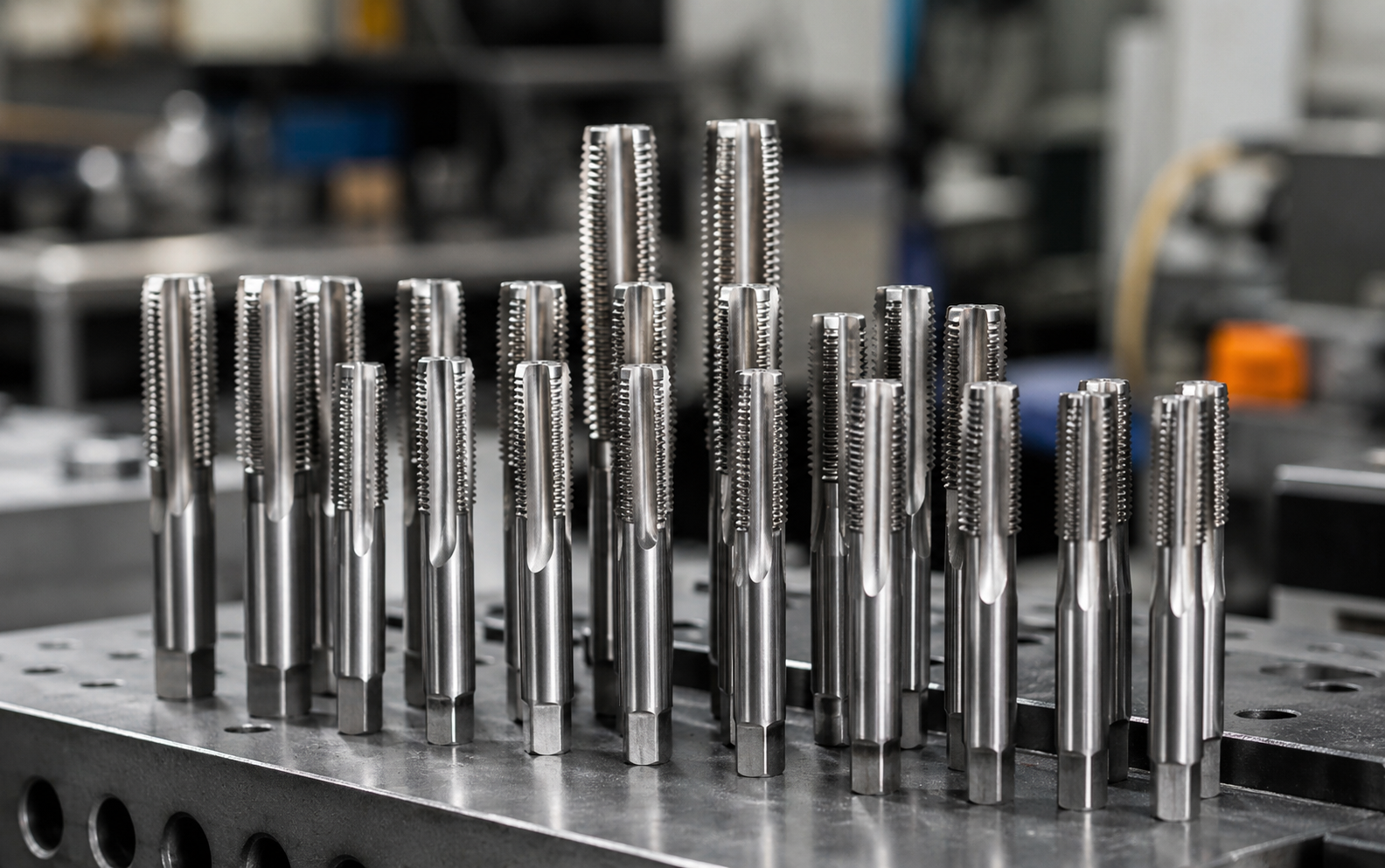
Our 25,000-square-meter factory has been making industrial-grade Hanöki plug taps for more than 30 years. We have tight control over the size and finish of every batch because our production lines use more than 20 high-tech CNC grinding tools. This makes sure that the tools you get have perfectly ground straight flutes and accurate starting chamfers. This way, you can thread things reliably every day, whether you use a machine or a wrench.
If you skip the middlemen and buy straight from our factory floor, you’ll get real industrial consistency. We keep a huge stock of standard plug taps, so your global bulk orders ship right away, and your daily assembly lines never have to stop. Our team of 10 senior application engineers is always ready to help your machine workers if they ever have trouble threading tough cast iron or short-chipping metals. We can give you the tough, flexible tools you need to keep your daily work safe and running smoothly.
Plug Taps Application Areas
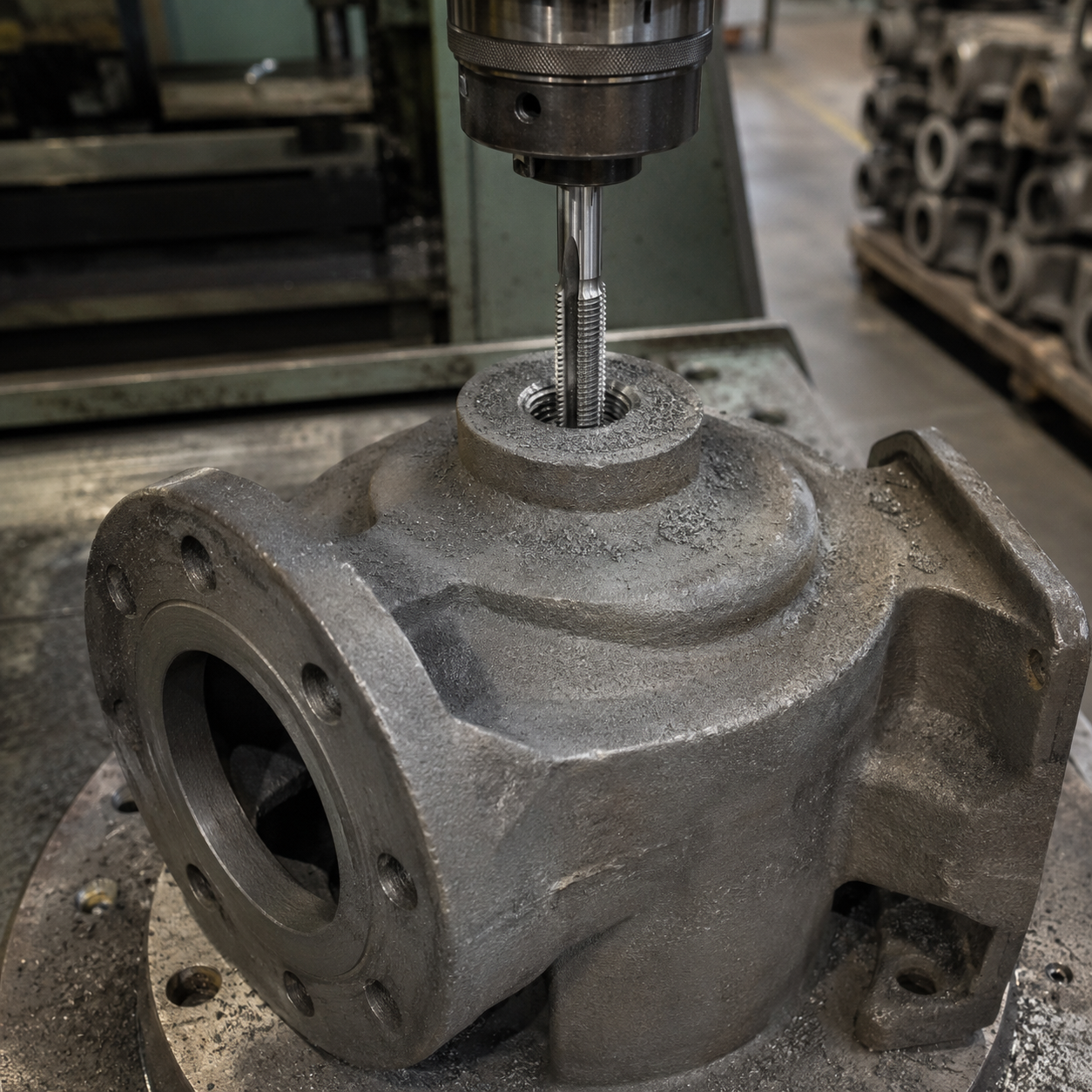
There are no long strings of metal when you machine cast iron housings for heavy valves or industrial fluid pumps. Instead, the metal turns into a fine, dusty powder. For this job, plug taps are the best tool. The powdery trash is easy for them to catch and hold in their deep, straight grooves. You don’t have to worry about long metal bands getting tangled up around your machine spindles, so the internal threads are clean and very accurate.
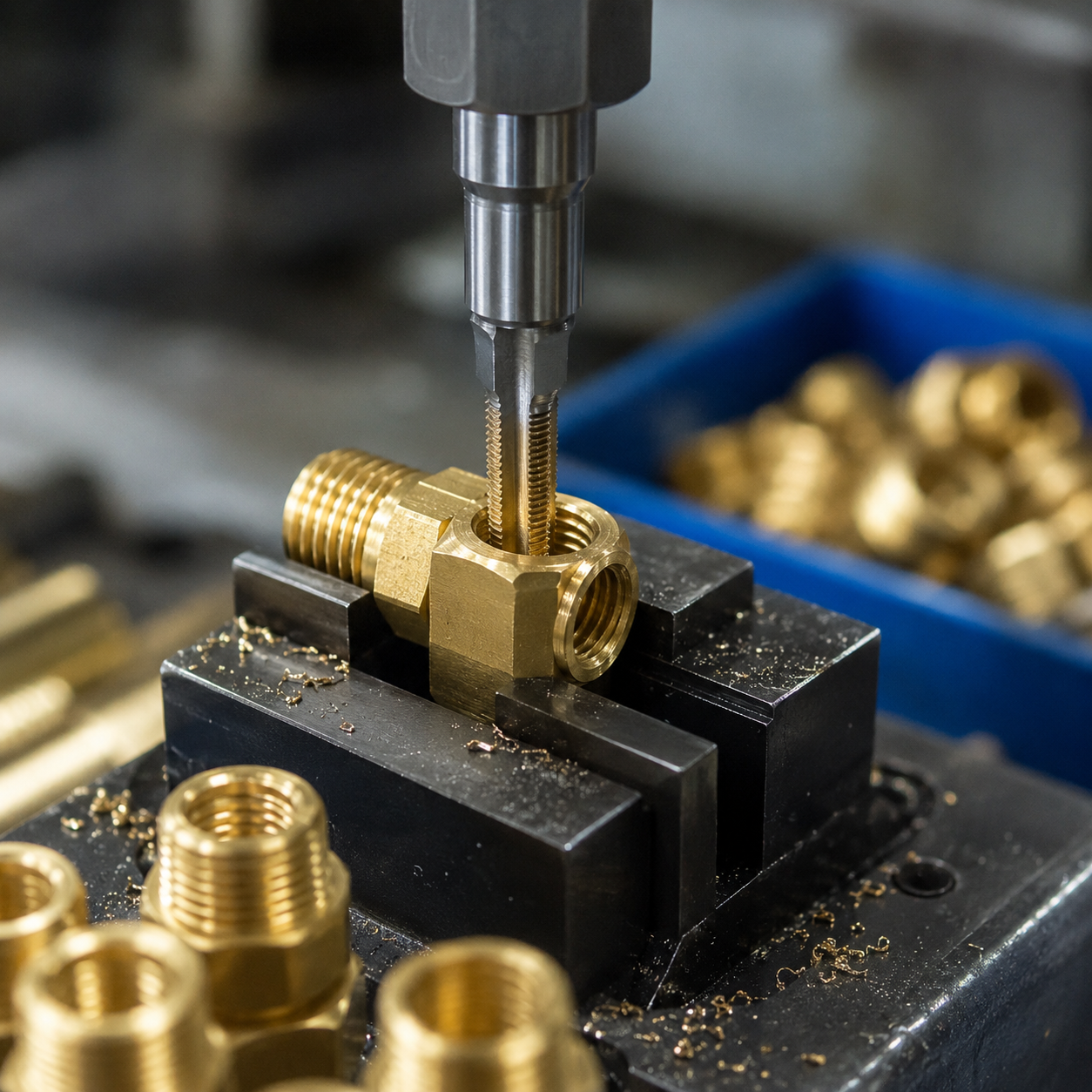
If your factory makes a lot of brass connectors, nozzles, or gas fittings, you are working with a metal that is very fragile and breaks into small pieces. Plug taps are used to thread these parts because the straight holes keep the small brass chips safe from the cutting edges. This guarantees that the threads on your high-pressure systems will be smooth and not leak.
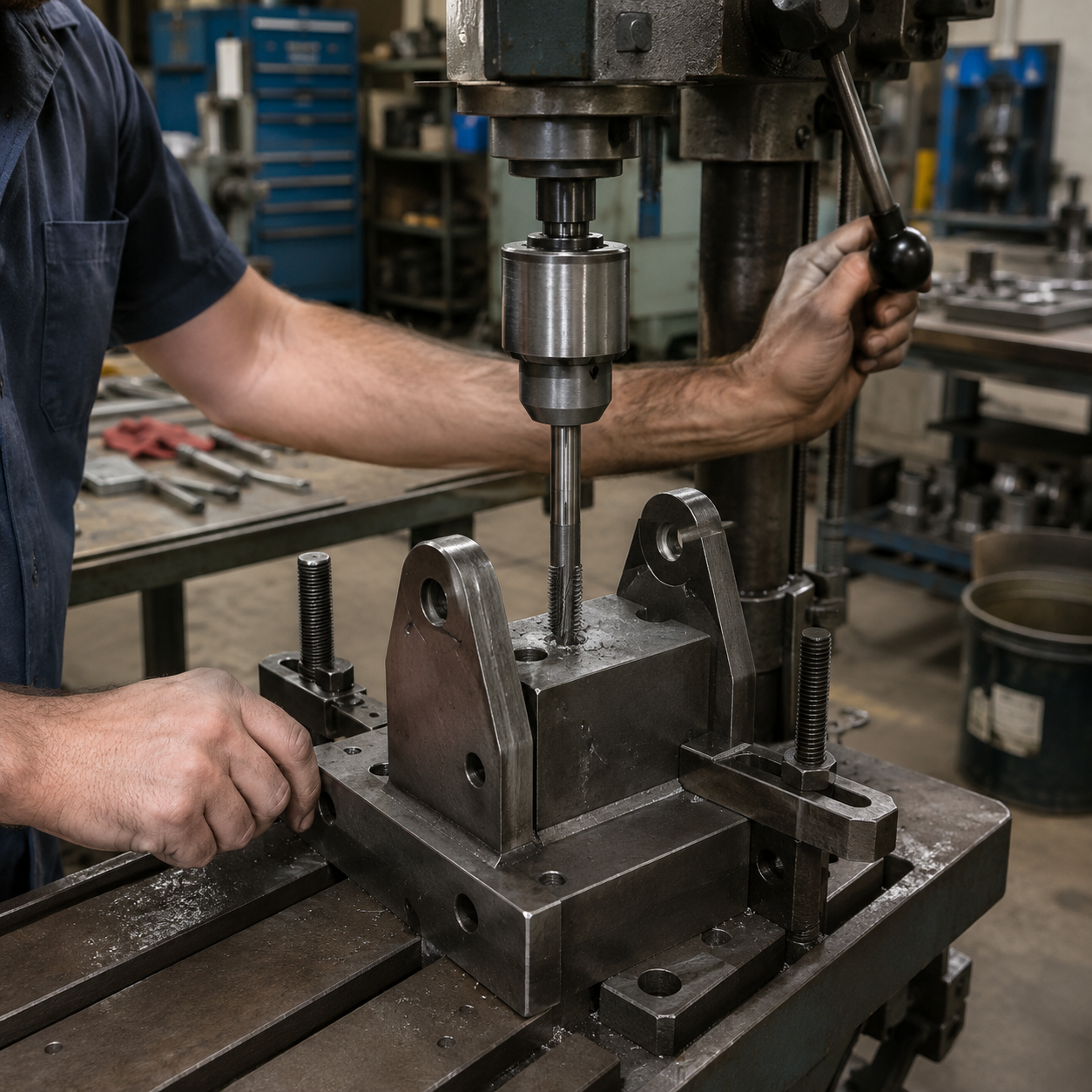
The internal tool room is always making new custom metal brackets, holding jigs, and welding fixtures to keep the mass-production lines moving quickly. Your machine operators use plug taps on their standard drill presses because these tools are very useful and can easily work with common steel. You don’t have to buy expensive, specialised CNC tools to keep your custom manufacturing going because you get a reliable, all-purpose threading solution.
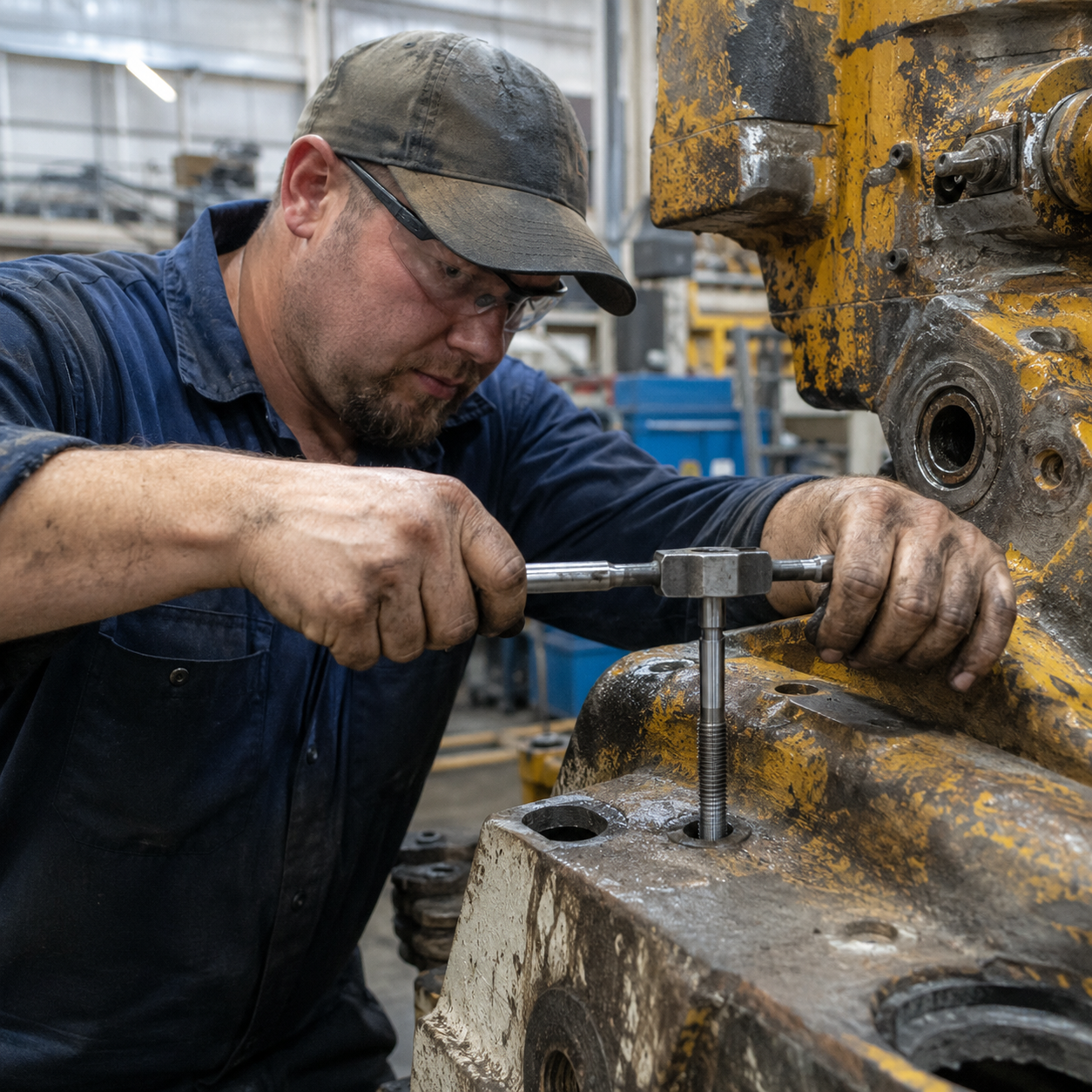
If a stripped bolt hole stops the factory assembly line, the repair crew needs to fix it right away. Because plug taps have a soft-starting chamfer, your mechanics can use a simple hand wrench to guide them in and cut new threads. Heavy machinery can be fixed on the shop floor instead of being taken apart, which saves hours of costly downtime.
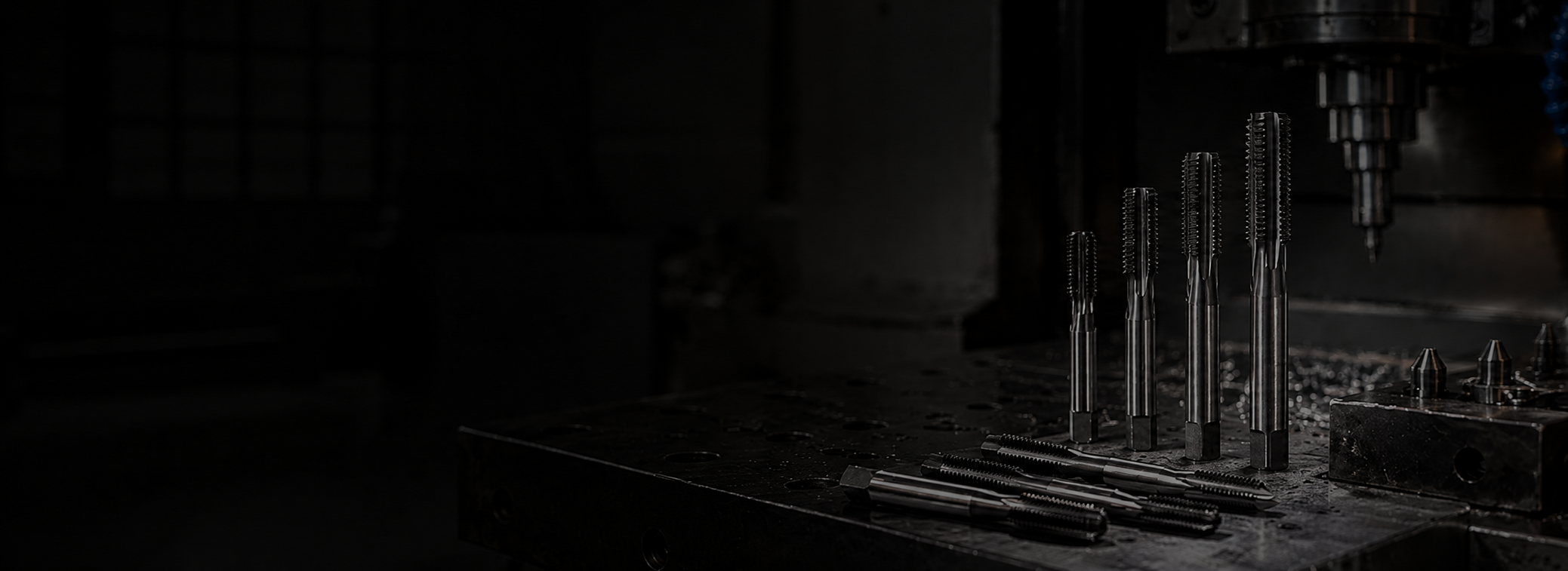
A plug tap is a basic threading tool that can be used for many things. It has tapered fronts with 3 to 5 chamfered cutting threads and straight flutes. This makes it easy to start a straight thread in a drilled hole.
In contrast to spiral tools, which move waste around, a plug tap just catches and holds the cut metal chips safely inside its straight vertical flutes while it threads.
Yes. When drilling holes, make sure the hole is deep enough to fit the 3–5 unthreaded chamfer teeth on the front of the tool. Then, use the plug tap for both open-through holes and blind holes.
Because it has balanced geometry, a plug tap can be used by hand with a wrench or in a normal drill press or CNC machine. This makes it the most useful tool you can use every day.
In general, the tip of a plug tap has three to five curved chamfer threads. At this angle, the cutting force is spread out equally, so you don’t break the tool when you first start to cut.
A taper tap with 8–10 chamfer threads is used to start threads slowly in very hard materials. When you need to tap something, you use a plug tap (3-5 chamfer threads). It cuts full threads much faster than a taper tap.
A plug tap is used to safely cut most of the threads. This type of tap is only used when you need to cut threads all the way down to the flat bottom of a blind hole. It has 1-2 chamfer threads.
A spiral point tap is better for a high-speed CNC because it sends chips out the bottom. With a plug tap, you can do general physical work or work on cast iron more safely and for less money.
It works best for deep blind holes because it pulls chips up and out. Because chips won’t fit too tightly in a plug tap’s straight flutes, it can only be used in shallow blind holes.
Not at all. You don’t need a taper tap first in most standard steels, brass, and aluminium because the 3-5 thread chamfer on a plug tap is soft enough that you can start the hole right away.
Yes. Instead of long lines, cast iron breaks into a rough powder. A plug tap is the best tool for this job because its straight flutes can easily catch the metal dust and don’t get clogged.
Of course. When you cut brass, you get short, brittle chips. These small brass chips fit perfectly into the deep, straight holes of a plug tap. This gives you smooth, clean threads on the inside for plumbing or gas parts.
Yes, but be careful. Alum is soft and sticks to things. For the aluminium not to melt and join with your straight flutes, you should use a bright-finish plug tap that isn’t coated and a lot of cutting fluid.
When you work with sharpened steel, regular HSS tools will break down quickly. To cut tough alloys safely, you need to get a plug tap made of solid carbide or cobalt (HSS-E) to handle the high friction.
It works really well. The straight blades of the plug tap make it easy for the plastic waste to move away from the cutting edges, so it is safe to cut clean threads in plastic parts.
Yes. When making a lot of things, spiral taps work faster, but a plug tap is easy to program into your CNC cycles for general-purpose threading, short-chipping materials, or making custom fixtures.
Coolant is helpful if you are using a CNC to run it. But thick tapping paste is easy to use for tasks that need to be done by hand or slowly. The plug tap’s straight flutes move the thick paste deep into the hole.
Yes, if you are tapping by hand or cutting tough steel. To cut, turn the plug tap forward and then backwards by half a turn. This turns the metal chips into small pieces that can fit safely inside the straight flutes.
You need to drill the right pilot hole for the bolt to fit securely. How do you find this? Just take the outside diameter of the plug tap you want to use and remove the exact thread pitch.
If your CNC is completely in sync, you should use a rigid collet chuck to keep tools from breaking on the machine. You need to use a floating tap holder on older machines to take the pressure off the plug tap.
Most of the time, your plug tap breaks because the straight flutes are full of chips, you hit the solid bottom of a blind hole, or you started the tool at an angle that wasn’t straight.
If you let the plug tap wobble as it goes into the metal, if the pilot hole you drilled before is too big, or if your tool’s cutting teeth are dull from too much use, this will happen.
Most drill bits won’t work with this tool because it’s made of tough industrial steel. You need to use a special tap extractor tool or an EDM machine to get rid of the broken plug tap.
You need to make sure the tool goes in straight. Plug taps have a 3-5 thread bevel that will help you. To hold the tool dead center, you should always use a tapping block or a drill press.
If you notice that the tool needs more force to turn, if it starts to make a loud buzzing sound, or if your finished parts fail standard Go/No-Go gauge checks, you need to replace it.
How to Choose the Right Plug Tap for Your Operations
The fastest way to break a tap and throw away an expensive piece of work is to choose the wrong threading tool for the job. Specialised spiral tools are made to actively push out waste, but you need to use a plug tap when working with cast iron and brass that short-chip, or when you just need to thread something. You must use a plug tap properly because it only stores metal waste in its straight grooves. Heavy machine power will crush the packed debris and break the steel right away if you drive it too deeply into a closed blind hole without stopping to clear the chips. You can cut perfectly clean threads with this classic straight-flute tool if you match it to the right shallow depths and powdery metals. This will keep your factory from having to pay for expensive production breaks.