


Your leading High-Rigidity Threading Dies Manufacturer in China
- Clean Cutting Edge: It cuts through steel without tearing the metal tube.
- Stays Sharp Longer: They’re built to be super durable, so the cutting teeth will last a lot longer.
- Stops Annoying Jams: Wide holes fling out metal chips quickly to avoid blockage.
- Direct Factory Prices: Buy directly from Hanöki and cut out the middleman costs.
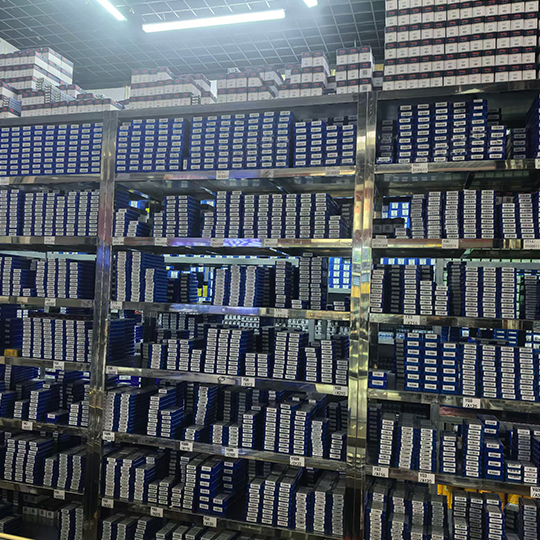
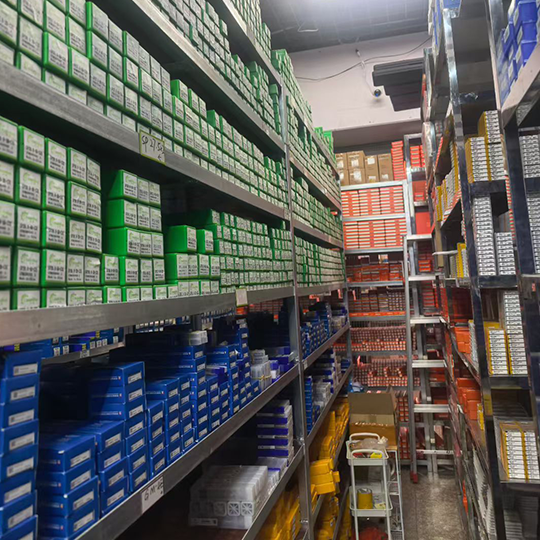
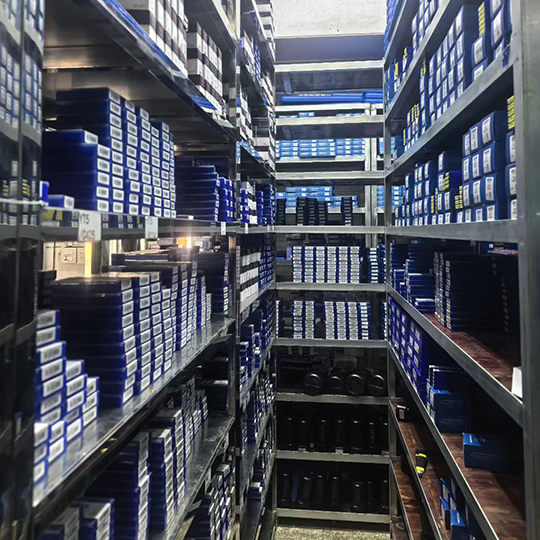
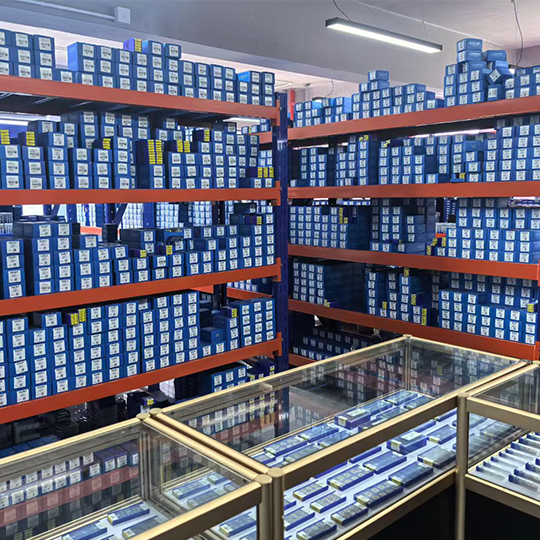
- Always Ready Stock: We have thousands of dies in stock, ready to ship.
- Real Shop Advice: Our experienced experts will help you to overcome difficult cutting challenges.
What Is a Threading Die?
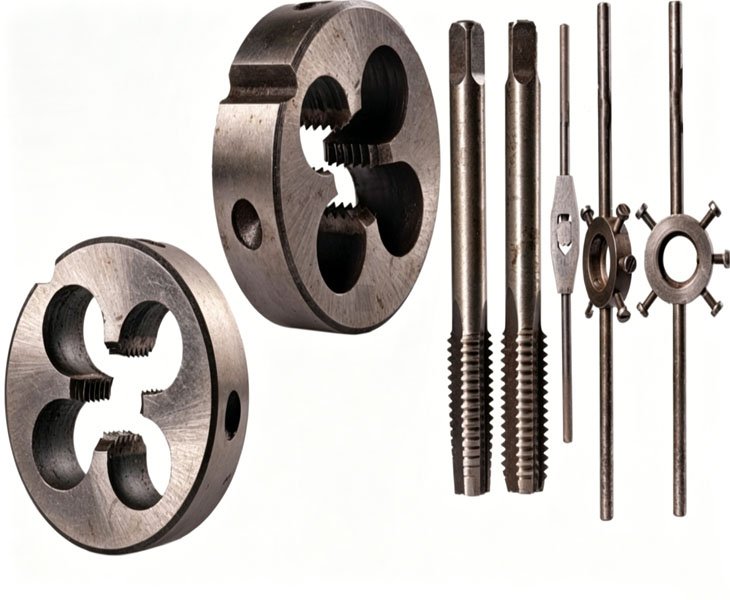
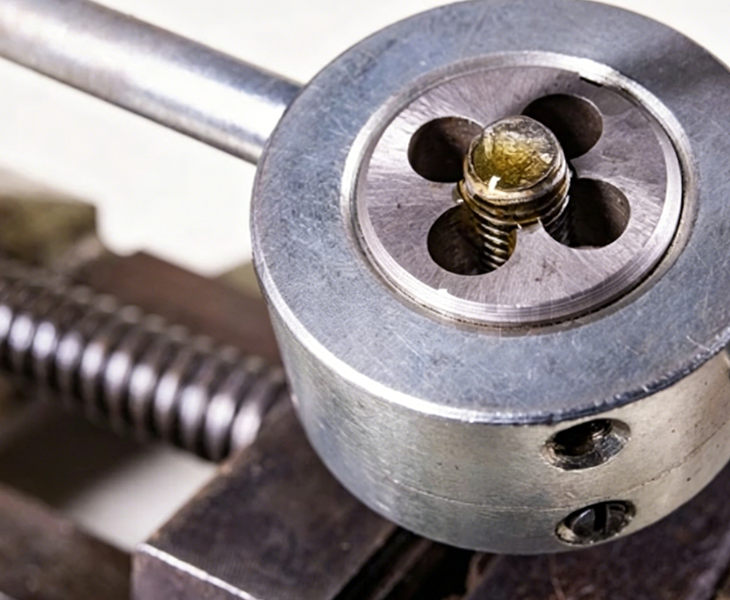
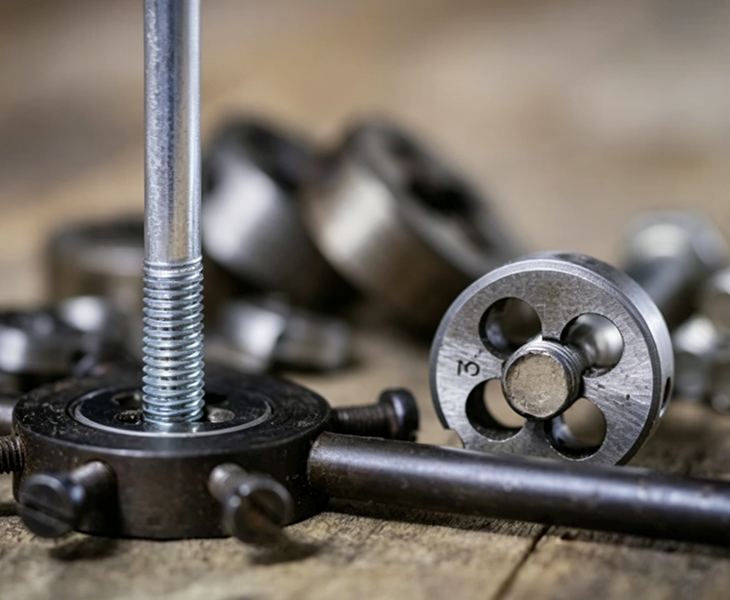
A threading die is what you use to turn a smooth, flat metal piece into a bolt that works. It’s like a big, heavy steel nut. But it doesn’t just screw on smoothly; the inside is lined with very sharp teeth that cut. These teeth cut a deep, even spiral thread right into the metal when you push and twist this tool down over the outside of a bare rod.
It’s the fastest way to make threaded rods to order or fix old, heavy nuts that got damaged in the shop. A big, pricey lathe machine doesn’t always have to be used to cut a simple thread. There are also open spaces inside a threaded die. So the tool doesn’t get stuck and ruin the cut, these holes let the metal chips fall out right away. This is a simple, useful tool that only does one thing: make sure that a standard nut will always fit perfectly onto your metal rod.
The Real Cost of Cheap Threading Dies
Making a thread on a steel stick might look easy, but if you use a cheap threading die, you’ll mess up your work very quickly. The main issue with low-cost dies is that their cutting edges wear out very quickly. They start to drag and tear big pieces out of the steel instead of cutting it neatly. The threads will be rough and torn, and the nut won’t turn on when you try to screw it on. Even worse, clearance holes in cheap dies are often badly made. The messy metal chips get stuck inside the tool and can’t get out. It doesn’t take long before the die gets stuck, ripping off the thread you just made and throwing away a good piece of metal.
When a tool breaks down on a busy shop floor, we at Hanöki know what to do. We test our threading dies on tough materials in our 25,000-square-meter plant to make sure they can handle being hit hard. The teeth on our dies stay very sharp and clean every day because they are made of high-quality, heavy-duty steel. We have been making things for 30 years, so we make these tools ourselves and sell them to you directly. You cut out the middlemen and their high fees. The prices are factory-direct, so you get strong, professional tools at low prices. This keeps your daily costs low and your shop going smoothly.
Threading Dies by Material
 Carbon Steel Dies
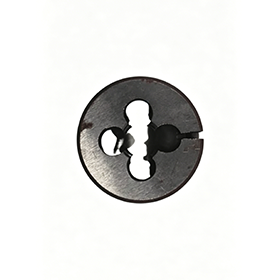
These are your simple, low-cost choice. They work great for cutting softer metals like brass or aluminum. They are also perfect for quickly fixing damaged threads every once in a while.
 High-Speed Steel (HSS) Dies
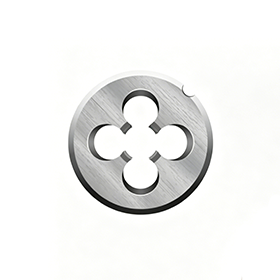
This is your tough industrial choice. HSS handles high heat and heavy pressure easily. You need these if you are cutting hard steel all day on a busy factory floor.
 TiN Coated HSS Dies
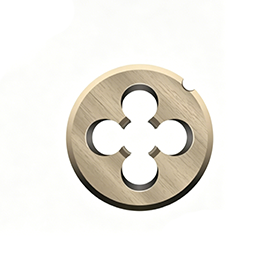
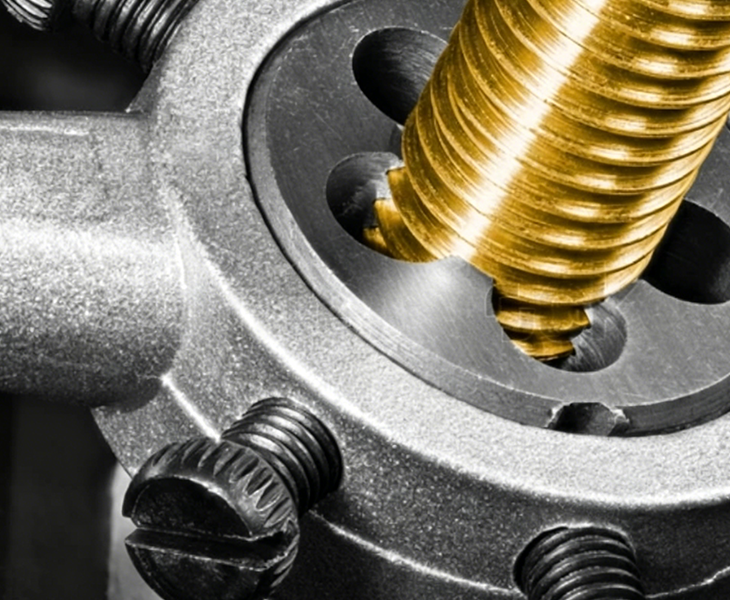
The gold layer stops sticky metal chips from welding to the cutting teeth. This hard coating reduces heat, making the die last much longer during heavy, continuous shop production.
Why Choose Hanöki Threading Dies
It’s annoying to have trouble starting a thread straight. The opening angle of our dies is ground so that they can grab bare metal right away. You won’t fall or damage the top of your stick.
When the thread is free, the bolt is weak and could break. We learned our trade by following strict international rules. This means that we can promise that standard nuts will fit securely onto your finished project and not move around at all.
If you put cheap, fragile dies in a machine, they will break in half right away. It doesn’t matter if you use a hand wrench or a machine with a lot of torque—the strong steel ring will stay together safely.
You don’t have to buy huge boxes just to get a good deal from the factory. You can buy smaller amounts of our tools to put them through their paces in your own shop before making a big switch.
Nobody wants a bad tool that ruins a Monday morning job. Before any box leaves our doors, we strictly inspect the cutting angles to make sure every die in the box is flawless.
We make it easy for you to buy tools to sell to other shops. We can quickly put your company’s name and part numbers on the metal with a laser before we pack them.
Rescue Damaged Bolts Fast
When factory machines are banged up, the threads of large bolts get destroyed. Instead of pulling apart the complete machine to replace a bent rod, merely run a Hanöki threading die over it. It re-cuts and cleans up the damaged threads in minutes so you can get back to work.
Works by Hand or Machine
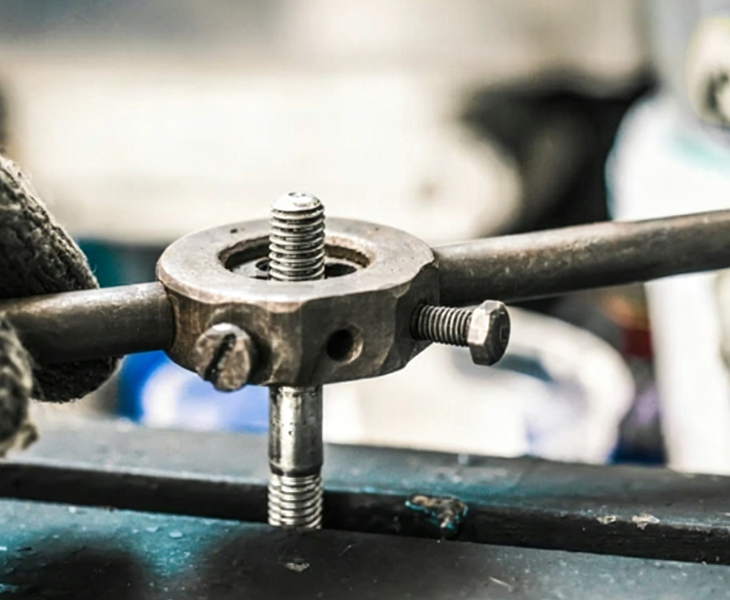
For making a simple thread, you don’t always need to spend time setting up a pricey CNC machine. These threading dies work great in a powered machine, but you can also easily twist them by hand on your dirty desk with a simple wrench.
Adjust for Thick Paint and Plating
When you finish painting or zinc plating a metal rod, a normal nut won’t fit over it because the paint or plating is too thick. With our threading dies that are customizable, you can cut the thread just a bit deeper, giving you the extra space you need for that thick coating.
Survives Extreme Friction Heat
A huge amount of heat is generated when you twist tight metal against metal. Cheap tools quickly lose their cutting edge when they get too hot. We treat our threading dies with heat to make sure they can handle high temperatures. This way, they don’t lose their sharp edge during long, heavy work.
Clear, Deeply Stamped Sizes
You shouldn’t try to guess the size of a dirty tool because shop floors are dark and oily. Our threading dies press the exact thread sizes and pitch into the steel’s flat face very deeply. It’s ready to read right away, so you can get to work by pulling out the right tool.
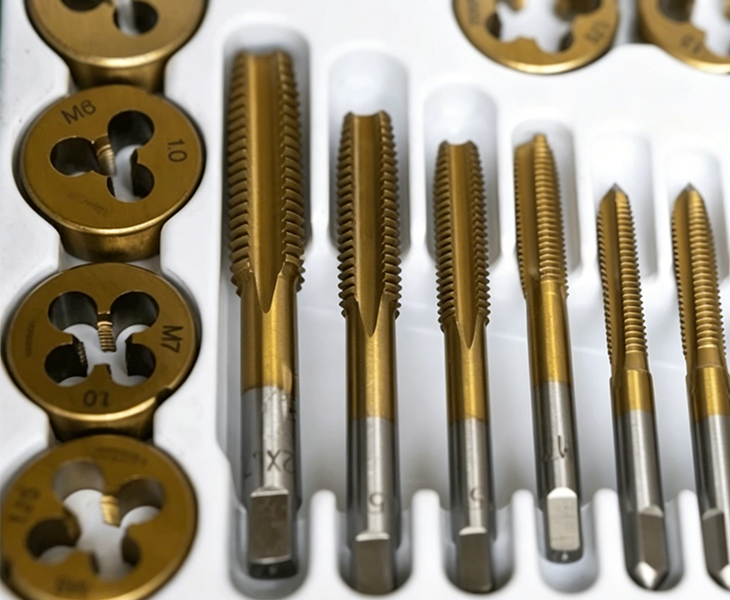
Your True Factory Source for Tough Threading Dies

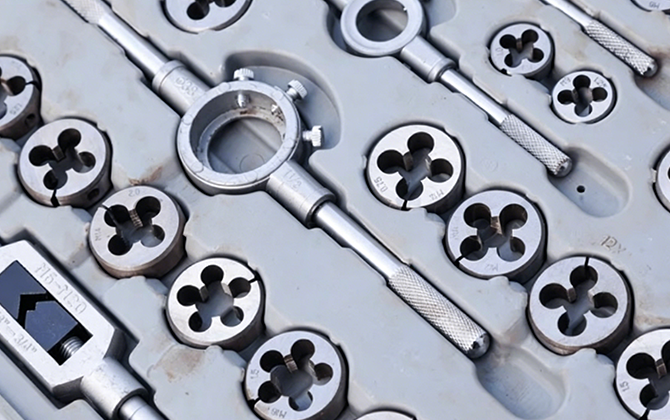
Making a threading die that cuts a clean, deep circle without tearing up a steel rod takes a lot of skill. In Hanöki’s 25,000-square-meter plant, we’ve been doing just that for about 30 years. We don’t give other shops the hard work to do. Every die’s cutting teeth are carefully machined, heated, and ground in-house. Before we put a tool away, we make sure that the edges are perfect and ready to cut through raw metal.
When you work with us directly, you don’t have to pay the high markups that tool selling companies charge. You can get heavy-duty industrial tools at prices that are very close to wholesale. There is a lot of pressure when carving threads, but our tools are made to handle the heat. Even after cutting tough carbon steel all day, the teeth are still very sharp. We also know that when your tool box is empty, you can’t make anything. That’s why we keep our stock full and ready to ship quickly around the world. Need to thread something hard or cut some strange metal? Ask. That’s why our 10 senior shop engineers are always here to help you finish your project the right way.
Threading Dies Application Areas
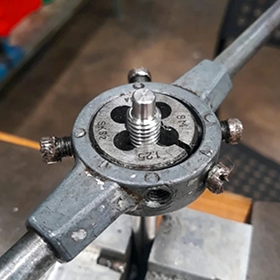
Before builders can pour the concrete base for a big building, they need thick, heavy steel rods to bolt down the huge metal columns. Most of the time, bolts from a hardware shop are not the right size. Threading dies are used in machine shops to make tough threads on the ends of long, bare steel rods. These threads are then used to make special anchor bolts that safely hold the building to the floor.
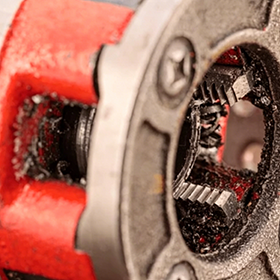
Big chemical or water plants use huge metal lines to safely move heavy gases and liquids across the factory. The ends of these pipes must fit properly into thick, heavy metal valves in order to connect them. Large threading dies are used to cut clean, deep circles into the thick pipes’ bare ends. This makes sure that there is a tight, flat seal that won’t leak even when the pressure is very high.
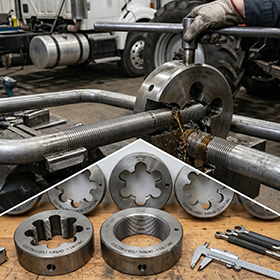
For heavy-duty work trucks and big farm tractors, workers need huge metal U-bolts to hold the heavy steel springs tightly to the wheels. They can’t just pick these up at the store because every handmade truck is unique. They use a threading die to quickly cut new threads onto both legs of thick, solid steel rods that are bent into a “U” shape. This makes a custom, heavy-duty clamp.
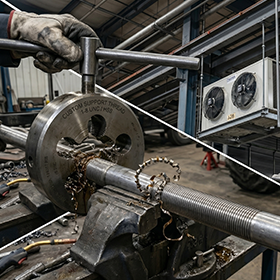
Factories often need to safely hang heavy things, like massive air conditioning units or heavy steel walkways, from the high roof. Instead of buying expensive, specialized long bolts, workers buy cheap, plain steel rods. Using a threading die, they can quickly run a thread down the entire length of the rod. This lets them screw on heavy nuts and adjust the hanging height of the equipment perfectly.
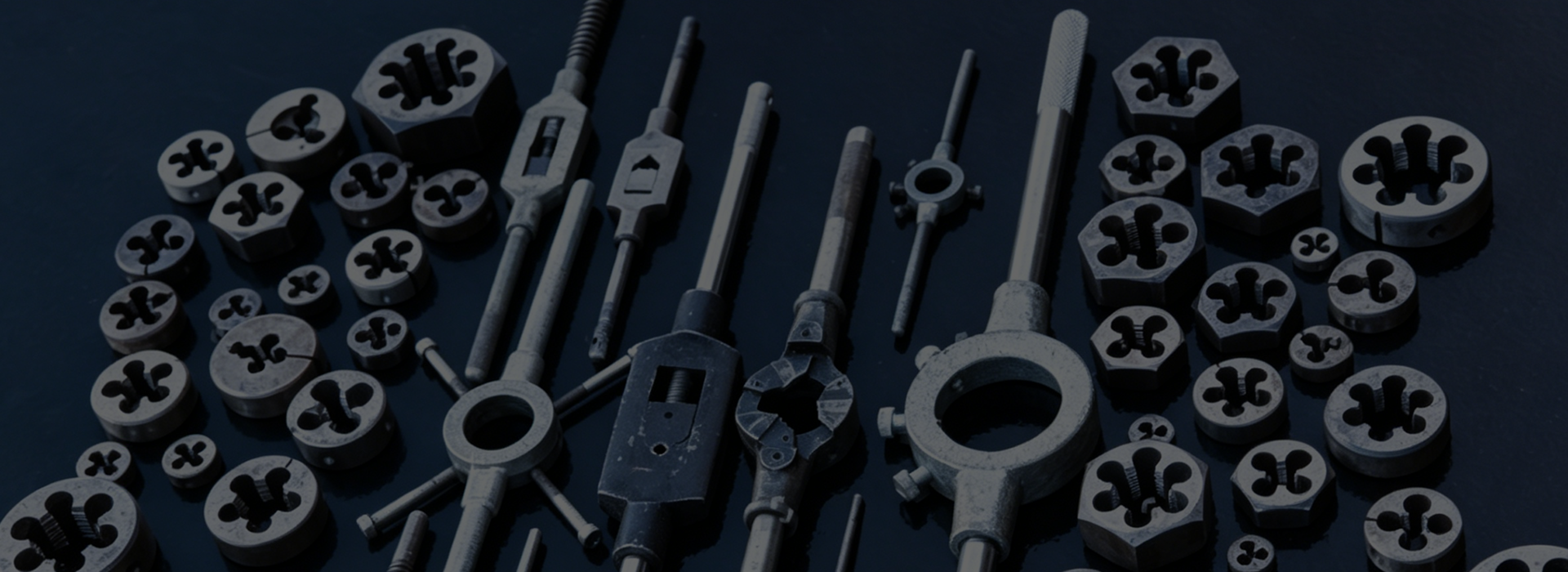
A threaded die is a tough, nut-shaped cutting tool that is used to make threads on the outside of smooth metal rods, pipes, or heavy pump shafts.
A tap makes threads on the inside of a hole that has already been drilled. Outside threads are cut into a solid metal cylinder or bare steel tube by a threading die.
There is a small gap and an adjustable screw on a split die. For the best fit, you can make the last thread a little tighter or looser with this.
This tool is mostly used for quick fixes. It looks like a thick hexagonal nut. To fix broken threads, you can turn it with a regular wrench.
The size and pitch of metric dies are measured in millimeters. Inches and threads-per-inch are used in imperial dies. The die and your bolt standard must always match.
Make sure the die size is the same as the width of your bare rod. Next, look at the thread pitch chart to make sure it matches the nut you want to use perfectly.
In the business world, HSS dies are tough tools. They stay very sharp even when they’re very hot, which makes them great for cutting tough stainless steel or doing a lot of work at once.
Low-cost carbon steel dies break down very quickly. Not good for hard metals like steel or iron, and only good for quick repairs once in a while.
Yes. Pipes follow the NPT or BSPT rules. Pipe threading dies are curved to make a seal that is tight and won’t leak for high-pressure water pumps and valves.
A metal stick that is 10 millimeters thick and bare is what you need. The die will get stuck and break if the rod is just a little too big.
Make a small angle on top of your stick with a file. Hold the die flat, press down hard, and slowly twist it to bite the metal.
On the side with a larger, tapered opening, you should look. This rounded side needs to go down first so that it’s easy to grab the straight metal rod.
Fasten the locking screws on the round die so it doesn’t move, then use the two long arms to twist it equally.
Twist it backwards a half-turn after cutting forward. This gets rid of the metal chips so they don’t get stuck and tear your brand-new threads.
Of course. Heat and friction are greatly reduced by thick cutting oil. For a smooth, clean thread that doesn’t tear the raw steel, it keeps your tool sharp.
You most likely have a dull die, are cutting dry, or are letting metal chips pack in tight. Clear the chips and add more heavy dark oil.
Either your bare rod is a little too thick, or you forgot to break the chips. Stop right away, twist backward to get rid of the jam, and grease it.
If you force dies over rods that are too big for them, cut them wrong, or use cheap, weak steel on very hard industrial materials like cast iron, they will break quickly.
It’s possible that your post is not deep enough. If you have a movable split die, turn the screw a little tighter and go over it again with the tool.
Yes. A heavy-duty square die cleans things. A safe way to get rid of deep rust and fix threads that are bent so you can quickly rebuild your pump.
Use a stiff wire brush to get rid of the metal chips. Before putting it back in your tools, spray it with a light oil that will keep it from rusting.
It depends on the metal a lot. An HSS die lasts for months and cuts soft metal. It will get dull much more quickly if you cut hardened stainless steel pump shafts.
Yes, but you have to use a brand-new die that is very, very sharp. A tool that has been used on rough steel will tear soft plastic instead of cutting it cleanly.
Technically, it is possible, but it’s very hard to do. Most dies are pretty cheap, so it is safer and more cost-effective to just buy a new one.
A high-quality HSS or cobalt drilling die is a must. To keep the heat from building up too quickly, use a lot of dark cutting oil and go slowly.
How to Pick the Right Threading Die for Your Shop
Getting the wrong drilling die is a quick way to ruin a good metal rod. The cutting edges of a cheap carbon steel die will burn out and become flat before you even get an inch of the way through the tough stainless steel core. If you use a die that doesn’t fit right on a soft metal like aluminum, on the other hand, it can dig in too far and rip heavy pieces right off the rod. This wastes your time, breaks your expensive parts, and makes threads that are so ugly that a nut will never fit on them.
That is why you need to make sure that the threading die fits the metal you are working with. Get a tough Hanöki HSS (High-Speed Steel) die that can handle the high heat and friction all day if your plant is cutting threads into heavy, hard steel all day. A Hanöki adjustable split die, on the other hand, lets you set the exact size you need without tearing the material when you are working with soft metals or want to make a part that is already finished fit perfectly. It only takes one minute to choose the right tool, which saves your workers hours of trouble and makes sure that every custom bolt fits correctly.