

Your leading High-Rigidity CNC milling cutters Manufacturer in China
- Easy to Deal with High Heat: Special coats keep the tool cool even when it’s cutting quickly.
- Fast Metal Removal: It’s made to quickly break down heavy metal to save time.
- No More Tool Chatter: It’s built to stay still so your cuts stay smooth.
- Quality Tools That Always Work: Each batch works the same as the last.
- Custom Tools Are Available: We can make cutters that are just right for your job.
- Advice from Shop Experts: They can help you choose the best tool for any metal.
What are CNC Milling Cutters?
What are CNC Milling Cutters?
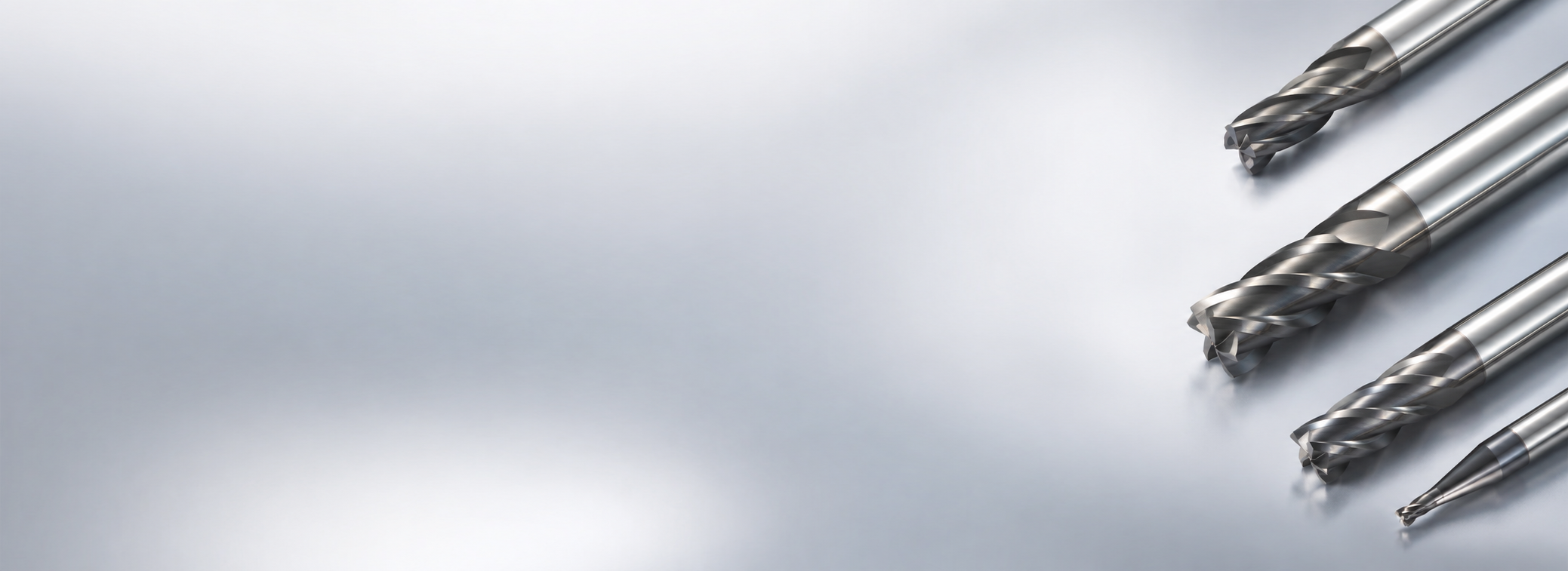
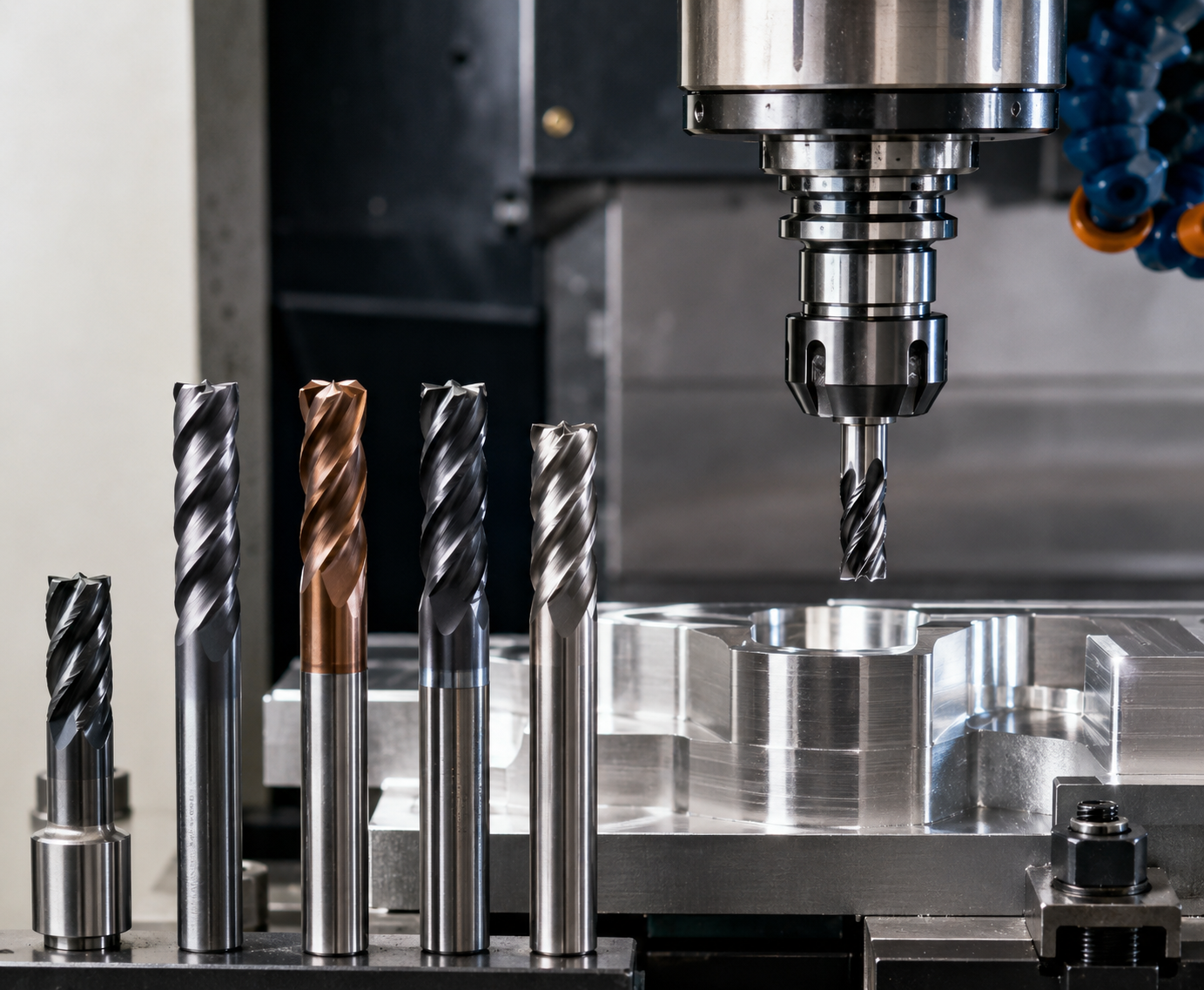
At the moment, a CNC milling cutter is the most important tool in a machine shop. To make a round hole, a regular drill bit can only move down one way. A CNC milling cutter, on the other hand, can move left, right, forward, or backward. It has sharp blades on both the ends and the sides, so it can cut a solid block of metal into complicated forms, deep slots, and flat surfaces. It’s a lot like a high-speed wood cutter in how it works, but it’s built to handle steel, iron, and aluminum.
The machinist can choose from a wide range of cutter forms based on the project at hand. They range from having flat sides for making square trenches to having rounded tips for carving smooth, curved shapes. You can’t melt or dull these tools with heat because they are made of High-Speed Steel or Carbide, which are very hard materials that don’t heat up. These are the most important tools that a CNC machine needs to turn a simple piece of raw metal into a finished, precise engine part or industrial part.
The Real Price of Cheap CNC Milling Cutters
You may just press “start” and leave a CNC machine after you have a good CNC milling cutter installed. Your operator must become a babysitter when using a cheap cutter. Poor tools seldom deteriorate in the same way twice. One cutter from the same box might cut twenty pieces, but the next one burns out after only three. Someone must spend the entire day standing next to the machine, continuously pausing the work to replace boring tools and repair computer offsets since you can never trust them. The speed and automation that initially made a CNC machine lucrative are totally lost.
However, your machine poses a greater threat than your parts. Seldom are inexpensive cutters manufactured with correct balancing. An imbalanced tool vibrates violently when spun at 10,000 RPM. Not only does this intense shaking damage your metal with harsh scars, but it also shoots strong shockwaves directly up into the machine. Your CNC equipment’s costly spindle bearings will eventually be destroyed by this continuous hammering. To save a few bucks on a tool, you wind up damaging your equipment to the tune of thousands of dollars.
CNC Milling Cutters by Tool Shape
 Square End Mills
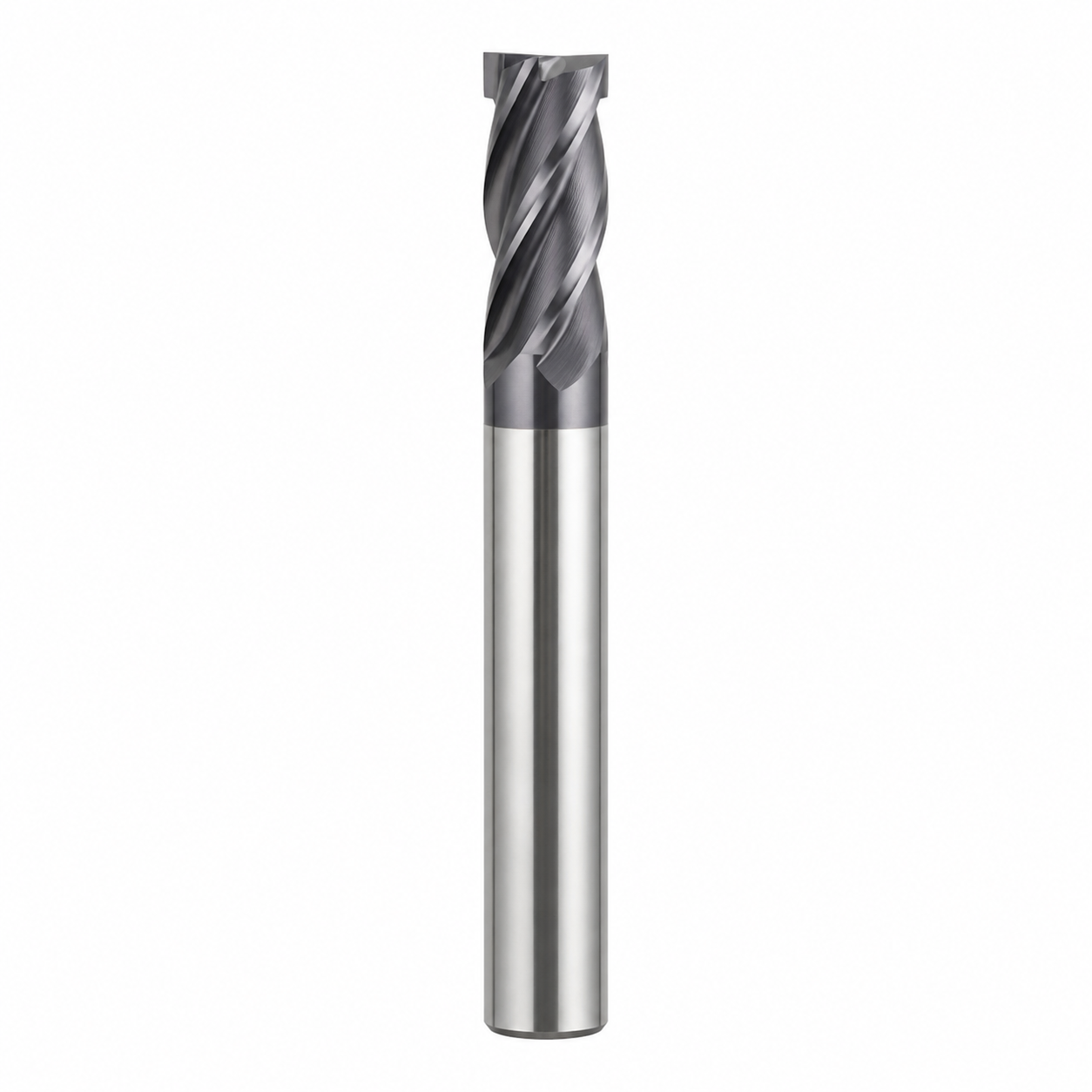
The bottom of this daily workhorse is perfectly flat, and the corners are sharply 90 degrees. For cutting straight walls, deep ditches, and flat pockets out of solid metal, this is the best tool.
 Ball Nose End Mills
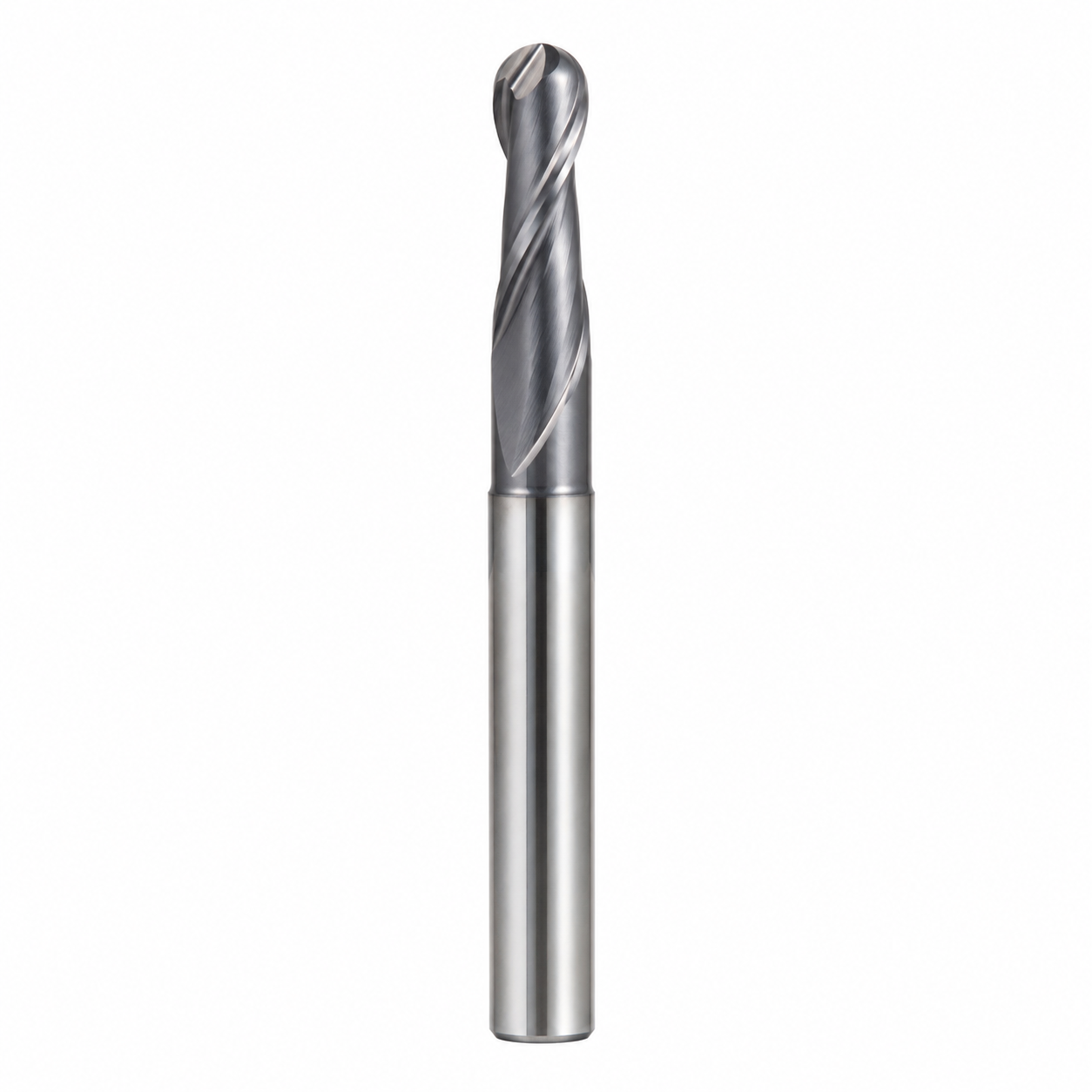
It looks like the tip is a half-circle. It cuts smooth, curved 3D forms and round trenches without leaving rough lines on your metal parts.
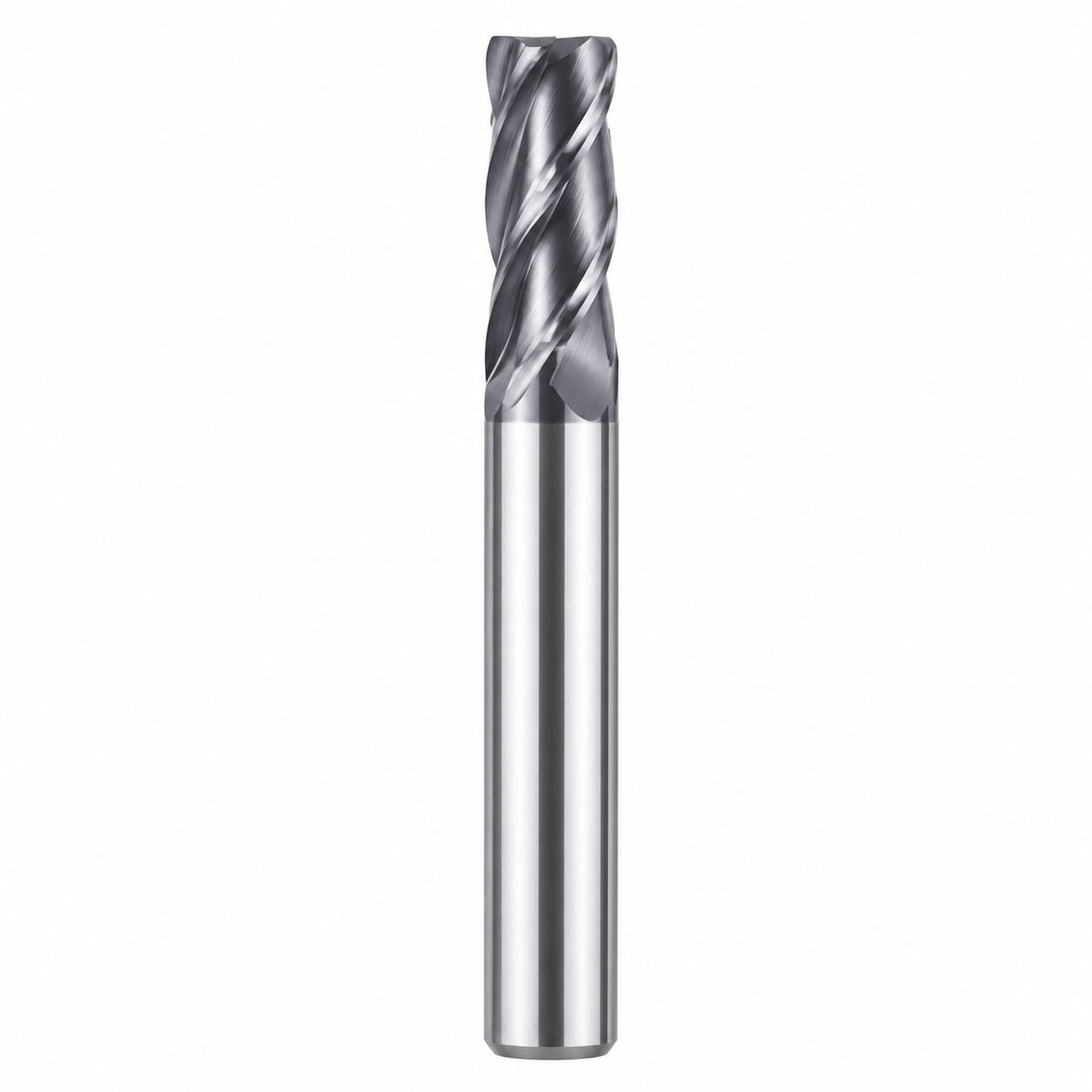 Corner Radius Mills
These look like square mills, but the sides aren’t quite as sharp as they look. This small change makes the knife very strong, so when it hits hard steel, the edges won’t chip.
CNC Milling Cutters by Special Jobs
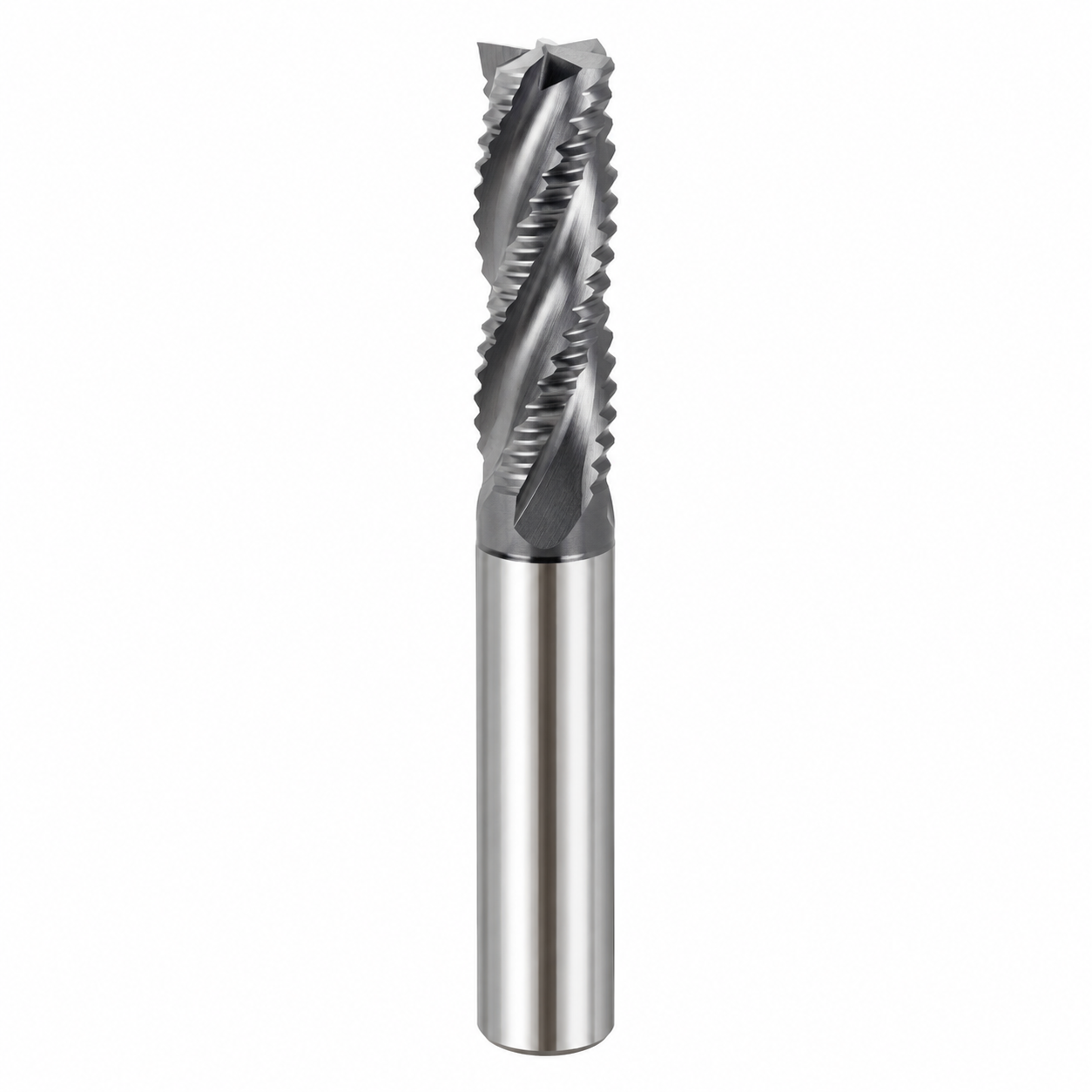 Roughing End Mills
These are what machinists call “hoggers.” Their wavy side teeth bite hard into raw metal, quickly removing huge chunks of it before you make the final smooth finish cut.
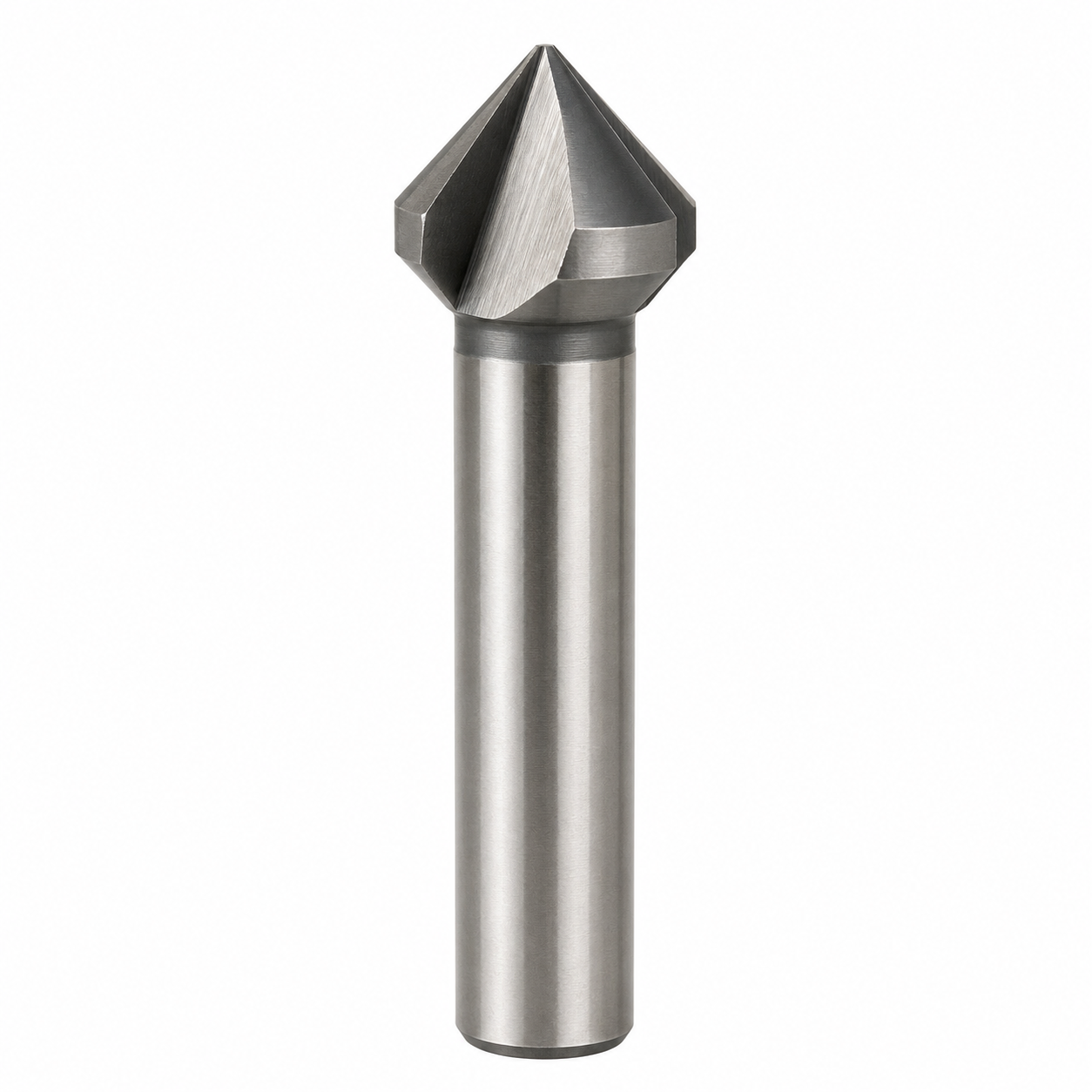 Chamfer Mills
The edges of new parts are very sharp and could hurt you. Along the edges, this V-shaped tool safely cuts off burrs, leaving a clean, pointed edge that won’t cut your hands.
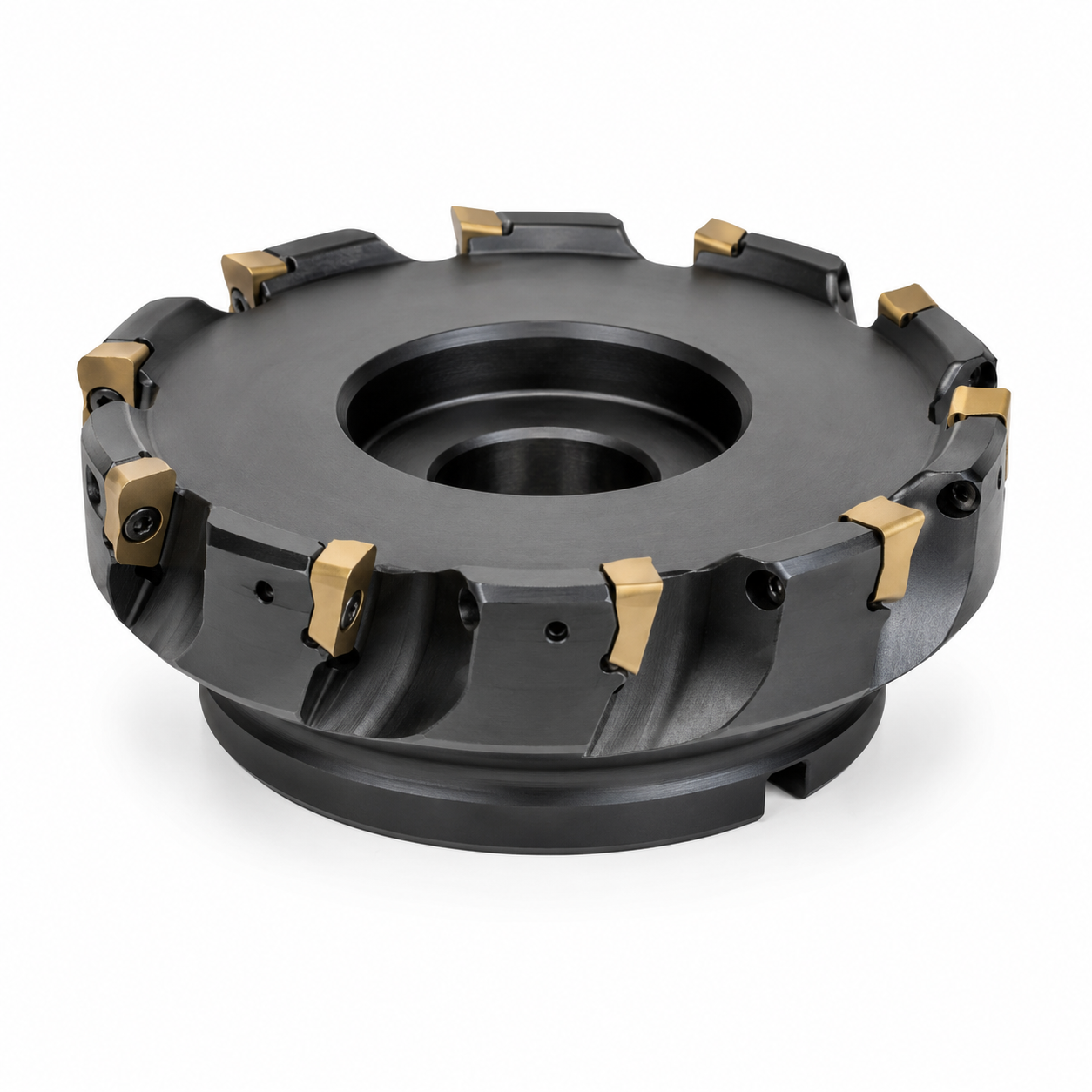 Face Mills
This tool has many cutting teeth and is shaped like a large, wide disc. It quickly shaves the top surface flat by moving it across big blocks of raw metal.
CNC Milling Cutters by Flute Count
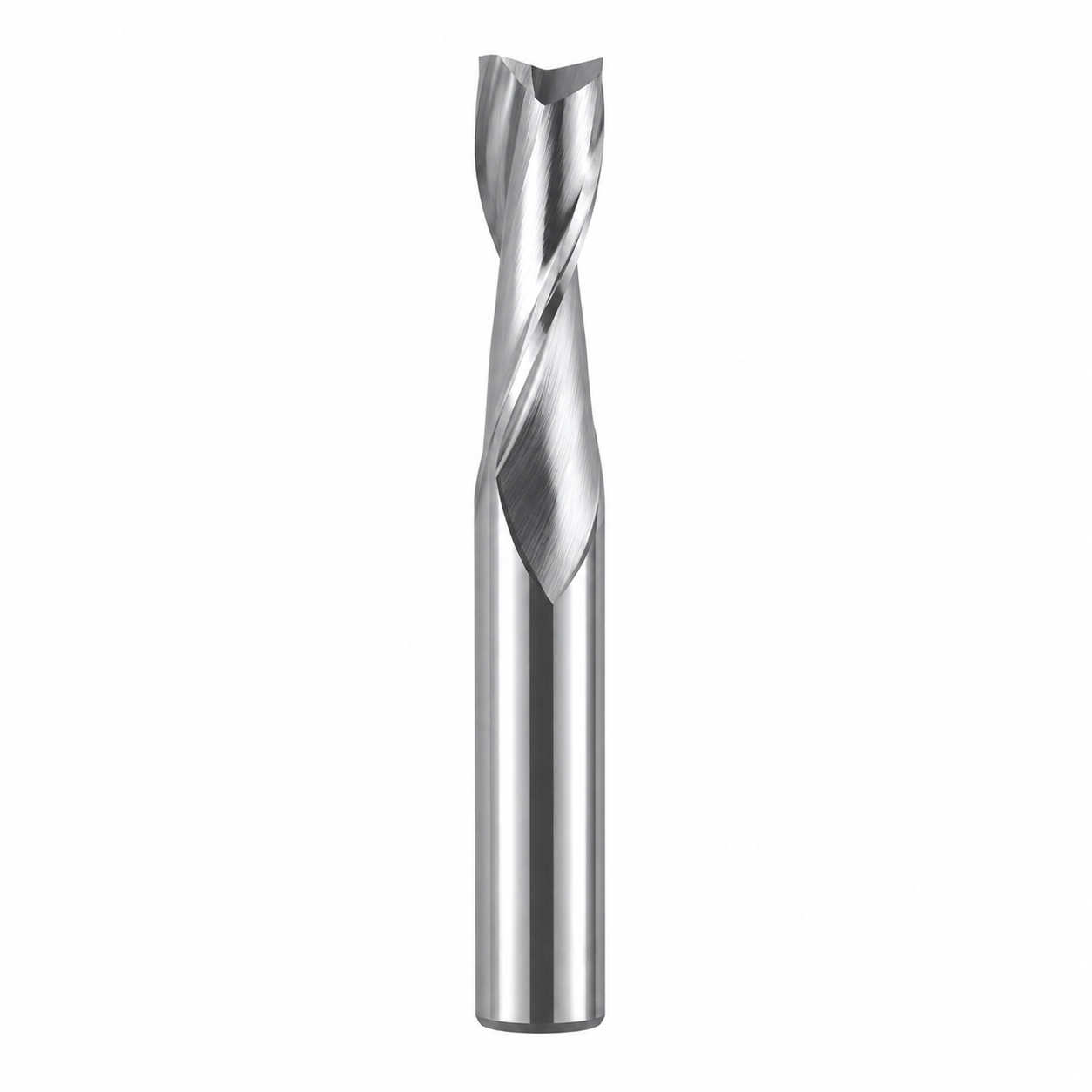 2-Flute Cutters
Designed to work with sticky, soft metals like aluminum. Large metal chunks can safely fly out of the tool before they jam since it only has two blades, leaving large free gaps.
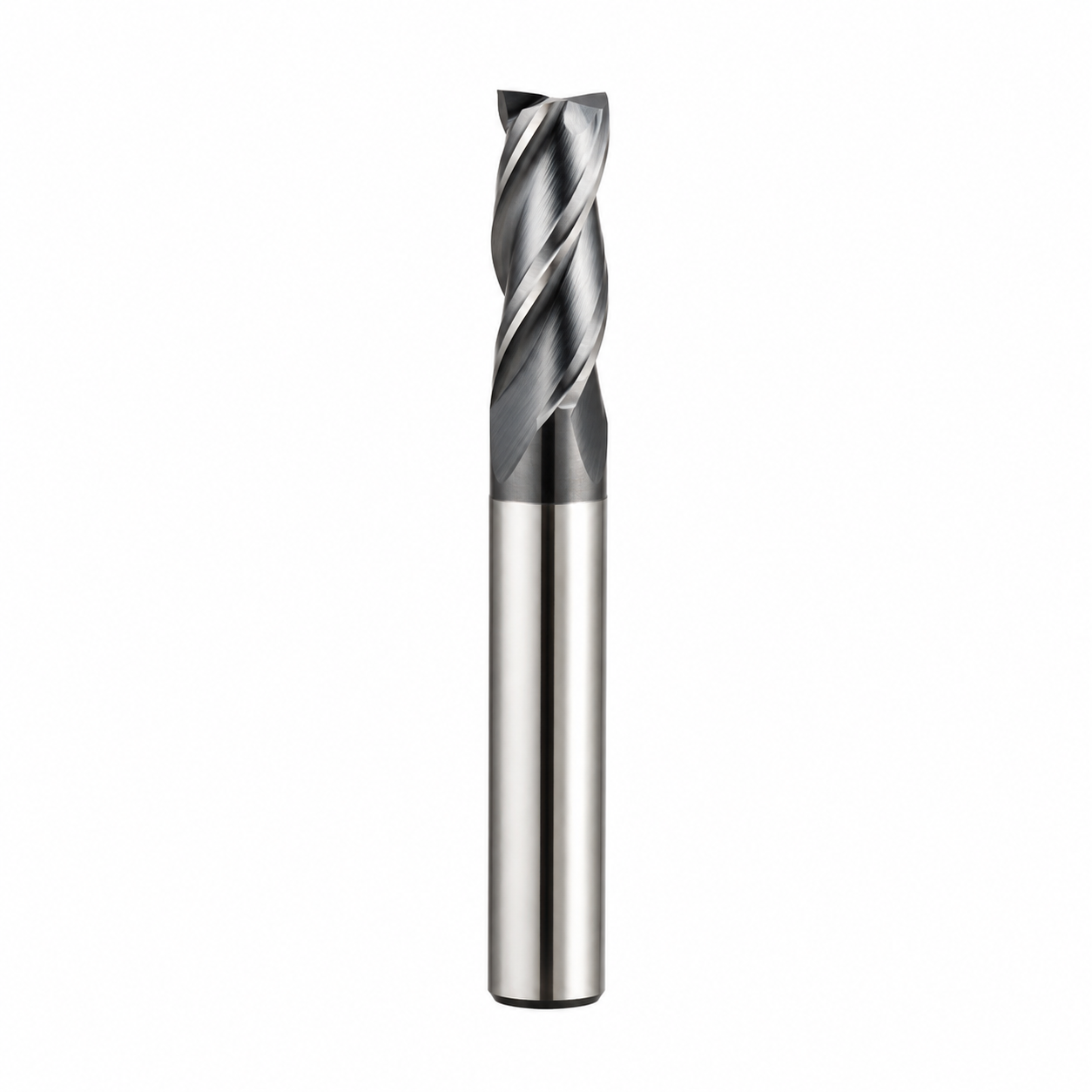 3-Flute Cutters
Designed to bridge the gap between soft and hard materials. Three balanced blades offer efficient chip evacuation while maintaining high structural strength, delivering an exceptionally smooth surface finish on steel and aluminum.
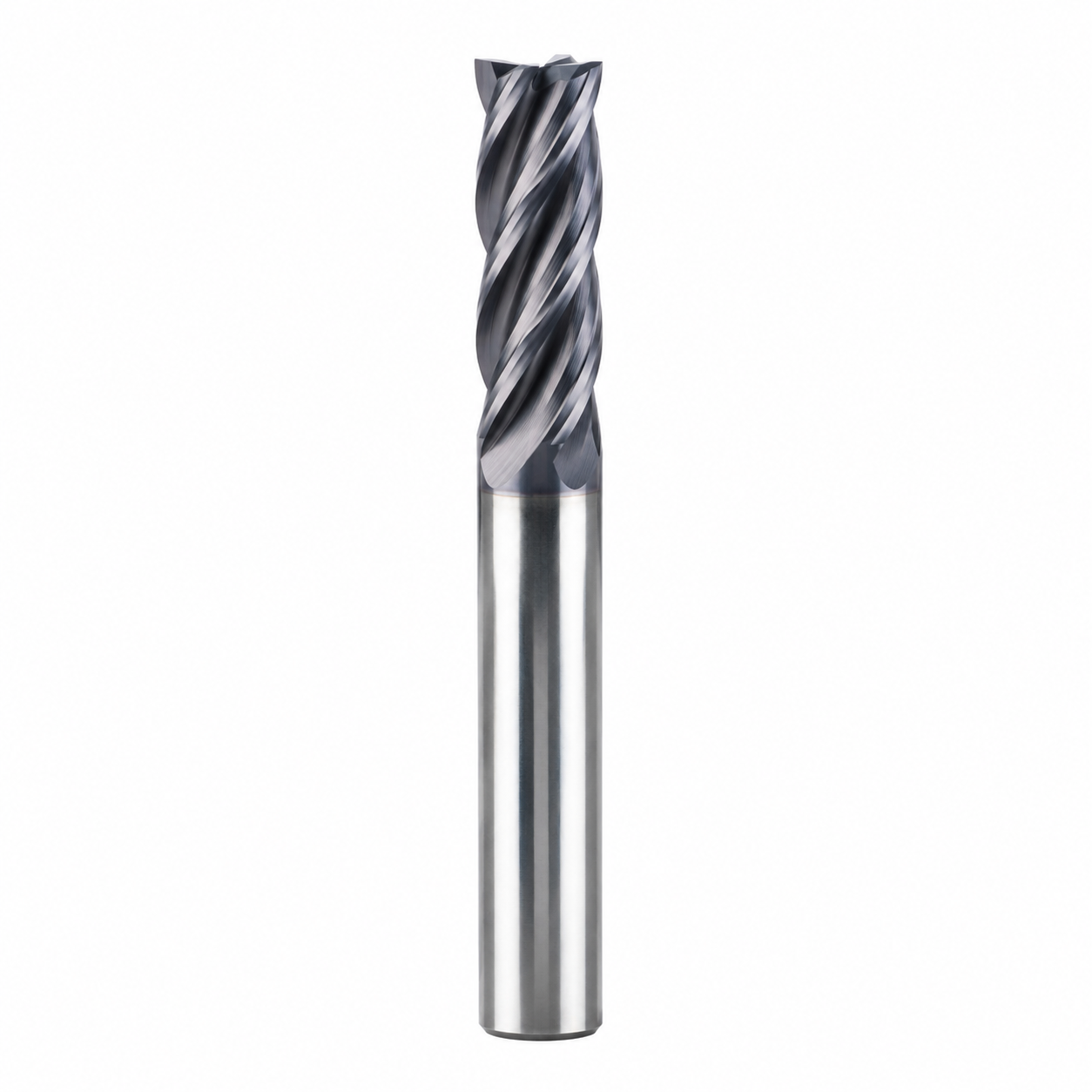 4-Flute Cutters
They have four blades that are very close together. They’re not very good at getting rid of big chips, but they cut through tough steel easily and give finished metal parts a beautiful, shiny finish.
Why Choose Hanöki CNC Milling Cutters
To stop bad noises, we make the blades’ spacing a little uneven. It won’t make that awful screaming sound that breaks metal parts, so your machine will run quietly.
For everyday tasks, you don’t have to switch tools all the time. Our all-purpose cutters cut through regular steel, cast iron, and plastics very well, which saves you a lot of time setting up.
The very high cutting temperatures go straight into the flying metal chips, not your part, because our blades are very sharp. This keeps your piece from twisting or getting burn marks that look bad.
We don’t just guess that our tools are right. Every single batch is checked under advanced optical lasers to ensure the sizes and angles are totally flawless before they leave.
A great tool is useless if the tip breaks in the mail. We put each cutter in a heavy-duty plastic tube and lock it shut. This way, they get to you in perfect shape.
We never buy discarded metal that is cheap just to save money. We only use high-quality, approved carbide rods, so your tool will have a very strong base from the start.
Using One Tool to Drill and Cut
Drill bits usually only go down. A Hanöki center-cutting end mill can drill straight into a solid piece of metal and then move sideways right away to make a deep pocket. Changing from a drill to a knife doesn’t require stopping the machine. It does both tasks at once, which saves you time that you could have spent setting up.
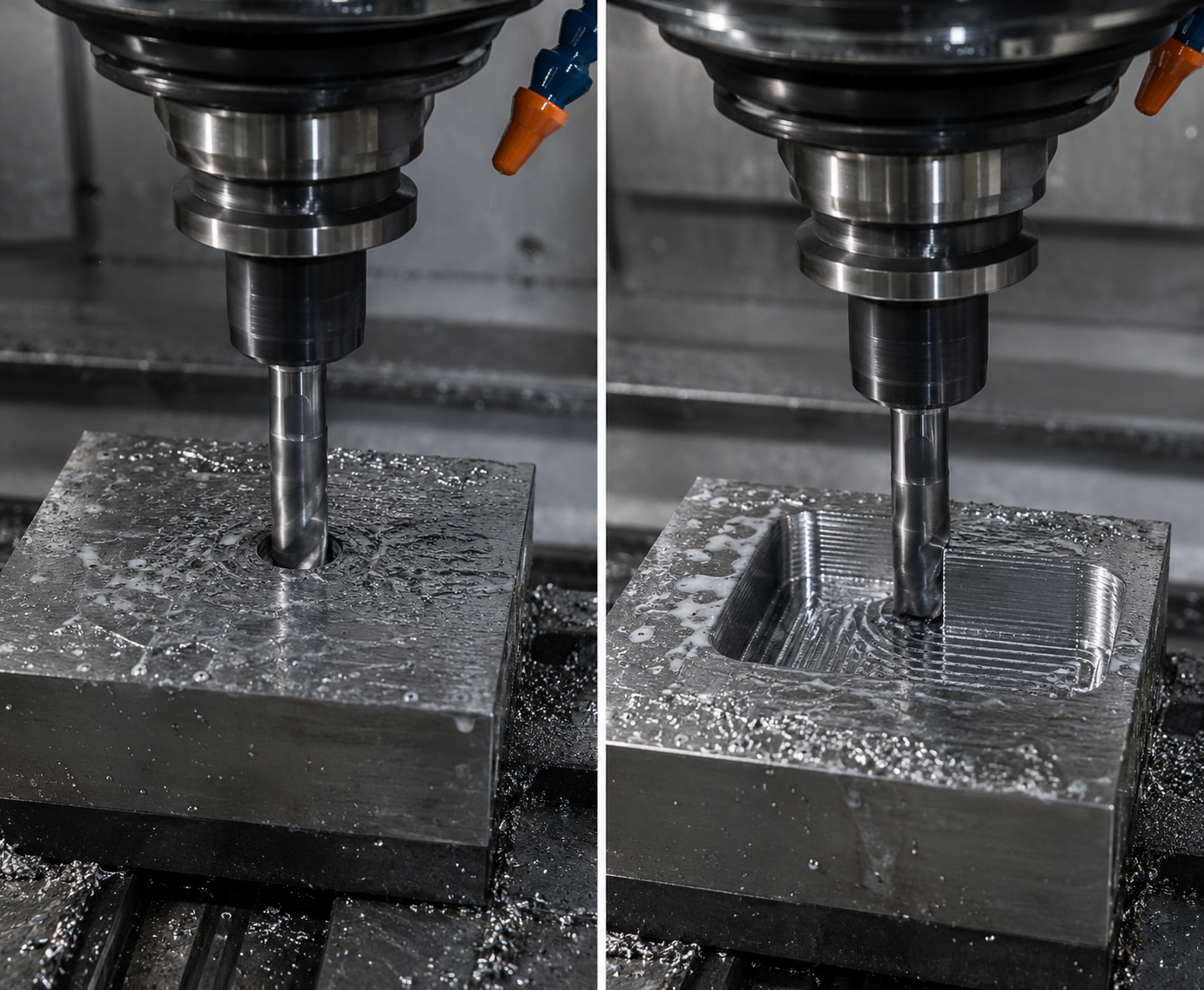
Don't do any extra polishing
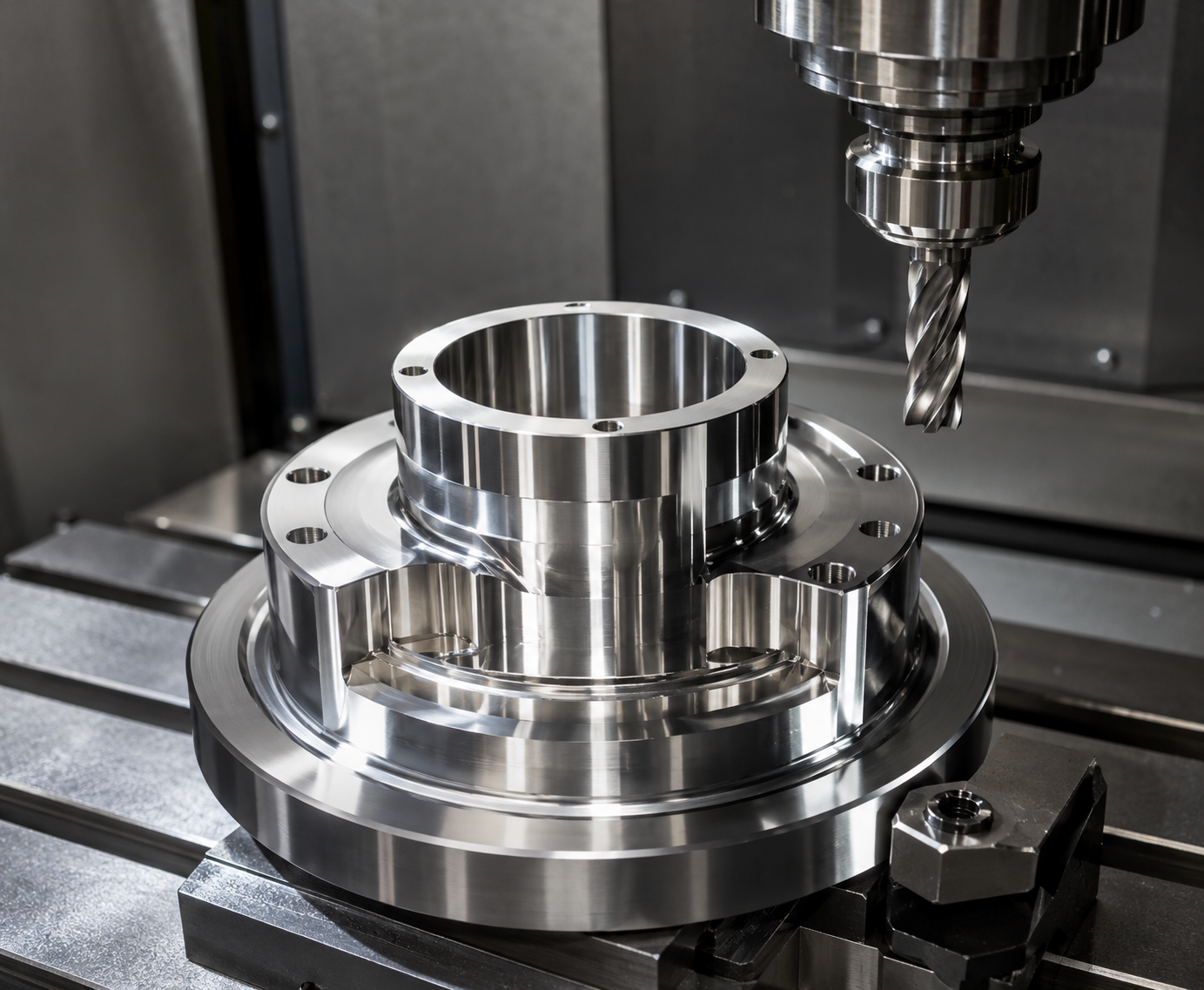
Cutting with cheap tools tears the metal, leaving behind ugly, rough step marks on your parts. It takes hours of work to have someone clean the metal by hand. Hanöki CNC milling cutters are ground very sharp so they can cut metal easily. They leave your parts with a beautiful, mirror-smooth finish as soon as you open the CNC door. This means they are ready to ship right away.
Use a small tool to make big holes
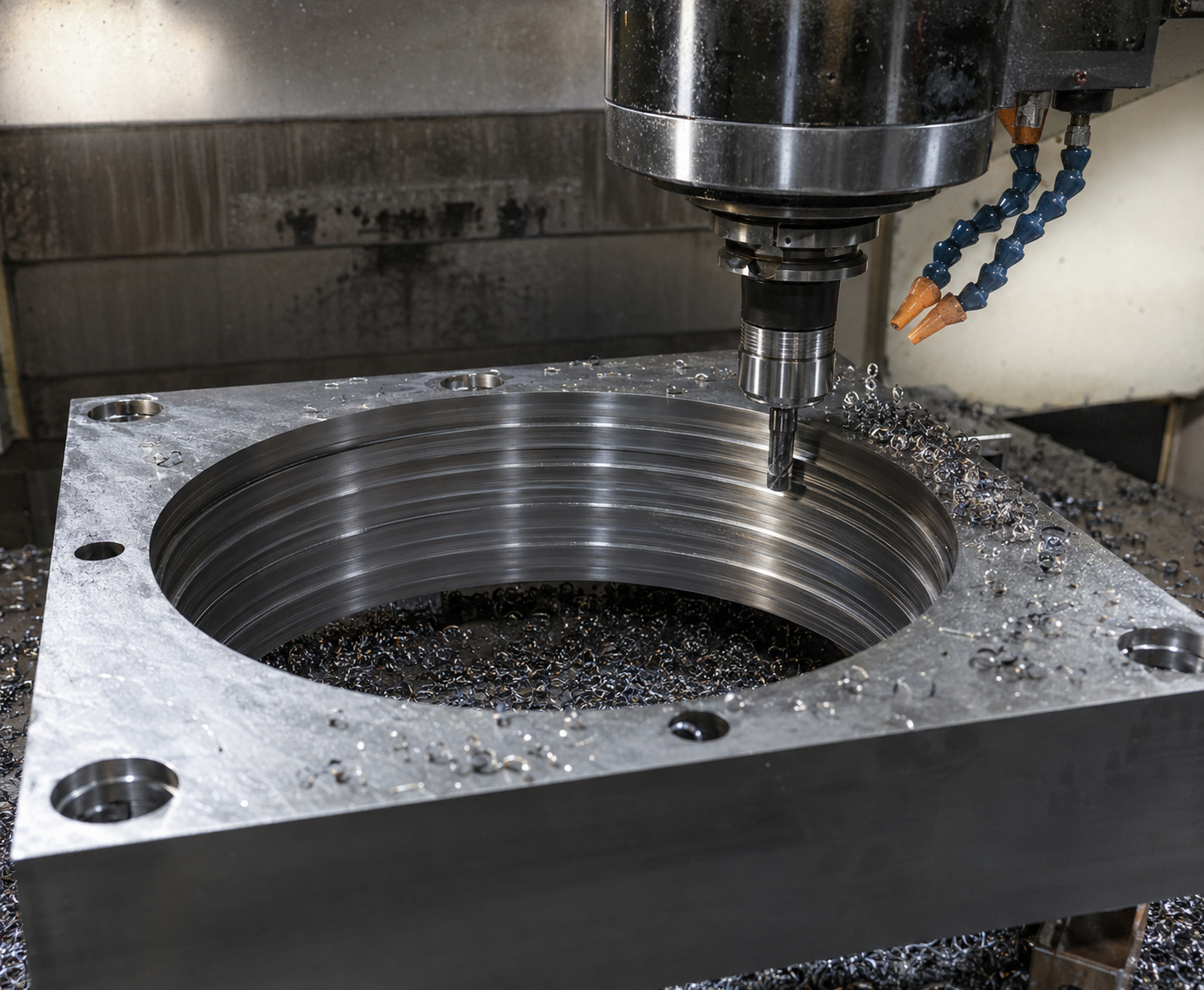
A solid steel drill bit that is 3 inches thick costs a lot of money, and it takes a lot of machine power to push it into metal. You can set a small Hanöki CNC milling cutter to move in a fast, growing circle instead. This is known as helical milling. You can make a huge hole with a small, cheap cutter instead of spending thousands of dollars on big, specialized tools.
Safer for your pricey parts
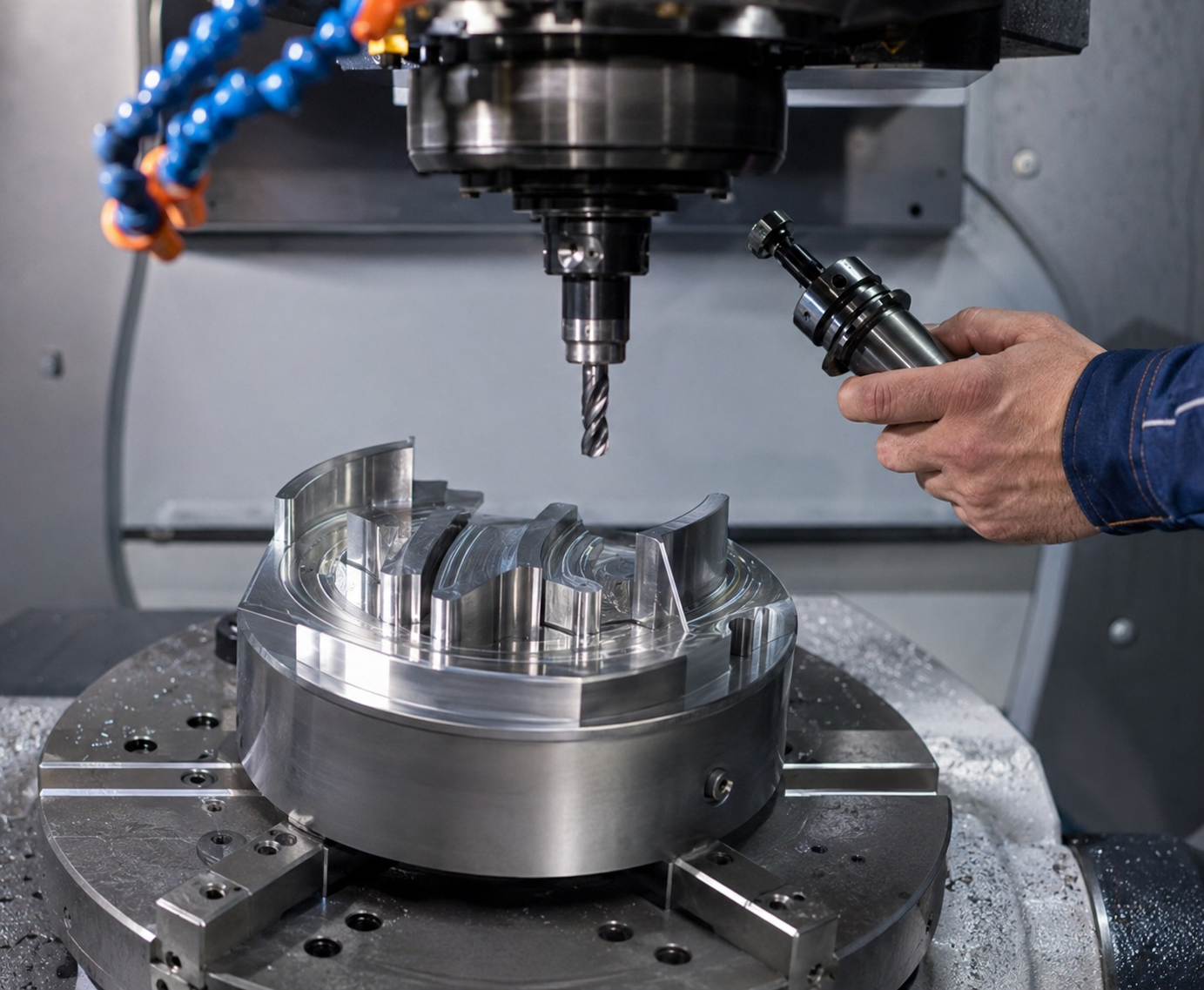
Large drills and taps often get stuck deep inside metal when they break, destroying hours of hard work. It is much safer to use CNC milling cutters. Hanöki CNC milling cutters normally break cleanly if they break by accident because they remove metal from the sides with extra room to spare. Within the hole, it doesn’t become stuck. The broken piece is just taken out, the tool is switched, and the expensive piece is saved.
Cuts out any complicated shape
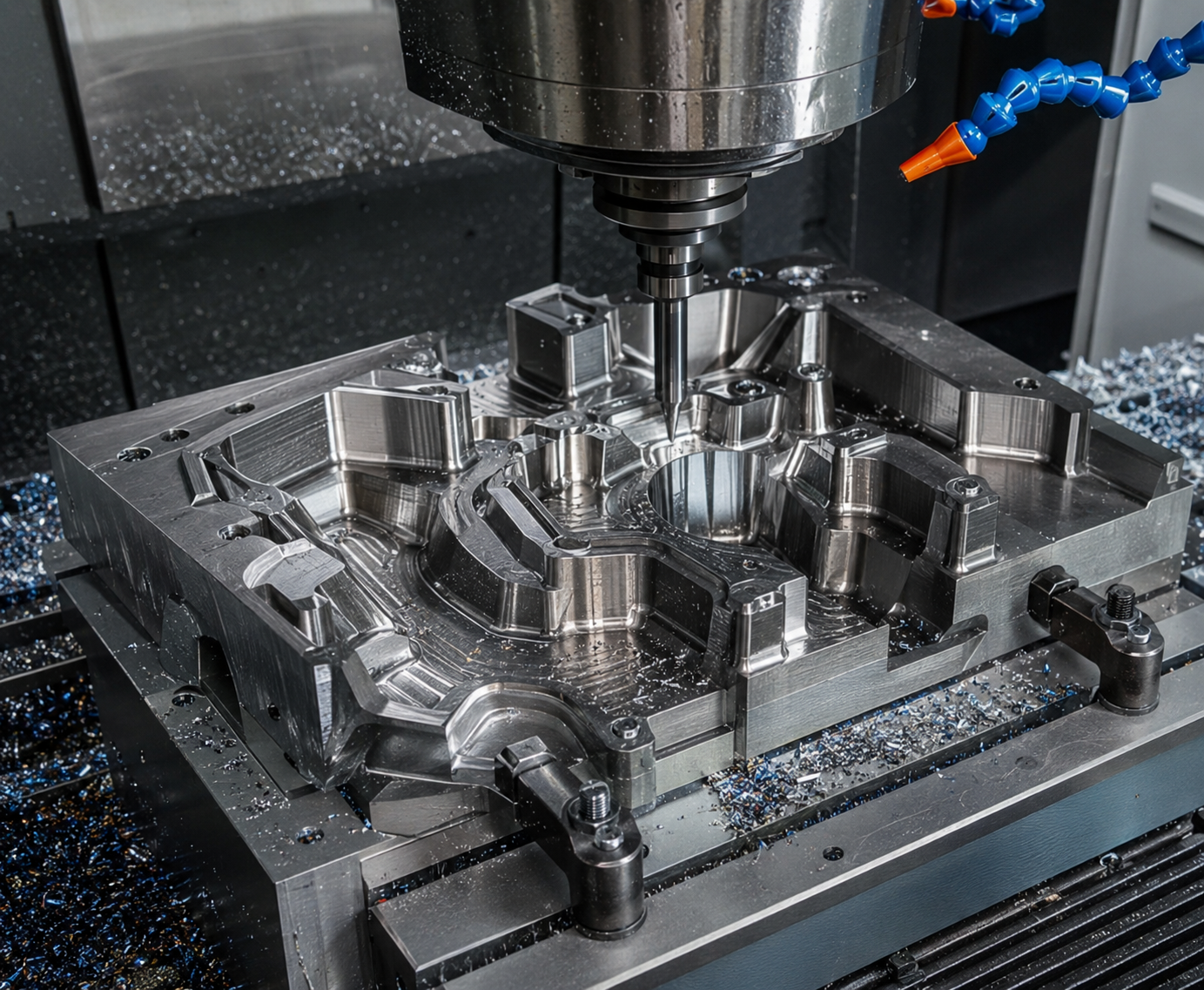
A simple machine only makes pins that are round. You can make almost any complicated shape you can think of with a Hanöki CNC milling cutter, though. With these tools, your CNC machine can make very complicated parts out of a simple metal block. It can cut deep holes, smooth out sharp corners, or carve smooth 3D curves for a plastic mold.
Beats the Extreme Heat
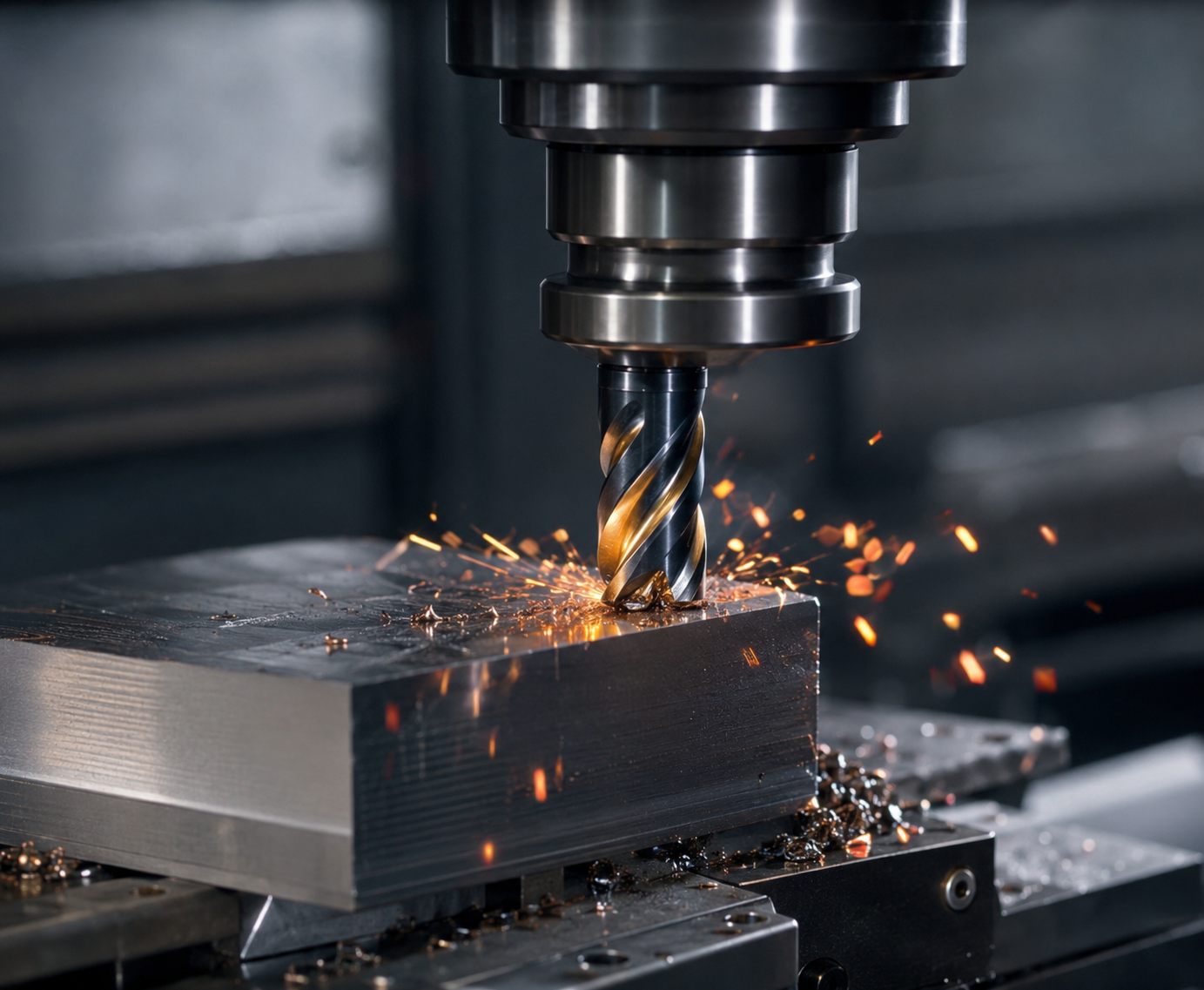
Hitting a hard metal at high speeds creates enough friction to melt regular steel. The sharp edge of a tool breaks off right away if it gets too hot. Our Hanöki CNC milling tools have special, high-tech coatings baked on them that act like an invisible heat shield. The moving metal chips get the intense heat instead of the tool. This means you can cut tough steel all day without your cutter getting too hot.
Your Direct Factory for Professional CNC Milling Cutters

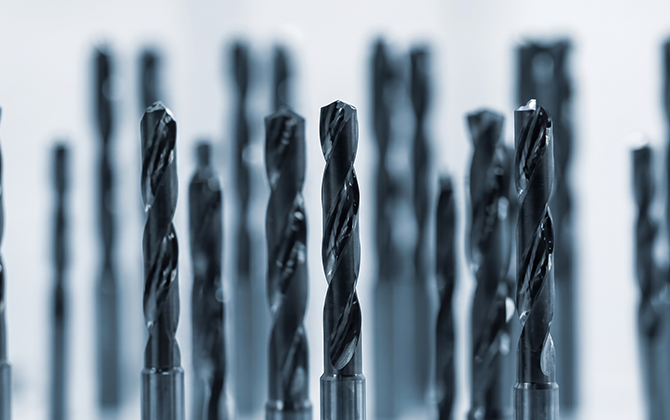
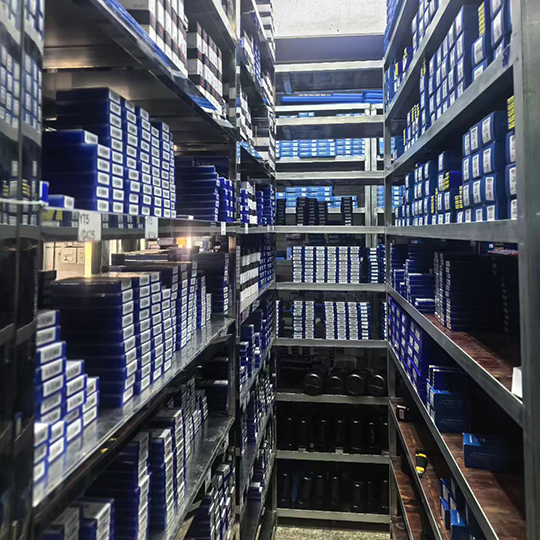
We have been making tough, high-performance milling cutters in our own 25,000-square-meter plant for more than 30 years. We control the quality from beginning to end because we use dozens of high-tech CNC machines to grind and test every single tool in-house. Before leaving our store, we make sure that every cutter is razor-sharp, well-balanced, and ready to use.
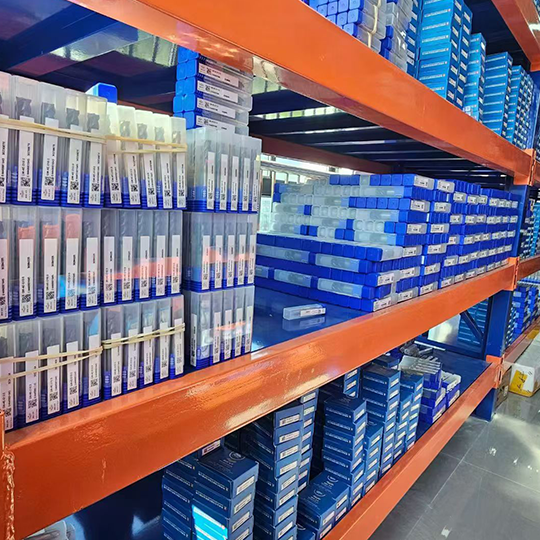
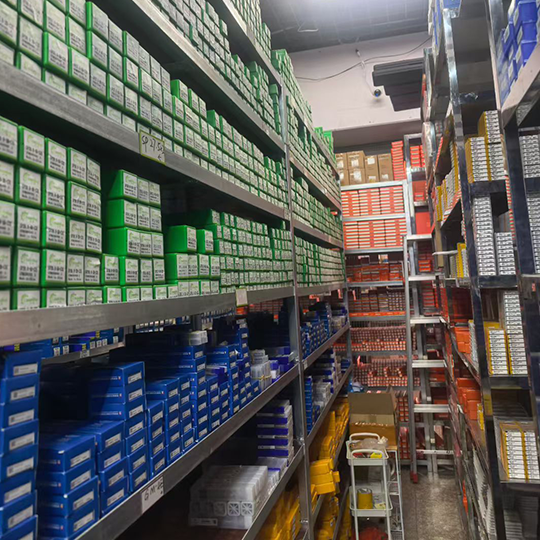
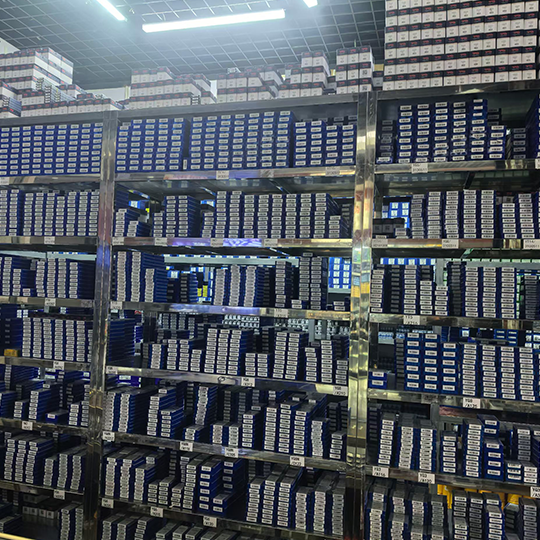
When you work with us, you don’t have to deal with any pricey agents. That’s right, you can get heavy-duty carbide tools at factory-direct prices. These tools are made to handle high heat and hard steel. We also know that a machine that isn’t working costs you money, so we keep a huge stock of cutters on our shelves, ready to ship right away anywhere in the world. Need to do some tricky cutting but don’t know which cutter to use? Ask. The senior shop engineers on our team are always here to give you honest, useful tips on how to keep your shop running easily.
CNC Milling Cutters Application Areas
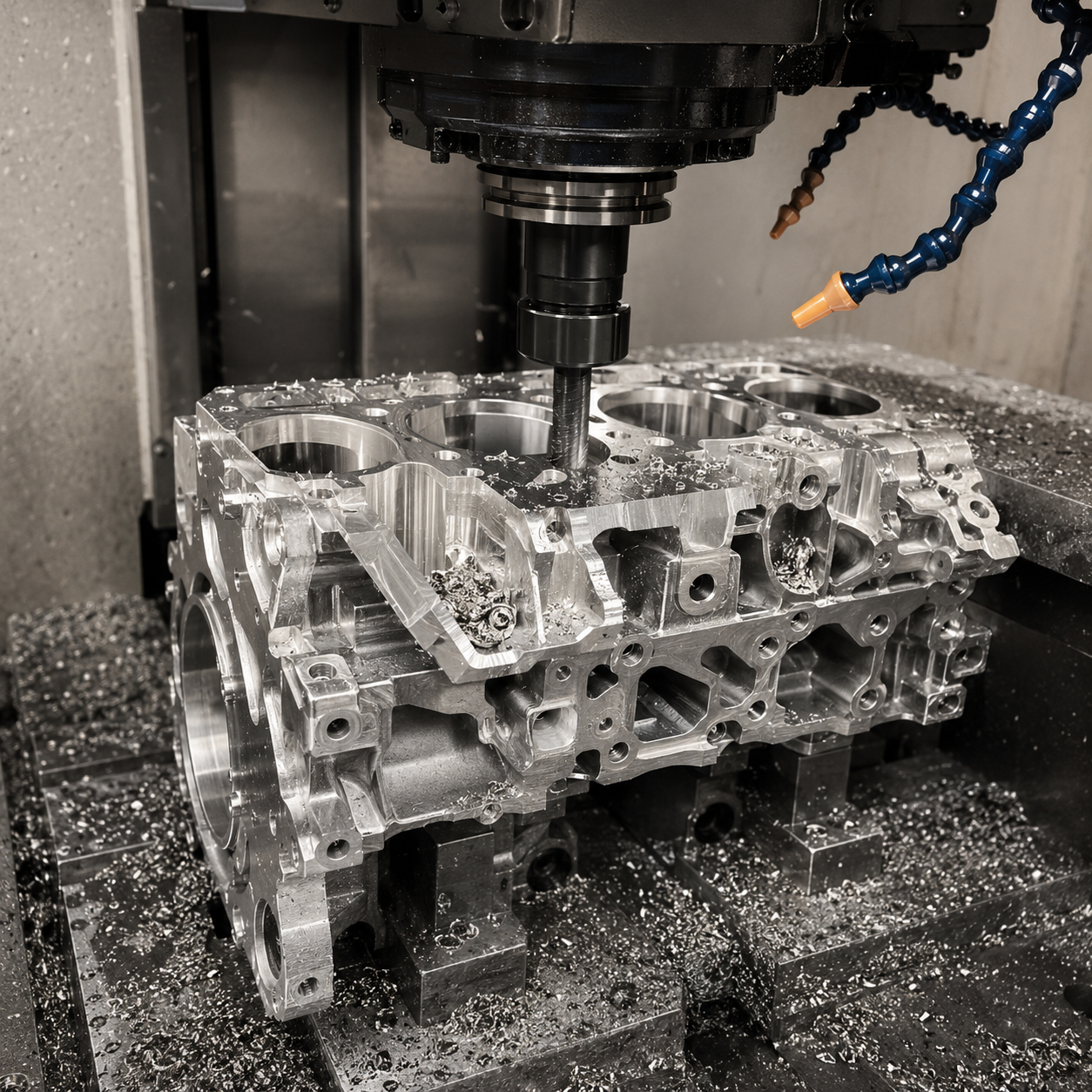
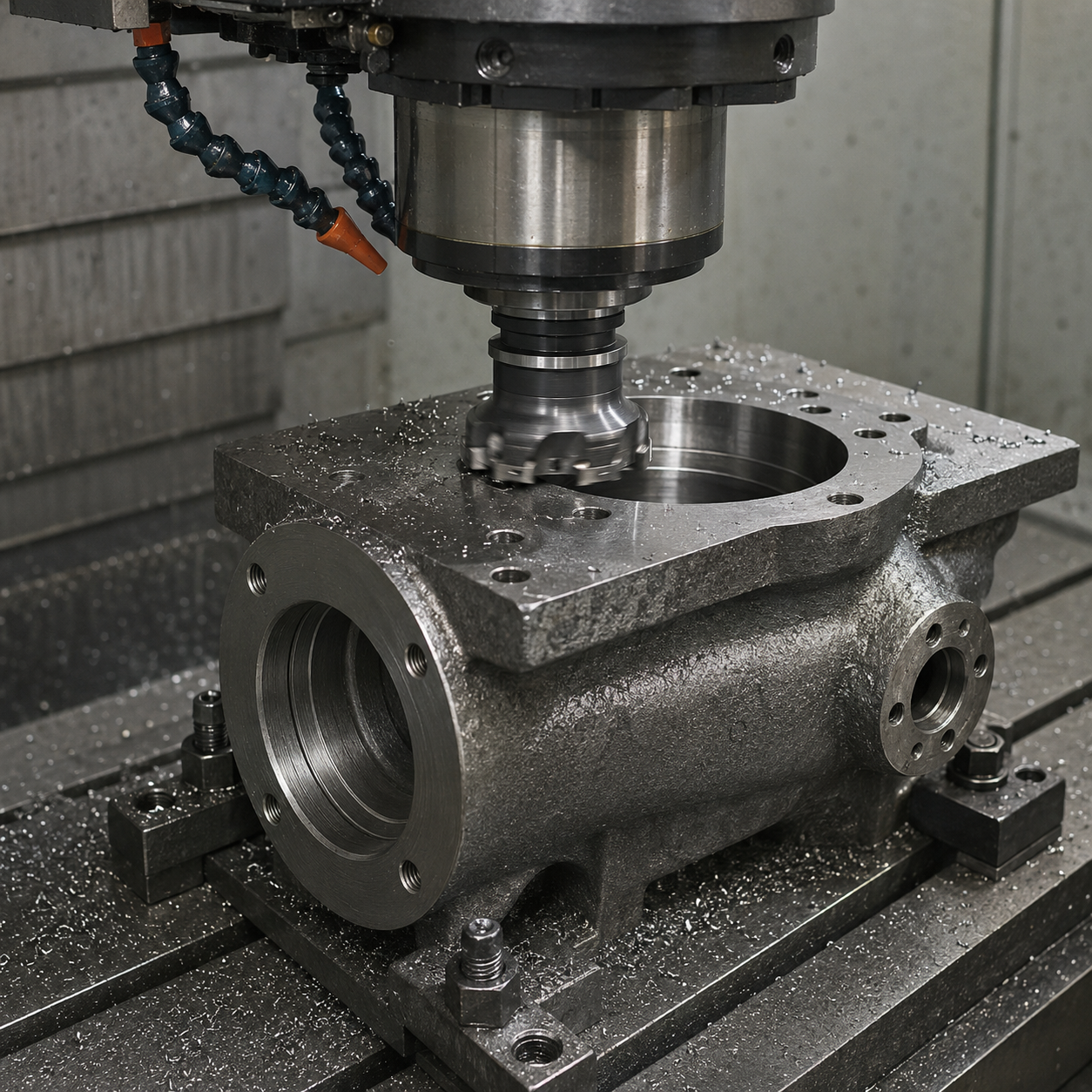
When making industrial water pumps or high-pressure valves, the metal bodies need to have deep chambers inside and connection places that are perfectly flat so that they seal tightly. This deep pocket is made with a CNC milling cutter, which also shaves the outsides flat. It smoothly removes the rough cast iron or stainless steel, making sure that there are no gaps or leaks when the pump is put together.
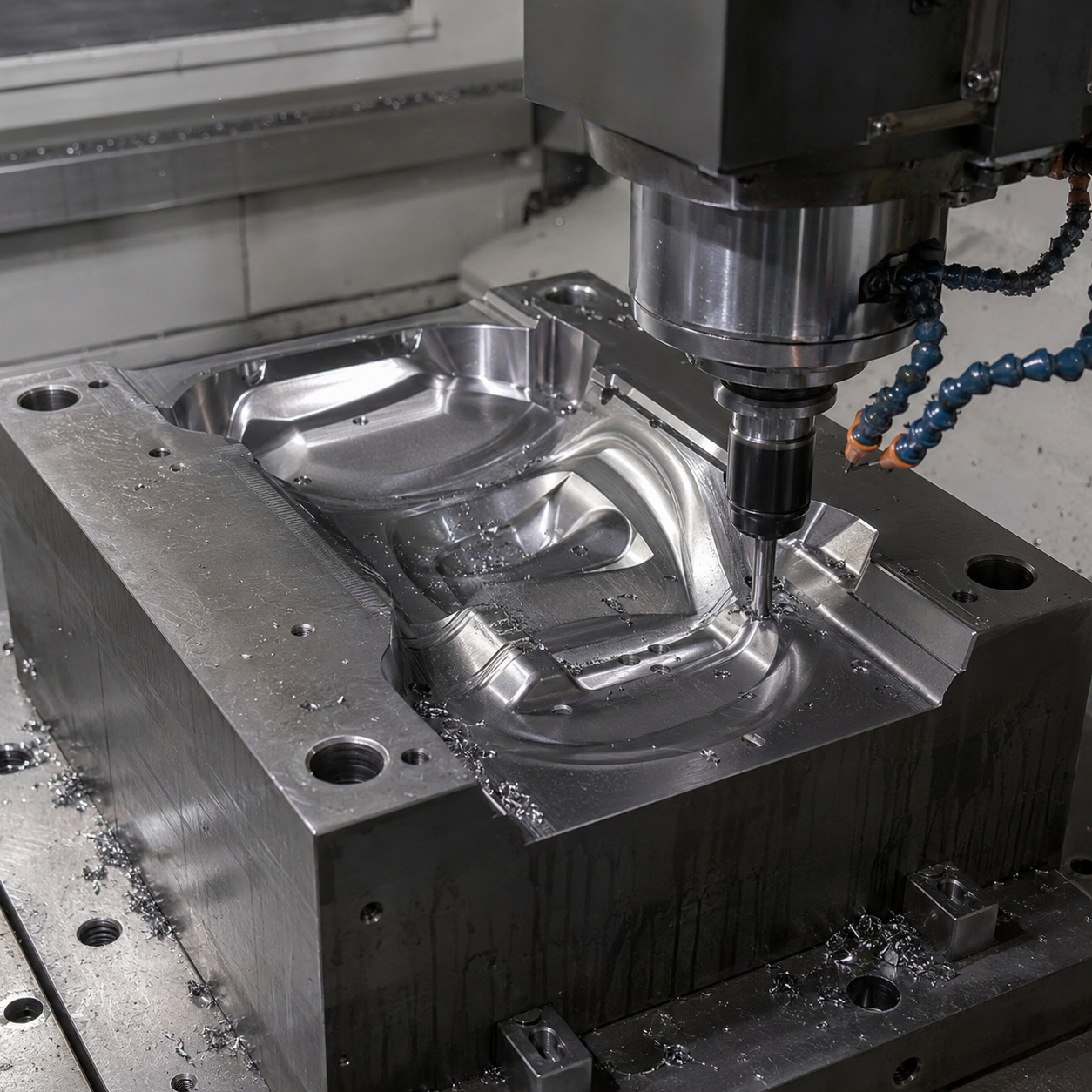
Almost everything you see made of plastic or cast metal, from water bottles to car hoods, starts out in a heavy steel mold.CNC Milling cutters, such as ball nose cutters, are used by machinists to cut these complicated, curved 3D forms out of solid blocks of hardened steel. To cut through the hard steel and leave a smooth, mirror-like surface inside the mold, the cutters have to be very strong. This makes sure that the finished parts look perfect.
Parts of planes and cars need to be both very light and very strong to keep them flying smoothly and going fast.CNC Milling cutters are used to cut engine blocks and aircraft frames out of solid blocks of aluminum or titanium instead of casting them. The cutter quickly cuts through huge chunks of heavy, raw metal, leaving behind only the strong, finished structure. The delicate parts are not bent or warped.
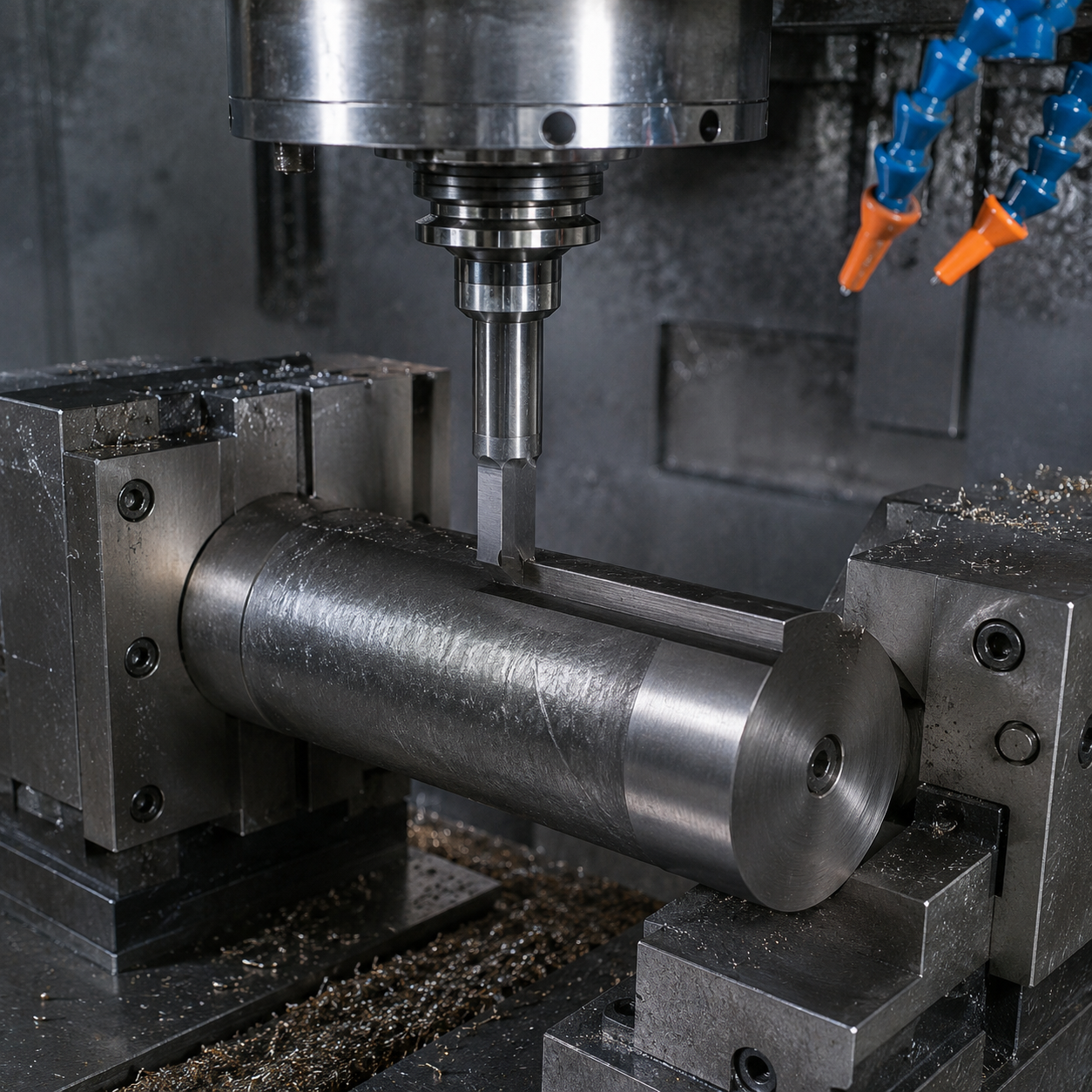
Electric motors with thick metal shafts turn heavy gears in big machinery. There must be a straight, square hole in the shaft so that the gear doesn’t slip. This is called a “keyway.” This job calls for a square end milling machine. As it goes straight down the steel shaft, it cuts a clean, sharp slot for the locking metal key. This keeps the factory tools safe.
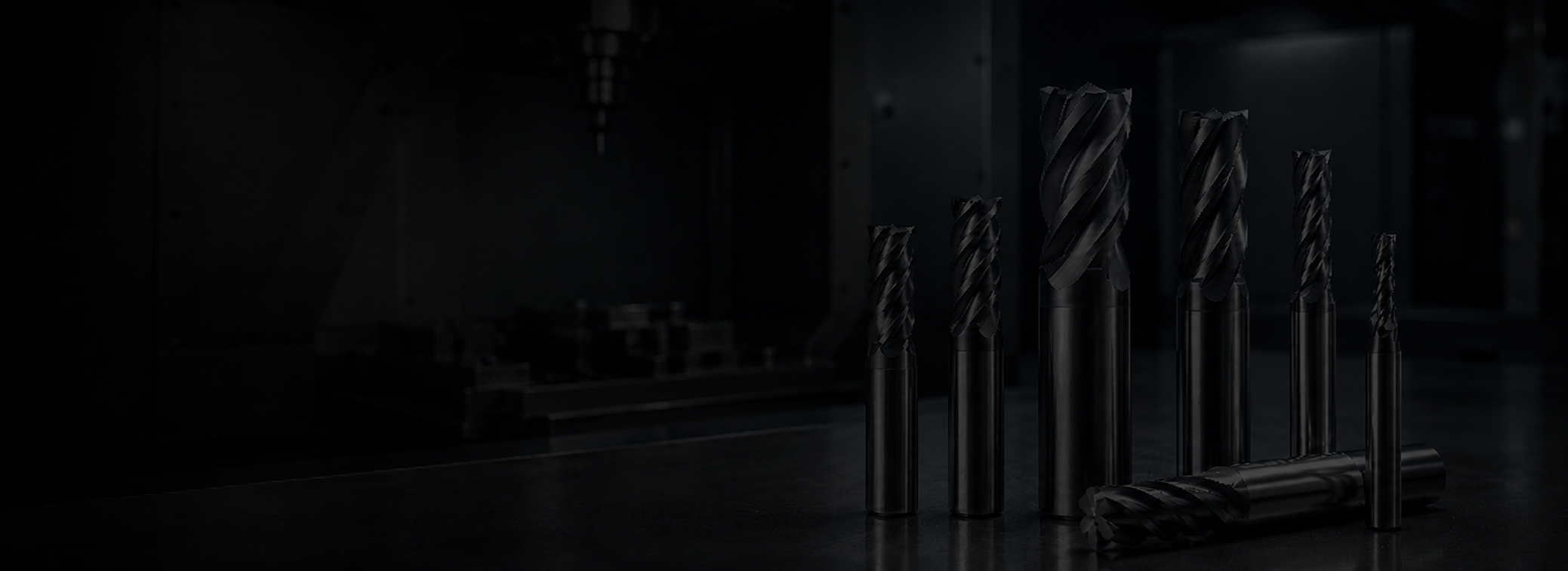
During machine work, a CNC milling cutter is a hard, moving tool that cuts solid metal into specific shapes. You can quickly cut flat areas, slots, and complicated 3D shapes with it.
To make a round hole, a drill bit can only go down one way. With its side blades, a milling cutter can move sideways and make long and narrow cuts.
Tungsten carbide is used to make CNC milling cutters because it stays sharp even when it’s very hot. A lot of older machines that are run by hand use cheaper, more flexible high-speed steel tools.
The sharp, bent groove that goes up the side of the tool is called a flute. After cutting the metal, the chips have a clear way to get out of the hole.
An end mill cuts deep holes and slots. A face mill is a big, heavy disc that quickly cuts away rough layers on top of big metal blocks to make them flat.
Think about the type of metal, the shape you want, and the horsepower of your machine. In general, for soft, sticky metals, use fewer flutes, and for hard, tough steel, use more flutes.
To get big chips out of soft metal, use cutters with two flutes. For hard steel, use 4-flute cuts to get a much smoother, more polished finish.
With its fully round tip, this tool cuts 3D surfaces that are smooth and curved. It works great for making molds for plastic injections and doesn’t leave behind rough, flat step marks.
Some people call these cutters “hoggers,” and their edges are sharpened. They quickly cut through huge amounts of heavy steel, which saves you machine time before the final clean cut.
It’s a normal square cutter with tips that are a little round. Rounding off sharp 90-degree corners makes the tool much stronger and lasts a lot longer because they are less likely to break.
It’s best to use bare and polished carbide on soft metal. But when you’re cutting tough steel, dark coats like TiAlN keep your tool sharp even when it’s very hot outside.
A 2-flute or 3-flute solid carbide cutter that is highly polished and not coated is what you need. Sticky metal chips will slide right off this smooth surface and not melt on the blades.
A polished 4-flute carbide cutter is best for cutting stainless steel because it gets harder as you cut it. Take bigger bites, run your machine more slowly, and use a lot of cooling fluid.
No. If you use a tool on steel, it gets a little dull, and it will melt or tear plastic. For plastic work, you should always use a brand-new, flat cutter that is very, very sharp.
A high-quality solid carbide milling cutter with a high-heat covering, such as TiSiN, is a must. To handle the high cutting pressure, use a style with 4 to 6 flutes.
Yes, cast iron is easy to break up into fine powder. It works well with a normal 4-flute coated carbide cutter, but the rough, sandy iron wears down tools over time.
The main reasons are moving the tool too quickly, letting it slip around in its case, or metal chips getting stuck in the hole and stopping the cutter.
When you hear chatter, something isn’t tight. Make sure the metal piece is tightly clamped down, use a shorter milling cutter to keep it from breaking, or just slow down the machine’s cutting speed.
This is “Built-Up Edge,” which happens when you cut sticky metals too slowly or when the machine is too hot. Use heavier liquid coolant and cut faster.
If the finish is rough, it’s likely that your milling cutter is dull, you’re cutting too quickly, or bad machine noises are making the tool bounce.
Listen to it. A dull tool will scream or rub against something loudly. Also, the metal will have a rougher finish, and the parts will have heavy, ugly burrs.
It depends on the diameter of the tool and the type of metal used. It is safest to cut steel no more than half the way around the tool in a single pass.
In climb milling, the cutter is turned in the direction of the cut, which pulls chips behind it to make a nice finish. In traditional milling, the cut is pushed against, which makes it safer for older tools that are run by hand.
That is only if it is a “center-cutting” end mill. Because these tools’ blades go all the way to the middle, they can safely drill straight down into solid metal blocks.
No. Liquid cooling works great on stainless steel and aluminum. But a strong blast of cold air often works much better when cutting very hard steel with carbide tools.
How to Choose the Right CNC Milling Cutter for Your Job
Not only will getting the wrong milling cutter waste your money, it can also ruin a metal part you’ve worked on for hours. It will break almost right away if you try to push a fine finishing tool deep into a block of hardened steel. On the other hand, it’s not a good idea to use a heavy-duty cutter with too many blades on metal that is soft and sticky. The metal will melt and pack tightly into the holes, blocking the tool and making the walls look bad.
Make sure that the tool you use fits the metal you are cutting. This keeps your machine quiet and makes the cuts last a lot longer. For hardened steel that is tough to cut, use a strong carbide cutter with a dark heat-shield covering, such as TiSiN. But for cutting soft plastics or aluminum, use a bright, uncoated 2-flute cutter. This way, the big chips will be able to fly out without getting stuck. In the shop, it will save you hours of trouble if you take one minute to choose the right tool.