

Your Factory-Direct Threading Taps Manufacturer in China
- Superior Torsional Strength: Strong enough to resist heavy turning forces so that expensive workpieces don’t break inside.
- Gauge-Perfect Threads: Precision-ground edges make threads that are straight and clean, and they pass tests right away.
- Smooth Chip Evacuation: Optimised flute geometry keeps high-speed internal threading from getting stuck.
- Flawless Batch Consistency: Strict CNC grinding controls make sure that every tap works the same.
- Custom OEM Solutions: We make turning tools that are specifically made to solve problems in machining.
- Reliable Order Fulfillment: Efficient production lines guarantee on-time delivery for all bulk orders.
What is a Threading Tap?
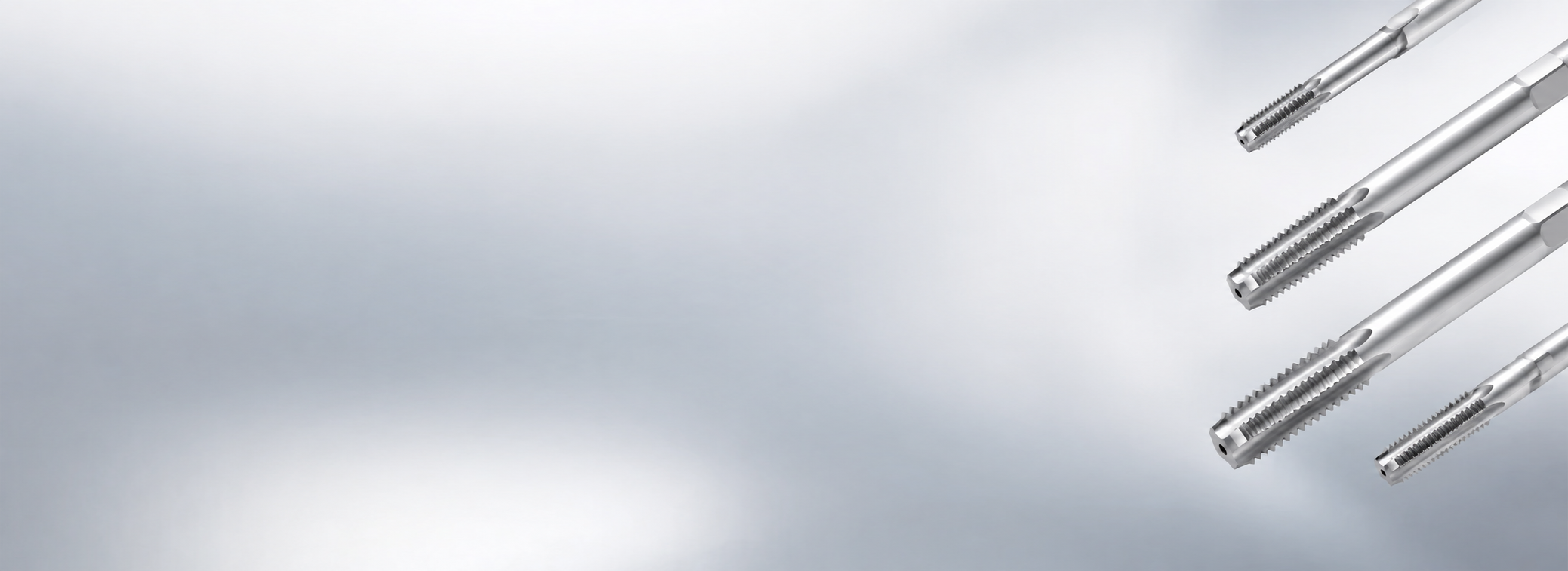
A threading tap is a very sharp cutting tool used to make threads inside a hole that has already been drilled. It’s like a very hard steel screw with very sharp teeth for cutting. When you drive it into a hole that doesn’t exist, these teeth make a spiral groove in the metal walls that fits a bolt perfectly. Metal shavings are made when the tool cuts. It has open grooves on the sides that are called flutes. These flutes move waste out of the hole so the tool doesn’t get clogged.
Threading taps are useful for a lot of different machining and assembly tasks. When two metal parts need to be securely bolted together, you need a tap. This is true whether your production line is making engine blocks for cars, custom CNC parts, or repairs for heavy machinery.
The Real Cost of Cheap Threading Taps
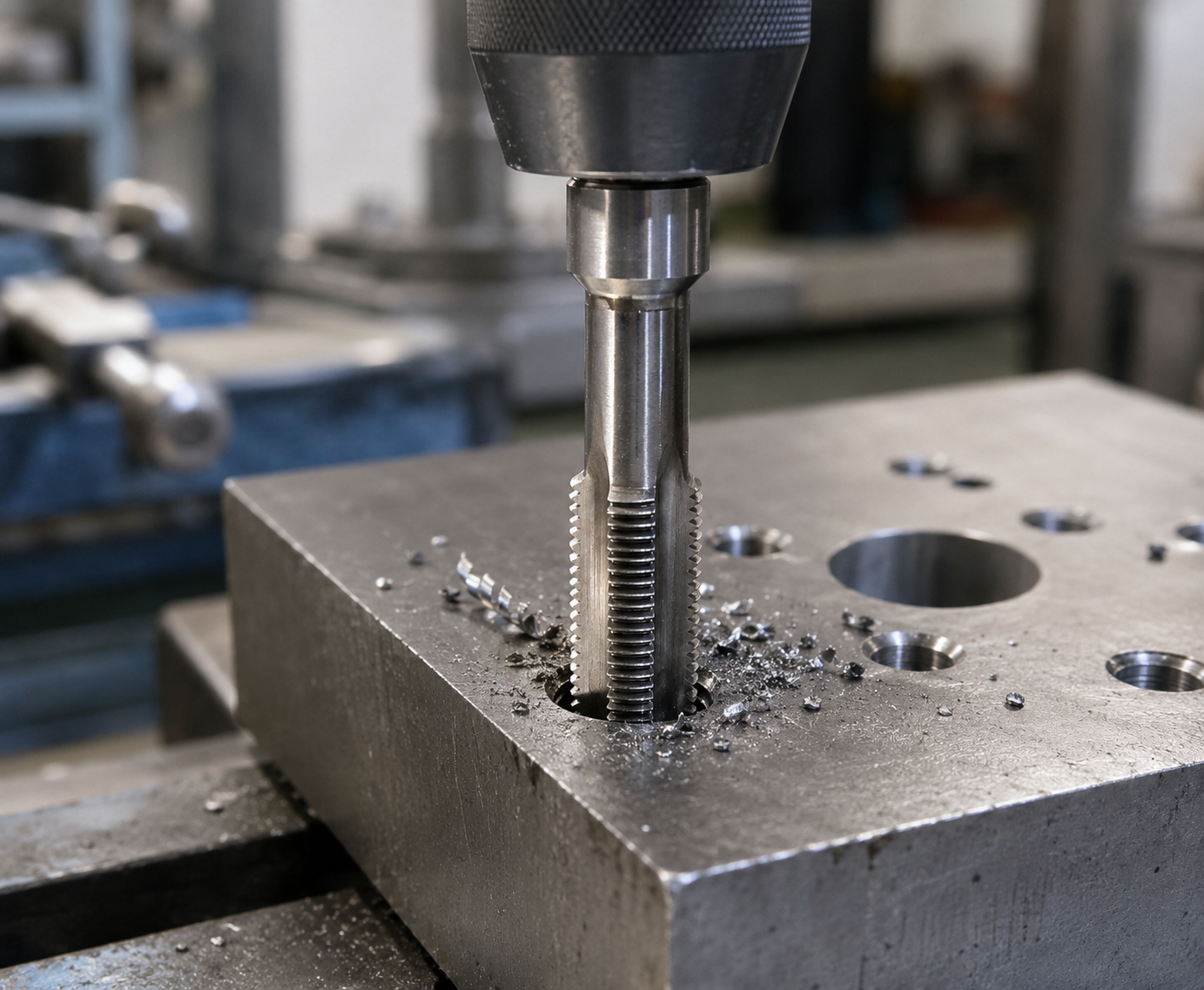
Tapping is often the last step in the process of making a part; buying a cheap one is a huge financial risk. Poor taps have a hard time getting rid of metal chips, which makes the tool get stuck and get too hot. When that stuck tap breaks deep inside your workpiece is the worst thing that could happen. One broken tool spoils a costly, almost-finished part, and you have to spend hours taking it out or throwing away the metal altogether.
Cheap tools cost a lot more when you add up the items that are thrown away and the time that the machine isn’t working. Hanöki makes heavy-duty taps with precise blades that safely remove chips without getting stuck. When you buy from our factory, you get real industrial reliability without having to pay extra for a middleman. Take care of your parts and make sure your production lines work well.
Threading Taps By Flute Design
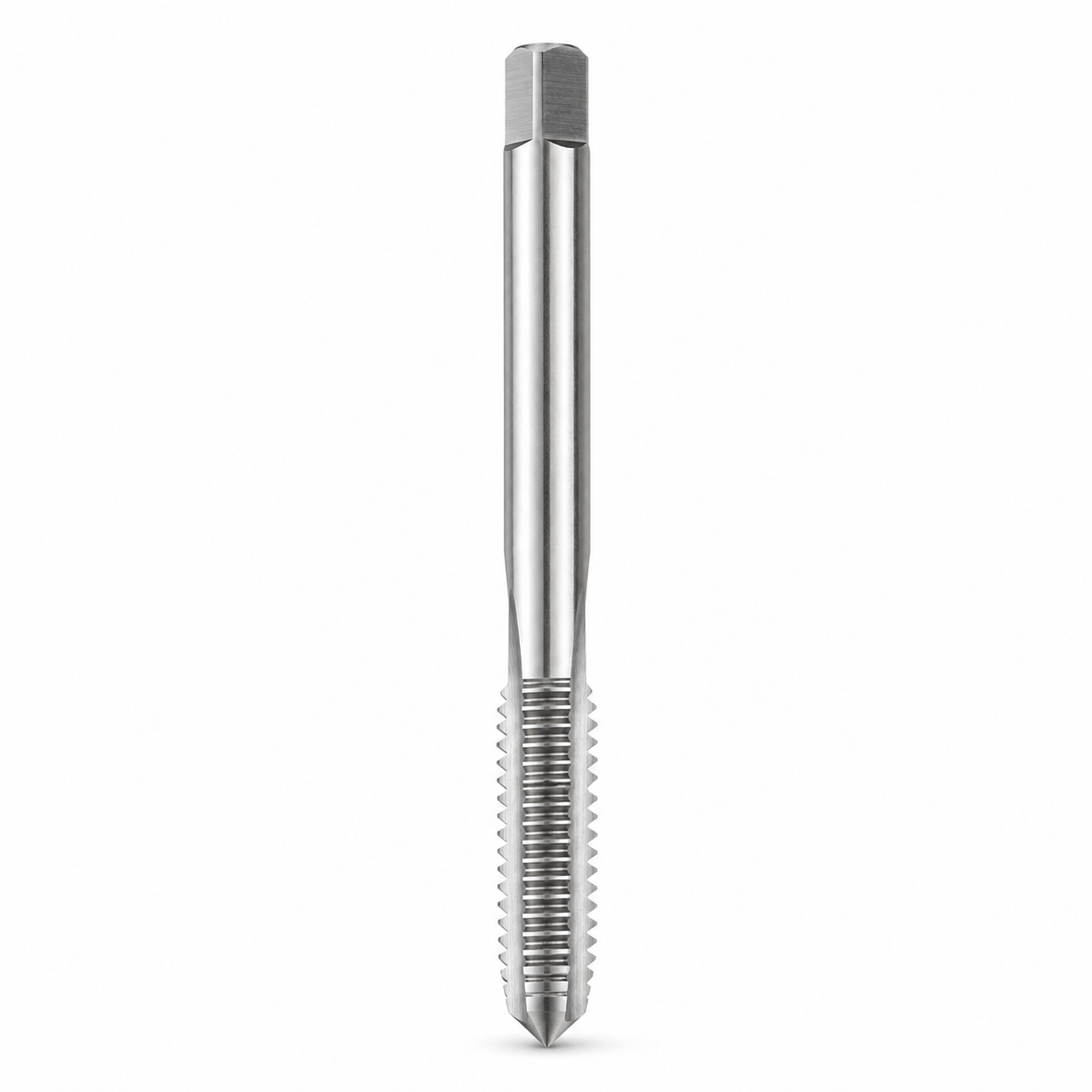 Straight Flute Taps
Usually used for general tasks and broken materials like cast iron, where metal chips break down into small dust on their own.
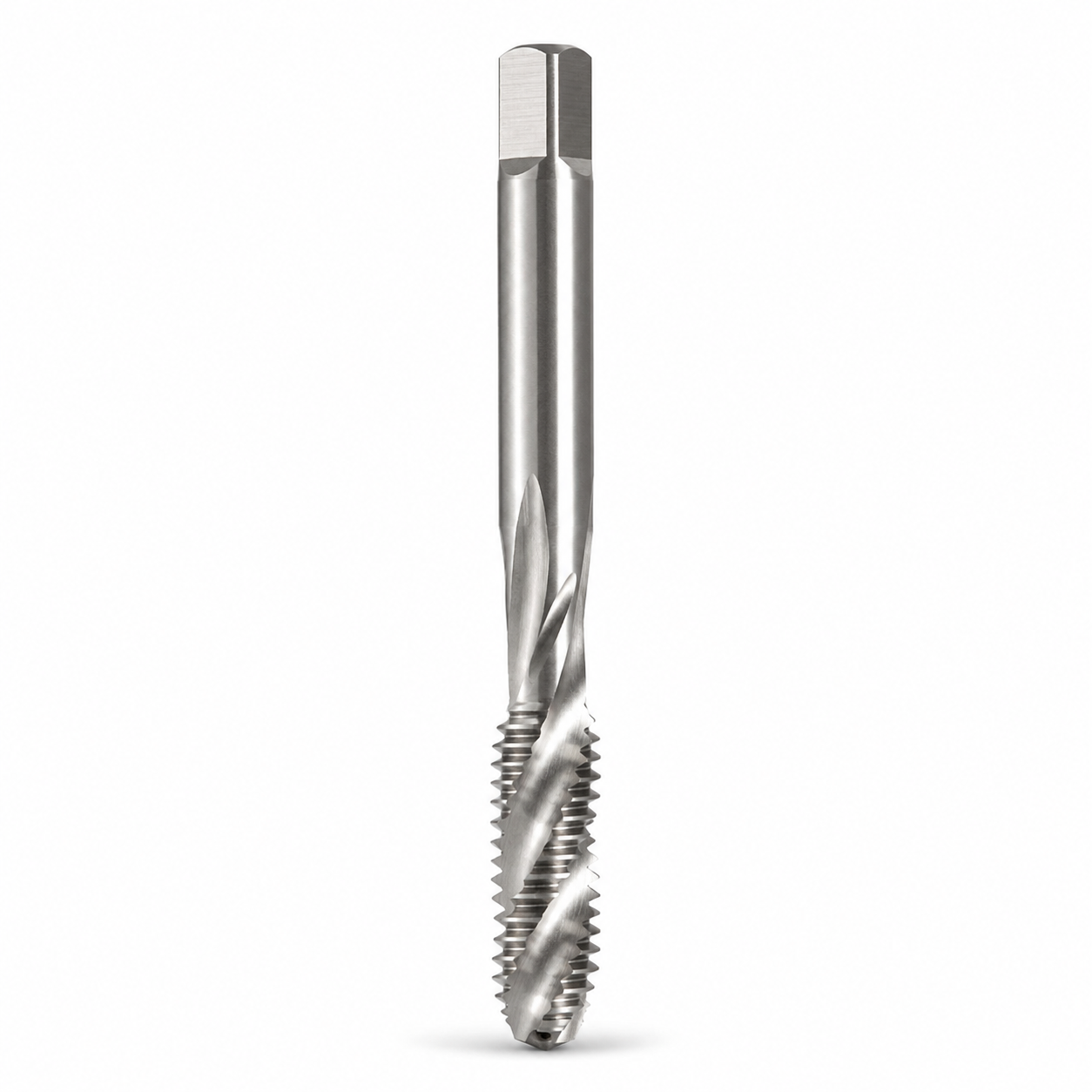 Spiral Flute Taps
Made to pull long pieces of metal out of the hole and up. For blind holes, this is the safest option.
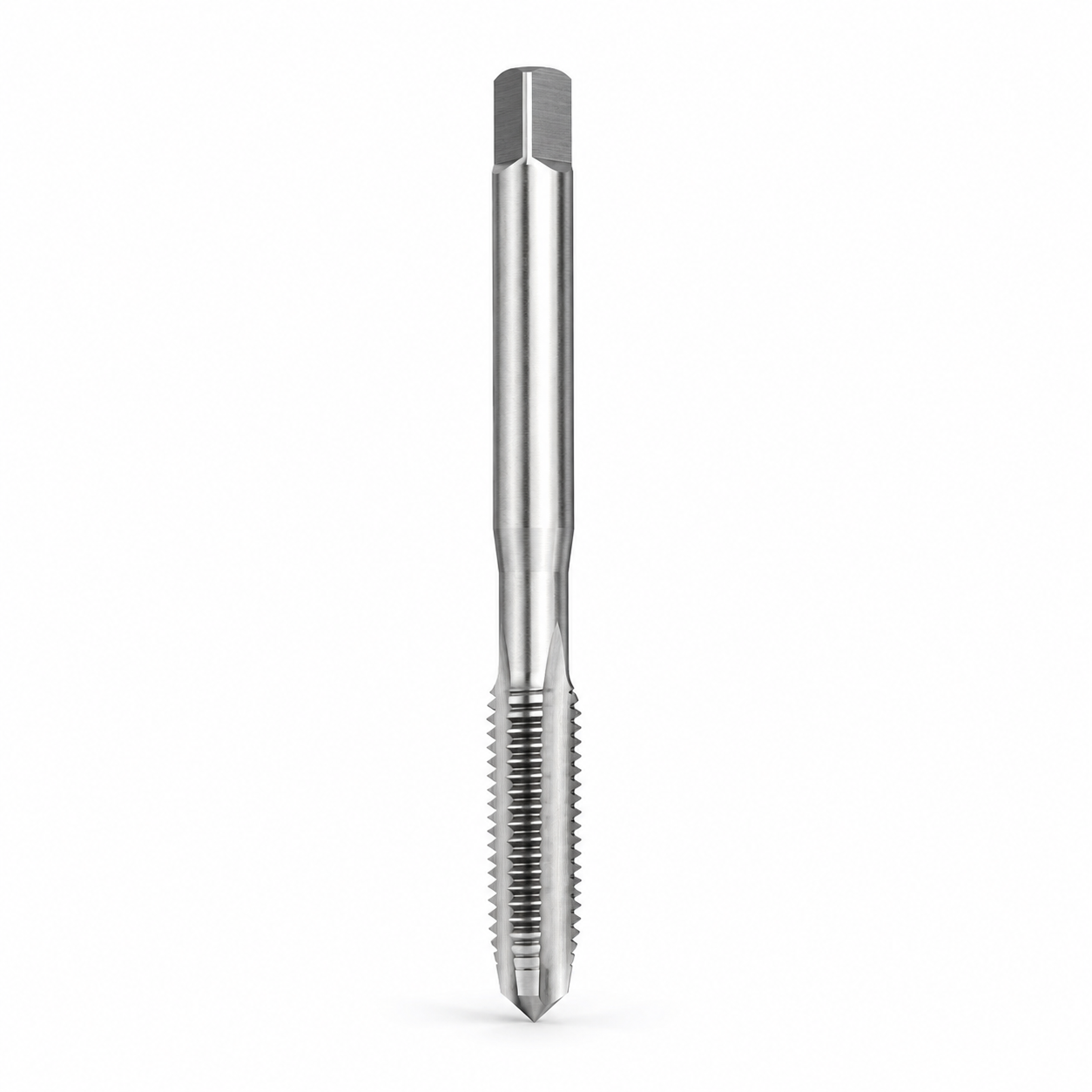 Spiral Point Taps
Built so that the chips can move forward and backward. For through holes, they are the fastest and best choice because trash doesn’t get stuck in the flutes.
Threading Taps By Machining Method
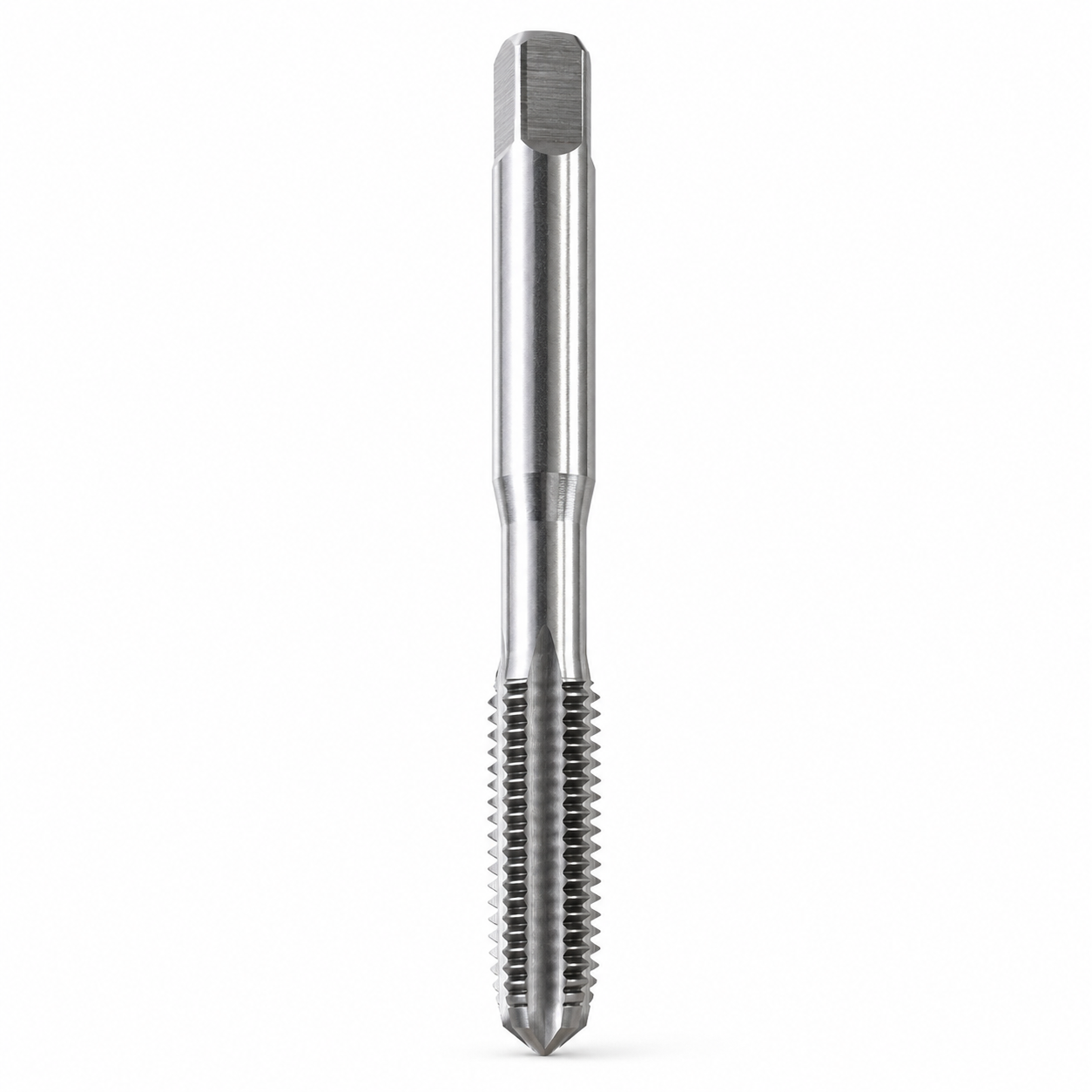 Machine Taps
Made from strong steel and designed to handle the high speeds and high torque of your CNC tools.
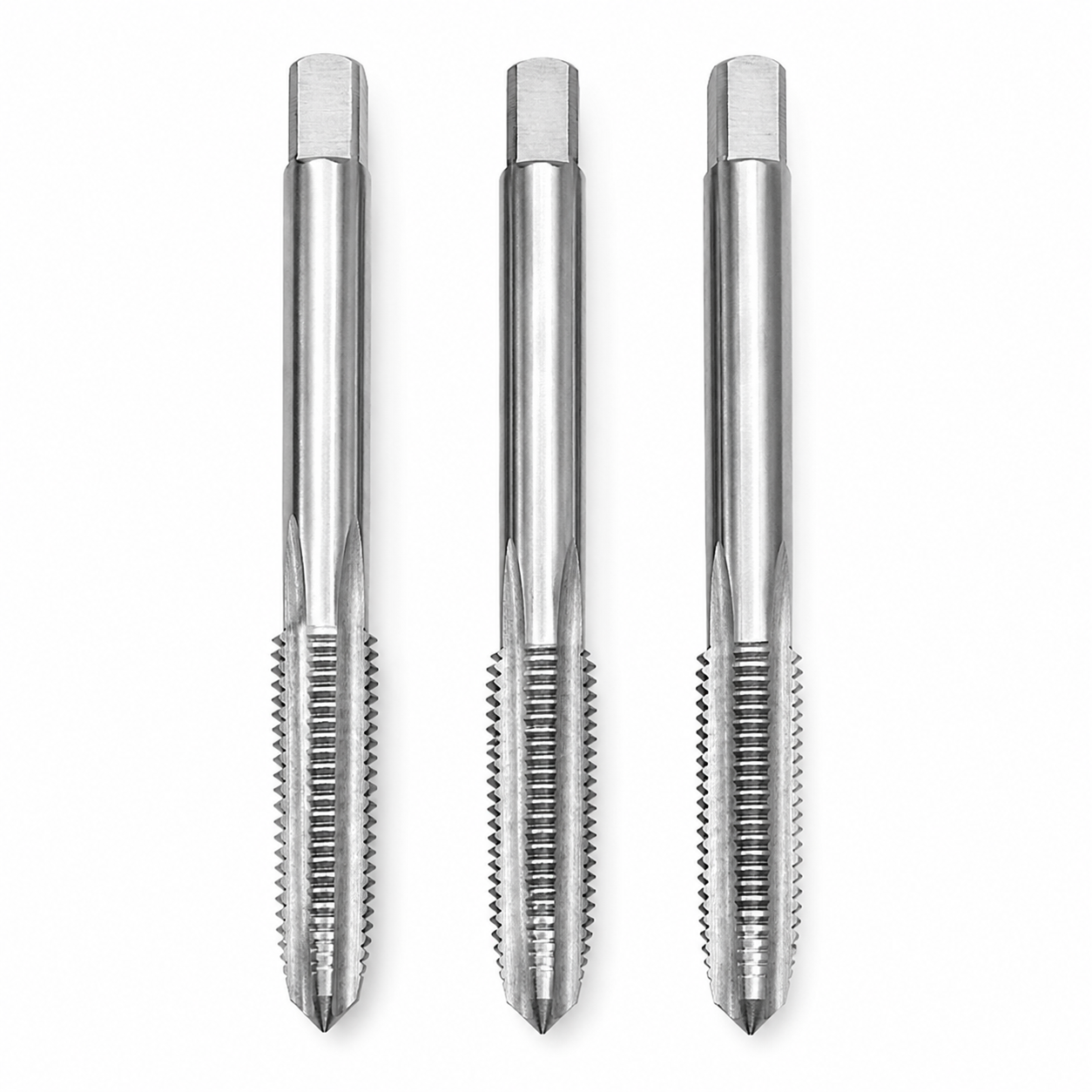 Hand Taps
Sets are often sold. These are great for upkeep, small-scale bench work, or repairs that you have to do by hand.
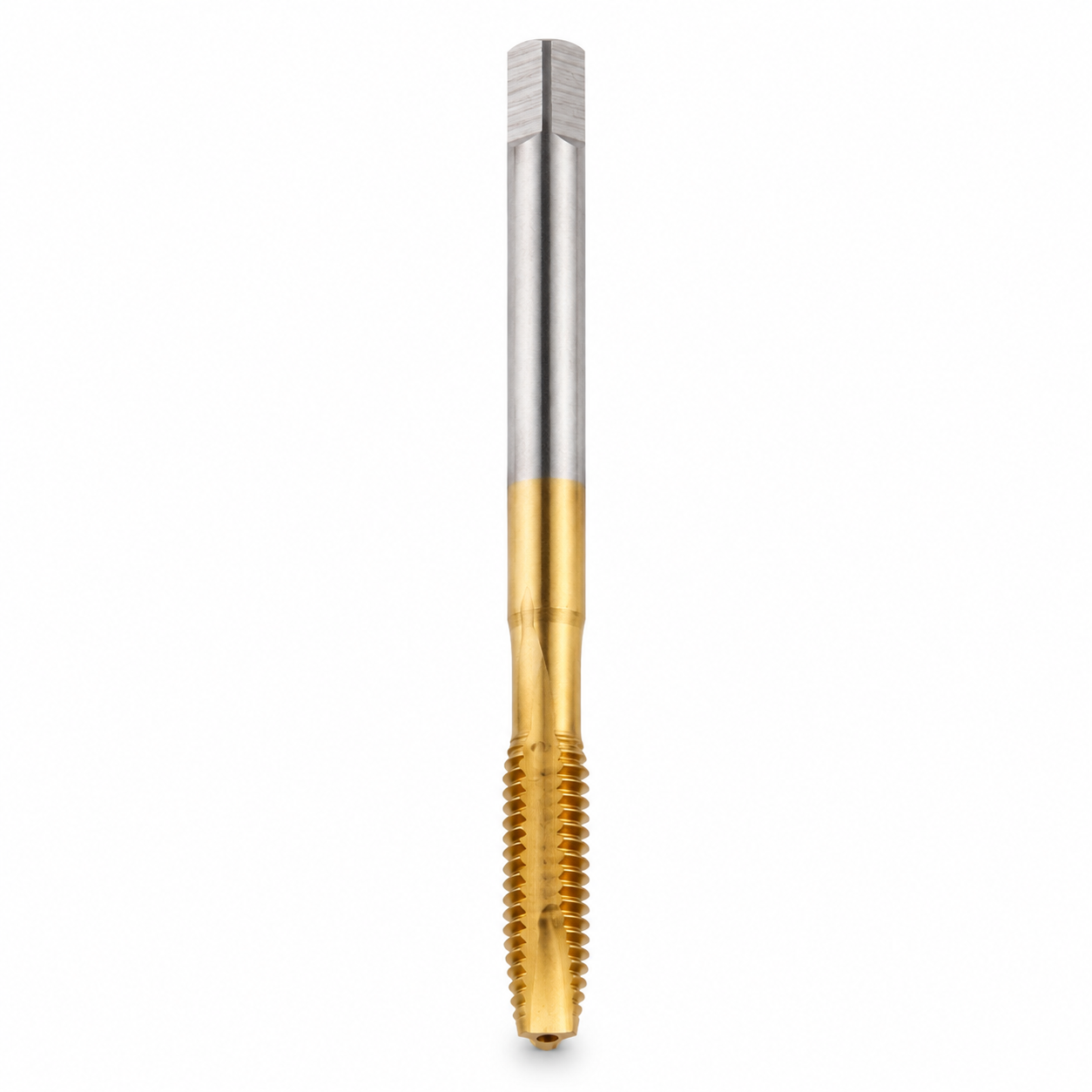 Forming Taps
These press and shape metal into shape instead of cutting it. They don’t leave any chips behind and make threads that are much stronger, which is great for soft metals like aluminium.
Threading Taps By Thread Standard
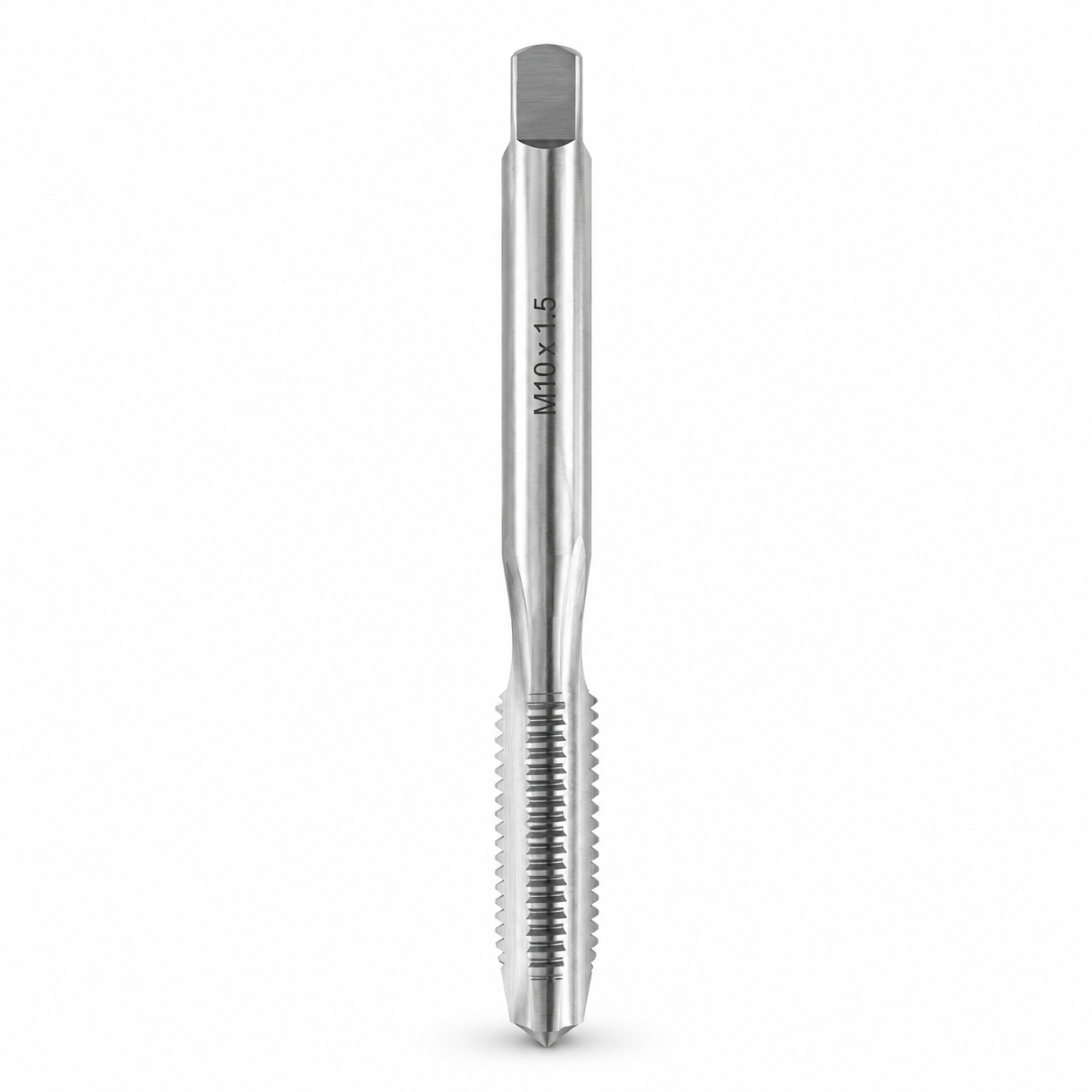 Metric Taps
The standard millimetre size you need for making and putting together parts around the world.
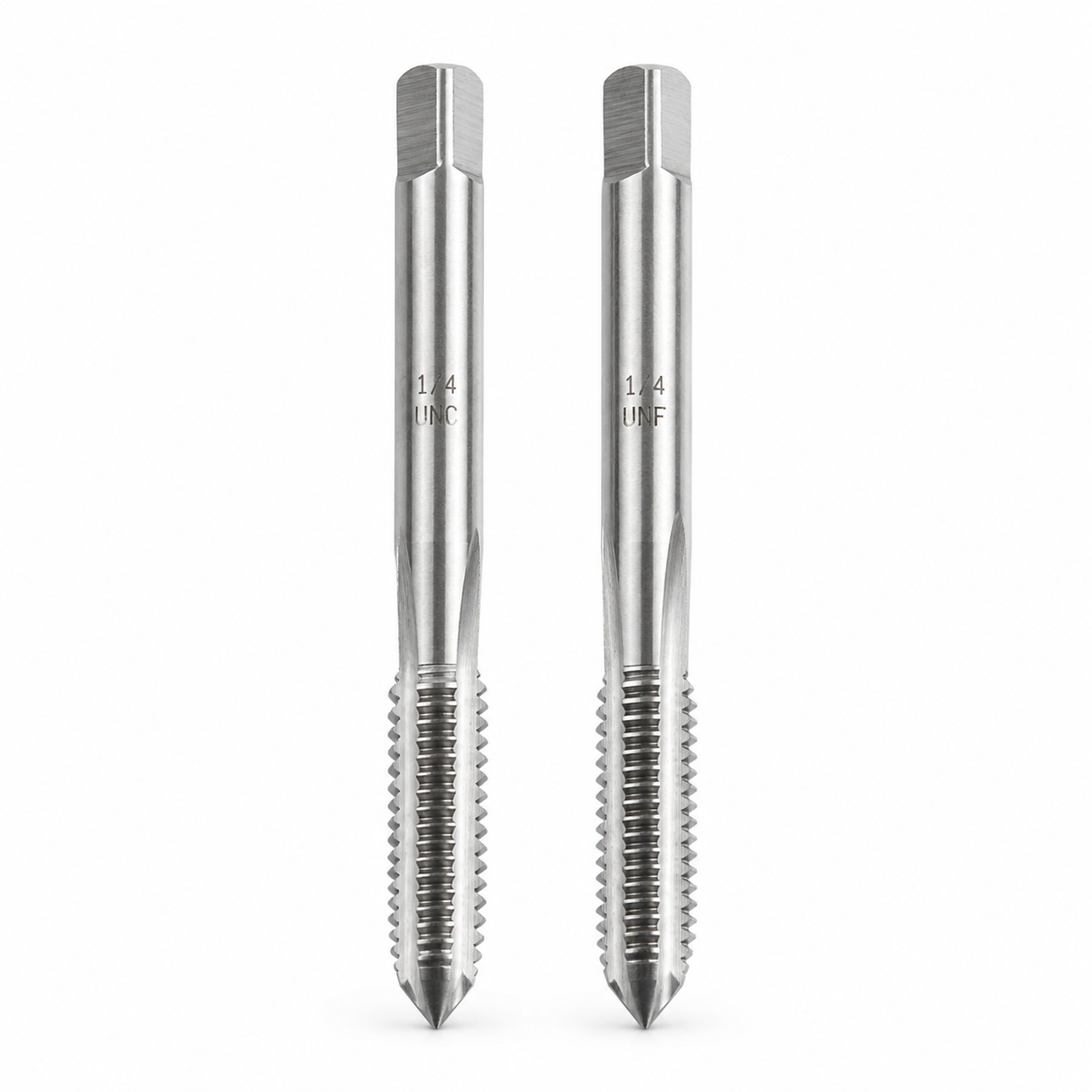 Unified Taps
The required inch-based standard if your factory produces parts for the North American market.
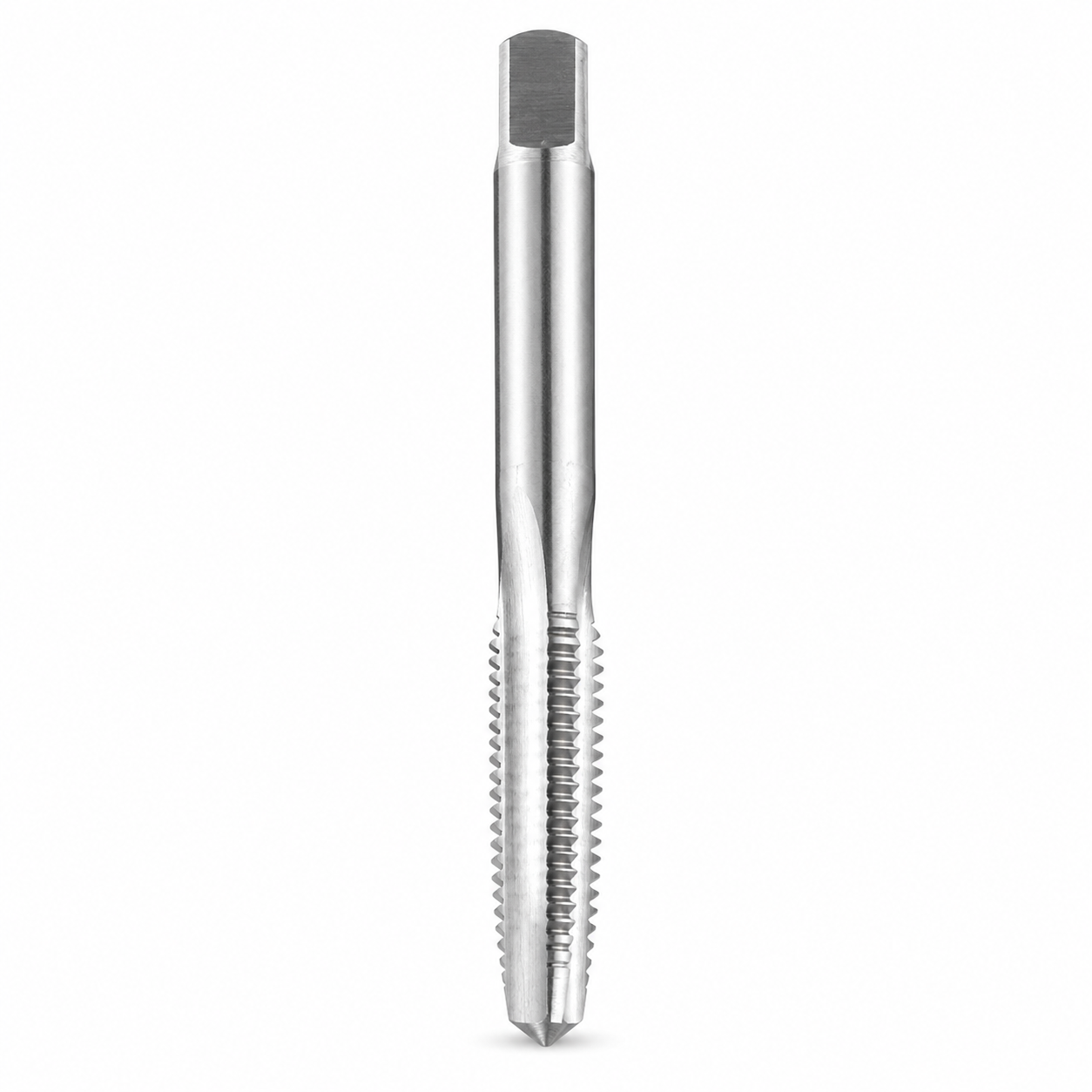 Pipe Taps
Specifically designed with a slight taper to create secure, liquid-tight, and gas-tight seals for plumbing, pumps, and valves.
Why Choose Hanöki Threading Taps
We give our threading taps high-quality coatings that don’t wear down easily. This cuts down on friction by a huge amount, which lets you run machines faster while also making tools last twice as long and saving you money on replacement costs.
We carefully machine the shanks of our threading taps to exact specifications. This makes sure that they lock perfectly into your machine holders and don’t move, so you can be sure that the threading is always stable and correct.
Every threading tap goes through a strict process of being heated up. This makes the cutting teeth stronger so they stay razor-sharp for thousands of holes, which cuts down on the time you have to stop and change tools.
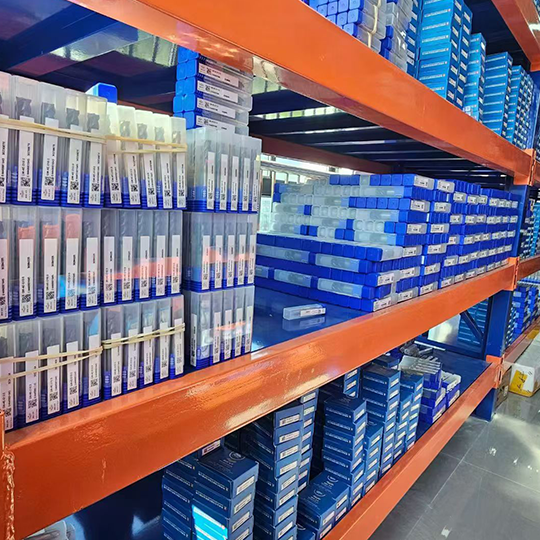
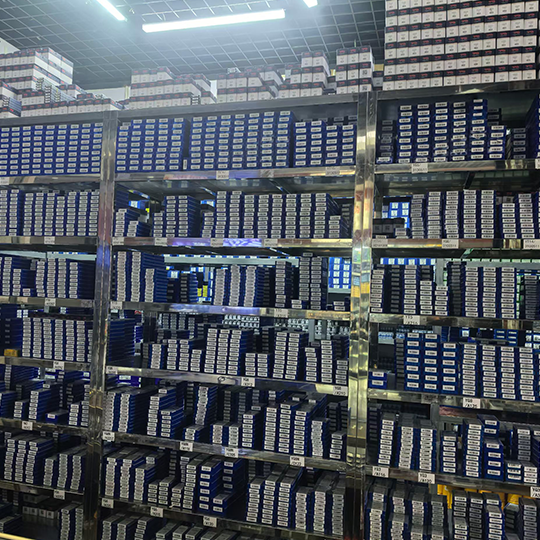
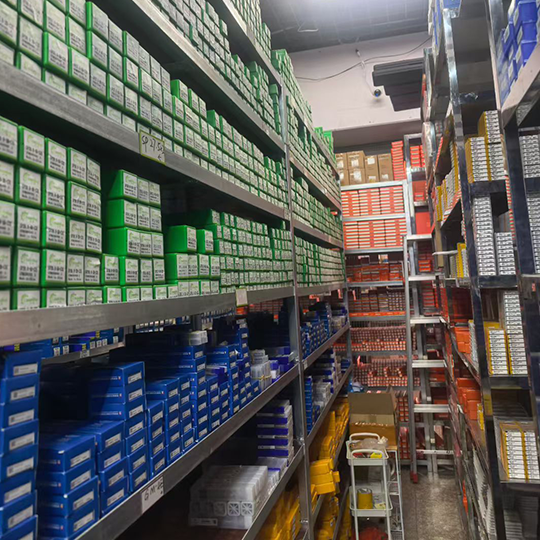
There are a lot of standard metric and imperial threading taps in our warehouse that are always ready to go. This means that you don’t have to wait for a long time for your goods to be made and shipped.
We can work with your budget to make sure you don’t have to place unreasonable minimum orders, whether you’re testing the local market with a small batch or filling a huge production line.
If your operators are having trouble threading, our engineers will work directly with you to change the cutting speeds or tool choices so that your machines can quickly start making money again.
Starts Straight Every Time
If you start a threading tap in the wrong way, the whole part is ruined right away. The tip of our threading taps has a precisely ground chamfer that fits perfectly with the hole you already drilled. This makes sure that the tool is perfectly straight from the very first turn. This stops cross-threading mistakes and keeps your workers from making expensive alignment mistakes.
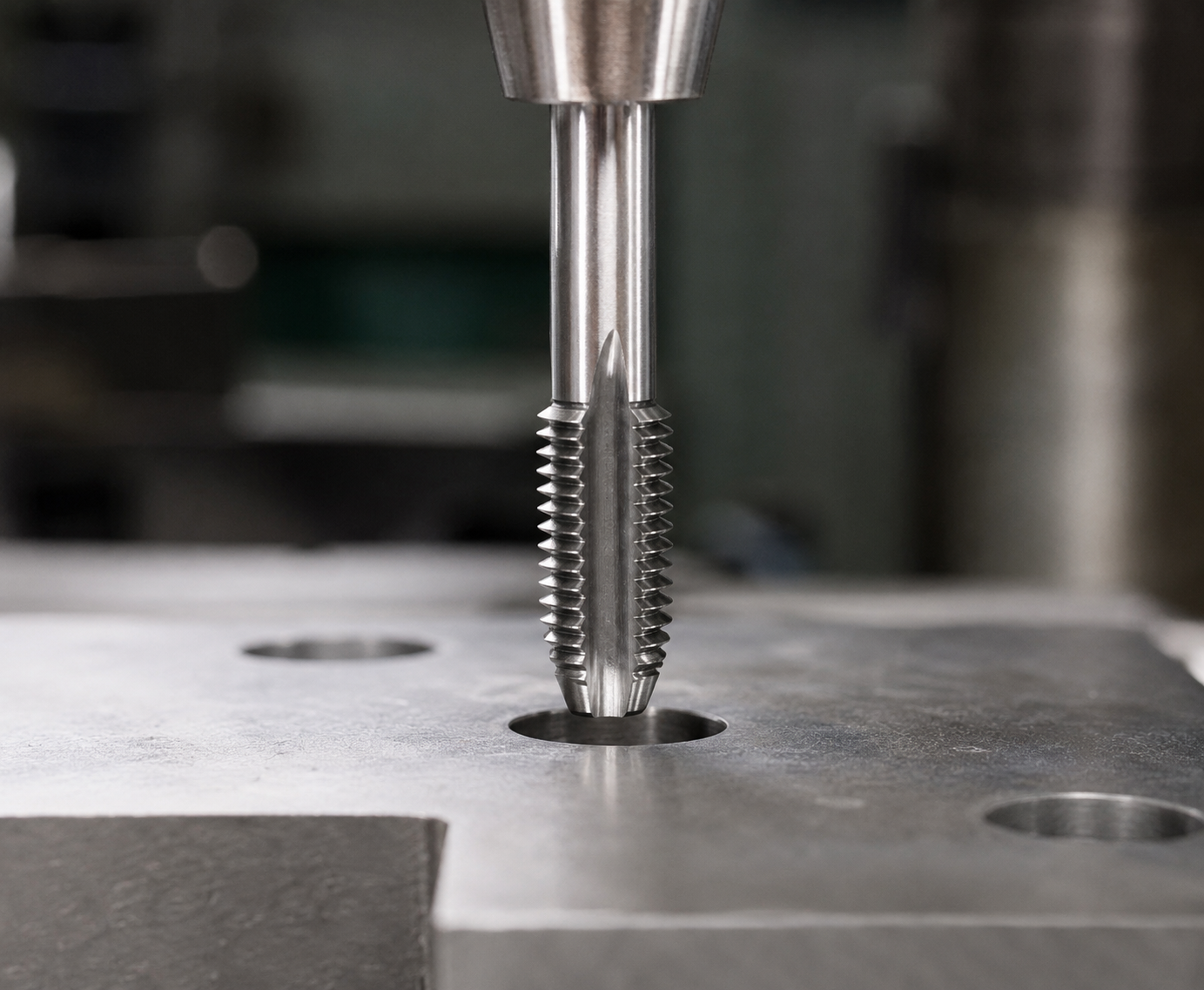
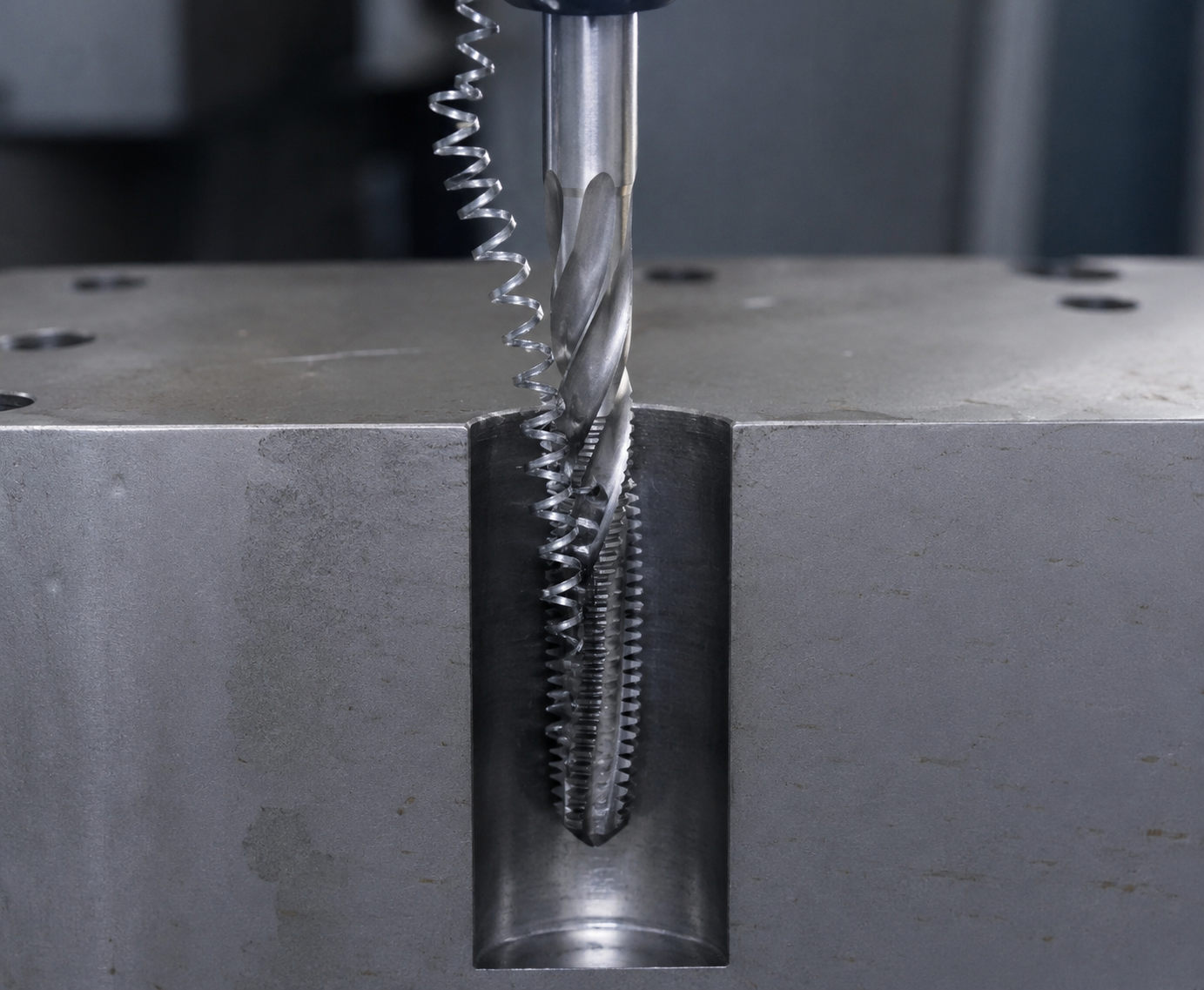
Conquers Deep Blind Holes Safely
When you thread a hole with a solid bottom, metal chips that get stuck have nowhere to go but to break the tap. Our threaded taps are made with special flute shapes that lift and pull the waste out of the hole through the top. This keeps the path clear and makes sure that your production line is safe while threading deep holes.
Lowers Spindle Stress on Your CNC
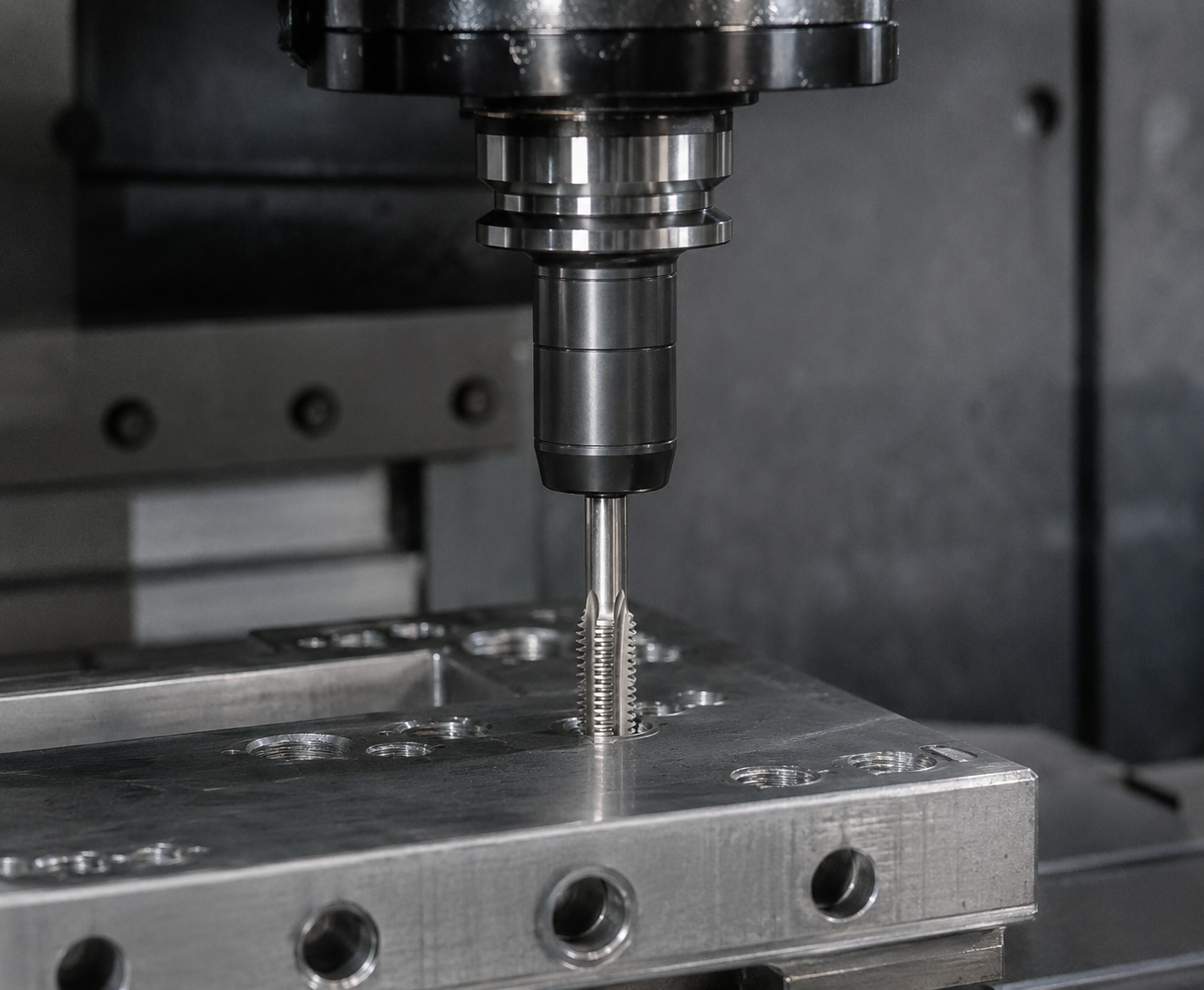
It takes a lot of twisting force to push a dull or poorly designed threading tap through solid steel, which can wear out your machine motors over time. The cutting edges on our threading taps are made to be very sharp, which greatly reduces the amount of torque needed for tapping. The tool does the hard work smoothly, so your expensive CNC spindles don’t have to go through extra wear and tear.
Leaves Mirror-Smooth Internal Threads
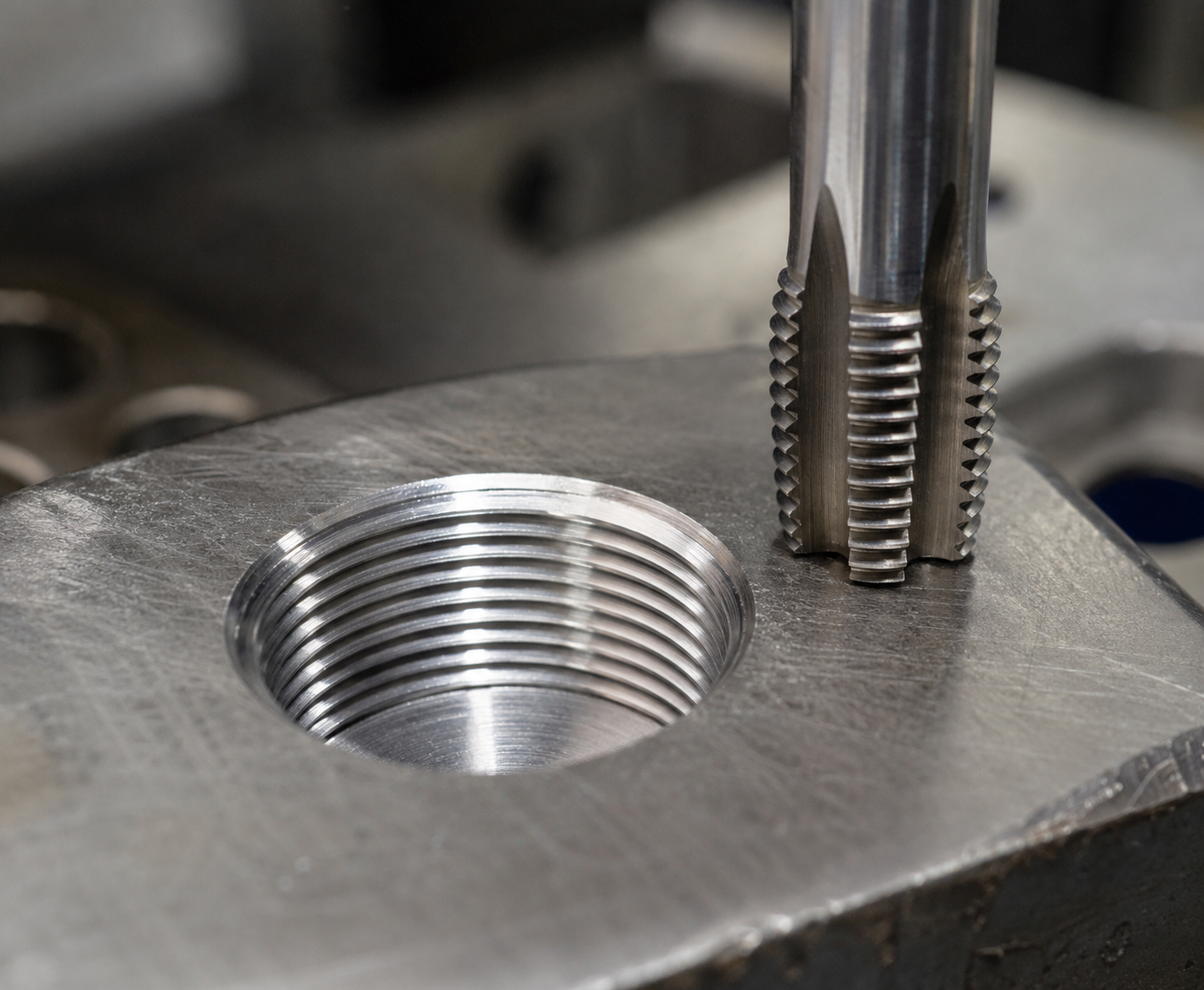
If the threading tap tears the metal instead of cutting it, the bolts won’t fit together properly. When we make our threading taps, we make sure that the cutting angles cut through the material neatly, leaving a smooth, burr-free finish inside the hole. This means that when you’re done putting everything together, the parts will fit together perfectly and won’t need to be cleaned up by hand.
Allows Maximum Coolant Flow
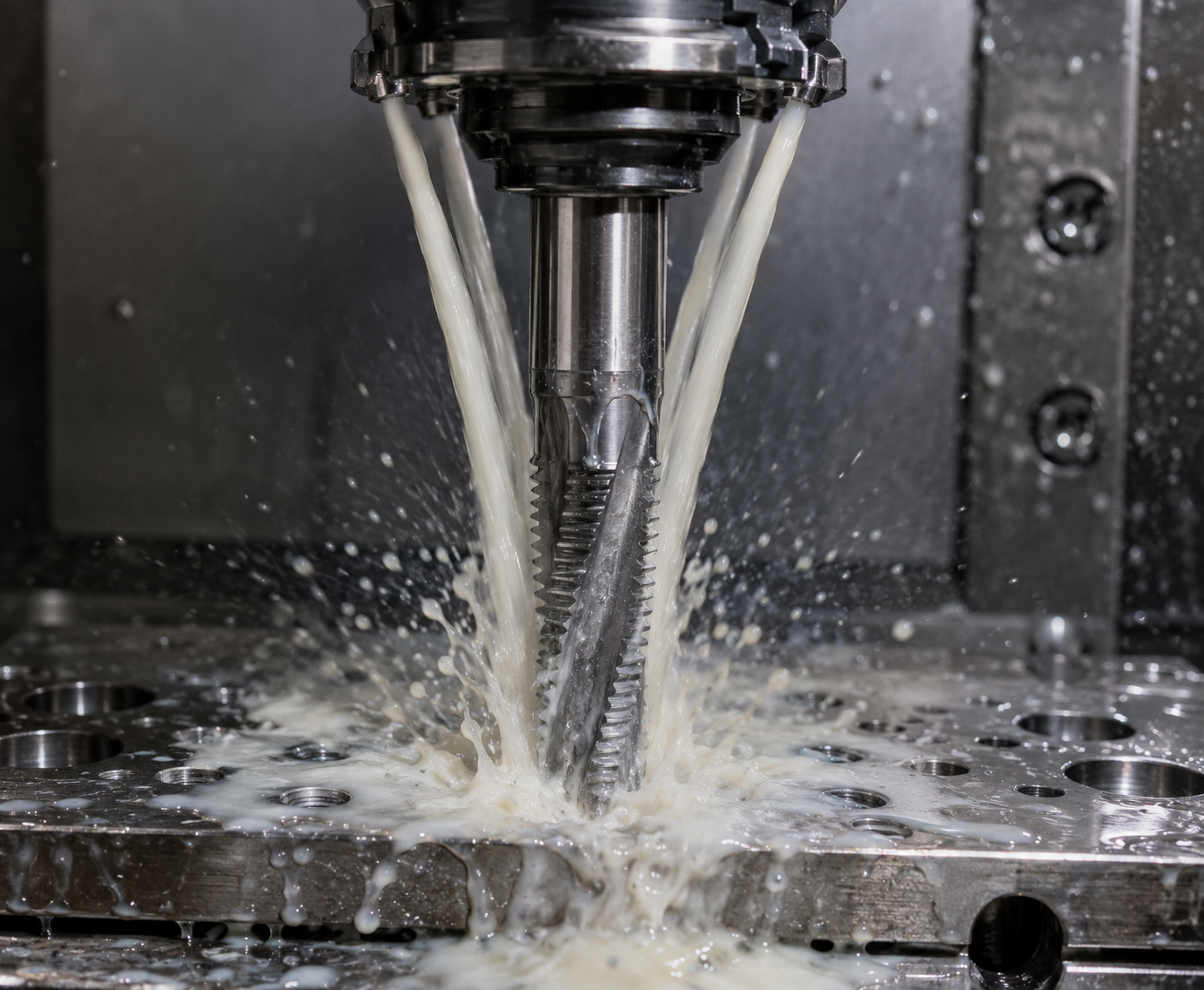
Any threading tap will break if it gets too hot. If the cutting fluid can’t get to the teeth that are cutting through the metal, the threading tap will quickly get too hot and stick to the piece it’s on. Our wide, open flute designs make it easy for your machine’s coolant to flow all the way down to the cutting zone. This gets rid of the heat right away and keeps your high-speed operations safe.
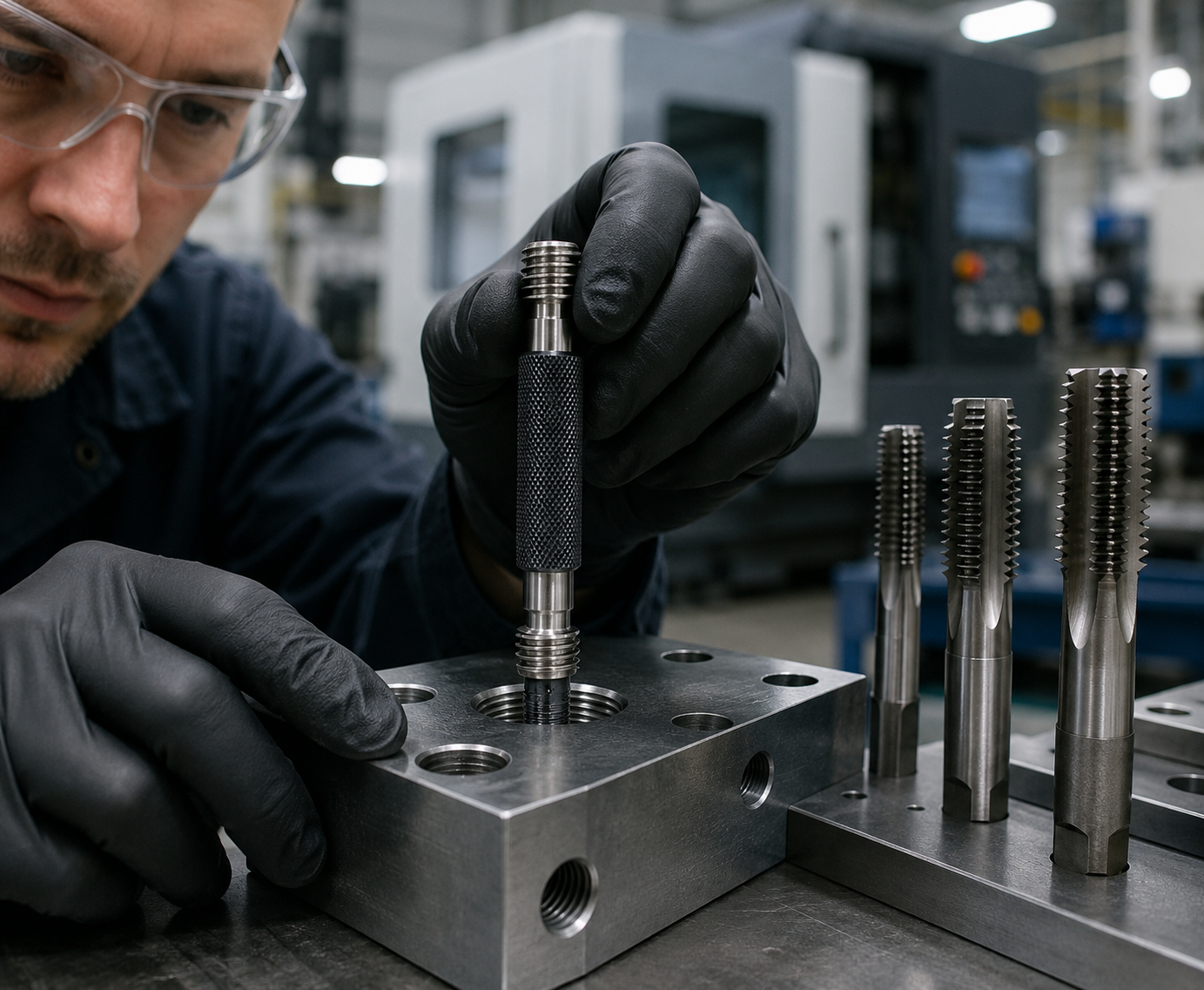
Passes Thread Gauges Much Longer
Every threaded hole in a professional factory has to pass a strict “Go/No-Go” gauge test. The sides of cheap threading taps wear down quickly, leaving threads that are too small and fail inspection. The high-quality industrial steel we use and the way we prepare the edges ensure that our threading taps keep their exact shape for thousands of cycles. You can make a lot of things at once because you know that every hole will pass quality control.
Your Direct Factory for Professional Threading Taps

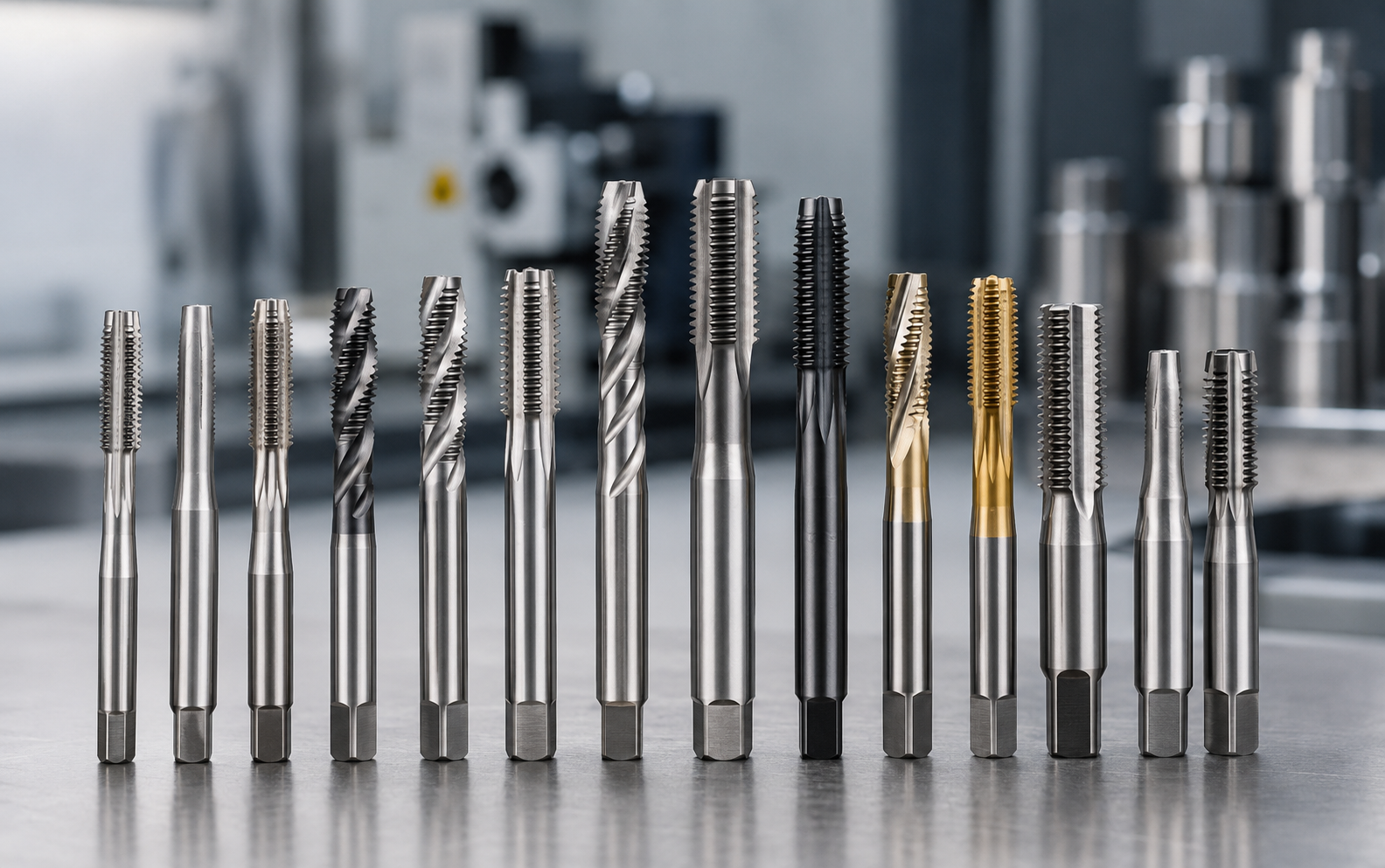
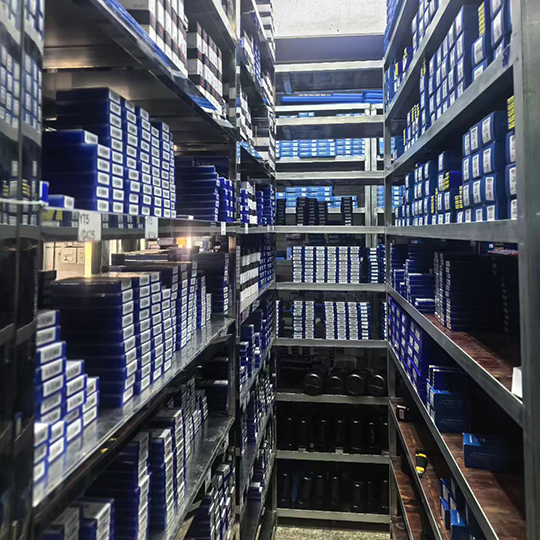
Heavy-duty Hanöki threading taps have been made in our own 25,000-square-meter factory for more than 30 years. We have full control over the quality of every batch because our production line has more than 20 high-tech CNC grinding machines. In other words, you get taps with cutting teeth that are very, very sharp and exact thread profiles that can easily pass strict industrial gauge inspections.
You can avoid trading middlemen and get aggressive pricing that protects your profit margins when you buy directly from our factory floor. We keep a huge collection on hand, which lets us ship large orders all over the world without your production lines having to wait. If any of your machine operators ever have trouble threading tough metals, our team of 10 senior application engineers is always ready to help them directly. We can give you the trustworthy tools you need to keep your company running smoothly and making money.
Threading Taps Application Areas
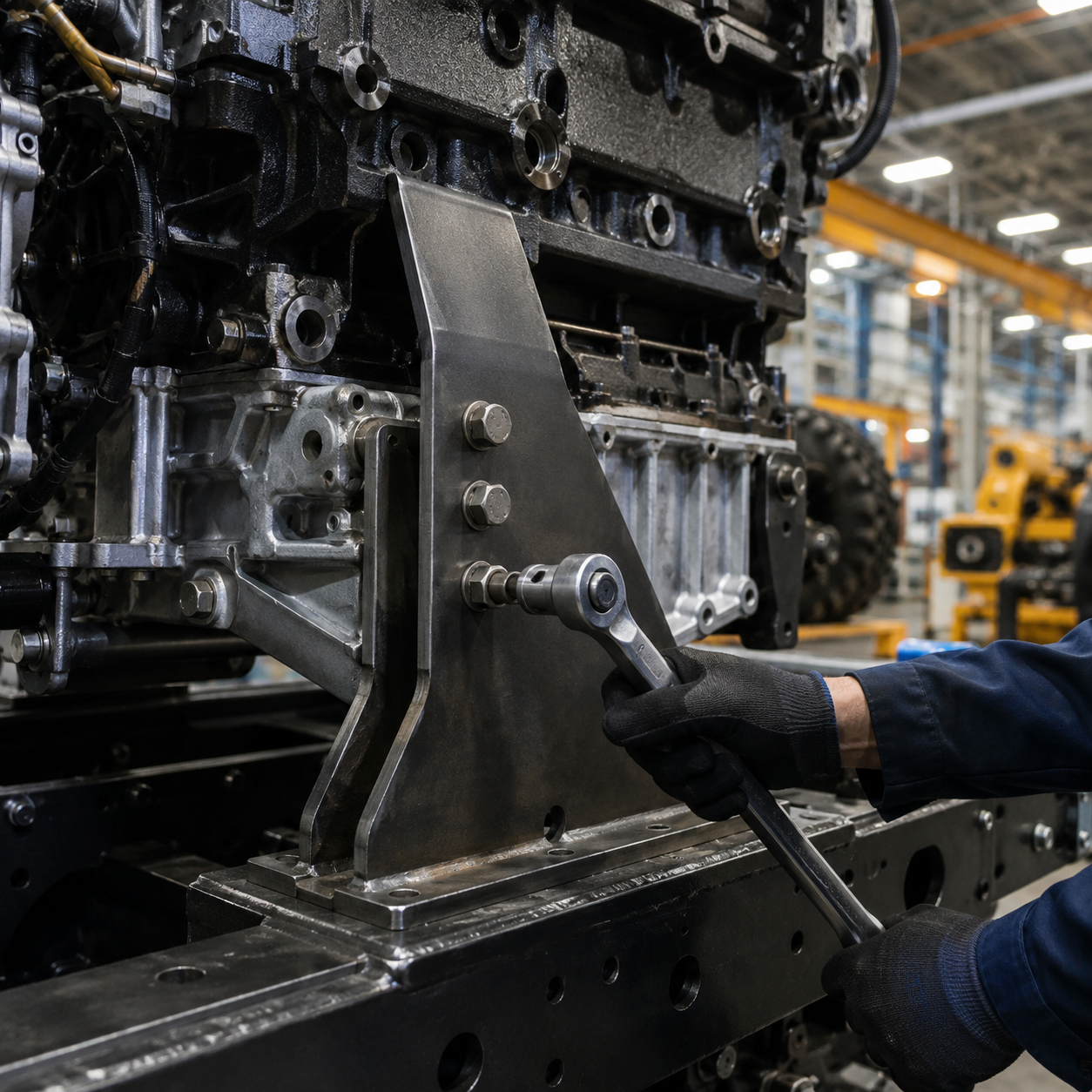
When you make engines or other heavy machinery, you have to bolt every metal plate and bracket together very tightly. Threading taps make the exact grooves inside that heavy-duty bolts need to lock into solid metal. This makes sure that the machines you put together can handle heavy loads and strong vibrations every day without any parts coming loose.
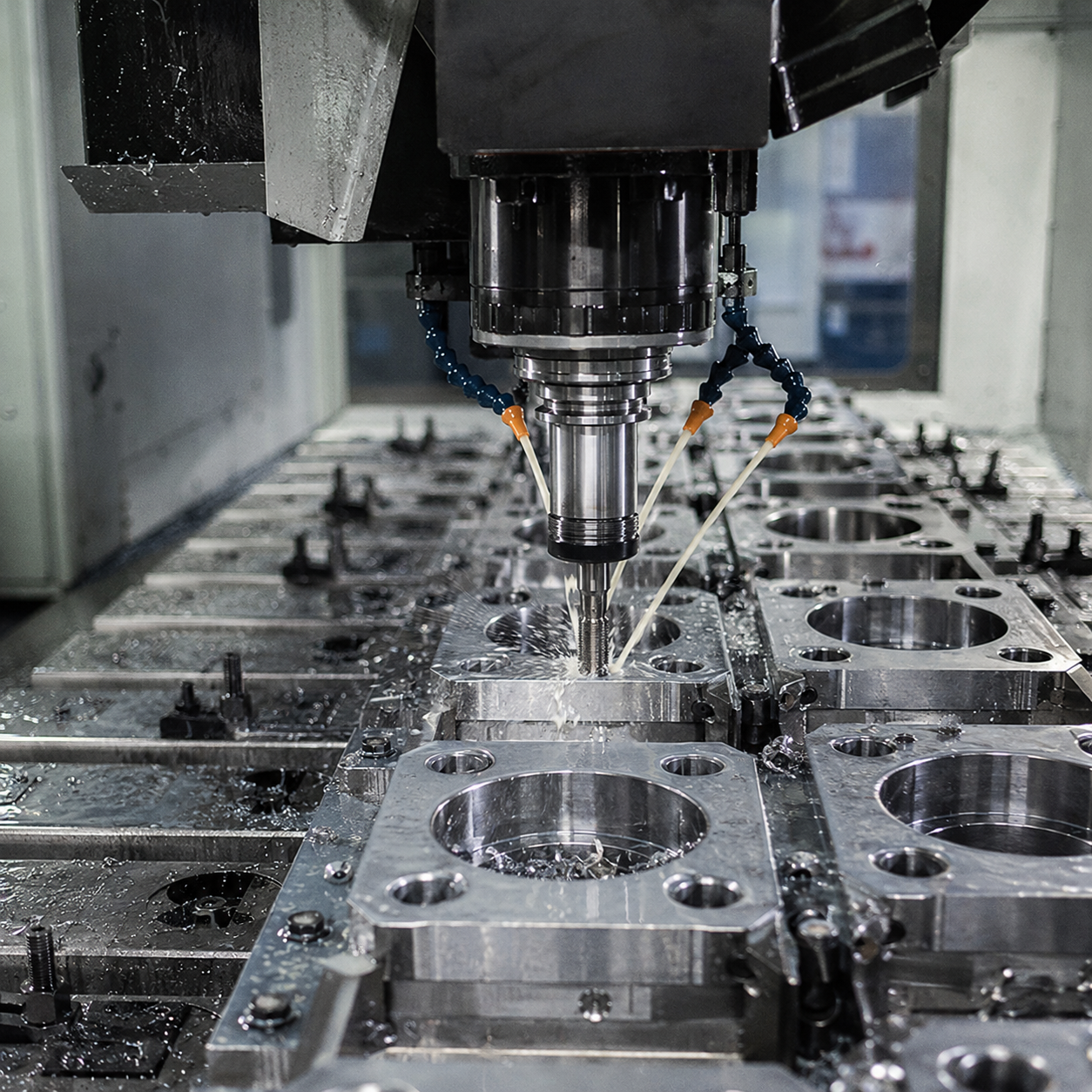
Machine taps are used when a factory needs to thread thousands of holes in metal flanges that are all the same. Automatic CNC centers lock these tools in place so they can cut threads at high speeds all the time. Because they smoothly move metal chips out of the way, your production line can make a lot of things at once without having to stop to fix tools that get stuck.
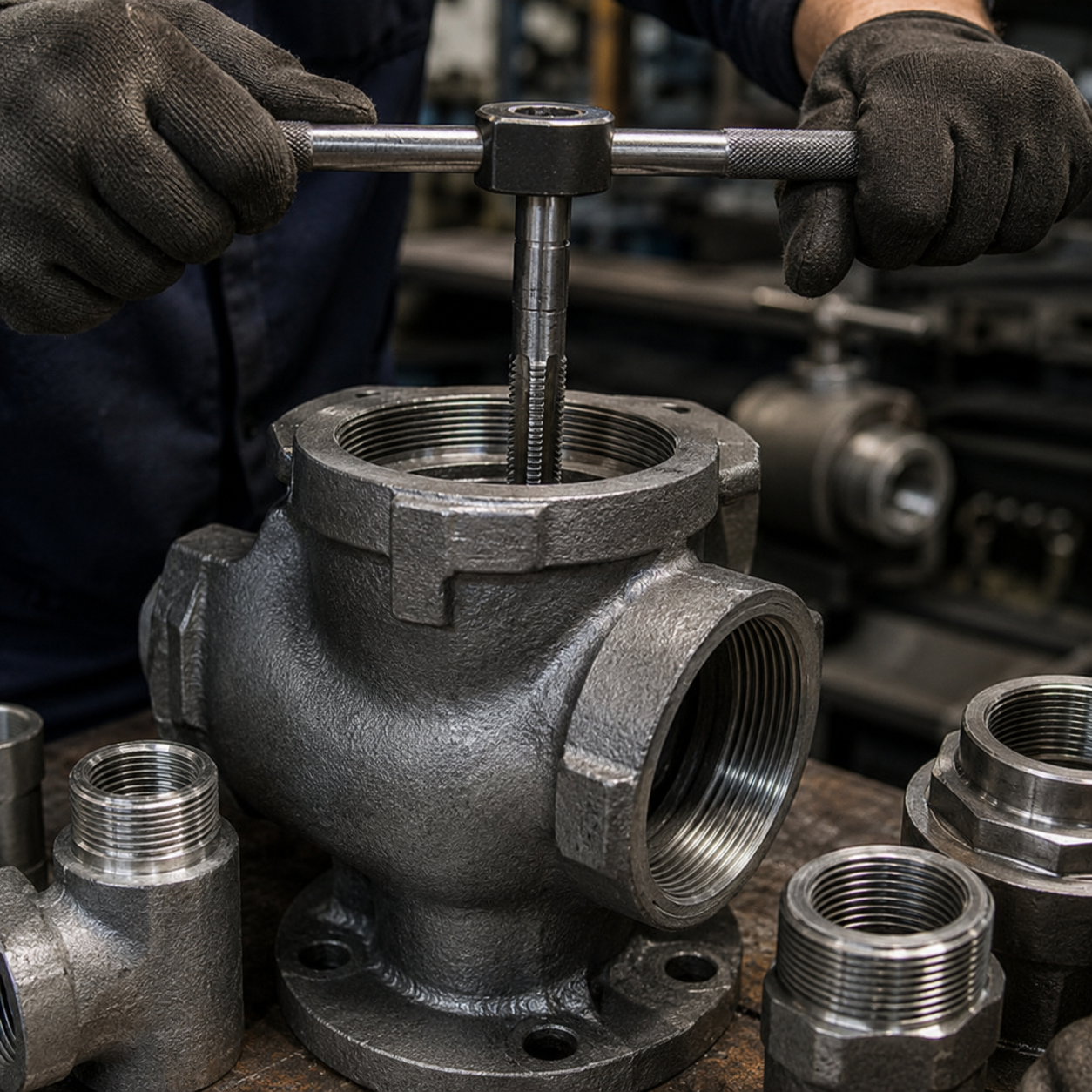
When you make fluid control systems like air valves or water pumps, you can’t have connections that leak. Pipe taps are used to make threads in metal parts that are a little tapered. This lets you screw pipes together tightly, making a safe seal that can handle moving gases and liquids without leaking.
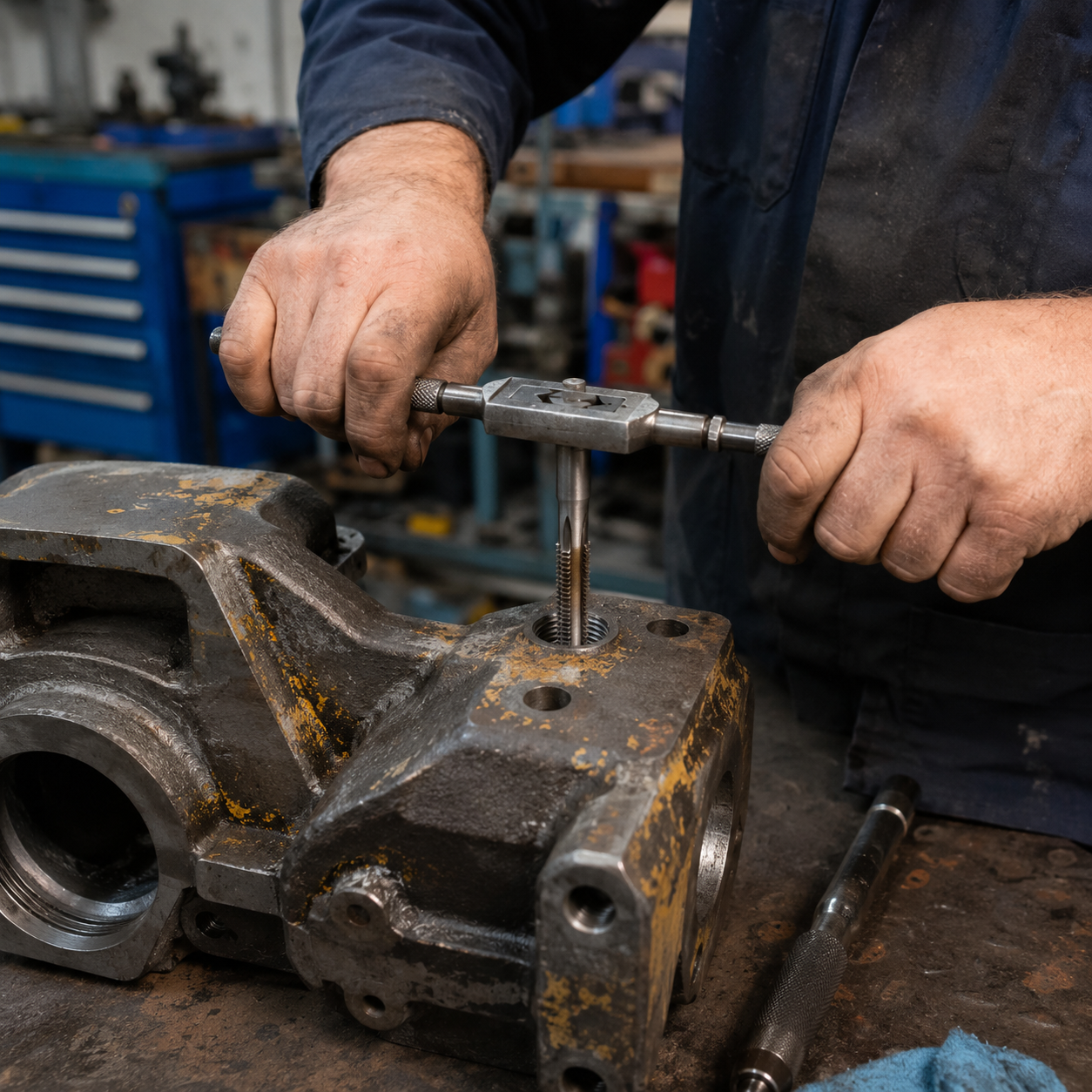
When expensive shop tools are used every day, the internal threads can become stripped or heavily rusted over time. Your maintenance staff doesn’t have to throw away a valuable metal part because they can clean out and recut the hole with a hand tap. This fixes the broken threads right away, which saves your shop a lot of money on new parts.
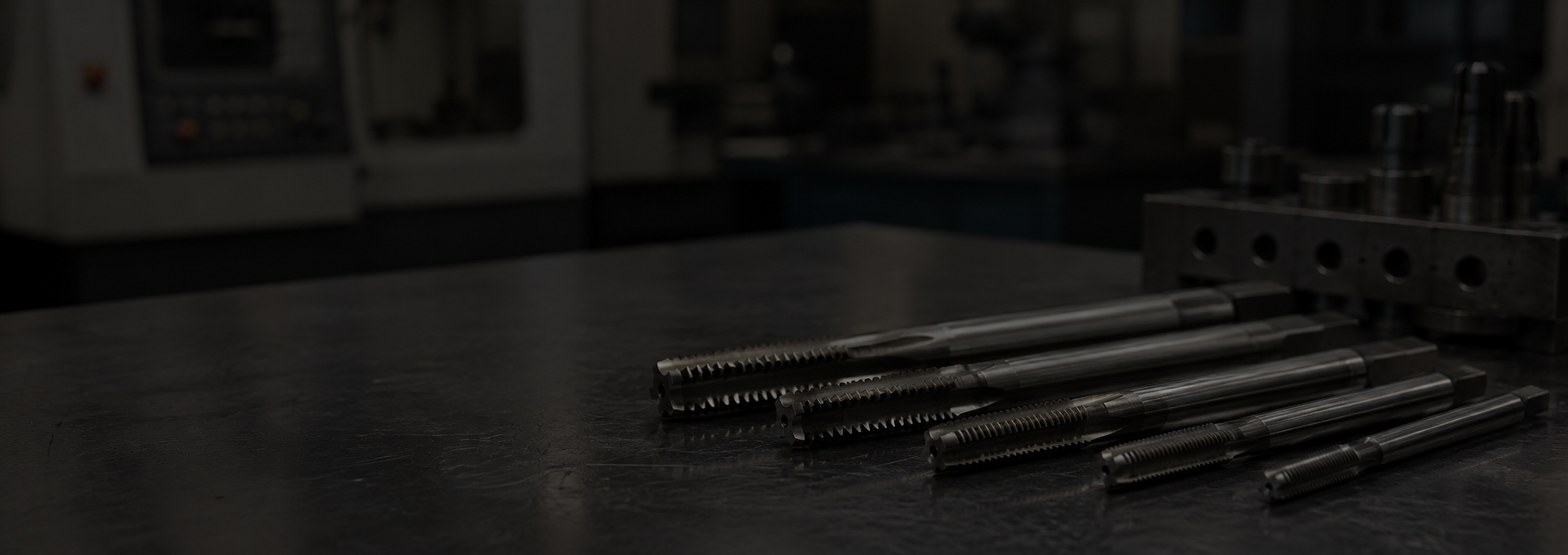
A threading tap is a very sharp cutting tool used to make threads inside a hole that has already been made. It’s used to make sure that a bolt or screw fits securely into a metal piece.
In a hole, like in a nut, a threaded tap cuts threads that go inside the hole. In the same way that a bolt is made, a threading die cuts threads on the outside of a solid rod. For full fastening solutions, you need both.
A twist drill bit is used to remove metal and make a hole that is smooth and empty. A threading tap is used to make spiral rings inside the blank hole so that a threaded fastener can fit.
You have to drill a hole that is exactly that big before you can use your threading tap. This is called the tap drill size. The tap will break if the hole is too small, and the threads will not be strong if the hole is too big.
Yes. Machine taps are used in CNC centers in large factories, but a hand tap and a tap wrench can be used for small-scale bench work, repairs, or maintenance.
Straight flute taps are the most common type. Spiral flute taps are used for blind holes, spiral point taps are used for through holes, and forming taps are used for chipless threading.
When making blind holes, you need to use a spiral flute threading tap. The spiral flutes move the metal chips up and out, which keeps the tool from getting stuck and breaking at the base.
For through holes, a spiral point threading tap is the best tool to use. The metal chips are pushed forward and out of the bottom of the workpiece by this part. This keeps the cutting flutes free for high-speed CNC tapping.
Hand taps are usually sold in sets of three so that you can cut by hand, one step at a time. Heavy-duty steel and special chip-clearing shapes are used to make machine threading taps that can cut the whole thread in a single high-speed CNC pass.
Forming taps, on the other hand, press and reshape the metal to make internal threads without leaving any chips behind. They are mostly used on aluminium or brass, which are soft metals that are easy to shape.
Not at all. A straight flute threading tap doesn’t push chips out; instead, it stores them in its grooves. In a deep, blind hole, the chips will pack together and break the tap. In its place, use a spiral flute tap.
Pick based on the type of hole and the material. For through holes, choose a spiral point tap, and for blind holes, choose a spiral flute tap. Also, make sure the threading tap has high-quality coatings (like TiN) to handle CNC speeds.
Threading taps usually break because the chip doesn’t move freely (clogs), the starting hole is too small, there isn’t enough cutting fluid, or the tool is dull, which makes the tapping torque higher.
As long as you have the right tool, you can back out a screw tap that has broken. Electrical Discharge Machining (EDM) is often used by CNC shops to burn out a broken tap without damaging the part. This is done when there is a severe jam in an expensive part.
Oversized threads happen when the threading tap is out of place (enters crooked), worn out, or metal chips are wrapping around the cutting teeth, making the tool cut wider than it should.
To keep the chips from getting stuck, make sure the shape of the tap matches the shape of the hole (spiral flute to push chips up, spiral point to pull them down). Also, use a lot of high-pressure coolant to clean the flutes.
How long it lasts depends on what you are cutting. A high-speed steel (HSS) threading tap can make a lot of holes in soft aluminium, but it will break down faster in hard metal steel. Premium finishes make this tool last a lot longer.
Yes, but you need CNC grinding equipment that is very accurate. For most factories, it is cheaper to buy new standard threading taps. However, big speciality taps are often sent back to the maker to be sharpened again.
Of course. Using a good tapping fluid or CNC coolant lowers friction, keeps the cutting teeth sharp, stops heat buildup, and helps flush out chips, which makes sure the internal thread is smooth.
The exact RPM is based on how hard the metal is and how big the tap is. To keep the power up and keep the cutting teeth from getting too hot, threading taps are usually run at slower speeds than twist drills.
Yes. When you chamfer the edge of your blank hole with a countersink tool, the threading tap goes in straight. This keeps the top threads from chipping or tearing when the bolt is introduced.
In CNC peck tapping, the threading tap cuts a few threads, turns around a little to break up the metal chips, and then goes deeper. This keeps the chip from getting stuck in very deep holes or tough materials.
The cutting makes stainless steel hard very fast. To keep the tool from welding to the metal, you need an HSSE (cobalt-alloyed) machine threading tap with sharp cutting edges and heavy-duty coolant.
A making tap, also known as a roll tap, is often the best tool for shaping soft aluminium because it does not leave chips in the metal. If you have to use a cutting tool, pick a threading tap with highly polished flutes so the aluminium doesn’t stick to them.
When used on hardened steel (above HRC 45), standard HSS threading taps will burn up right away. Solid carbide threading taps or highly coated tools made for hard machining are the only ones that will work.
How to Pick the Best Threading Tap for Your Job
You could break the tool deep inside an expensive, almost-finished part if you pick the wrong threading tap. If you use a standard straight-flute tap in a blind hole, the metal chips will not be able to get out; they will pack together, stop the tool, and break the steel right away. A plain tap, on the other hand, will burn the cutting teeth flat before you finish even one hole when used on hard metals. To keep your CNC machines running smoothly and protect your workpieces, you need to make sure that the tap geometry is right for the job. To safely pull chips up and out of blind holes, use a spiral flute tap. To move trash forward through holes, use a spiral point tap. If you take a moment to choose the right flute design and add the right cutting fluid, you will not have to waste hours of expensive machining time.