

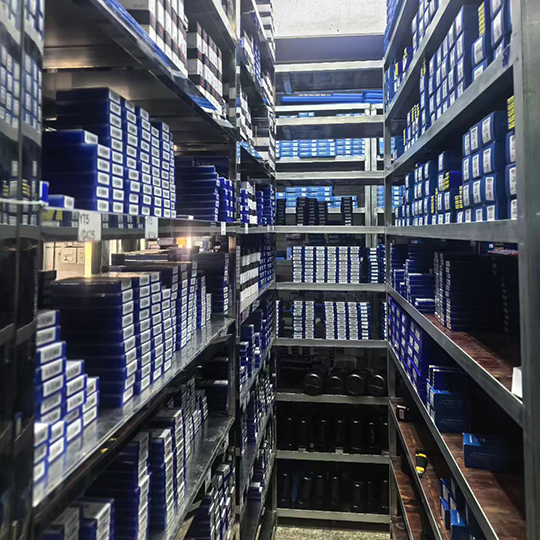
Your leading High-Rigidity Milling Inserts Manufacturer in China
- Fewer Broken Edges: Handles tough jobs and forceful feeds without chipping suddenly.
- Stays Accurate Longer: Keeps its shape so that your parts stay in spec longer.
- Chews Through Metal: Can easily mill difficult cast iron, hard steel, and sticky aluminum.
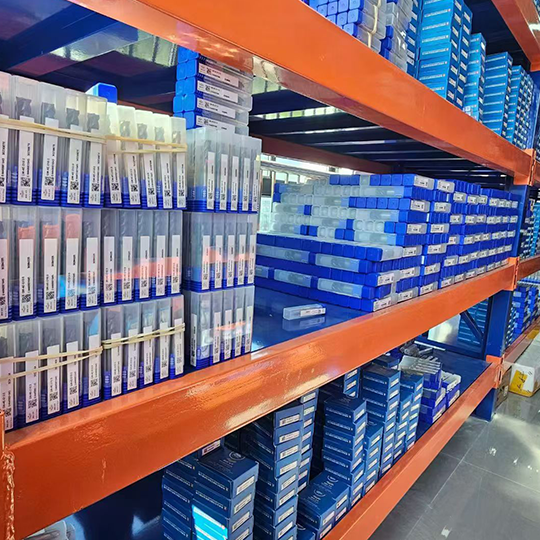
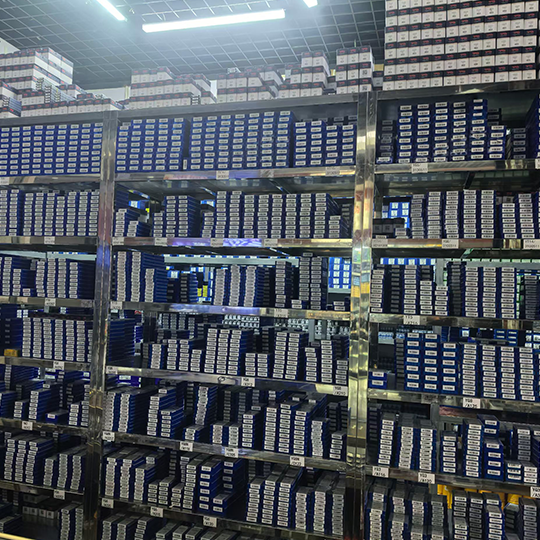
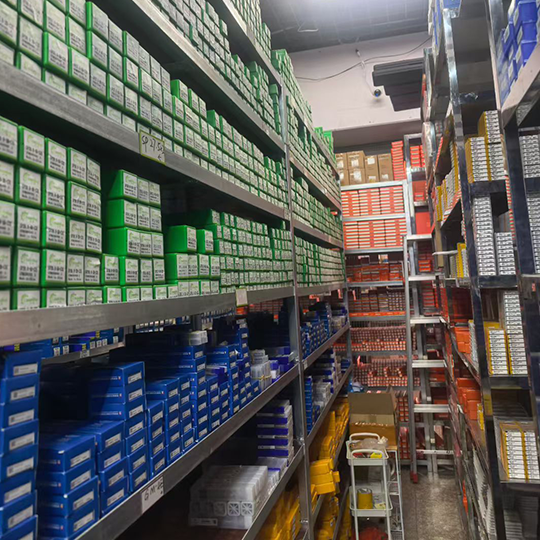
- Always in Stock: We keep a huge inventory, and we can keep your machines never stop running.
- Factory Direct Deals: To keep your tooling expenses low, buy directly from Hanöki.
- Real Human Support: Do you have an issue with machining? Our 10 engineers are here to help.
What are Milling Inserts?
- It’s a waste of money to throw away a whole cutting tool just because the tip gets dull. That’s why milling inserts are a good idea. The cutter is basically a strong steel holder, and the inserts are the cutting teeth that may be changed. When an edge gets dull, all you have to do is change the insert to a new, sharp side.Your shop will save a lot of money by merely replacing the small cutting edge. The primary holder also stays in your CNC, which saves time while setting up. Hanöki milling inserts are robust enough to handle high heat, so you can make clean, consistent cuts in hard metal without spending a lot of money.
The True Cost of Cheap Milling Inserts
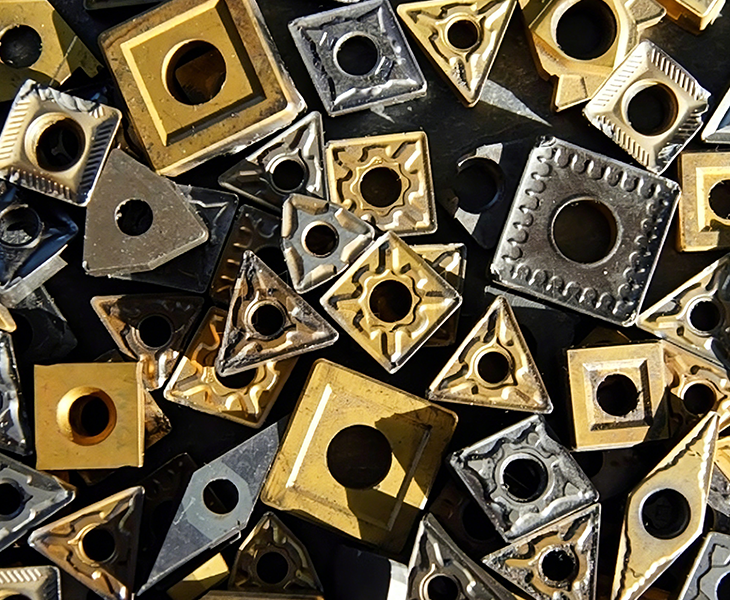
Threading is usually the last thing that is done when making metal parts. It’s not a good idea to use a cheap thread mill when the job is done. Their biggest flaw is that the carbide isn’t stiff enough on cheap thread mills. The tool will bend away from the wall if the machine doesn’t push it into the metal hard enough. The threads will not be even, and the nuts will not screw in all the way. Also, cheap finishes get worn down quickly. The tool starts to rub as it cuts, making a loud grinding sound and leaving ugly, rough marks inside the hole. Even worse is if that weak tool breaks inside a costly part that is almost done. That way, you’ll lose hours of work and things.
You won’t save money on expensive parts if you buy a bad tool for less money. In Hanöki’s 25,000-square-meter factory, we’ve spent 30 years making our cutting tools better. A group of 10 top application engineers in my company runs more than 20 high-tech CNC machines. They know what makes a tool strong and reliable. We only use the best solid carbide to make our thread mills, so even when they’re under a lot of stress, they stay straight and sharp. Plus, you don’t have to go through a third party because you buy from our plant. If you need high-quality CNC tools right away, you can get them at direct prices and quickly ship them anywhere in the world.
Types of Hanöki Milling Inserts
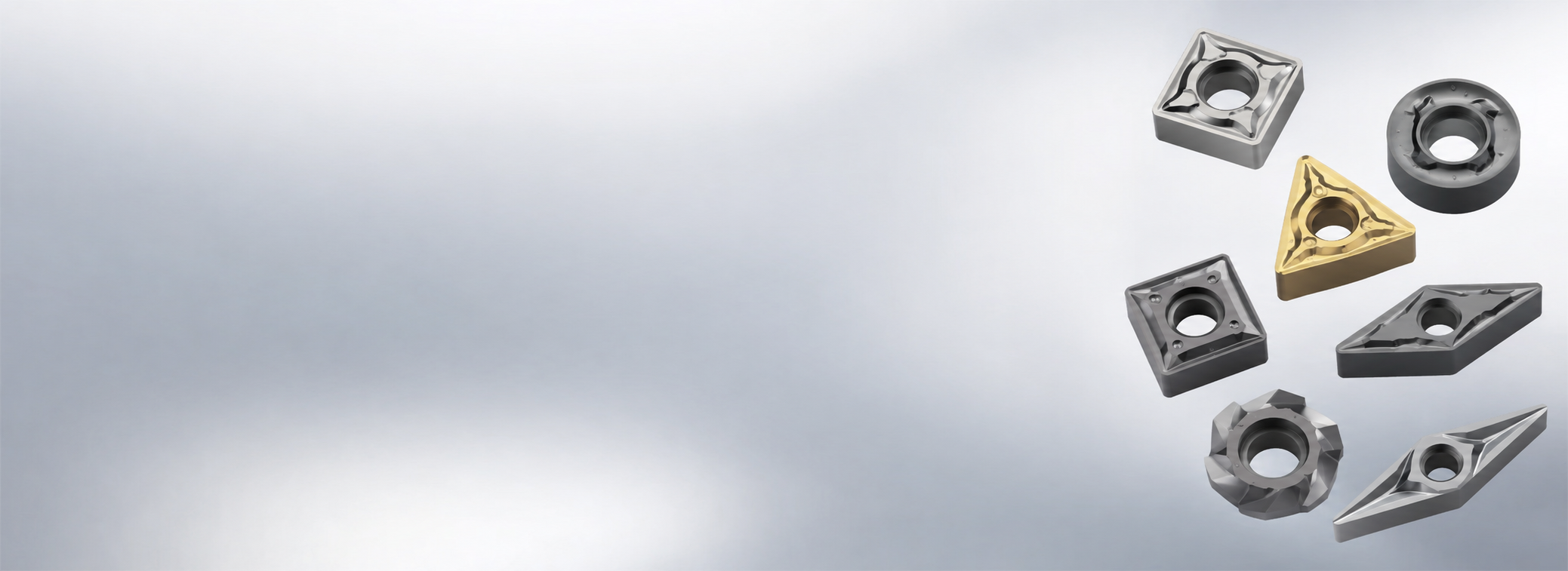
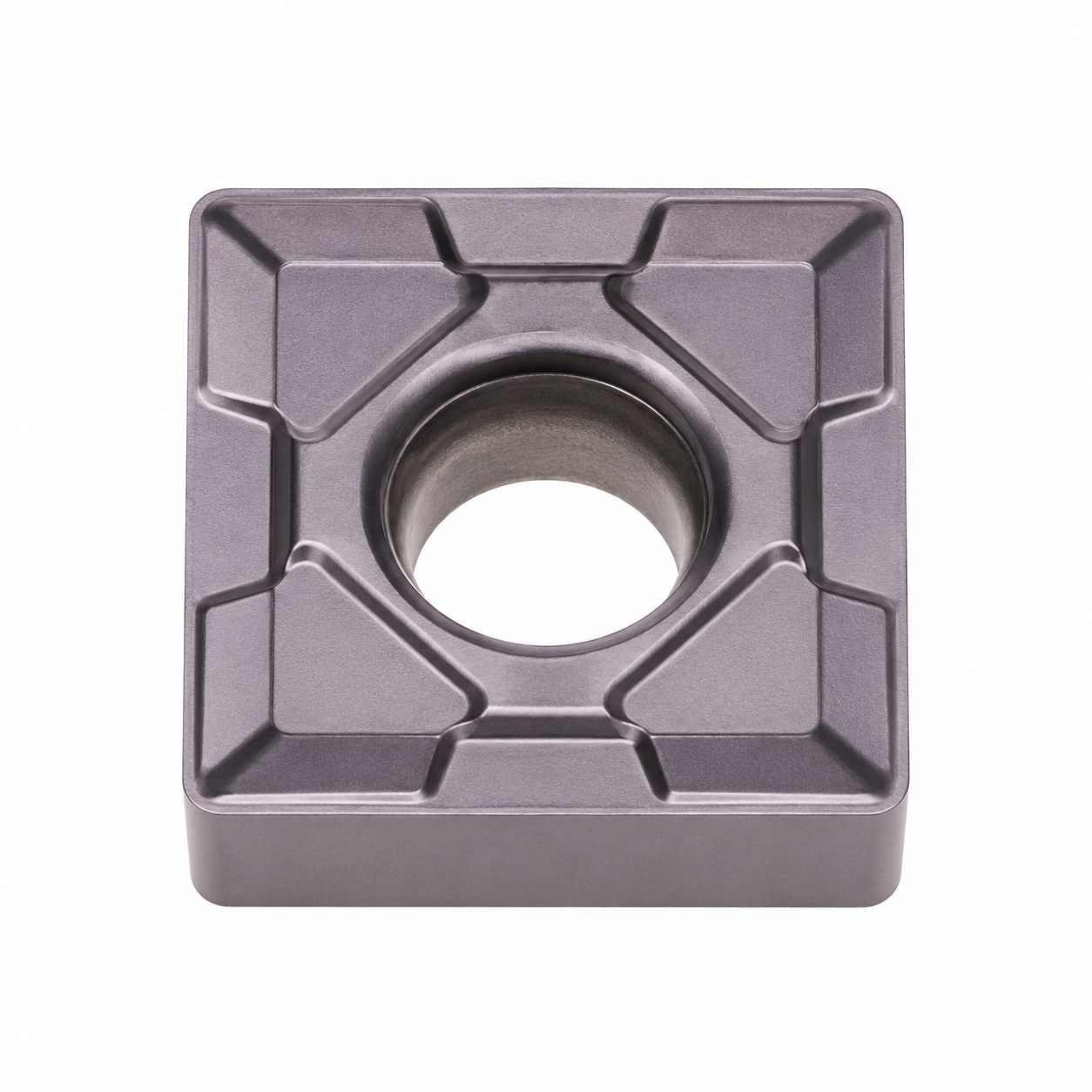 Square & Shoulder Inserts (90-Degree)
These are the ones that most shops use every day. They are great for cutting walls that are straight and flat, and sides that are sharp at 90 degrees. These are the first things you grab when you need to cut a step or a deep pocket.
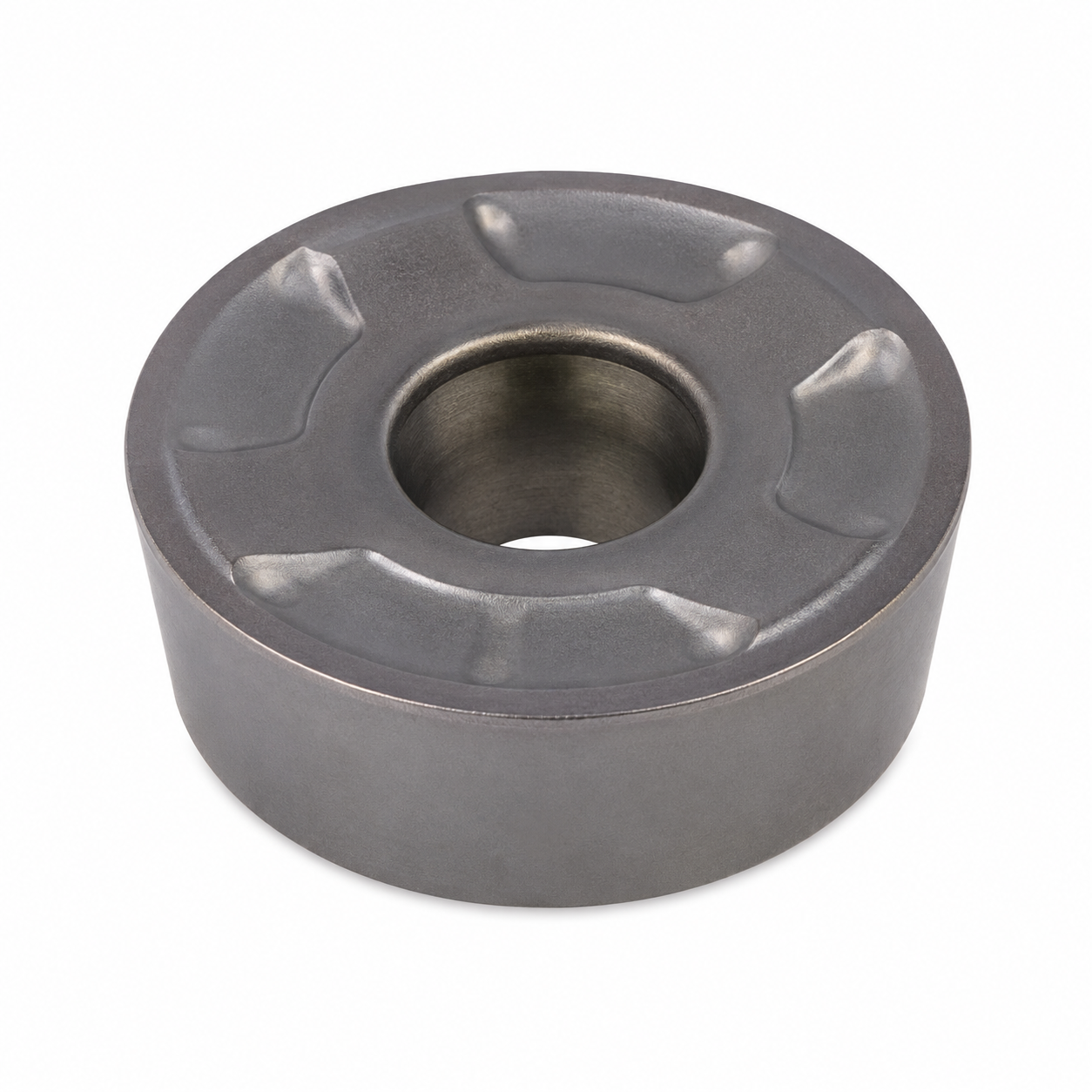 Round "Button" Inserts (Heavy Duty)
They look like little coins. They are very strong because they don’t have any sharp corners that could break. You use these to rough out a surface a lot or to make smooth, curved 3D shapes.
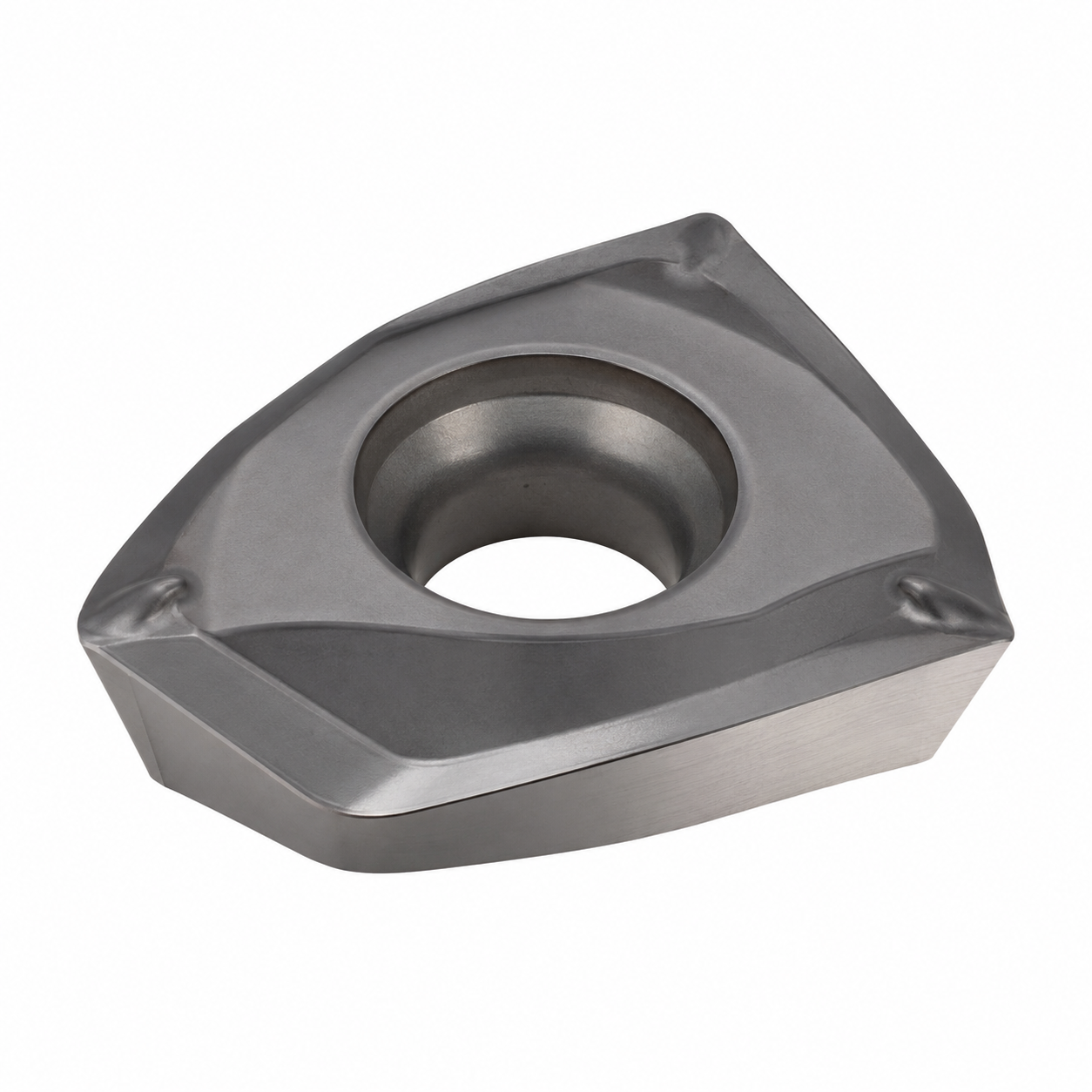 High-Feed Inserts (Fast Metal Removal)
Need to get rid of a lot of metal quickly? These make very small cuts but move very quickly across the part. They put the cutting force right up into the spindle of the machine. This keeps the tool steady and stops it from moving around.
Milling Inserts by Material (What They Cut)
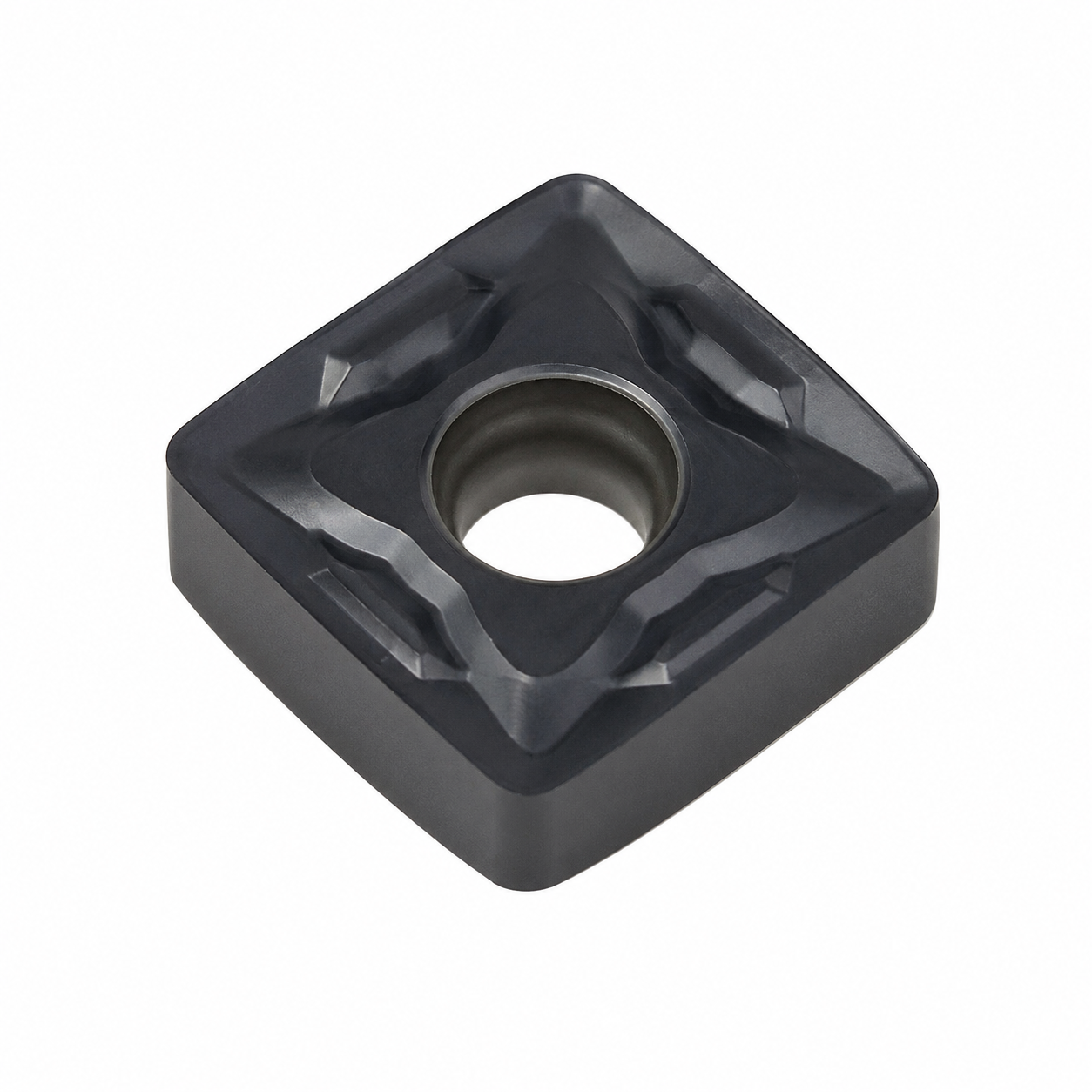 Dark Coated Inserts for Steel & Iron
These are the tough guys. The thick, dark coating is strong enough to take a lot of heat and damage. You can use these on regular jobs with carbon steel and cast iron, and they will stay sharp shift after shift.
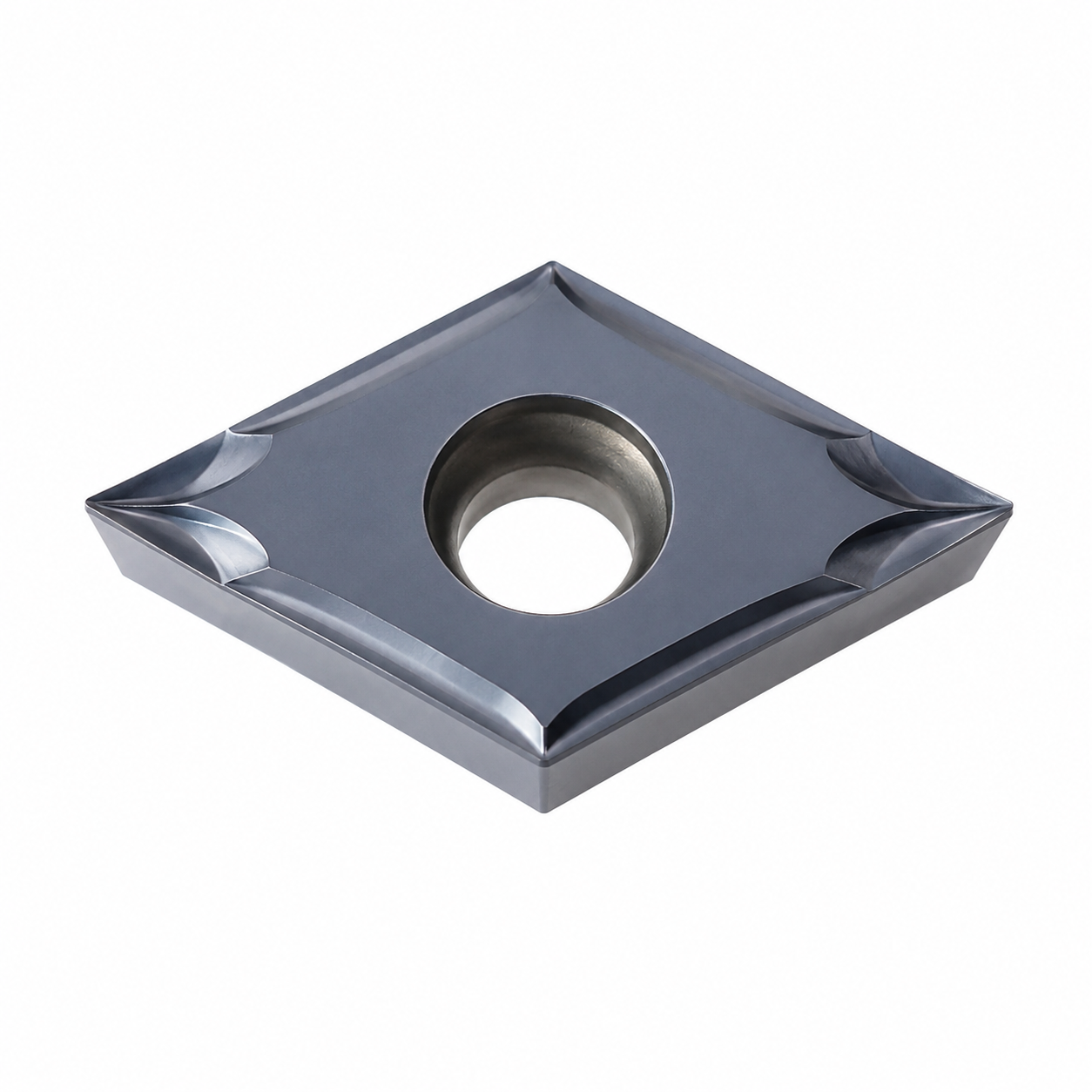 Sharp Coated Inserts for Stainless Steel
Steel made of stainless steel gets very hot, very quickly, and loves to stick to the blade. The blades on these inserts are very sharp, and they are coated in a slippery substance that lets metal chips slide off without sticking to the teeth.
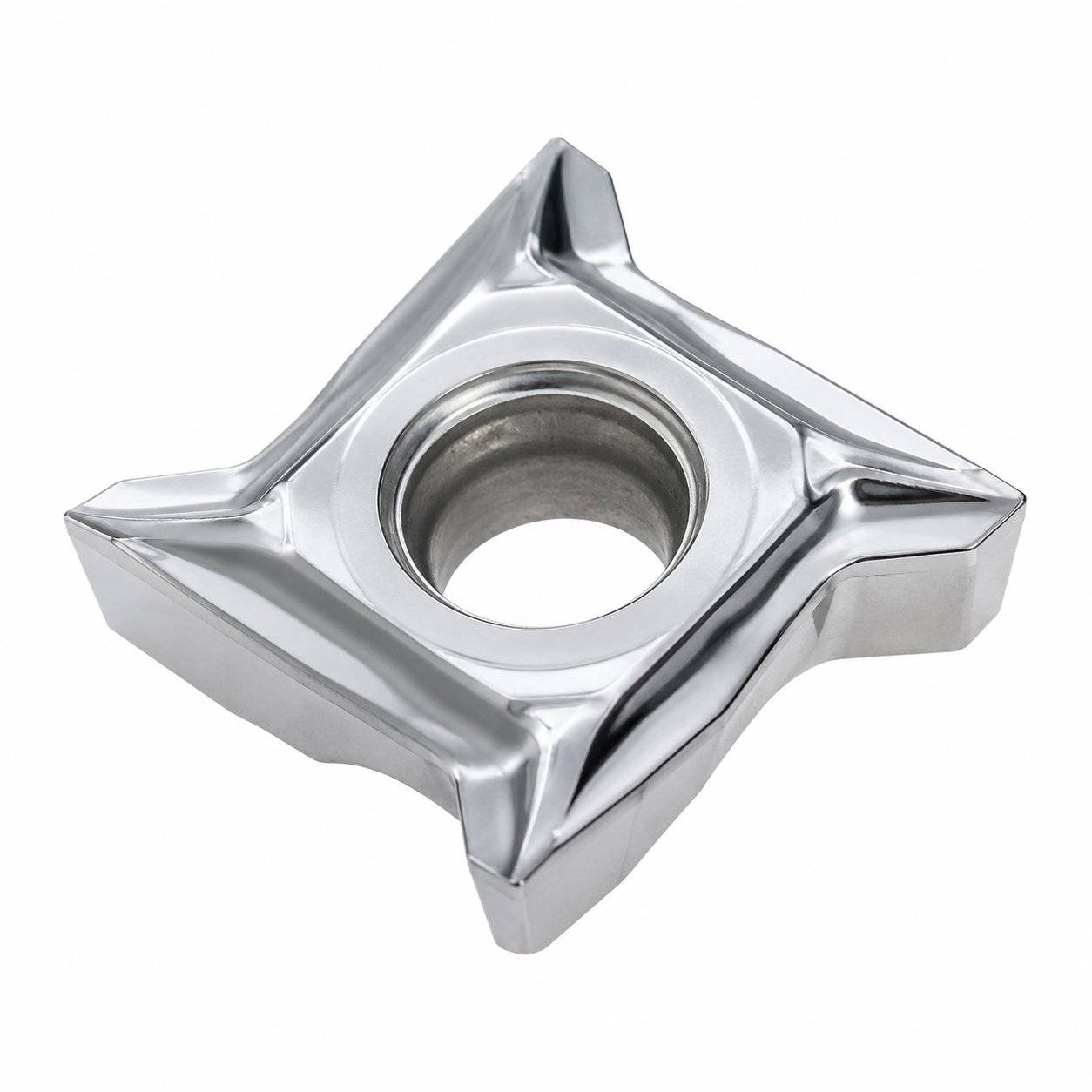 Polished Uncoated Inserts for Aluminum
Aluminum is sticky and soft. The holes will get clogged up right away if you use a regular coated tool. These plugs are empty, shiny, and very sharp. When they’re done, the metal is smooth and shiny, like a mirror.
Why Choose Hanöki Milling Inserts
Excellent chipbreaker designs keep metal waste small and easy to handle. You won’t have to stop the machine to get rid of those nasty metal nests.
We employ advanced CNC equipment to grind all of our tools. That means the first thread you cut is the same as the last one; it doesn’t move.
Every batch cuts the same way. You can count on your tools to last a long time and fit perfectly without having to regularly change the offsets on your CNC machine.
Don’t use the pricey middlemen. To keep the cost of tools in your shop as low as possible, buy directly from the Hanöki factory floor.
Do you have a strange or hard job? We can make custom OEM milling inserts right from your drawings to help you with your problems.
You don’t have to spend a lot of money on thousands of inserts all at once. You can buy exactly what you need today because we have low minimum orders.
Keep the Body, Swap the Blade
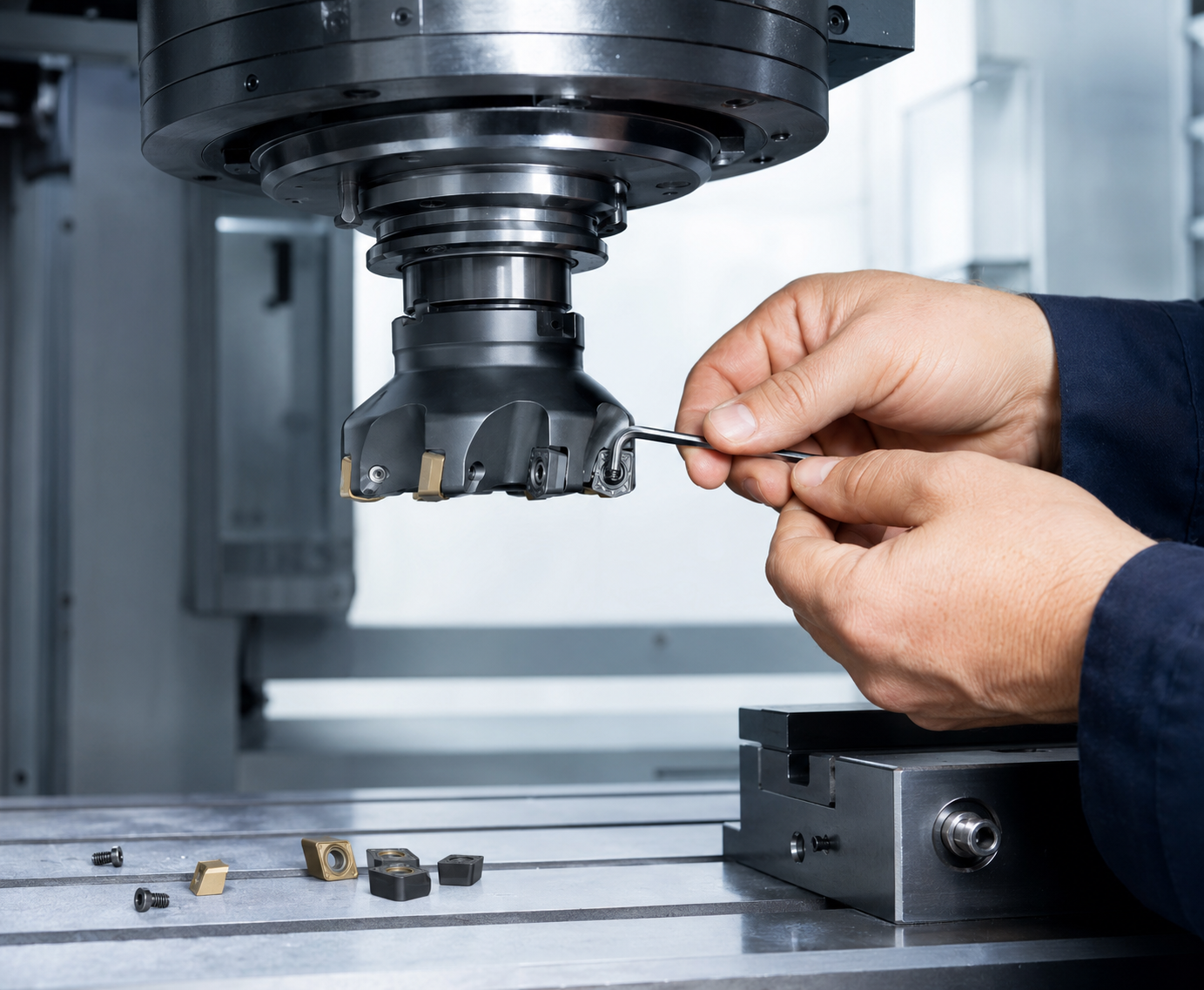
You have to throw away the whole pricey piece of carbide when the end mill gets dull or chips. That costs you money. The heavy steel tool body stays in the machine with Hanöki milling inserts. You merely need to change the small, cheap cutting teeth. Every month, it saves you a lot of money on tools.
Four Fresh Edges on One Insert
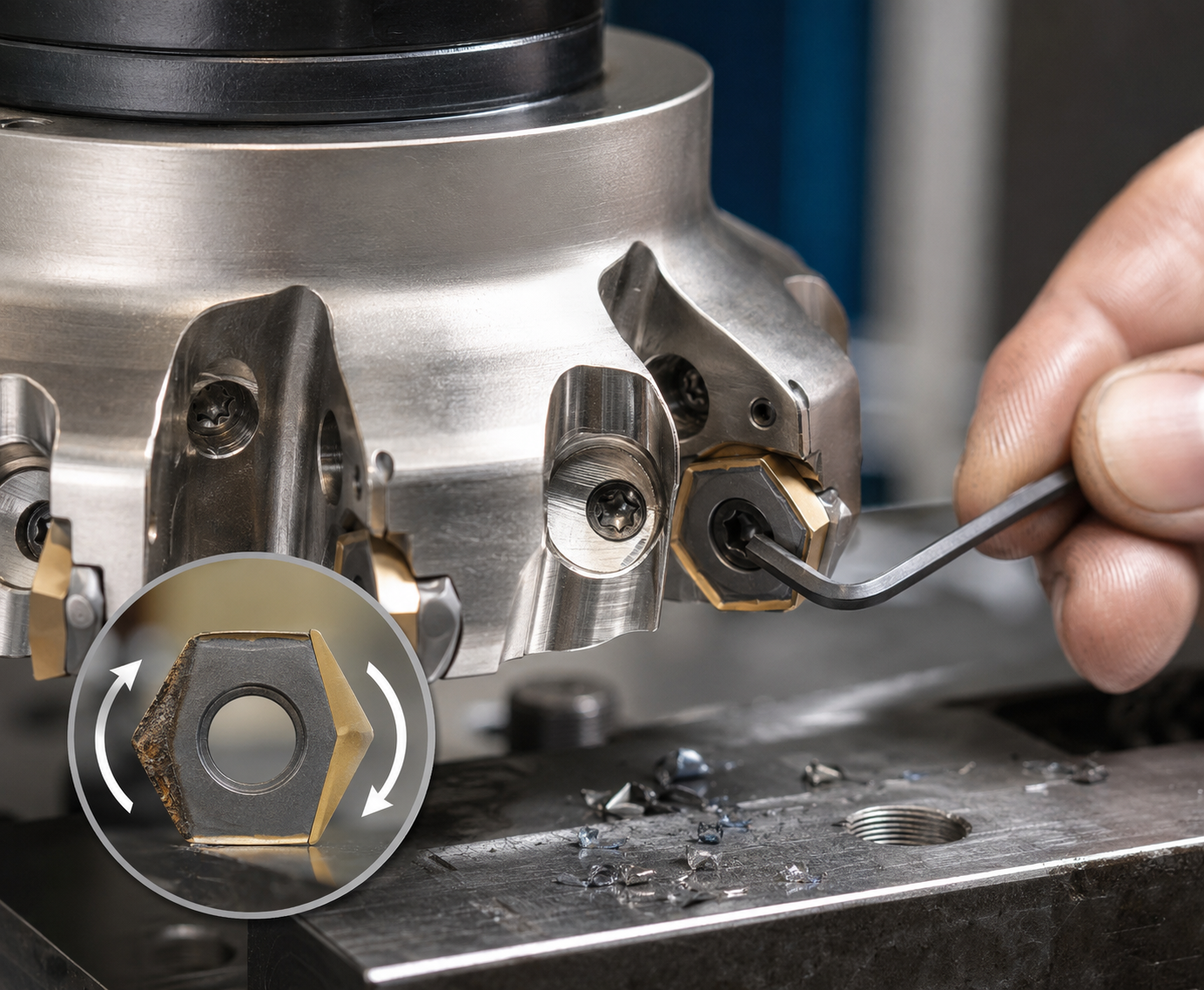
If you break the tip off of a solid tool, it’s useless. An indexable milling insert, on the other hand, is made smarter. If one side wears down, all you have to do is get a little wrench, release the screw, and turn the insert around to get a brand new, sharp edge. It really is like receiving four or six tools for the price of one, depending on the shape.
Change Materials Without Changing Setups
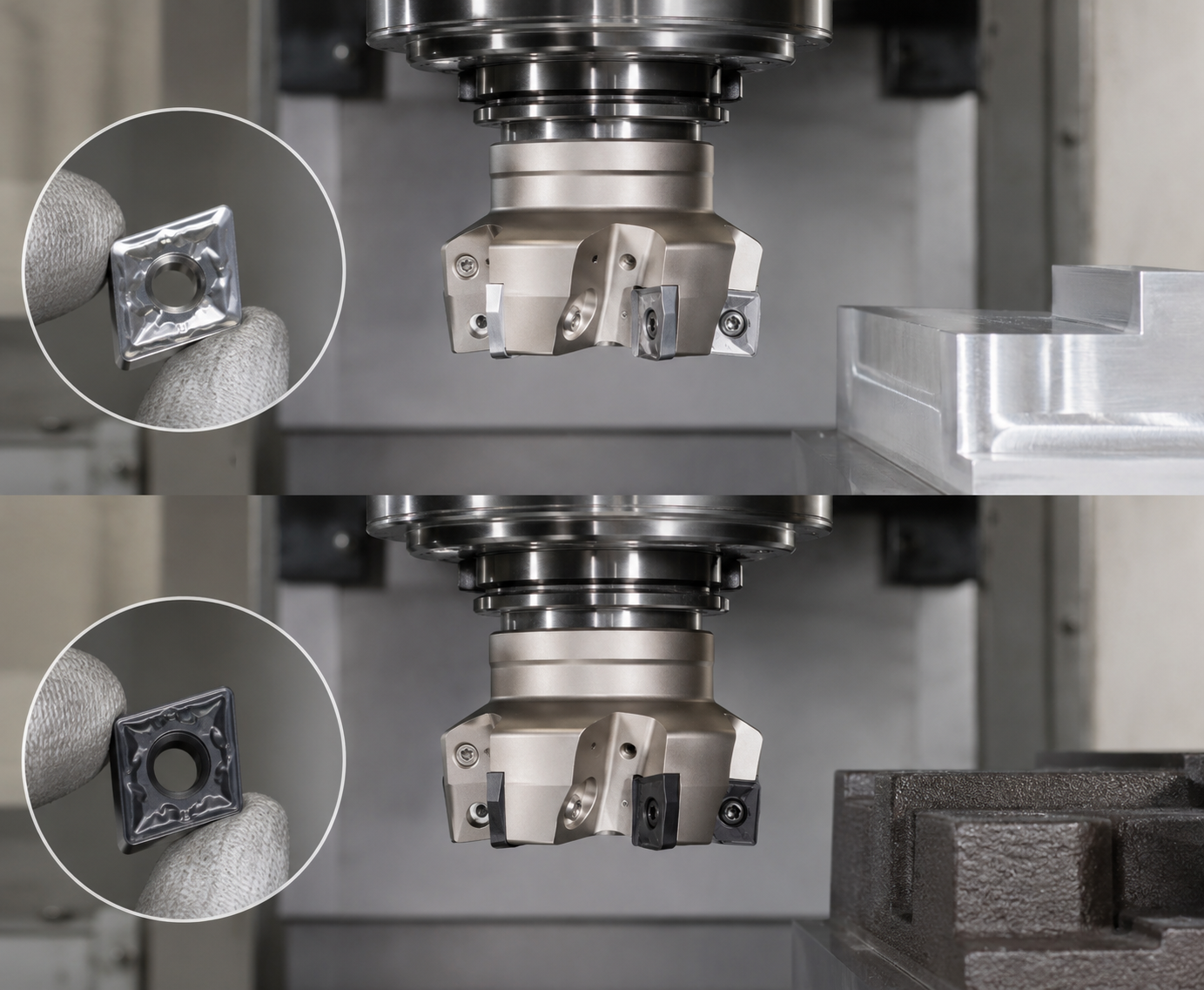
When you switch from cutting soft aluminum to durable cast iron, you normally have to take your tool out, change the collet, and set up a whole new cutter. You keep the holder fixed in the spindle when you use a Hanöki insert mill. You can get ready for the next work right away by replacing the shiny aluminum inserts with black, strong steel-cutting ones.
Beats Up the Metal, Not Your Machine
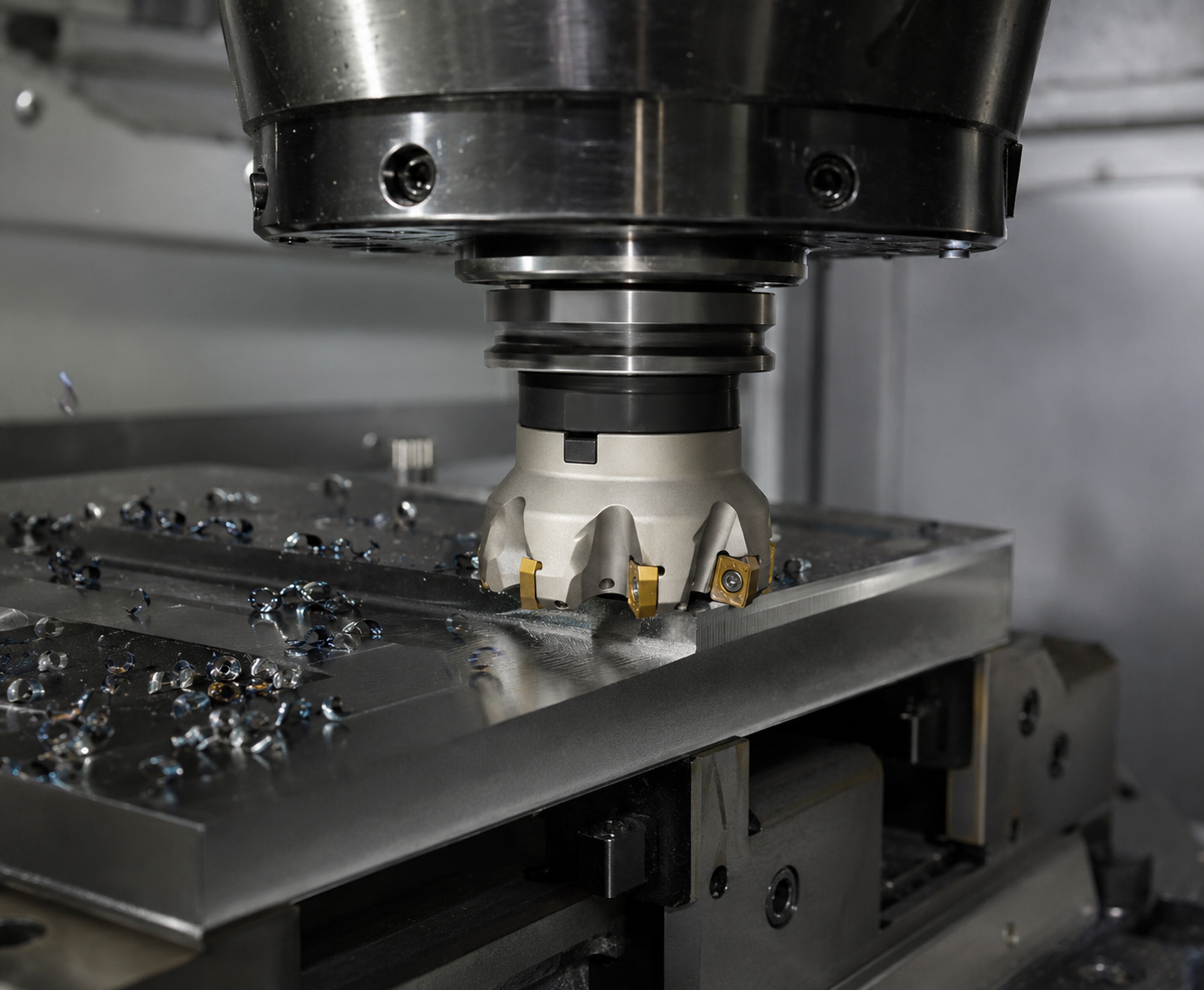
It takes a lot of horsepower to plunge a huge, solid cutter into a block of steel, and it shakes up your whole CNC. Hanöki milling inserts have unique angles that help them cut metal smoothly. They safely push the cutting force into the spindle, which stops that dreadful chattering noise and keeps the bearings in your older machines from wearing out.
No Guesswork on the Next Batch
When you send an old, solid end mill to be sharpened again, it comes back a little smaller. That means your operator has to spend time correcting the machine offsets so that the parts fit together correctly. Every time, Hanöki milling inserts are created to the same size. Put a new edge on it, hit start, and walk away.
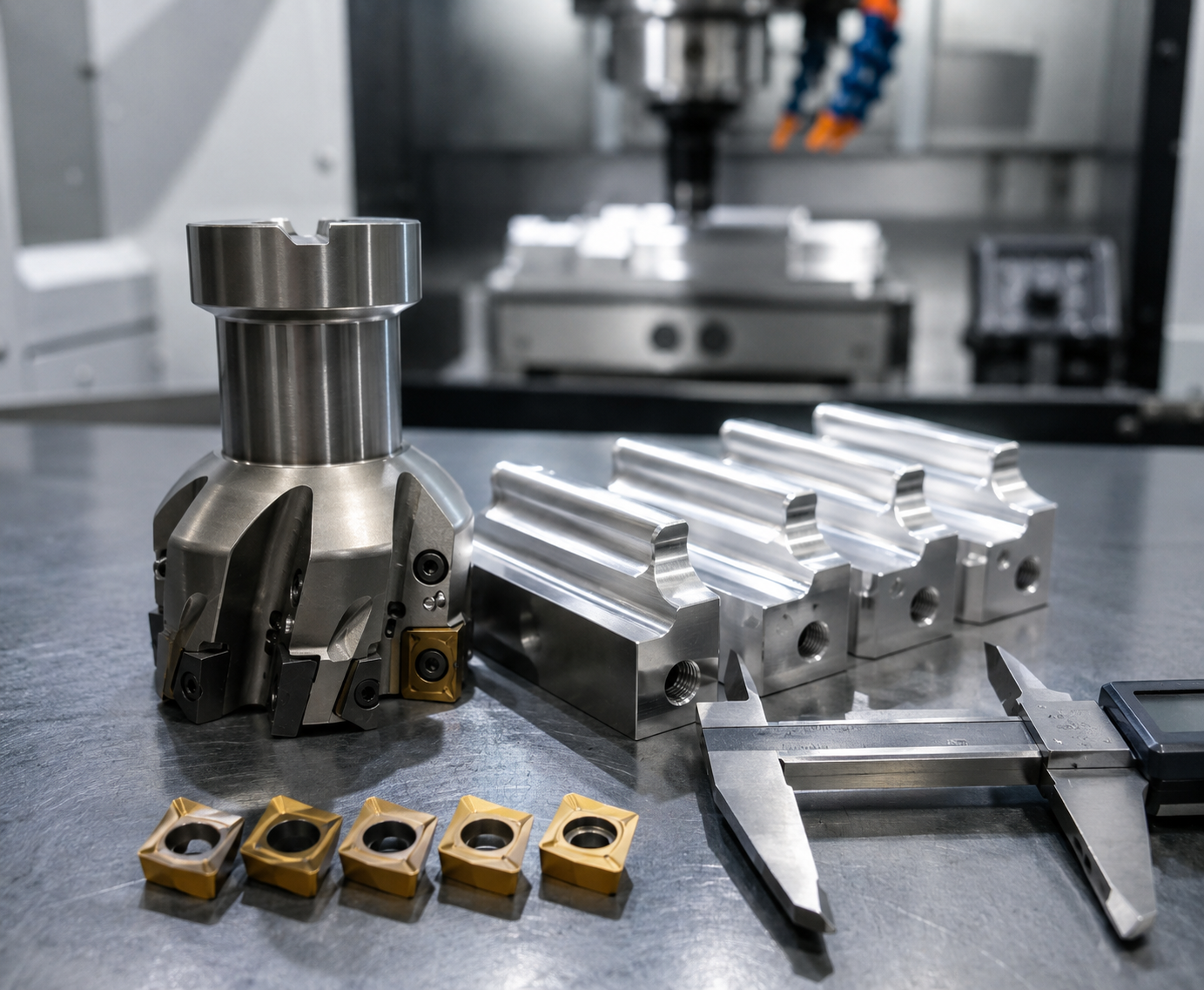
Your Direct Factory for Professional Milling Inserts

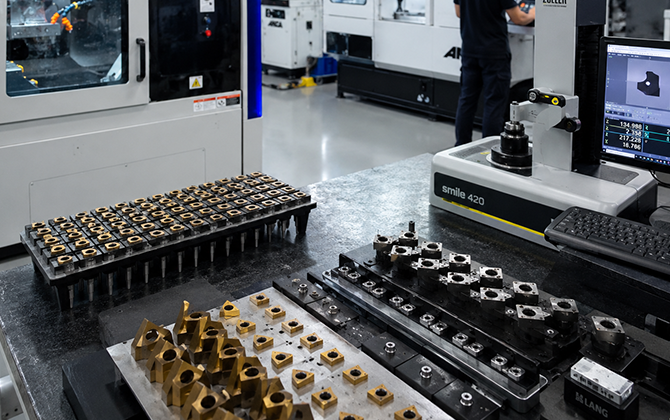
Hanöki has been making robust, dependable milling inserts in our own 25,000-square-meter factory for almost 30 years. We know for sure that every cutting edge comes out sharp, strong, and perfectly correct since we grind and coat every tool in-house with more than 20 high-tech CNC machines. We utilize high-quality carbide that can withstand battering and endure high heat. This means you can get clean cuts whether you’re roughing out hard HRC68 steel or putting a smooth finish on soft aluminum.
When you work with us, you don’t have to deal with a middleman, and you get heavy-duty CNC tools at costs that are actually factory-direct. We know that broken equipment costs you money, thus we have a lot of inserts in store that can be shipped quickly to any part of the world. Not sure what grade of insert to use for your next job? Our staff of ten experienced application engineers is always ready to provide you with honest advice about the shop floor. We give your shop everything it needs to stay busy and make a lot of money.
Milling Inserts Application Areas
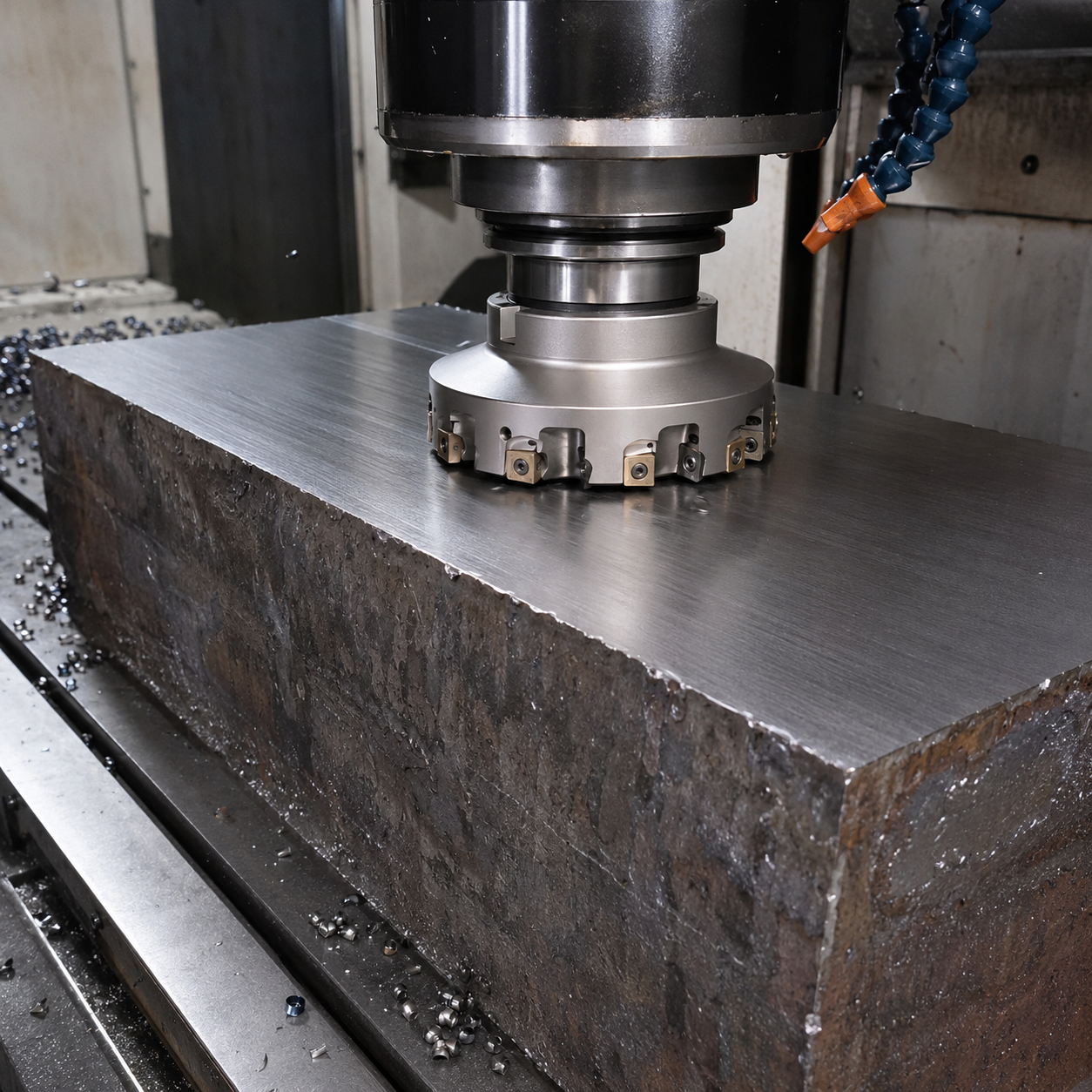
When a piece of raw metal initially gets to the shop, it is usually rough and not smooth. You use a broad cutter with milling inserts to take the skin off the top and make the metal absolutely flat. You can square up a big block in only a few passes with wide, quick cuts before you start the true fine work.
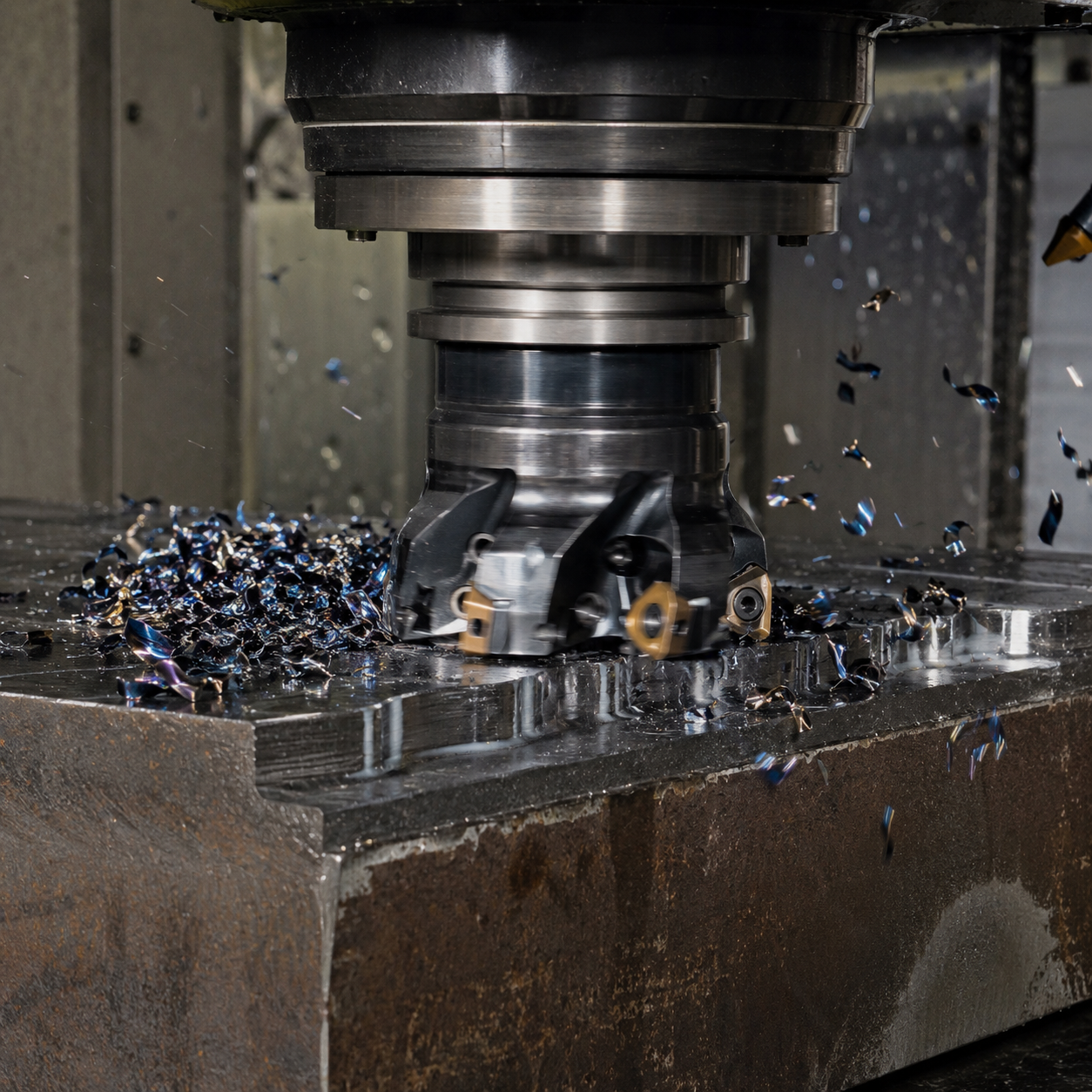
You have a lot of superfluous metal to get rid of if you want to turn a 50-pound block of steel into a 10-pound part. If you push a solid tool too hard, it can break, but an insert cutter is made like a tank. It enables you quickly cut through deep, hefty cuts and transform big pieces of metal into chips.
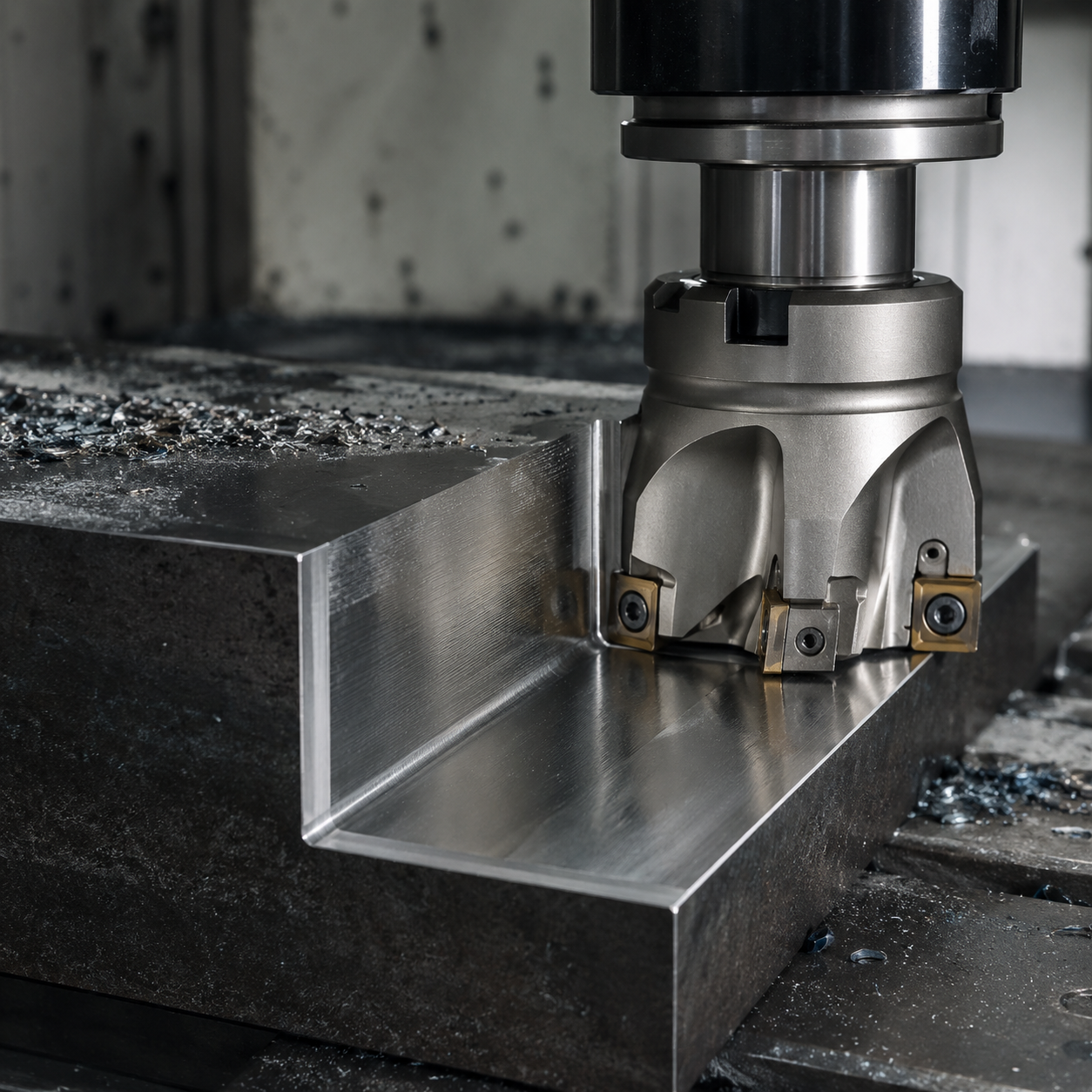
Machinists name the sharp, straight walls or step-downs that many machine parts need “shoulders.” With a square-shaped milling insert, you can cut straight down and to the side at the same time. You receive a flawlessly clean 90-degree inside corner, which is exactly what you need to make brackets, bases, and engine parts that fit tightly.
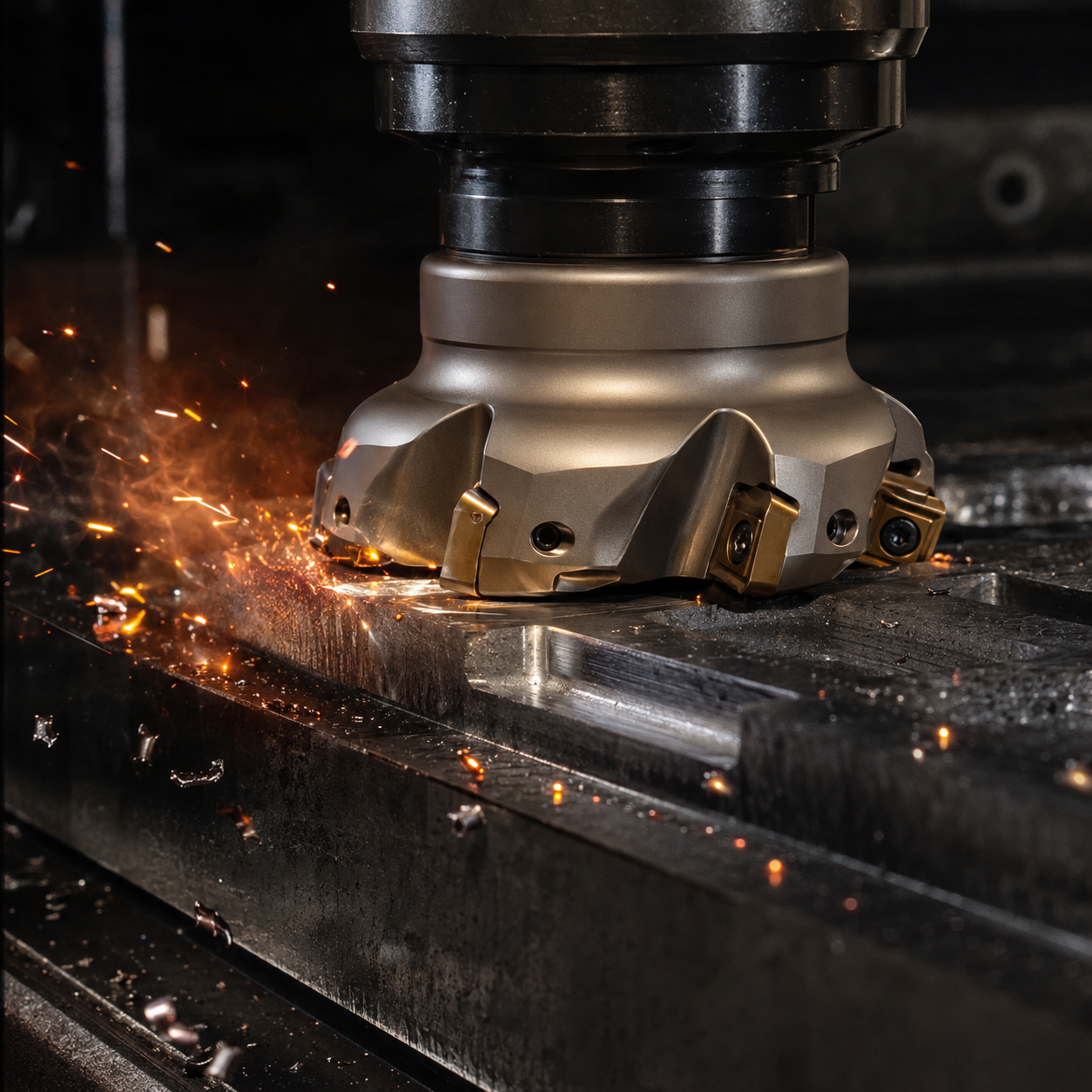
You could have to cut cast iron or steel that has previously been heat-treated and is quite hard. A cheap tool will just spark, smoke, and burn up right immediately. Hanöki milling inserts have coatings that can handle that kind of heat. You can peel away hard metal without stopping the machine to change a burnt tool because they stay sharp.
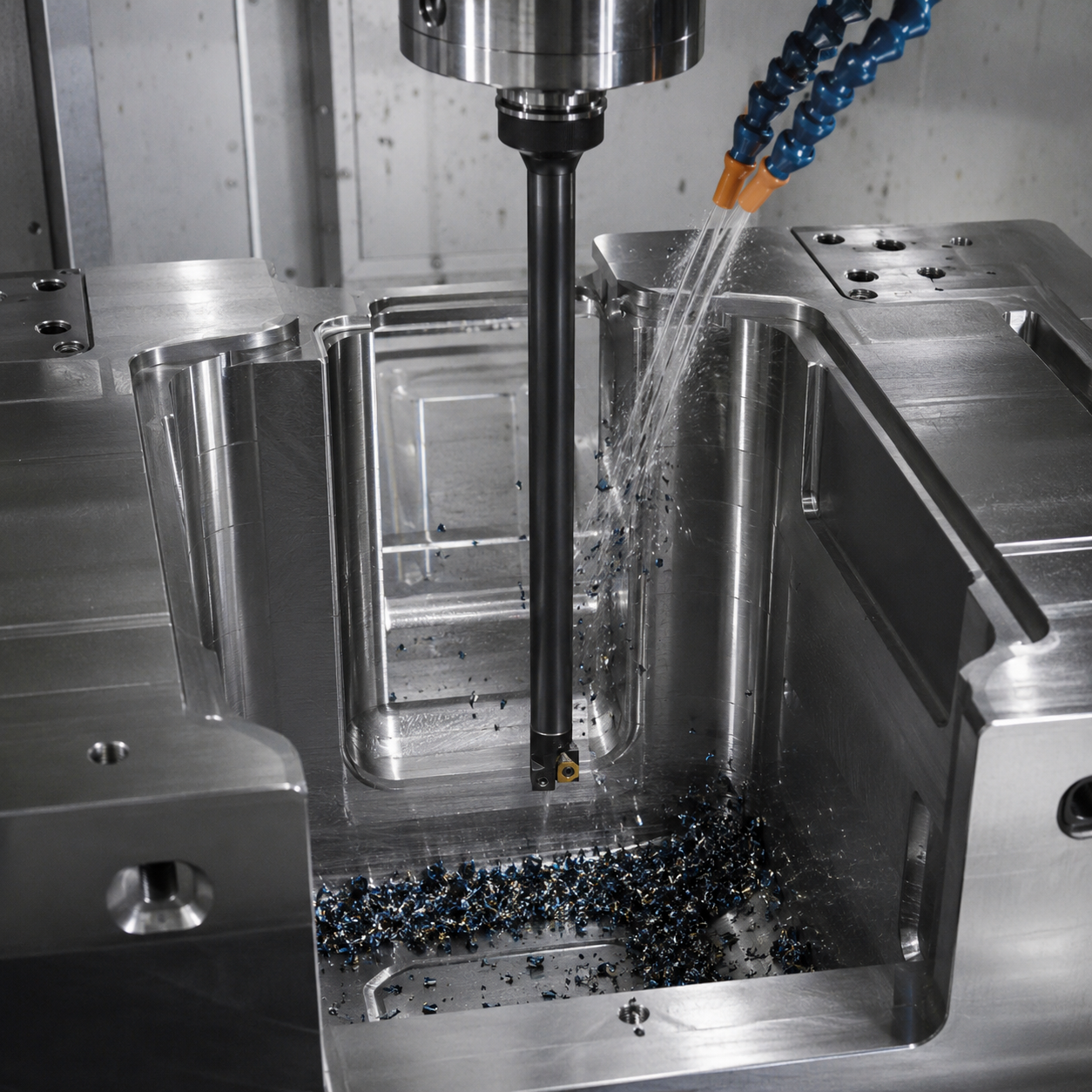
You have to dig a deep hole, whether you want to make a heavy steel mold or just hollow out the inside of a solid object. Long holders with milling inserts may reach deep into the metal. The inserts are used to break up the waste into little bits so that the chips can readily blow out of the deep pocket without becoming stuck and ruining the cutter.
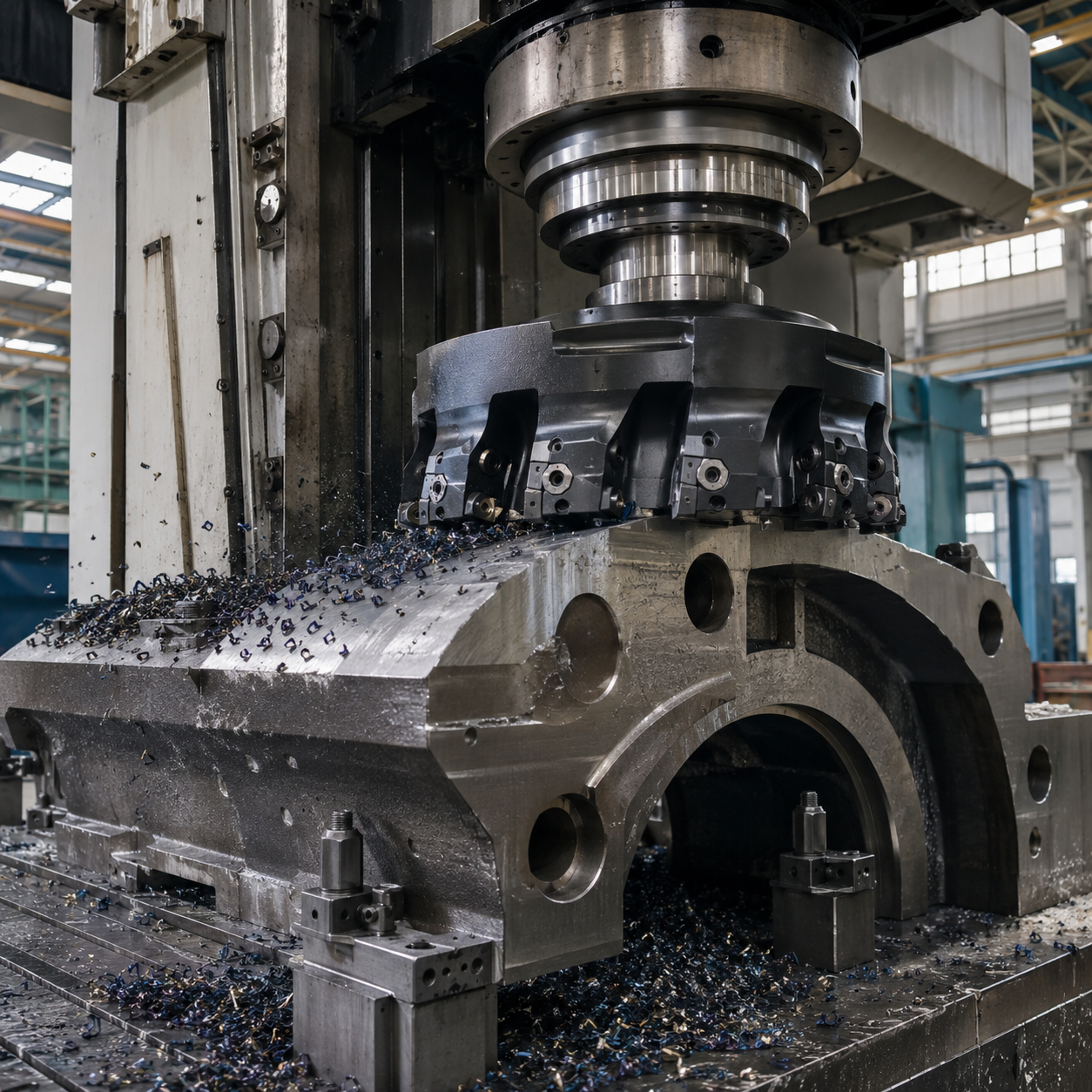
The cuts are substantial if your company makes big parts for ships, oil rigs, or tractors. A solid carbide tool that big would cost a lot of money. Putting a few disposable Hanöki milling inserts on a huge steel cutter head that can be used again and again gets the work done safely. It does the heavy lifting while reducing your tool costs to a small amount.

A milling insert is a tiny, replaceable cutting tooth made of hard carbide. It screws onto a strong steel tool body. When the edge gets dull, you just unscrew it, turn it till it has a new sharp edge, and resume creating chips without having to buy a new tool.
A solid end mill is made of one piece of carbide. The complete tool goes in the trash when the tip wears out. The cutting edge is the only part of an indexable milling insert. You maintain the main steel holder locked in your CNC machine and only change out the small, inexpensive insert.
Check out the shape of your part and the metal you are cutting. For heavy steel roughing, pick robust, dark-coated inserts. For soft aluminum, pick crisp, glossy inserts. Choose square inserts for walls that are 90 degrees and circular ones for removing heavy metal.
They are ISO standard codes that tell the machinist exactly what the insert’s shape, size, thickness, and clearance angle are. For instance, an APMT milling insert tells you that it is a parallelogram shape that is meant to cut square 90-degree shoulders.
The shape is the only thing that matters. A square or rhombic milling insert usually has two or four edges that you can use. You can get up to eight using double-sided inserts. You may just turn it over to the other side when one side gets dull.
No. Most inserts are made to fit conventional ISO shapes; the screw hole size and the pocket shape on the holder must be just right. Always check to see if your Hanöki milling insert fits your cutter body perfectly.
Stainless steel gets quite hot and likes to adhere to knives and other cutting instruments. A highly sharp edge and a smooth PVD finish make the best milling insert for stainless steel. This cuts the metal cleanly instead of scraping it, which keeps the chips from sticking to your tool.
You require a milling insert with a thick, heat-resistant CVD coating and a super-tough carbide base. Cheap tools can burn up right away when they touch hardened steel, so you need a heavy-duty quality that can handle tremendous heat to get through the cut.
No, that’s a quick way to break a part. Steel needs a robust, coated insert with a sharp edge to handle the heat. To keep the sticky metal from sticking to it, aluminum needs a bare, highly polished milling insert with a razor-sharp edge.
Aluminum melts easily and acts like glue inside the machine. If you use a regular coated milling insert, the aluminum will stick to the cutting edge and destroy your surface. An insert that is polished and not coated makes the sticky chips slide right off.
Cast iron is very rough and dirty. You want a grade of milling insert that is exceptionally hard and usually has a thick CVD coating. It ought to be able to withstand the sand and rough areas inside the iron without losing its sharp edge too quickly.
A vibrating setup, a too aggressive feed rate, or an insert grade that is too brittle for the task are the primary causes of sudden chipping. Try using a more durable Hanöki milling insert or lowering your feed rate as soon as the tool reaches the metal.
We refer to this as Built-Up Edge (BUE). Change to a sharper milling insert with a smoother coating, increase your cutting speed to produce a little more heat, or make sure your coolant is reaching the precise cutting zone to stop it.
Don’t wait for it to blow up. When the CNC begins to make loud chattering noises, the machine spindle load rises, the sparks get heavy, or your part’s surface finish begins to seem rough and unsightly, replace your milling insert.
To prevent vibration, make sure your metal workpiece is securely held down. Select a premium Hanöki milling insert made for your particular material, use the proper cutting speeds, and constantly blow air to remove chips.
A rough, ripped finish typically indicates that you are pushing the feed rate too quickly or that your milling insert is chipped or dull. On your last pass, switch to a new, sharp finishing insert and slow down your feed a little.
Tools are destroyed by chatter. To repair it, make a shallower cut, clamp your item tighter, or press the tool holder deeper into the spindle so it protrudes less. Occasionally, the shaking can be stopped, and the cutting pressure reduced by using a milling insert with a finer geometry.
The robust, durable edges of roughing inserts are designed to quickly remove large pieces of metal without shattering. The razor-sharp, delicate edges of finishing milling inserts are designed to take extremely small cuts and leave your final object with a flawless, mirror-like surface.
When machining curved 3D molds or doing extremely extensive roughing, use a round milling insert. Round inserts are the strongest and most durable shape you can use in your machine spindle since they don’t have any weak corners that could break off.
A high-feed milling insert slides across the metal at incredibly quick speeds while making very thin cuts. Use it when you need to swiftly empty a sizable pocket of material without overstressing the spindle bearings in your machine.
The rough end on the insert’s cutting edge is called the corner radius. When the radius is bigger, the milling tool is stronger and less likely to chip, but it takes a little more power to push it through the metal.
Since the center of most normal milling inserts is flat and cannot cut, they can’t go all the way down. On the other hand, there are special indexable center-cutting tools
PVD coatings are thin and maintain the cutting edge exceedingly sharp, which makes them great for finishing work and stainless steel. CVD coatings are substantially thicker, which means they can protect against very high temperatures when working with cast iron and hard carbon steel.
It depends on the type of metal. For sticky materials like aluminum and stainless steel, use heavy coolant. For normal steel milling, cutting dry with an air blast is usually a lot better. Coolant can create “thermal shock,” which can break and shatter the hot milling insert.
The size of your insert depends on how deep you want to cut. You need a big, thick milling insert if you want to make a huge half-inch cut in one pass. If you press a little insert too far, it will break right away.
How to Pick the Right Milling Insert for Your Job
Not only would picking the improper milling insert waste your money, but it might also easily ruin a block of metal that costs a lot of money. If you try to cut hardened steel with a delicate finishing insert, the sharp edge will break before you even finish the first pass. If you put a blunt, heavy-duty roughing insert on sticky aluminum, though, the metal will only stick to the tool. That makes the cutter stop working, makes a lot of noise, and leaves a rough, torn-up finish on the finished object.
You should always make sure that the insert grade and form fit the metal you are cutting. This keeps your machine working smoothly and stops tools from breaking. If you’re chewing through tough steel or cast iron, use a thick, coated Hanöki carbide insert that can handle high heat and a lot of wear and tear. But if you’re cutting thin-walled items or soft metals, you should choose an insert that is very smooth and sharp. It maintains the cutting pressure low so the metal doesn’t bend or distort. It only takes a minute to lock in the right tool, which saves you hours of machine downtime and makes sure you get a clean cut every time.