
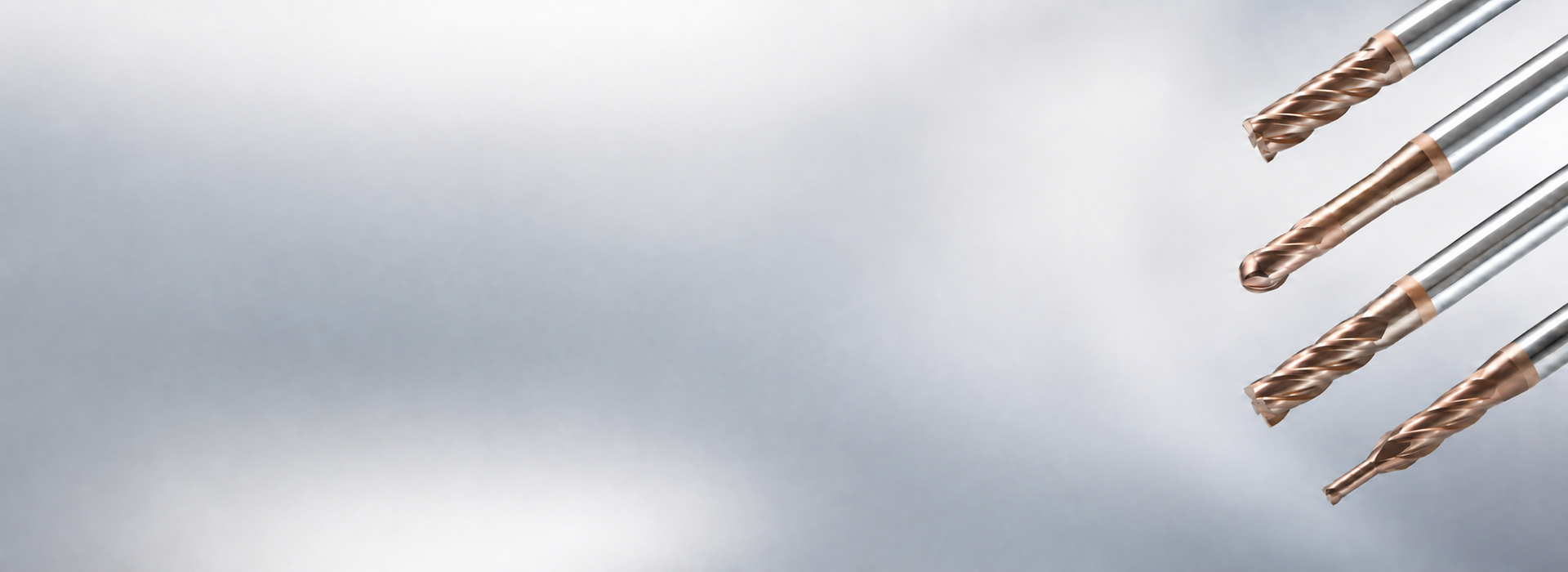

Your Reliable Industrial End Mills Manufacturer in China
- High Precision Tolerances: Ground strictly to exact dimensions for accurate, predictable milling results.
- Broad Material Compatibility: Engineered to efficiently machine various industrial metals with consistent stability.
- Reliable Wear Resistance: Maintains edge sharpness to deliver an extended, dependable tool life.
- Strict Quality Control: Every batch undergoes rigorous inspection to guarantee precise dimensional consistency.
- Stable Manufacturing Capacity: Direct factory production ensures a steady supply for high-volume demands.
- Rapid Global Shipping: Streamlined logistics and large inventory ensure fast, on-time order delivery.
What are end mills?
When you need to make precise parts, you need industrial end mills. End mills have sharp cutting flutes on both the sides and the bottom, while regular drills only cut straight down. This lets your CNC machines cut complicated slots, smooth edges, and open up deep pockets from different directions. On your toughest metals, you get very good material removal, very accurate measurements, and very smooth surfaces.
The Real Price of Cheap End Mills
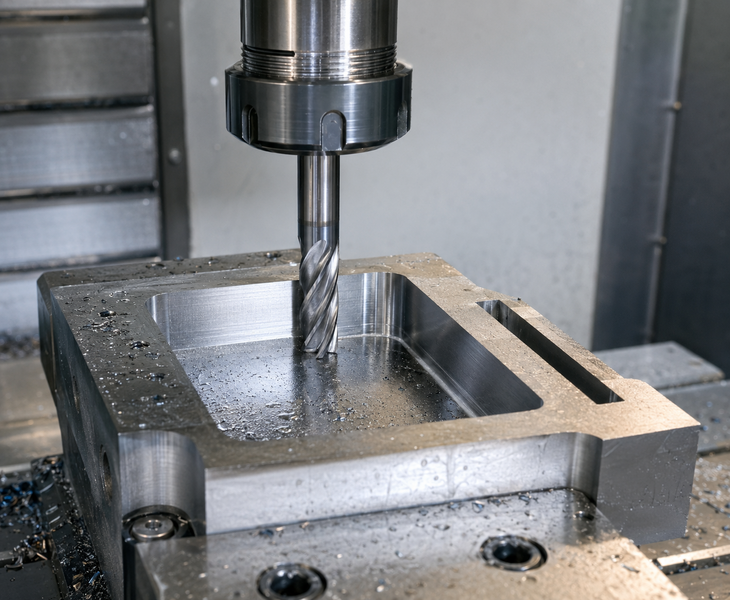
It will cost your business a lot of money to buy cheap end mills. When a CNC machine puts a lot of pressure on cheap carbide, it breaks easily. The tool stops cutting when the edges become dull and starts to rub against the metal very hard. That creates a great deal of heat and strong shaking that may permanently harm your pricey machine spindle. Even worse, if a weak cutter breaks in the middle of a cycle, it will immediately slice and damage your important work. Don’t use a weak tool on your expensive CNC machine. Great Hanöki end mills that are very rigid are made right here in our plant. You can be sure of heavy-duty performance that keeps your tools and parts safe this way.
End Mills By Tool Shape
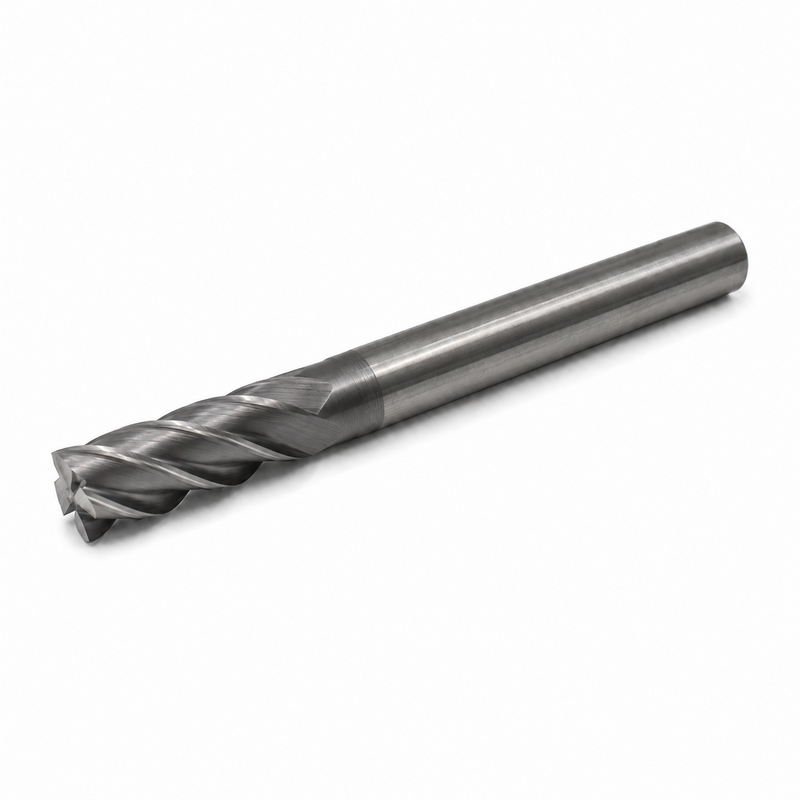 Square End Mills
You use these basic cutters to machine perfect 90-degree corners, flat bottoms, and precise straight slots.
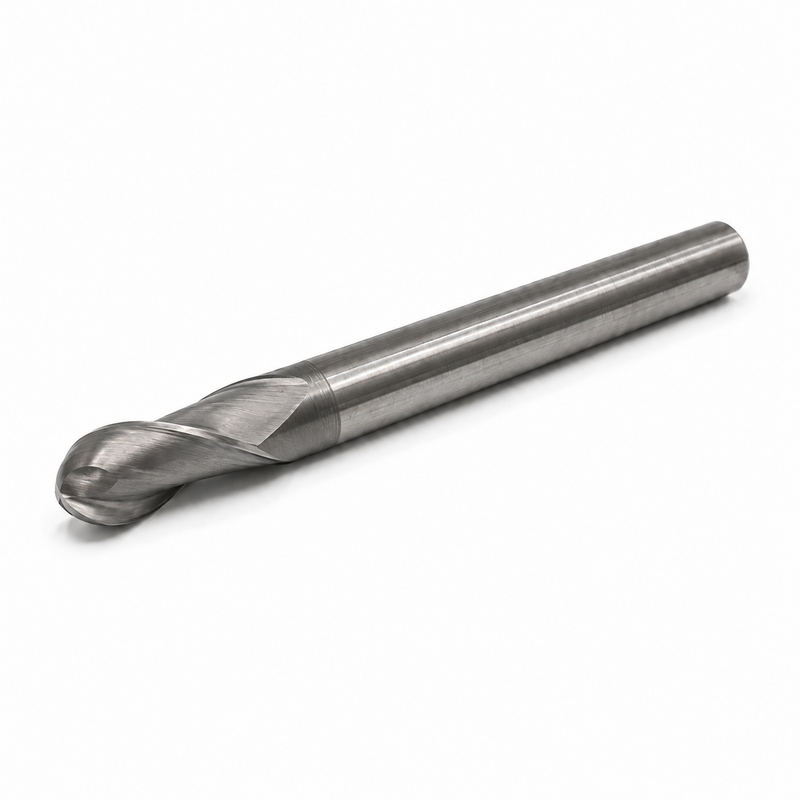 Ball Nose End Mills
Choose these when your CNC needs to carve complex 3D molds, deep contours, or smooth curved surfaces.
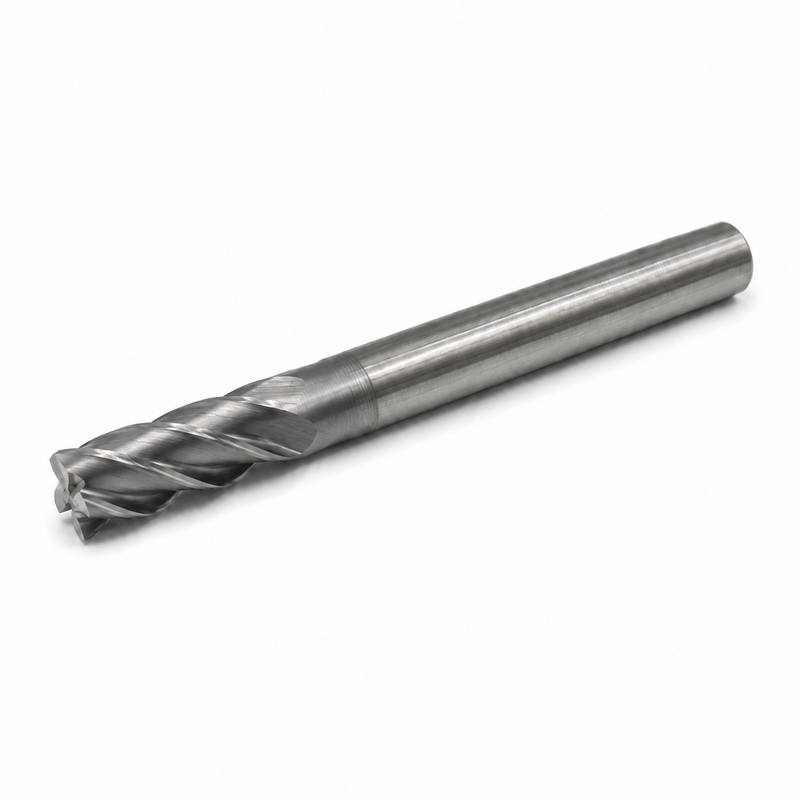 Corner Radius End Mills
These feature a slightly rounded edge that prevents the tool tip from chipping when you run heavy cuts.
End Mills By Flute Count
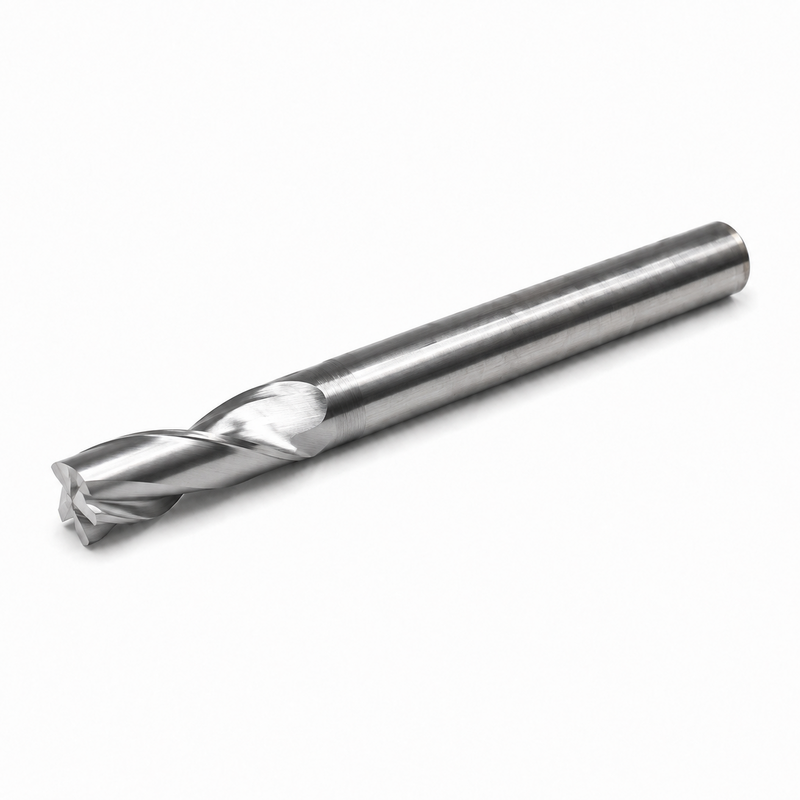 2-Flute End Mills
These give you massive open space to easily flush out large chips when you machine gummy materials.
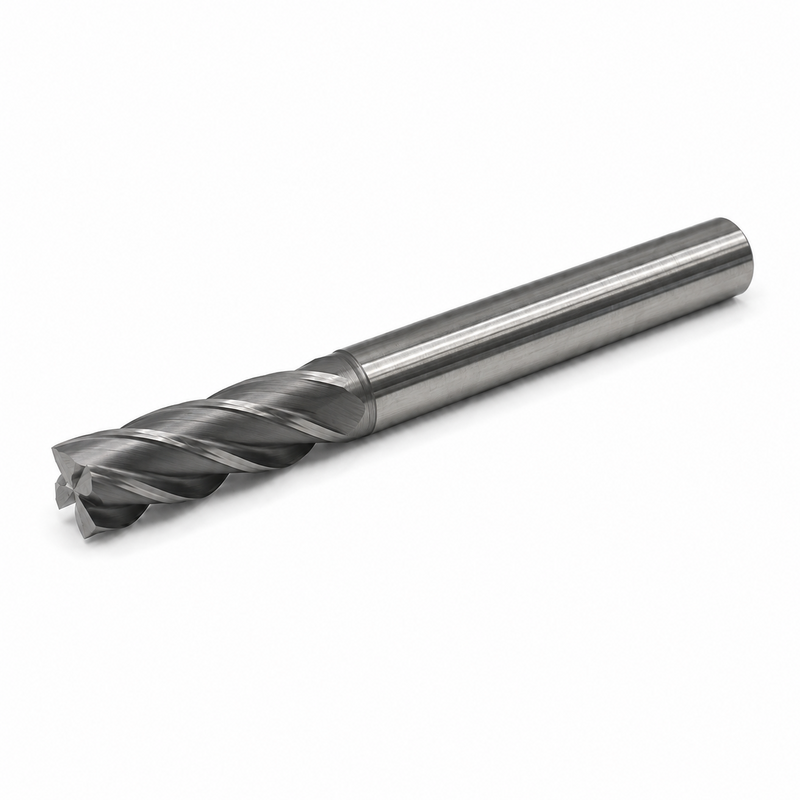 4-Flute End Mills
Your standard, everyday choice for machining steel, giving you a perfect balance of cutting speed and surface finish.
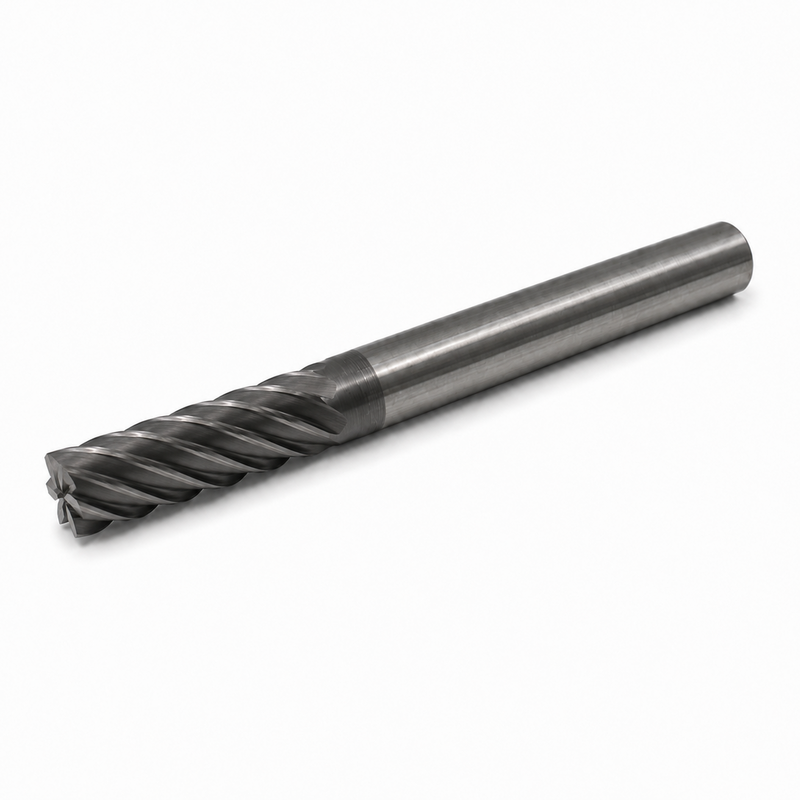 Multi-Flute End Mills
You run these stiff tools to machine extremely tough aerospace alloys or to achieve a mirror-like final finish.
End Mills By Tool Coating
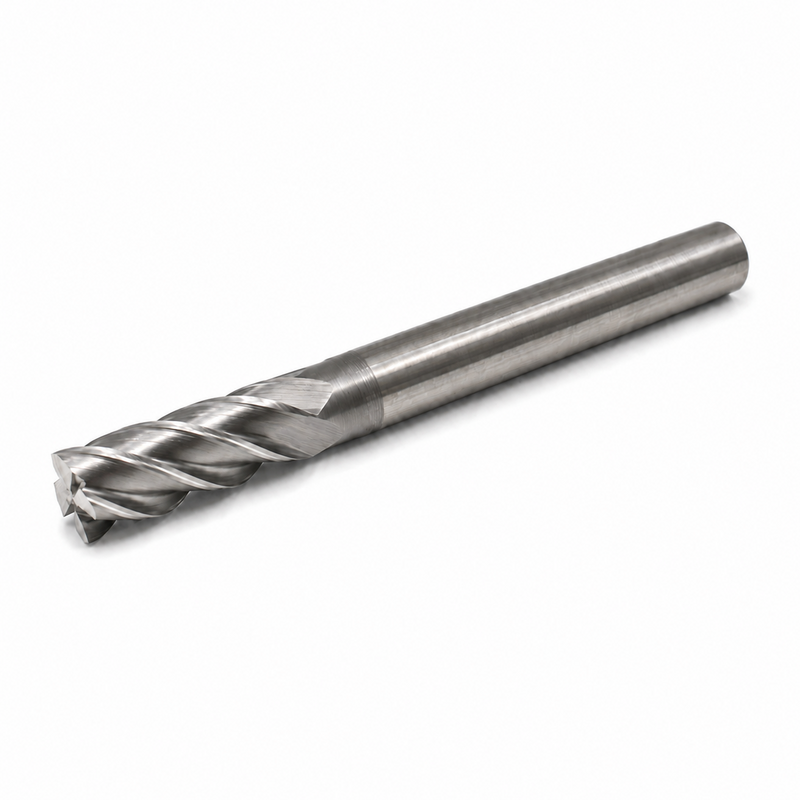 Uncoated (Bright Finish)
You use these extremely sharp, bare tools when machining soft aluminum or plastics, ensuring sticky chips never weld to your flutes.
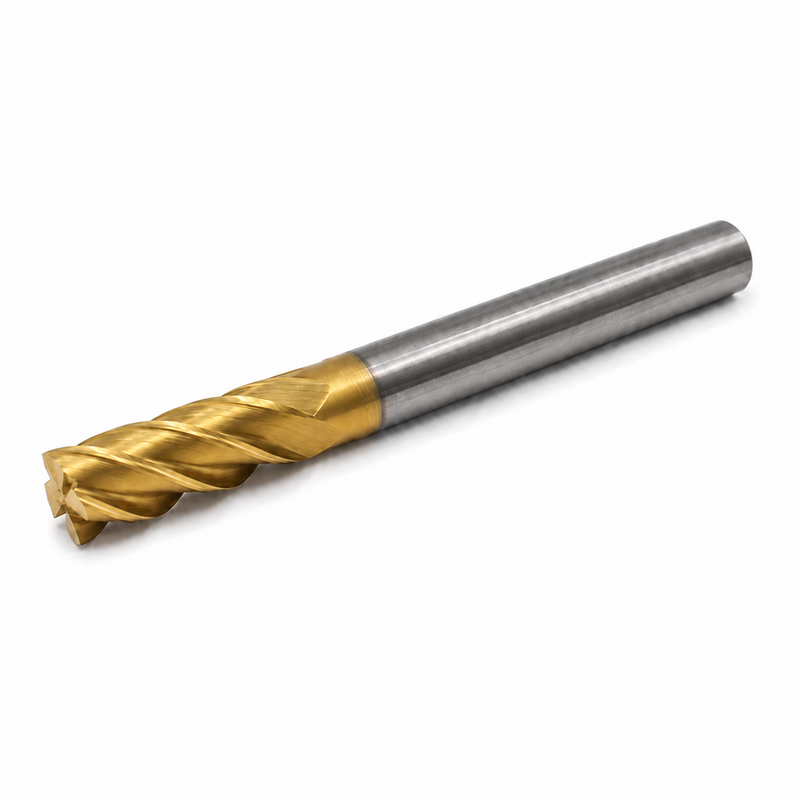 TiN (Titanium Nitride) Coating
You rely on this classic gold layer to reduce cutting friction, which keeps your tools running much longer on general-purpose milling jobs.
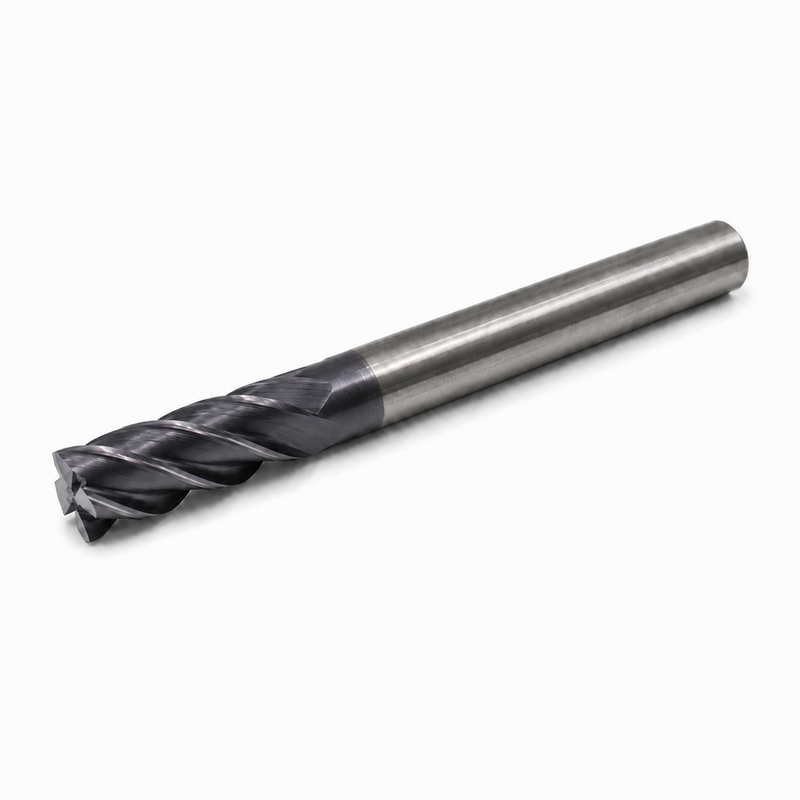 AlTiN / TiAlN Coating
Choose this advanced, heat-resistant shield when you aggressively cut tough steels, allowing you to run your machines at high speeds even without coolant.
Why Choose Hanöki End Mills
Our advanced protective layers stick to the carbide substrate permanently. The coating won’t peel off, even in harsh conditions or when the feed rate is very high. This means that your tools will last longer and be safer to use.
We make the centre web of the tool thicker near the shank. This neck design with extra support takes on big shocks and gives you the most stiffness for deep milling without any harmful noises.
Stop spending time changing setups while you’re making things. Because of how they are made, our end mills can be used to cut both normal steel and tough cast iron without having to switch tools.
We are the actual manufacturer, therefore you never need to work with the trading firm intermediaries. By buying direct from our workshop floors you obtain excellent industrial tools at authentic factory pricing that save you money.
Our senior engineers have several decades of experience in tool production and are not just producing conventional cutters. We can give you sound technical assistance and tool designs adapted to your particular machining problems.
We know the varying inventory demands of the different CNC shops. Whether you need a small trial batch for performance testing or vast volumes for continuous production, our manufacturing lines can readily accommodate your exact orders.
Internal Coolant Holes for Deep Machining
Externally applied coolant frequently won’t get to the bottom of deep pockets. Our end mills are precision-made with through-tool internal coolant holes. This precise design ejects the high pressure fluid out the tip of the tool. You free stuck chips in real time . You reduce the temperature in the cutting zone by more than 40% . You prevent your tools from burning out in continuous heavy milling .
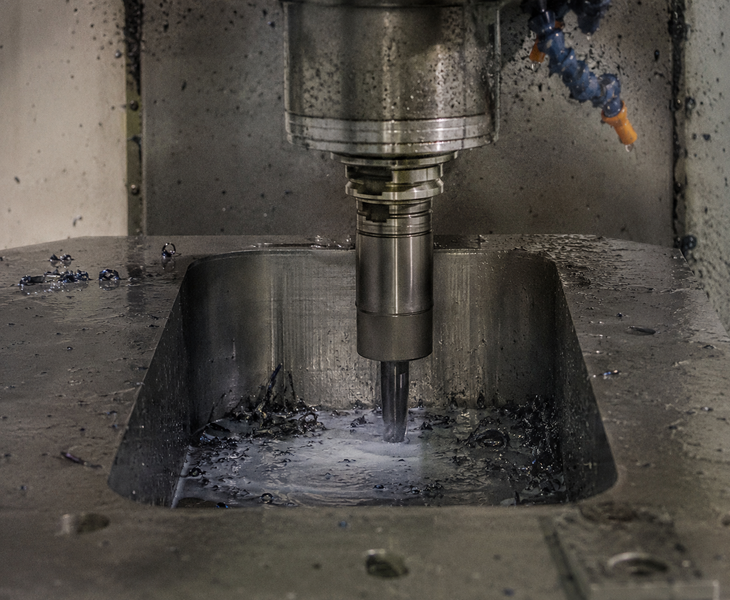
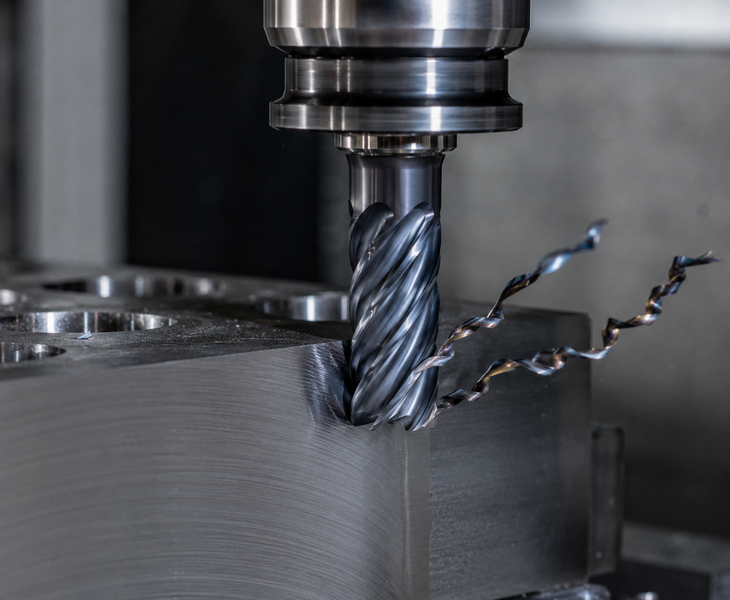
35°/38° Variable Helix to Eliminate Chatter
Standard cutters create rhythmic vibrations that destroy parts. The high-performance end mills are designed with changeable helix angle of 35°/38° and uneven flute spacing. This staggered geometry actively scrambles the cutting harmonics. This allows you to cut machine chatter by up to 30% and push your dynamic milling feed rates 1.5 times faster with a flawlessly stable tool.
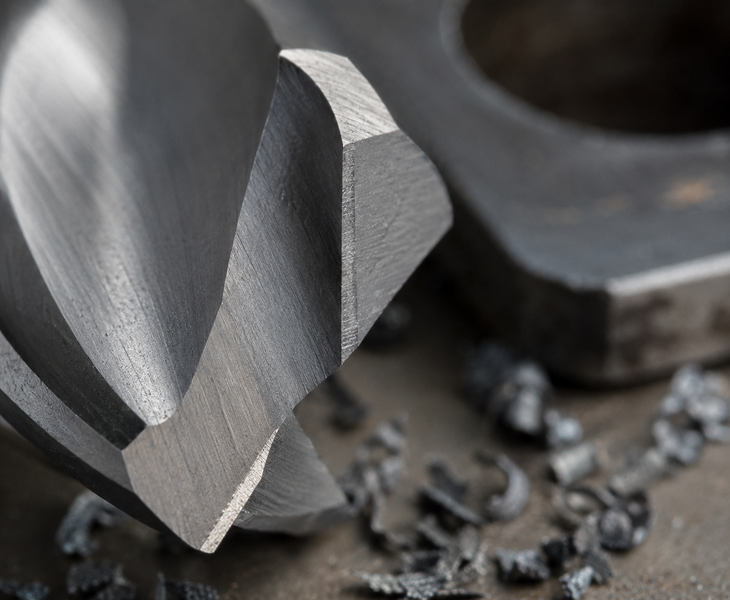
0.02mm Edge Preparation to Prevent Chipping
Raw cast iron has hard areas that break razor sharp edges off readily. Before coating, our end mills are precision edge honed creating a micro-chamfer of 0.015mm – 0.02mm on the cutting edges. This tiny fortification serves as a shock absorber. Cut through abrasive material crusts without early chipping. Extend tool life on difficult metals by 25% or more.
0.4-Micron Solid Carbide for Lower Spindle Load
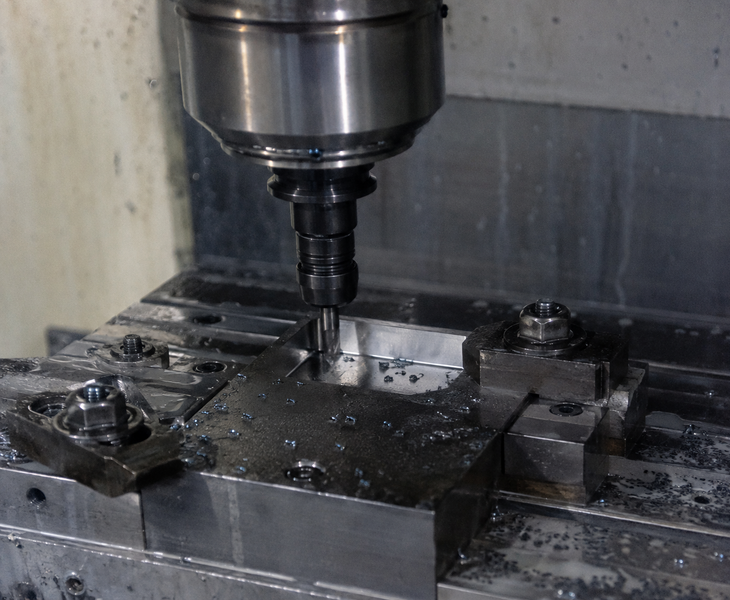
A poor tool takes too much effort from the machine. Our end mills are forged from ultra-fine 0.4 micron grain tungsten carbide. This substrate is unbelievably stiff and dense. This enables us to grind extremely rigid positive rake angles that do not collapse under strain. You lower the cutting resistance by 20% and take a big physical strain off your pricey CNC spindle bearings.
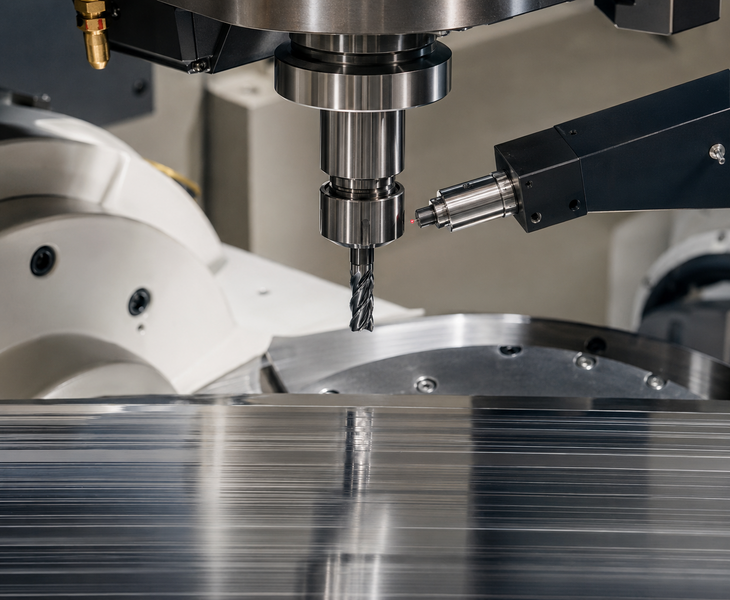
0.005mm Runout Tolerance for Perfect Finishes
Chatter marks on your final parts suck. Wobbly tool. We use superior 5-axis CNC grinders so that we can keep our end mills runout under 0.005mm (5 microns). Every tooth is spinning on a precise axis, each flute taking exactly the same chip load. You obtain very exact dimensions and a Ra 0.4 mirror-like surface finish without secondary hand polishing.
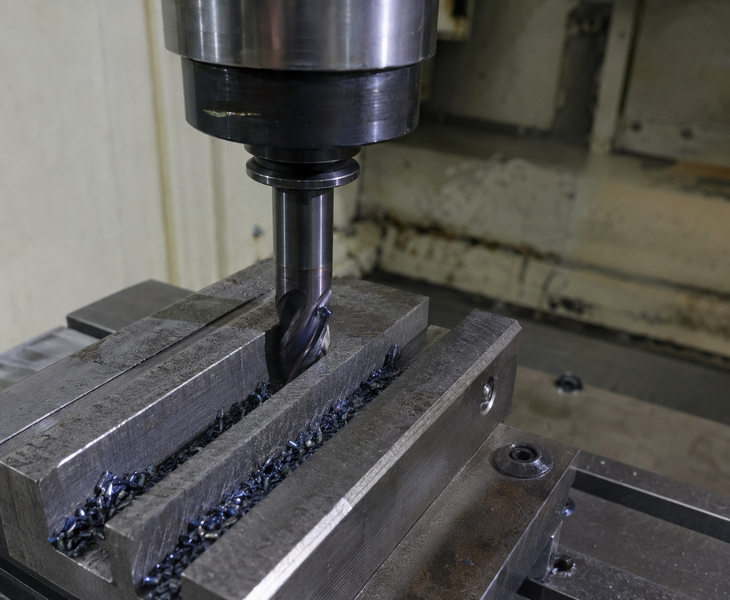
3300 HV AlTiN Coating for Jam-Free Milling
Sticky metals melt and weld to the naked cutters, causing abrupt tool failure. Our end mills have flutes coated with a sophisticated AlTiN coating, which adds a layer of 3300 HV hardness. This special thermal barrier is resistant to cutting temperatures up to 800°C (1472°F) and provides a highly lubricated surface. You can run your machines aggressively knowing that the chips will swiftly glide out instead of cramming inside the slots.
Your Direct Factory for Professional End Mills

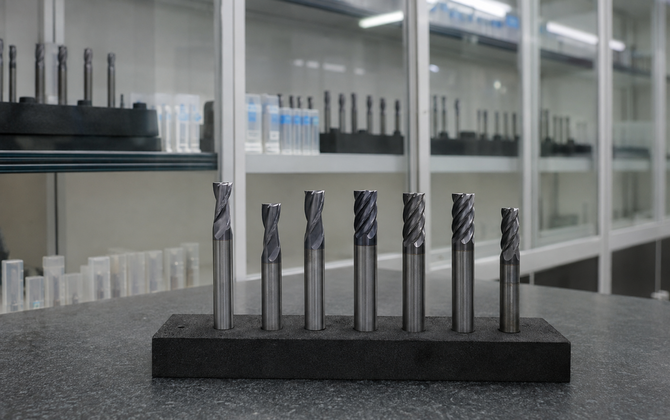
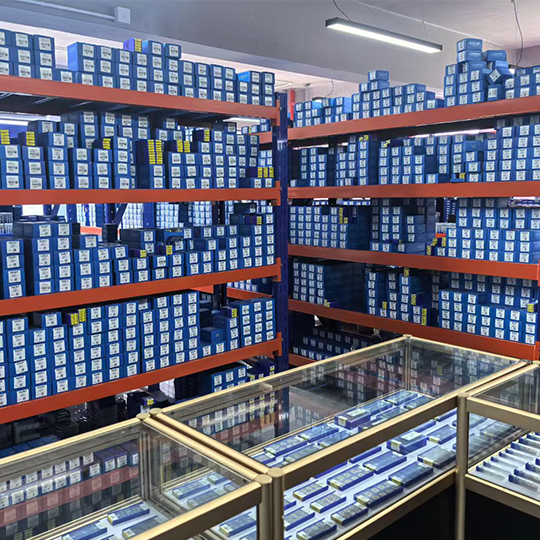
Our factory is 25,000 square metres and we have been making industrial grade Hanöki end mills for more than 30 years. We have more than 20 high tech CNC grinders on our production lines, so we keep strict control on the size and finish of every batch. This means that the tools you receive have cutting edges ground to perfection and flute forms of the utmost precision. This way you can reliably mill parts on a daily basis, whether you are cleaning deep pockets or profiling perfect corners.
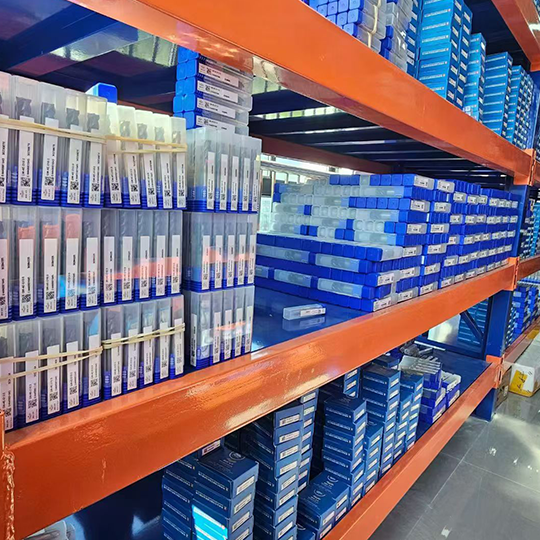
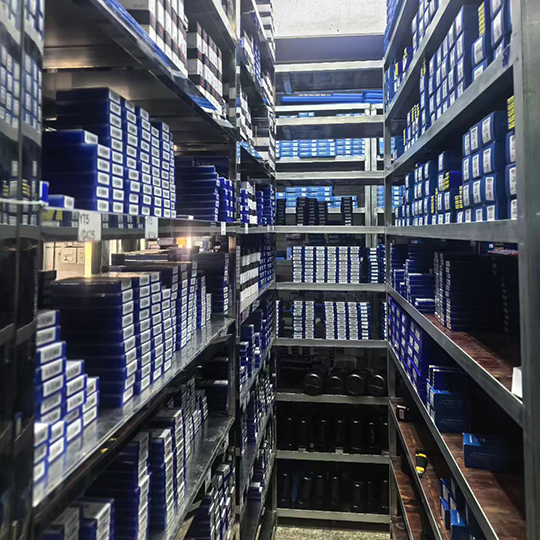
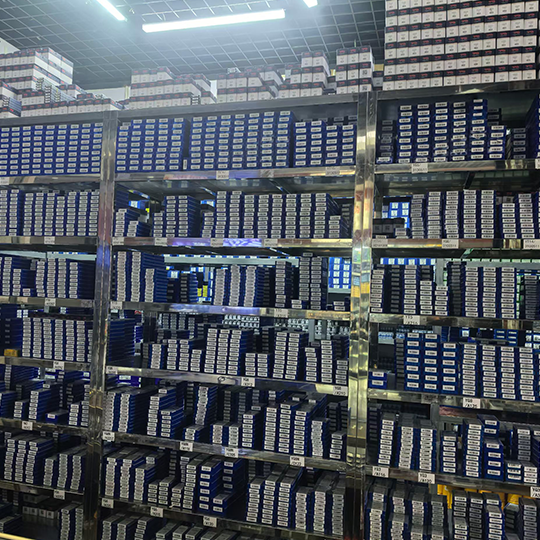
Buy direct from the factory floor and cut out the middlemen to get true industrial uniformity. We have a vast inventory of standard end mills so your bulk orders ship worldwide immediately and your automated CNC machines never have to stop. We have a staff of 10 senior application engineers available to assist your machine operators whenever they have a problem cutting hard-to-reach steel or abrasive metal alloys. We can provide you with the high-rigidity, trustworthy tools you need to keep your day-to-day work operating smoothly and safe.
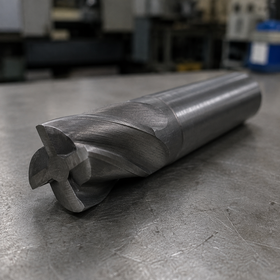
If you push hard on weak tools, they will bend or snap easily. Your end mills feature a heavy duty, premium tungsten carbide core. This gives you the tremendous stiffness you need to be able to mill aggressively hard solid metals without any dangerous tool deflection or machine clatter.
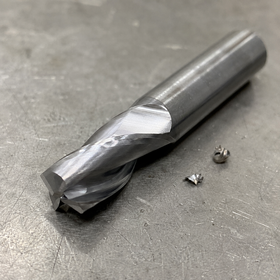
Metal chips that are trapped will instantly stall your setup, damaging the workpiece. We design your end mills with ultra-smooth, deep flute valleys. This particular form is great for quickly removing heavy chips from deep pockets, letting your automated CNC keep running without clogging.
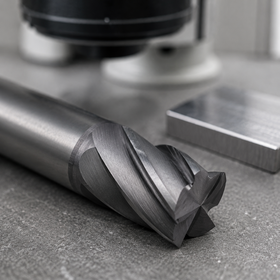
You don’t want to have to hand-polish items when they come out of the machine. Each cutting edge is honed to stringent micron level standards. This helps you to cut clean through the metal leaving your finished components with a wonderfully flat surface directly off the spindle.
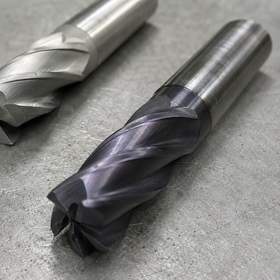
Extreme friction can damage exposed tools in minutes. We treat your end mills with a thermal shield, a high temperature protection coating. “You can run your equipment at considerably higher speeds, because you know the cutting edges will be sharp and reliable for a much longer time.
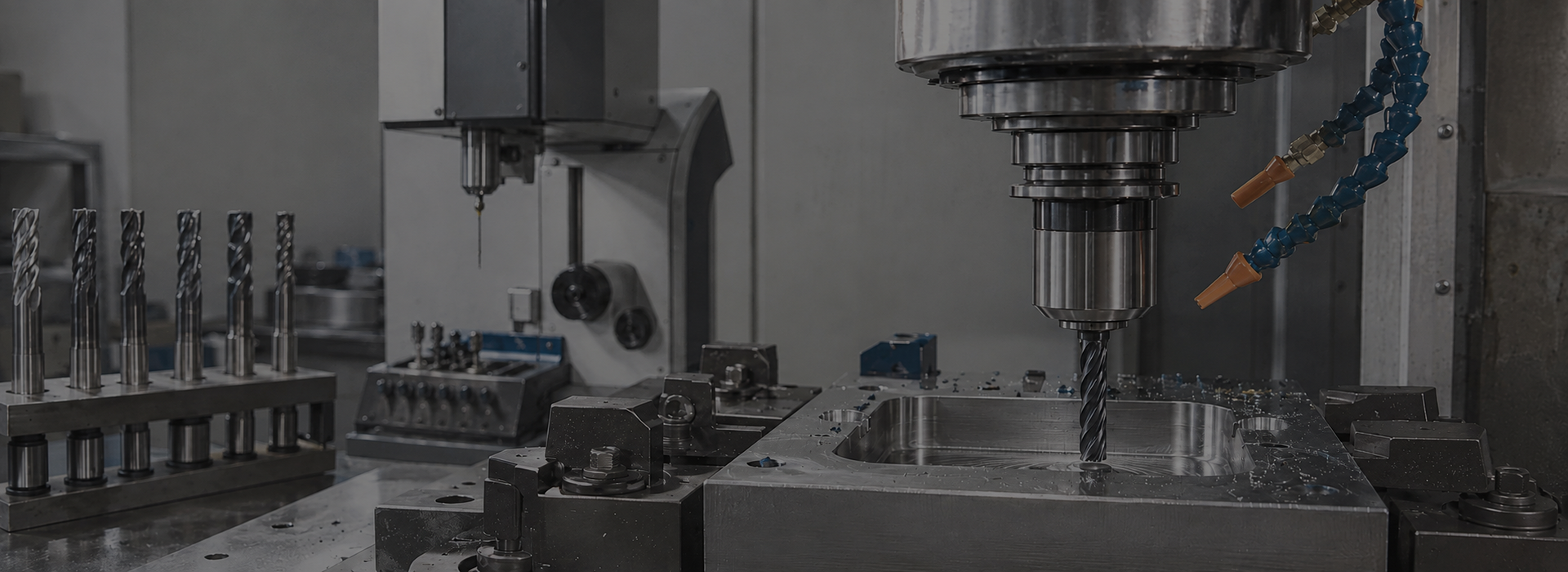
End mills can cut in every direction, but normal drill bits can only cut straight down. You utilise them in CNC machines for cutting profiles, cutting slots, milling smooth surfaces, and creating complex shapes in raw blocks of metal.
Drill bits can only cut vertically to generate circular holes. End Mills include cutting edges on the sides as well as the tip so you can slide them horizontally across the cloth to mill out pockets and edges.
Center-cutting end mills are end mills with cutting flutes that extend to the exact centre of the tool tip. This allows you to dive directly into a solid block of metal, much like a drill does, and then move sideways.
High-speed steel (HSS) is less expensive but wears quickly. Solid carbide end mills are more tougher, can take severe heat and endure much longer. Carbide is always the greatest for speed and precision if you have stiff CNC machines.
2-flute end mills have deep flutes to clear away large pieces. 2-flute end mills are best for soft metals such as aluminium. 4 flute end mills have a bigger core and more cutting blades which gives a smoother finish when machining tougher metals like steel.
Aluminium is soft and sticky, thus it gums up ordinary instruments. End mills with 2 or 3 flutes and deep, highly polished flutes to keep the aluminium from melting and sticking to the cutter.
Stainless steel becomes very hot and hard in the cut. To avoid quick tool wear, utilise solid carbide end mills with 4 or 5 flutes, and an advanced heat-resistant coating, such as AlTiN.
Yes, but you must get the geometry perfect. Use single-flute or 2-flute end mills with very sharp, uncoated blades to cut cleanly through plastic and wood without melting or burning.
Roughing end mills are serrated, with a wavy cutting edge. You use them to pull away huge chunks of heavy stuff really fast. They chip the metal down into tiny bits, taking the stress off your machine’s spindle before a typical finishing tool is used.
Ball nose end mills have a rounded tip. They are used for 3-D contouring, intricate curve cutting and finishing deep mould cavities where you want a smooth, rounded surface finish.
the speed (RPM) and feed rate will depend on the tool diameter and flute count, and the hardness of the metal. Always refer to the manufacturer’s cutting data chart for end mills for best performance and to avoid breakage.
The chip load is the precise amount of metal that each cutting edge takes away in one revolution. Keeping the chip load right keeps your end mills from contacting the metal and causing too much heat.
Climb milling is almost usually the superior choice for CNC machining. It provides a cleaner finish, reduces cutting heat and presses the workpiece securely into your fixture, so your end mills last longer.
As a rule of thumb you should not plunge deeper than half the diameter of the tool while executing heavy slotting . However, with modern high-speed dynamic milling, you can employ the full side length of high-performance end mills with very small radial cuts.
Depends on the substance. For sticky metals such as aluminium, always use coolant. However, on strong steel using coated end mills, a high pressure air blast is generally preferable than cold liquid to clear chips since the air can shock the heated carbide and produce micro-cracking.
Tool breakage is frequently caused by a feed rate set too high, insufficient chip evacuation, or extreme machine vibration. Ensure your end mills are held tightly in a good quality collet and clear your chips faster
Chatter is that loud vibration that destroys the polish of your part. To get rid of it, slow the spindle, clamp the workpiece tighter, and use variable helix end mills designed to soak up harmonics.
This is called Built-Up Edge (BUE) and occurs when the cutting zone becomes excessively hot. Fix this by increasing your coolant flow, using polished-flute end mills and ensuring your feed rate isn’t too slow.
Fast wear suggests that you are either running too fast for the material hardness or employing the inappropriate coating. When machining abrasive or harsh industrial steels, be sure to utilise end mills coated with AlTiN or TiAlN.
Yes, there are professional grinding shops that re-grind the cutting flutes and re-coat dull tools. For smaller diameters (under 6mm) it is usually cheaper to acquire fresh new factory-direct end mills.
Look for a direct factory that uses virgin tungsten carbide, has superior 5-axis grinding machines, and does 100% laser quality inspection. This assures that the end mills you buy in bulk will all behave the same.
Yes. If you have designs, a professional tooling factory like Hanöki can design custom end mills for you. We may modify the neck length, corner radius or flute geometry to fit your particular machining requirements.
When you buy direct from the workshop floor you eliminate trading corporations and distributor markups altogether. Premium industrial end mills at true wholesale cost.
Carbide is durable but fragile. Every tool has to be protected in global shipping. High grade end mills are always packed tightly inside separate strong plastic tubes so that the cutting edges never get chipped in shipment.
A flexible manufacturer knows that not all CNC shops are the same. We don’t have big Minimum Order Quantities (MOQs). You can purchase small batches of end mills for testing or order massive volumes to feed your production lines.
How to Pick the Right End Mills for Your Job
If you pick the wrong end mill, you will not only lose money, but it will also damage your CNC spindle and break your expensive workpiece. To make sure production stays safe, you need to make sure the shape and coating of the tool are right for the metal on the table. When working with soft, sticky aluminium, you need a 2- or 3-flute end mill that is not coated and has deep, smooth valleys so the material doesn’t melt and clog the cutter right away. If you’re working with tough alloy steel or cast iron, on the other hand, you need an end mill with 4 or 5 flutes and a dark, high-temperature coating like AlTiN to protect it. This set-up with multiple flutes spreads the heavy cutting shock over more teeth, which keeps the raw carbide from setting on fire during the first deep pass. Milling will go smoothly and continuously as long as you take the minute to match the right tool to the right metal.