
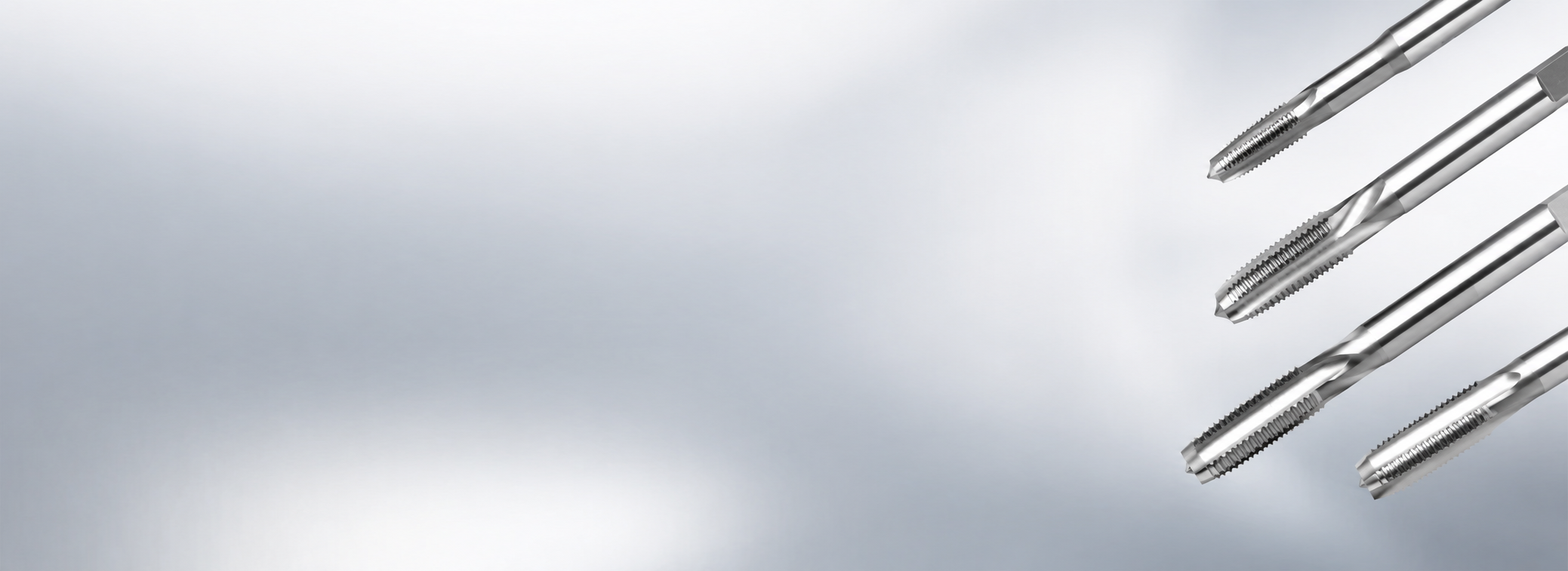

Your Direct Factory for High-Performance Aluminum Taps
- Polished Flute Finish: Sticky, soft aluminium can’t stick to teeth because the grooves are extremely smooth.
- Razor-Sharp Edges: Cuts metal cleanly, giving you interior threads that are smooth and free of burrs.
- Fast Chip Removal: Wider flute spaces easily pull long, stringy chips away from your workpiece.
- Source Factory Direct: You buy directly from our manufacturing lines to ensure stable tooling quality.
- Advanced CNC Grinding: Five-axis machines guarantee you receive exact thread dimensions across bulk orders.
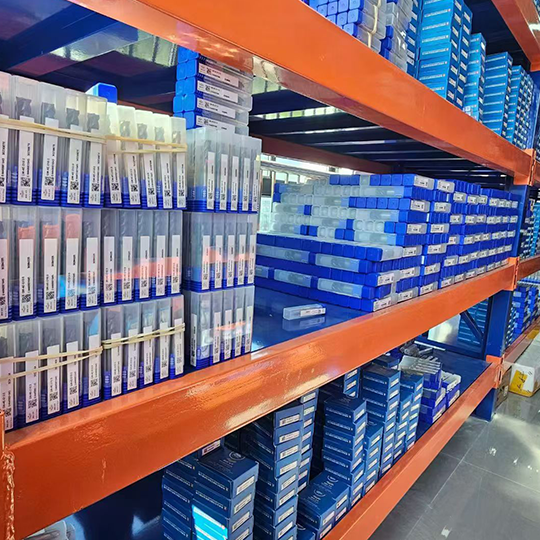
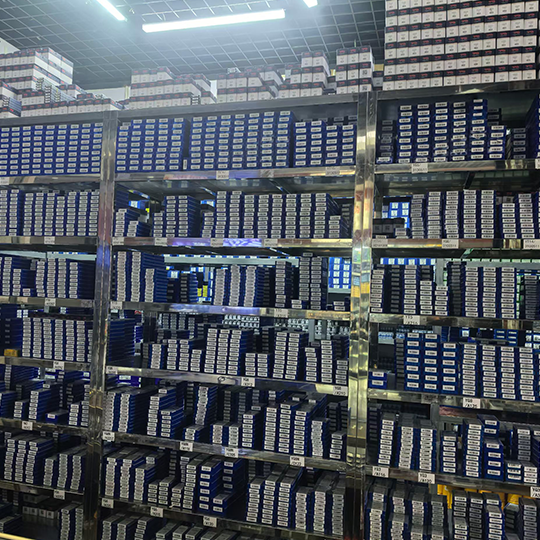
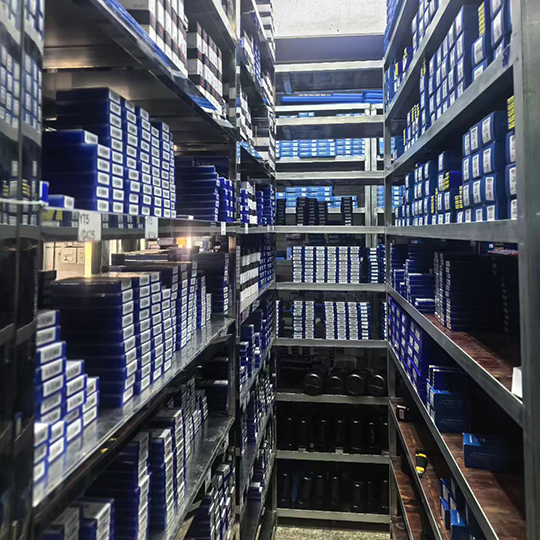
- Massive Ready Stock: Large warehouse inventory ensures you get rapid global shipping without production delays.
What is an Aluminum Tap?
Standard tools will break down quickly when your factory works with soft, sticky metals like aluminium. The exact tool you need to fix this is an aluminium tap. It is made with cutting edges that are very sharp and flutes that are extra wide and highly polished. This unique design is very important because aluminium chips are long and stringy and keep trying to melt and stick to your tool. The very sharp teeth cut through the sticky metal without breaking it, and the mirror-like grooves make it easy for the waste to slide out of the hole. This tap keeps metal from welding to your cutting edges if your plant makes a lot of lightweight car parts, heat sinks, or aerospace brackets. Your automatic CNC machines can go as fast as they can and cut internal threads that are perfectly straight and smooth. You never have to stop the line to scrape melted aluminium off of a stuck tool.
The Hidden Cost of Cheap Aluminum Taps
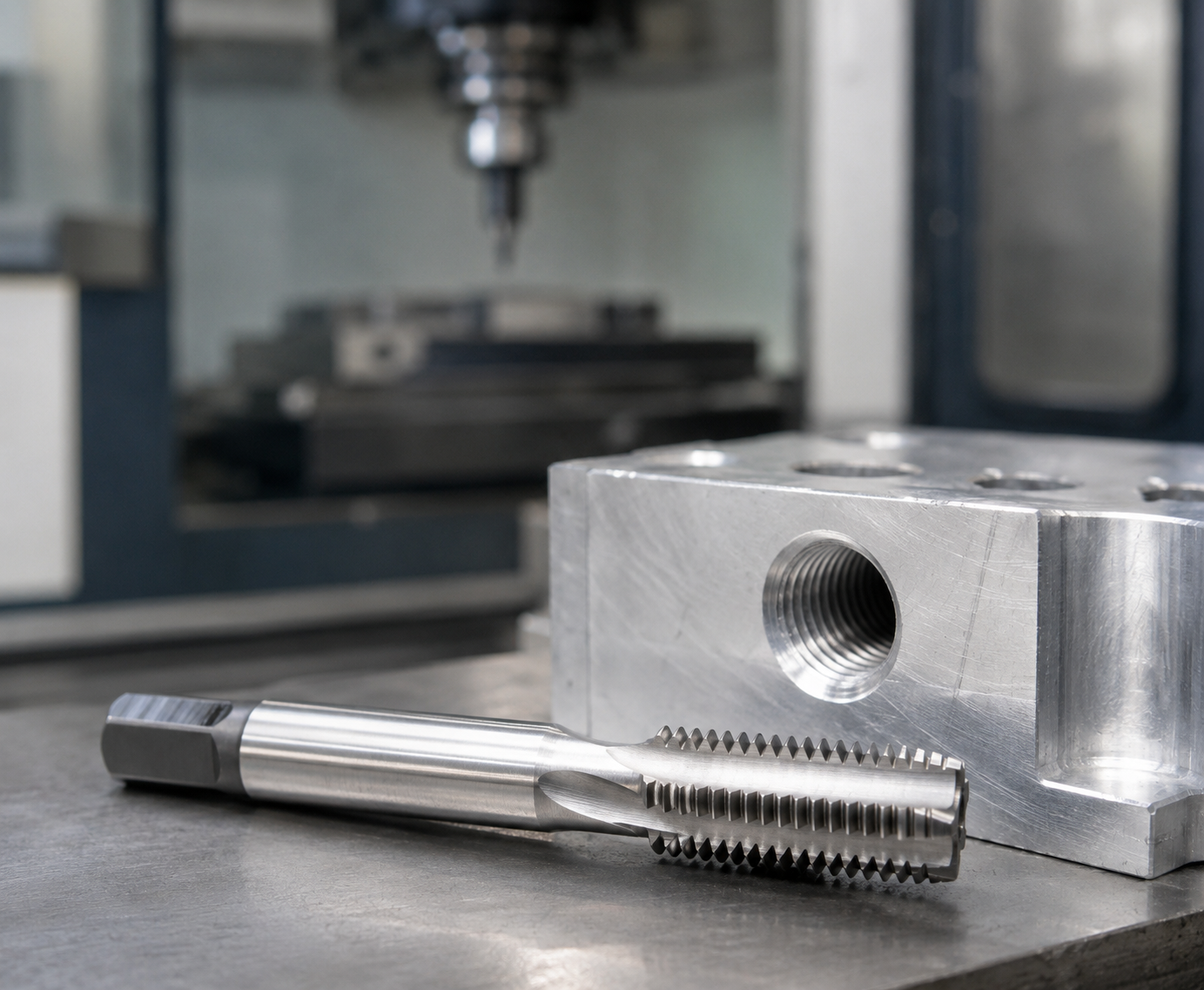
Aluminum is soft, so when you work on it, it wants to melt and stick to your cutting tools. When you use a cheap aluminium tap, the grooves get rough, and the cutting edges get dull. Long, stringy aluminium chips can’t slide off without getting hurt. In their place, they fit tightly into the gaps and cold-weld right onto the steel teeth. It’s hard to cut internal threads when this solid mass of metal gets stuck in your automatic CNC spindle and keeps spinning. The strong pressure will break the fragile tap in half very quickly, leaving you with a broken, pricey aluminium part and a machine that won’t work, which wastes hours of your time.
Cutting corners on tools will always cost your factory more in the long run because they have to be thrown away and production has to stop, which costs a lot of money. Hanöki makes professional-grade aluminium taps that are designed to work only with metals that are sticky. We make the cutting teeth very sharp so that the metal is sheared cleanly, and we polish each flute very well so that the sticky chips don’t get in the way. When you buy from our factory that makes hole-making tools, you get reliable, custom taps that cut threads that are perfectly straight and keep your high-speed CNC lines running smoothly.
Aluminum Taps By Flute Geometry
 Spiral Flute Taps
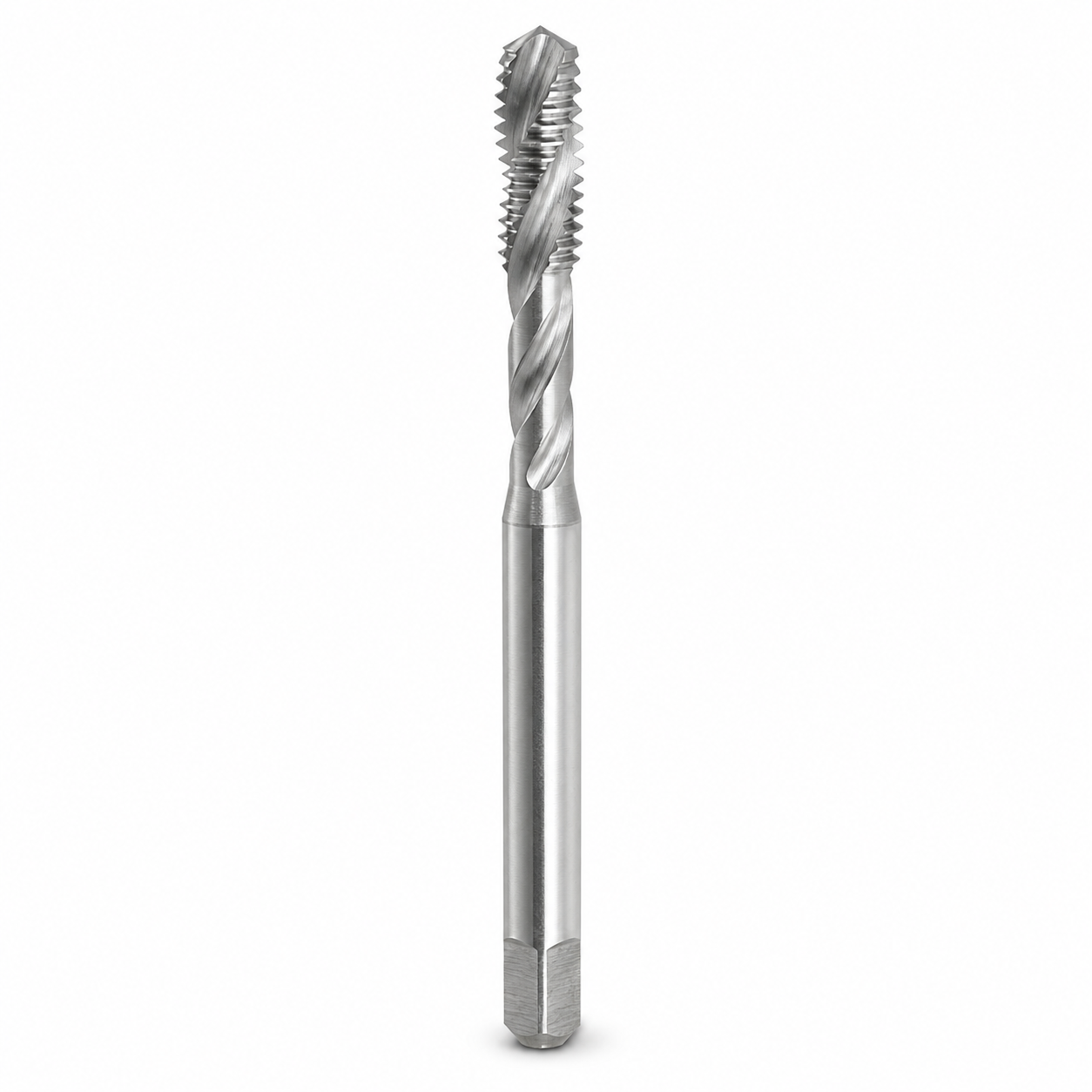
You use these for deep blind holes. They act like an elevator, pulling the long, stringy aluminum chips up and safely out of the top.
 Spiral Point Taps
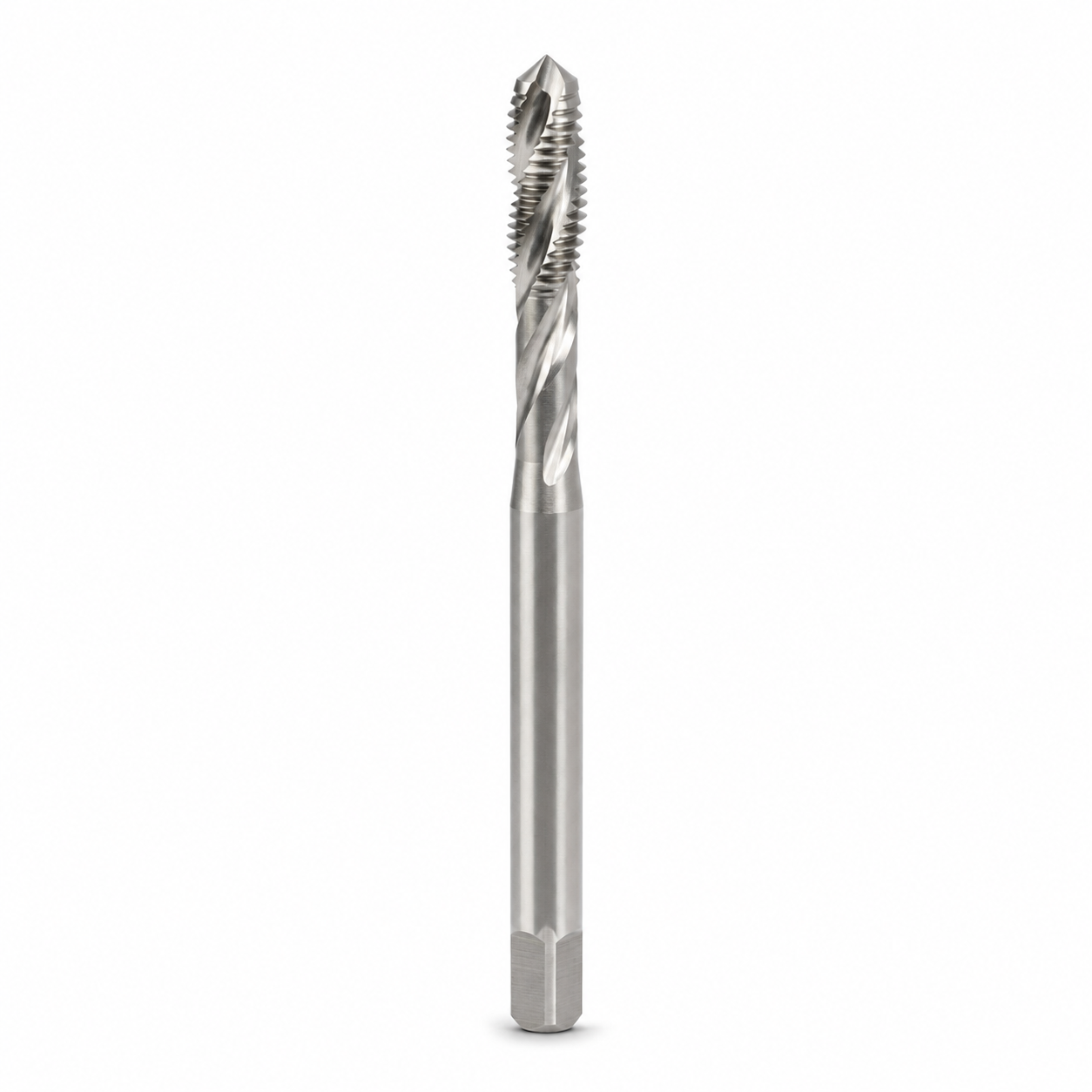
You need these for open through-holes. They shoot the continuous aluminum chips forward and out the bottom so your CNC can run at maximum speed.
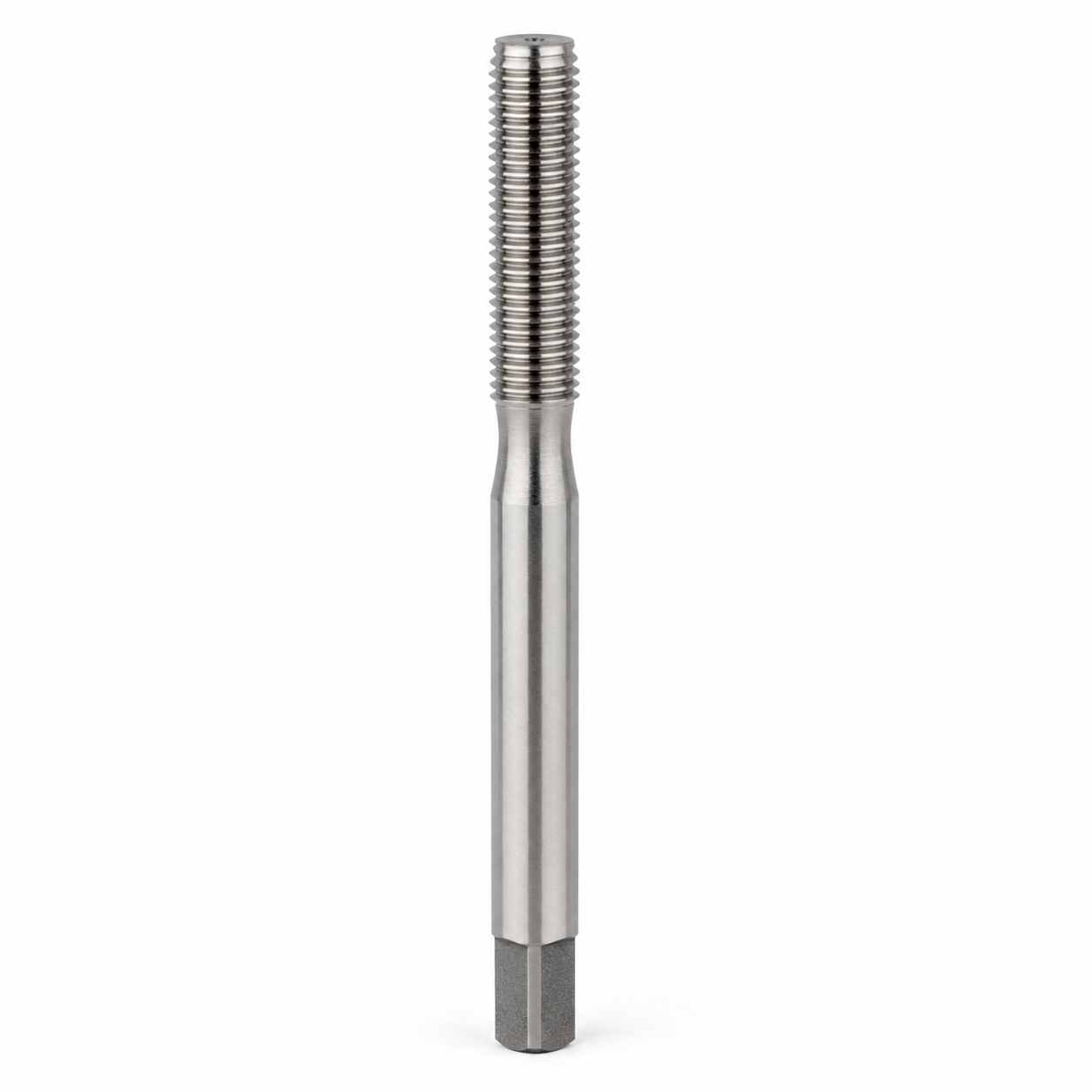 Forming Taps (Roll Taps)
You choose these to eliminate chips entirely. They press and cold-form the soft aluminum into highly durable threads without cutting any metal.
Aluminum Taps By Surface Finish
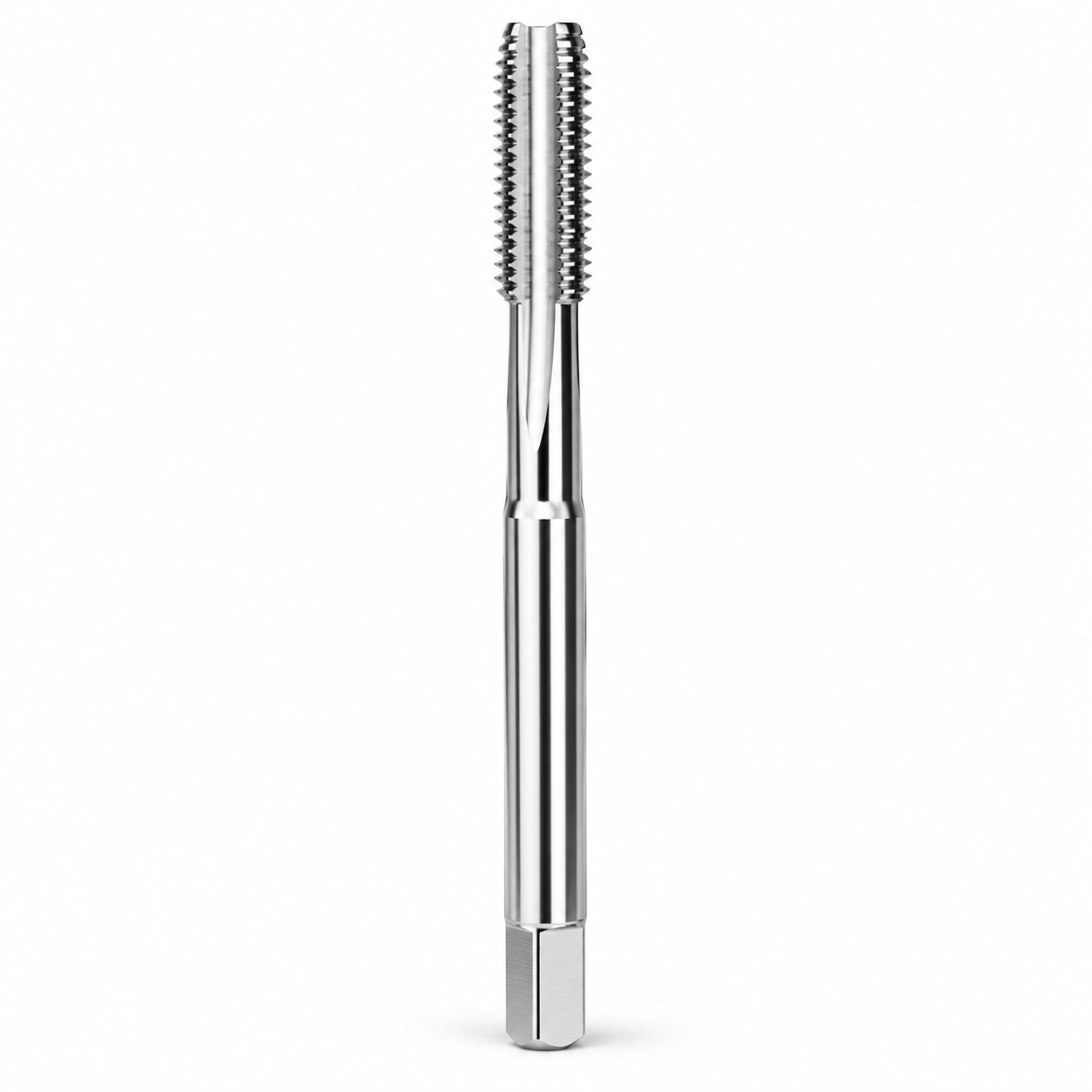 Bright Polished Finish
The standard uncoated choice. You rely on these ultra-smooth, mirror-like grooves to let soft aluminum slide off easily without sticking.
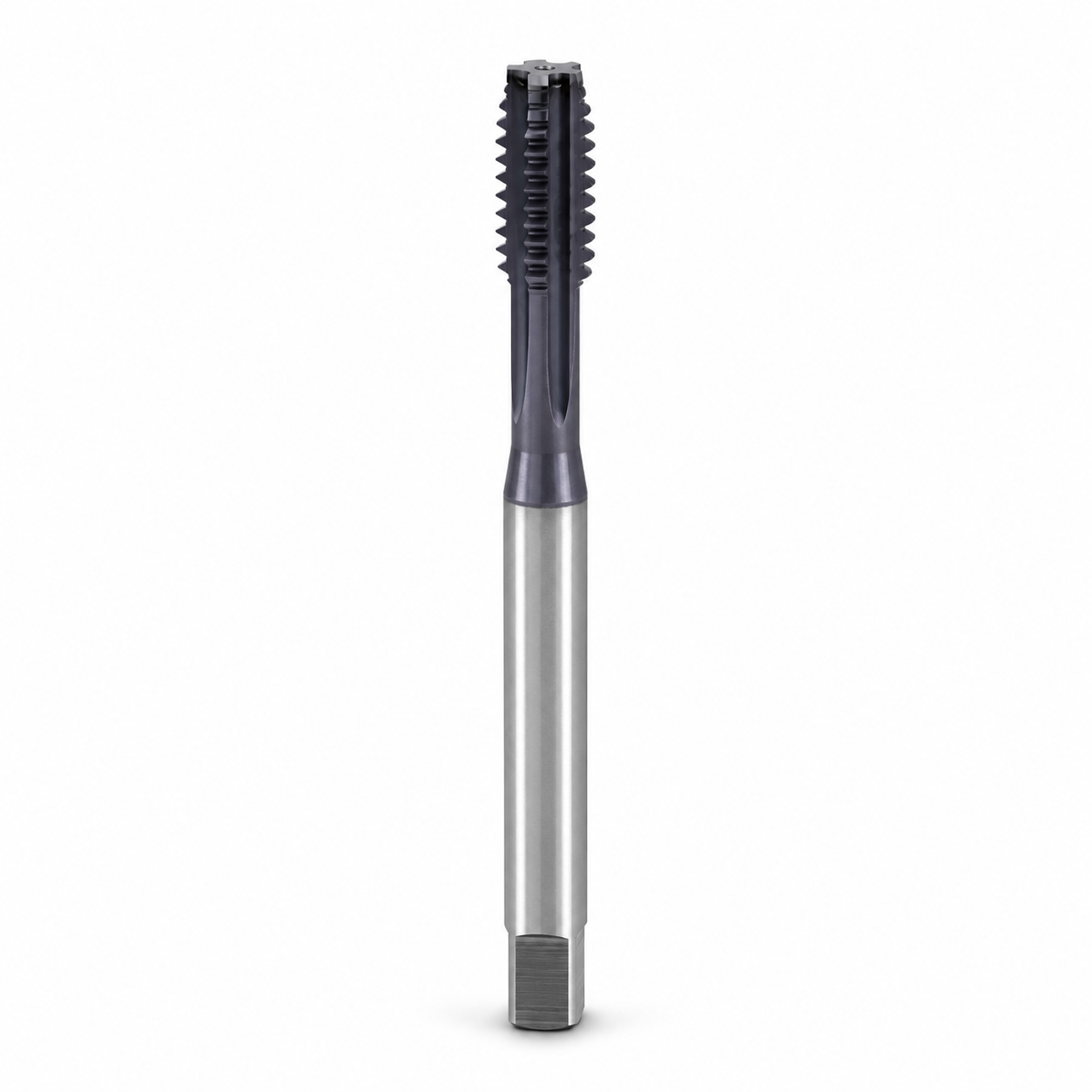 TiCN Coating
You use this hard, low-friction shield when mass-producing abrasive parts. It protects your cutting edges and extends tool life significantly.
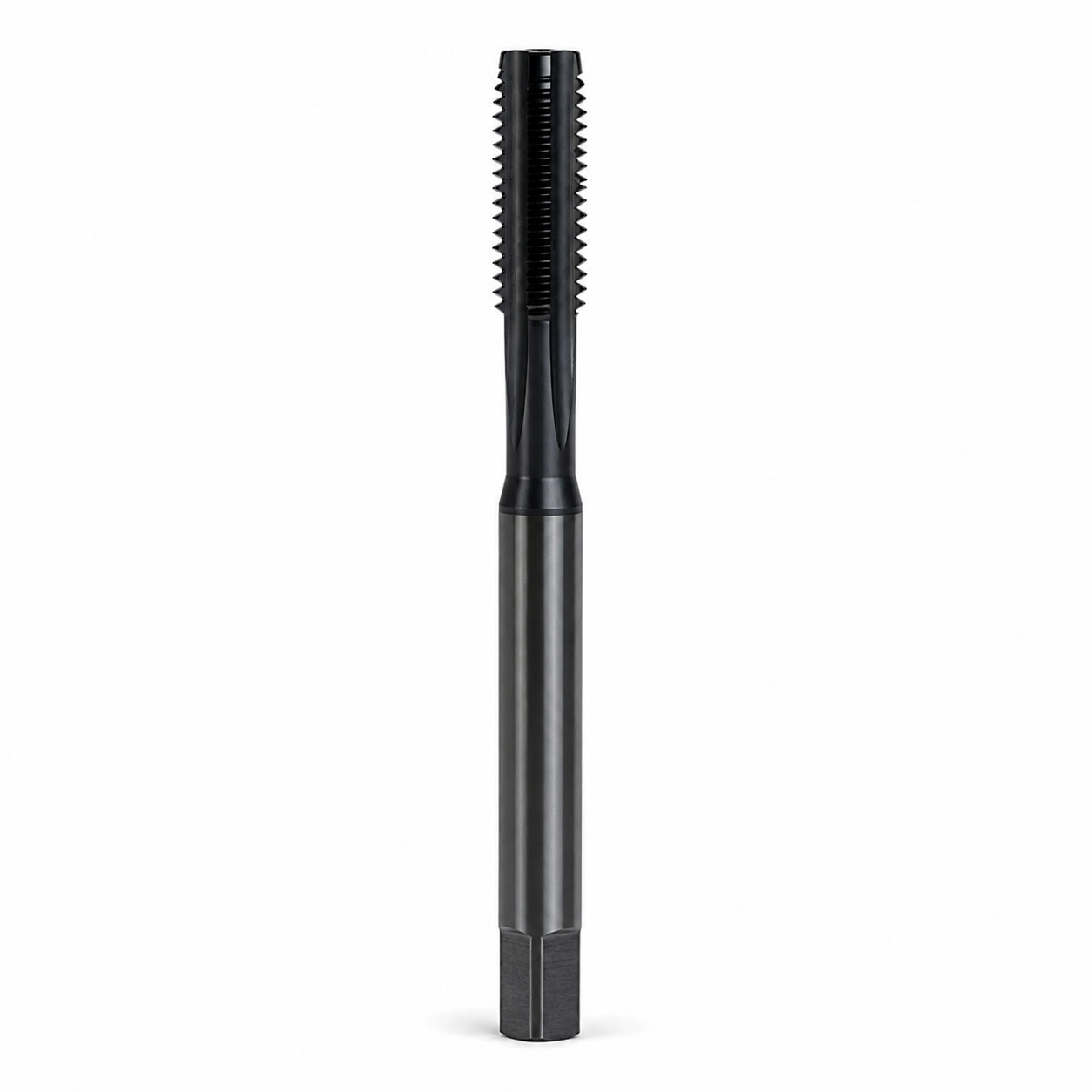 DLC Coating
The ultimate anti-stick barrier. You must run this premium black coating when machining extremely gummy alloys at aggressive high speeds.
Aluminum Taps By Alloy Type
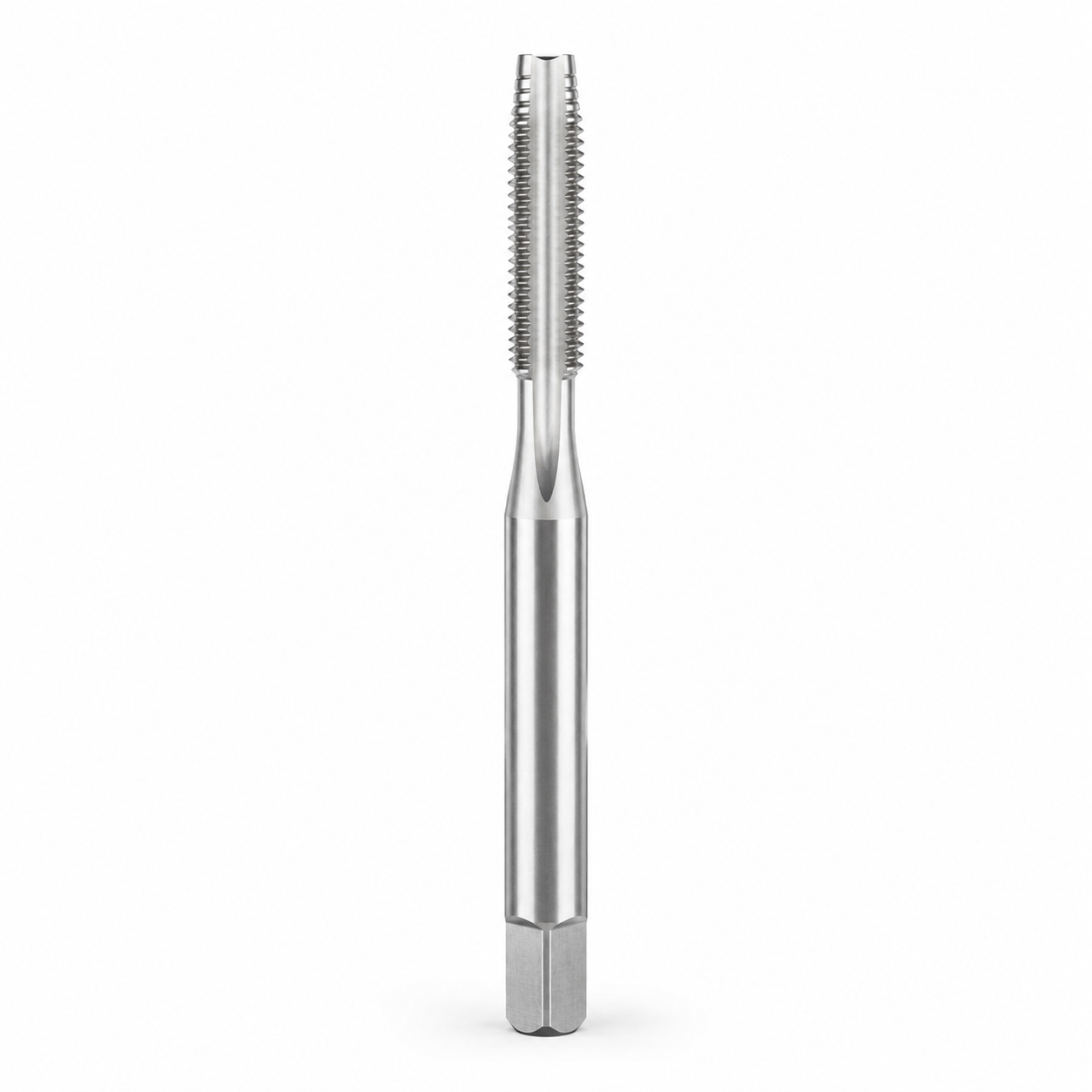 Soft & Pure Aluminum
Extremely sticky. You need our high-rake, ultra-sharp taps to cleanly slice through this gummy metal without tearing the threads.
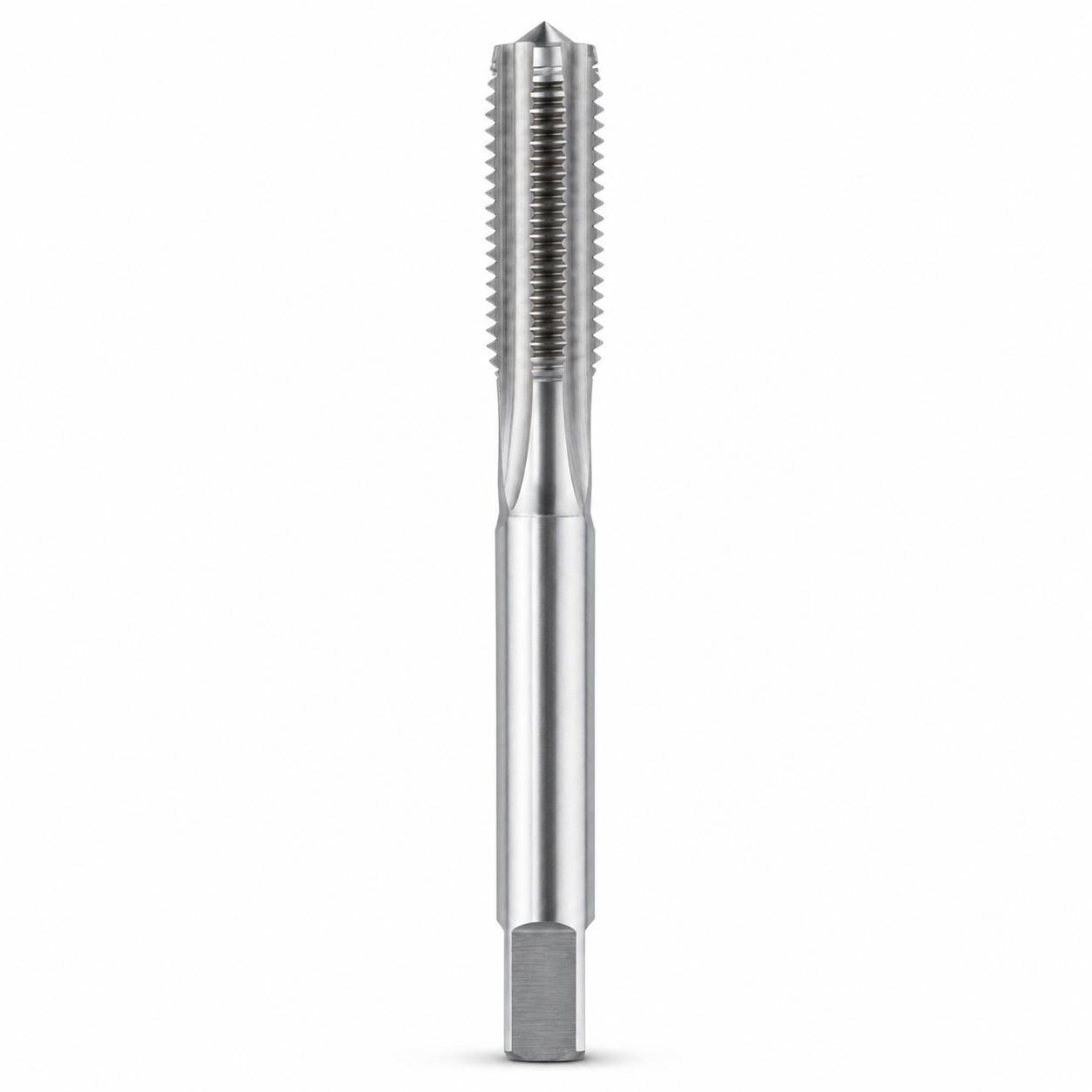 Structural Aluminum
Tougher metals used for aerospace and automotive parts. You run our standard aluminum taps for balanced, reliable daily production.
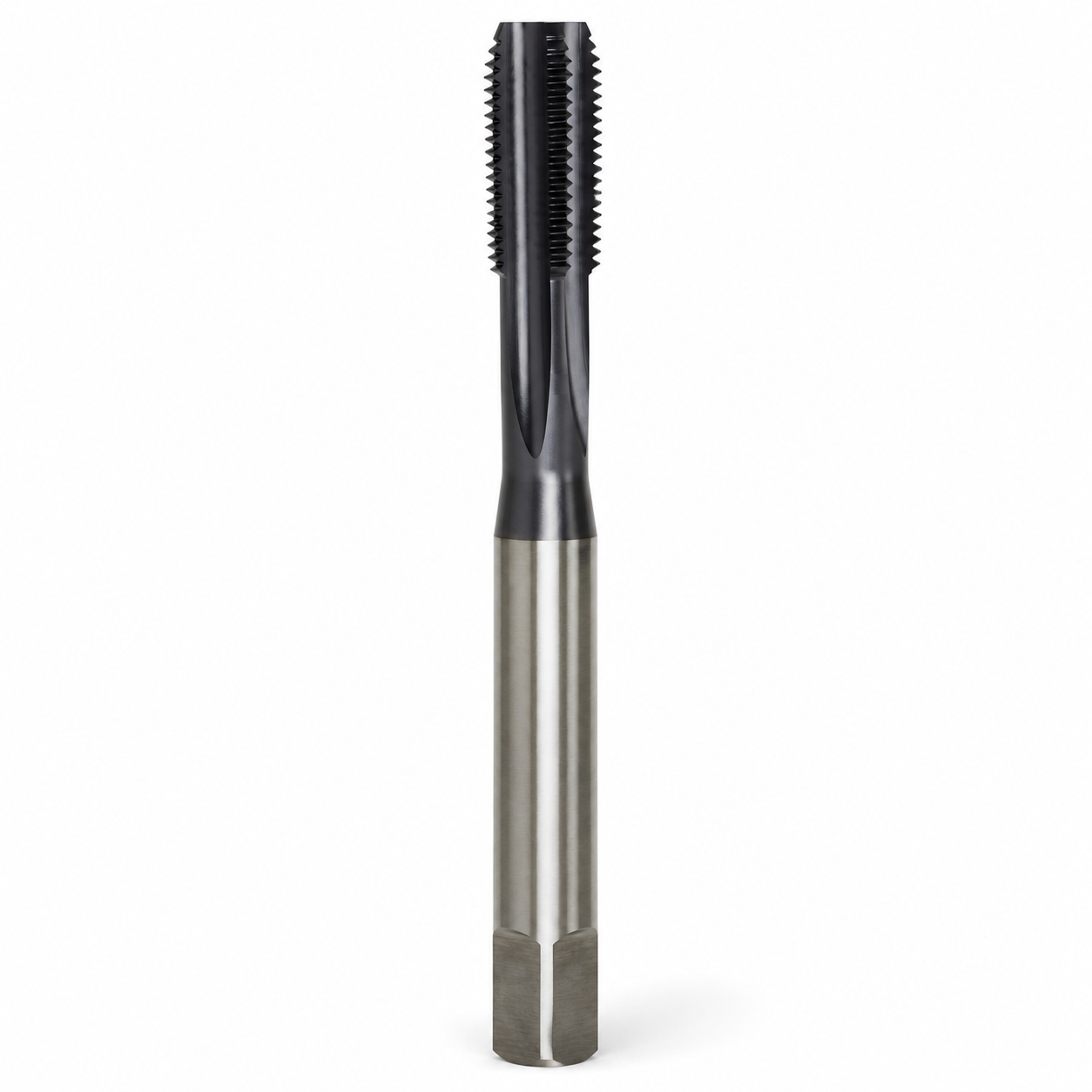 Cast Aluminum
Abrasive and brittle like sand. You must use our heavy-duty, coated taps to withstand the intense friction and prevent instant tool wear.
Why Choose Hanöki Aluminum Taps
Soft metals require large flutes that tend to weaken ordinary taps. We build a specially reinforced center core so you can run aggressive CNC feed rates without snapping the tool in the middle of a cycle.
Sticky aluminium needs to be cooled very quickly. Our open geometry allows high-pressure CNC fluids to directly flood the cutting teeth. This immediately removes the heat and keeps the soft metal from melting.
We grind a special relief angle directly behind the cutting teeth. This will prevent the tool body from rubbing on the soft aluminium walls, and you will get flawlessly clean threads without tearing.
We only buy high-quality tool steel that is high in vanadium and is made to work with soft alloys. You get heavy-duty threading tools that can easily last for thousands of runs on your high-volume production lines.
We test tools on real aluminium blocks in our plant before sending them out to you in bulk. You get tried-and-true taps that are guaranteed to work perfectly with your expensive parts.
If the factory you work for cuts a special, very rough aerospace aluminium alloy, our engineering team can quickly design and make a custom-geometry tap that will keep your production going.
Stops Oversized Thread Failures
When soft metal melts and builds up on standard cutting teeth, the tool gets bigger than it really is and cuts loose threads that are too big. Aluminium taps are made to stop this dangerous material from building up completely. Because the cutting edges stay clean the whole cycle, you get internal threads that are very close to spec and will always pass your strictest Go/No-Go gauge tests.
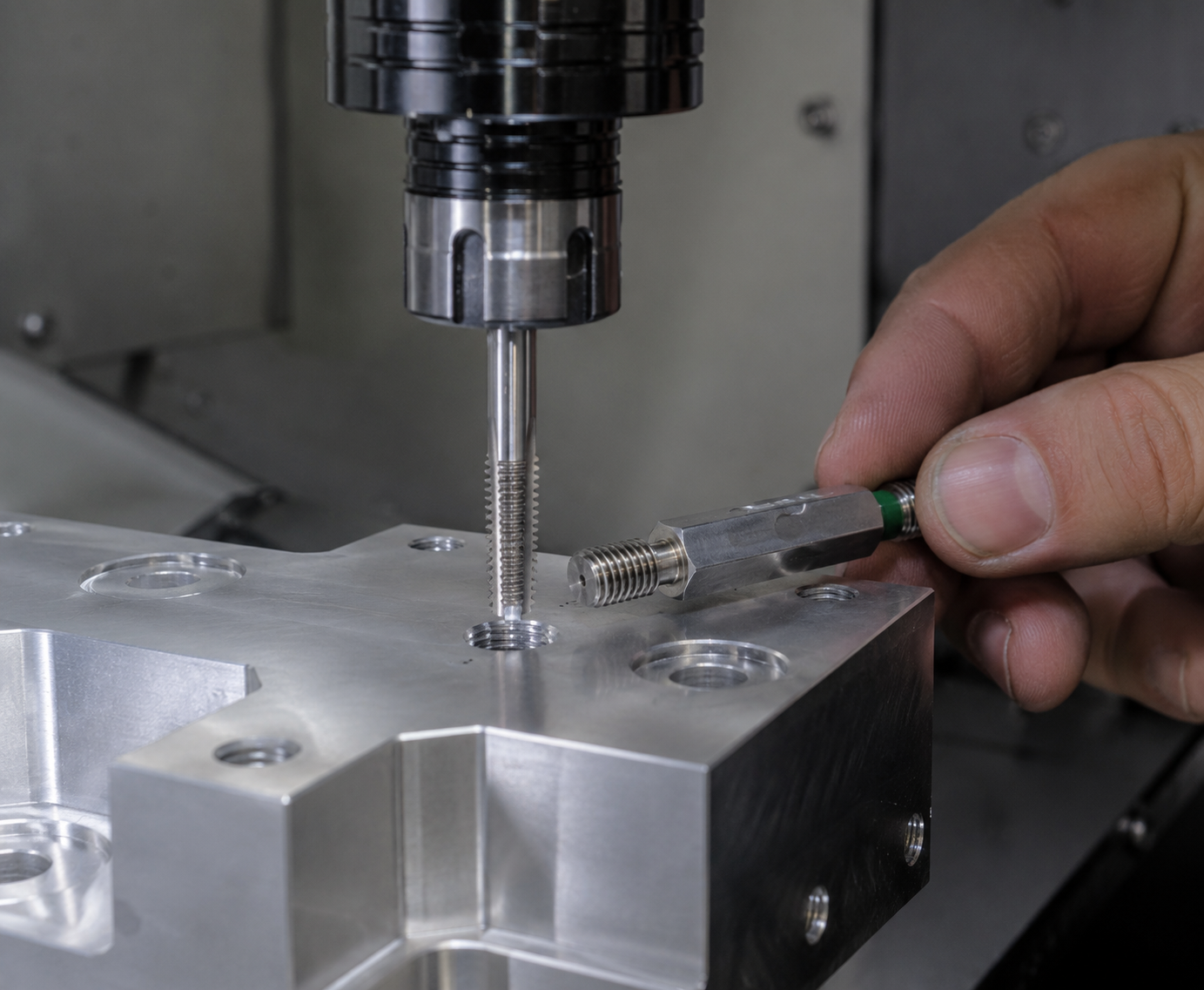
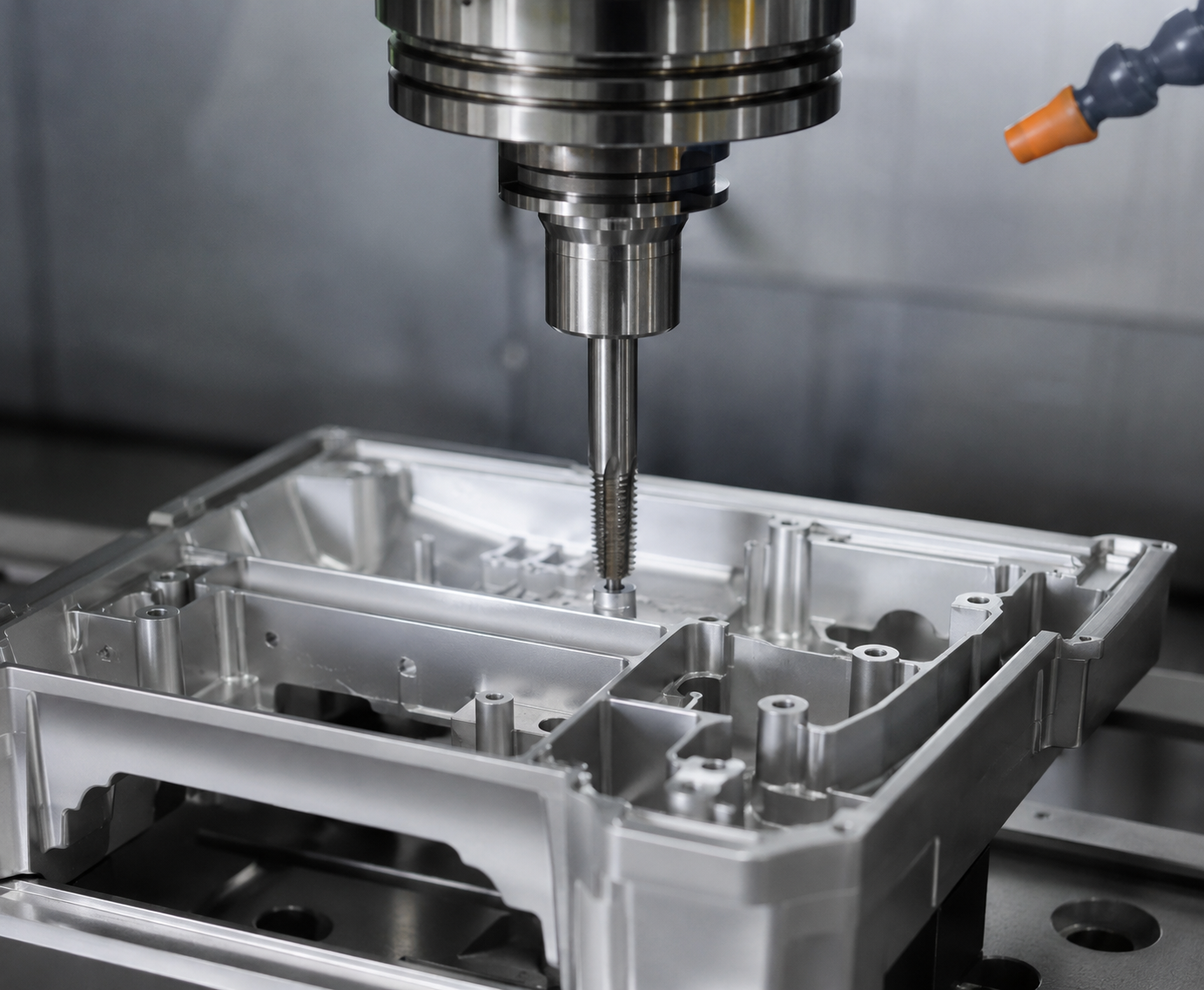
Protects Fragile, Thin-Walled Parts
Heavy downward cutting pressure can easily bend soft metal when making thin lines, drone frames that are light, or electronic heat sinks. Taps made of aluminium have a very strong, positive shearing action. They only need a little push to get into the hole, so your fragile, thin-walled parts will never break or bend during the fast threading process.
Eliminates Expensive Manual Deburring
When regular tools are used on soft metals, they often leave fuzzy, rough edges inside the hole that your assembly workers have to clean out by hand, which is very painful. The final thread surface is smooth and bright because aluminium taps cut the sticky metal so precisely. You don’t have to pay extra for deburring work after the parts have been made; you can send them straight to the anodising line.
Lowers CNC Spindle Drag and Wear
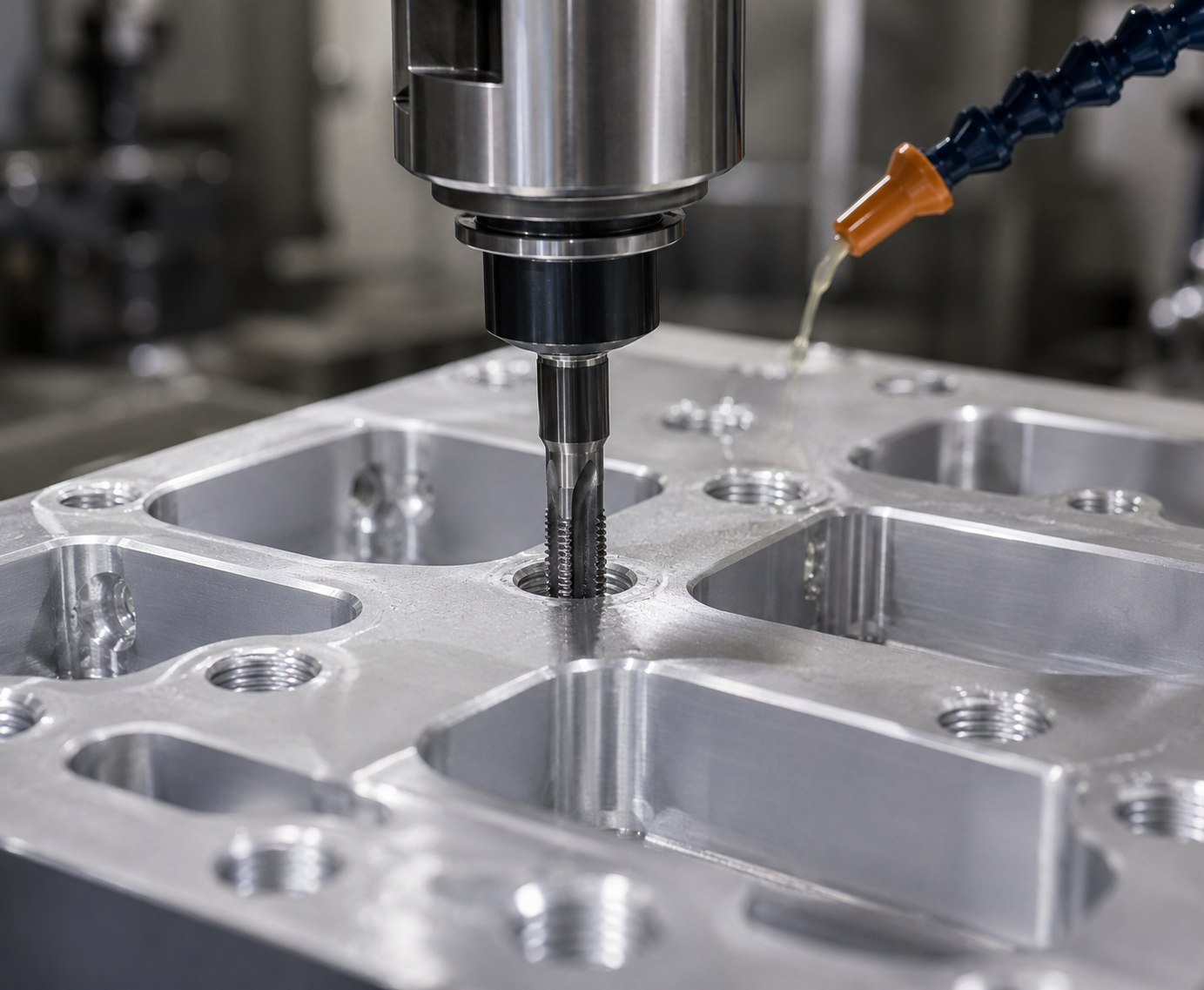
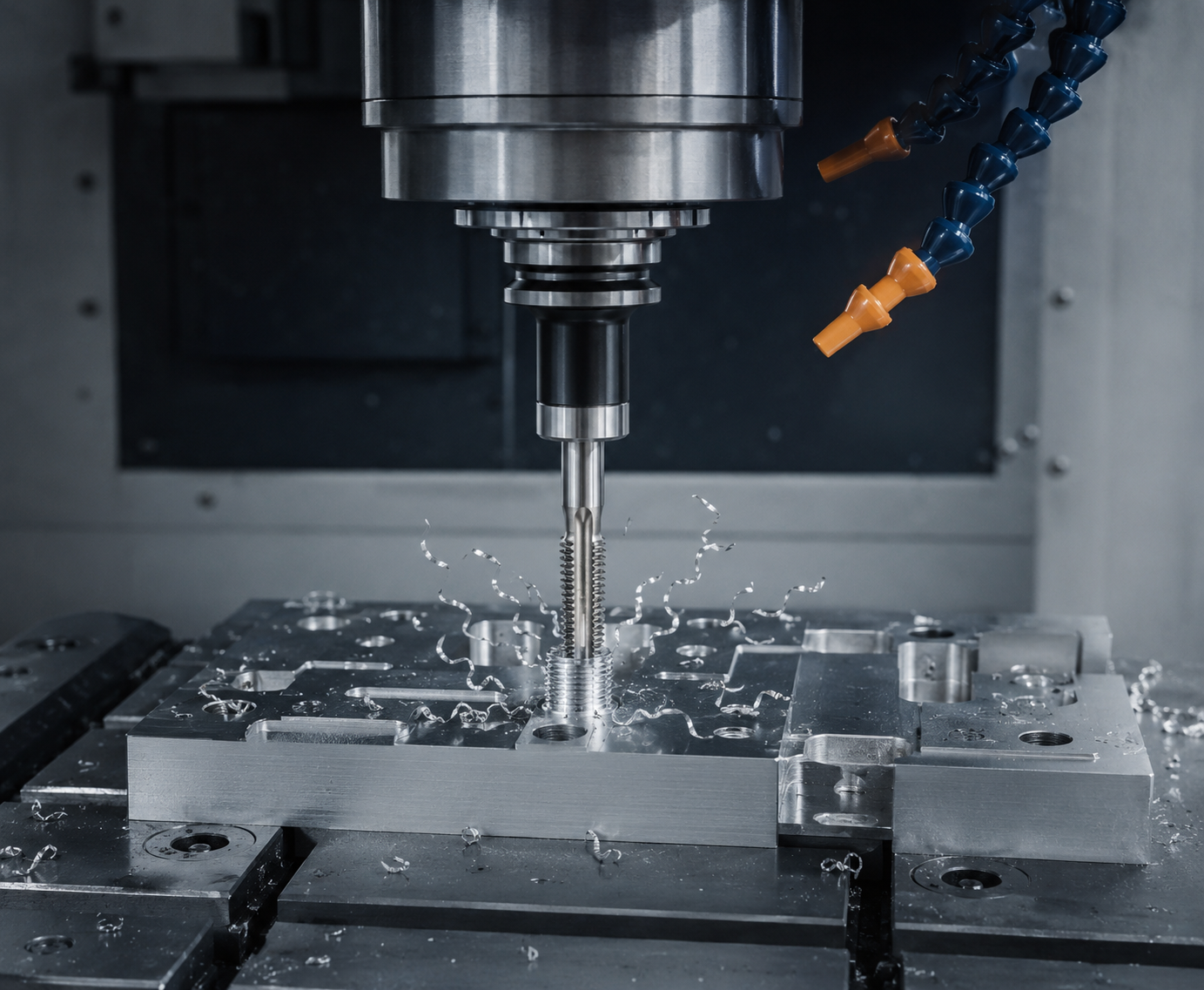
Sticky metals naturally stick to regular cutting tools, making it harder for them to turn and making your CNC motors work twice as hard. Aluminium taps cut through soft alloys with almost no physical resistance, which makes your equipment much less likely to get stuck. You use a lot less machine power and make your expensive spindle bearings last longer.
Survives Abrasive Cast Engine Parts
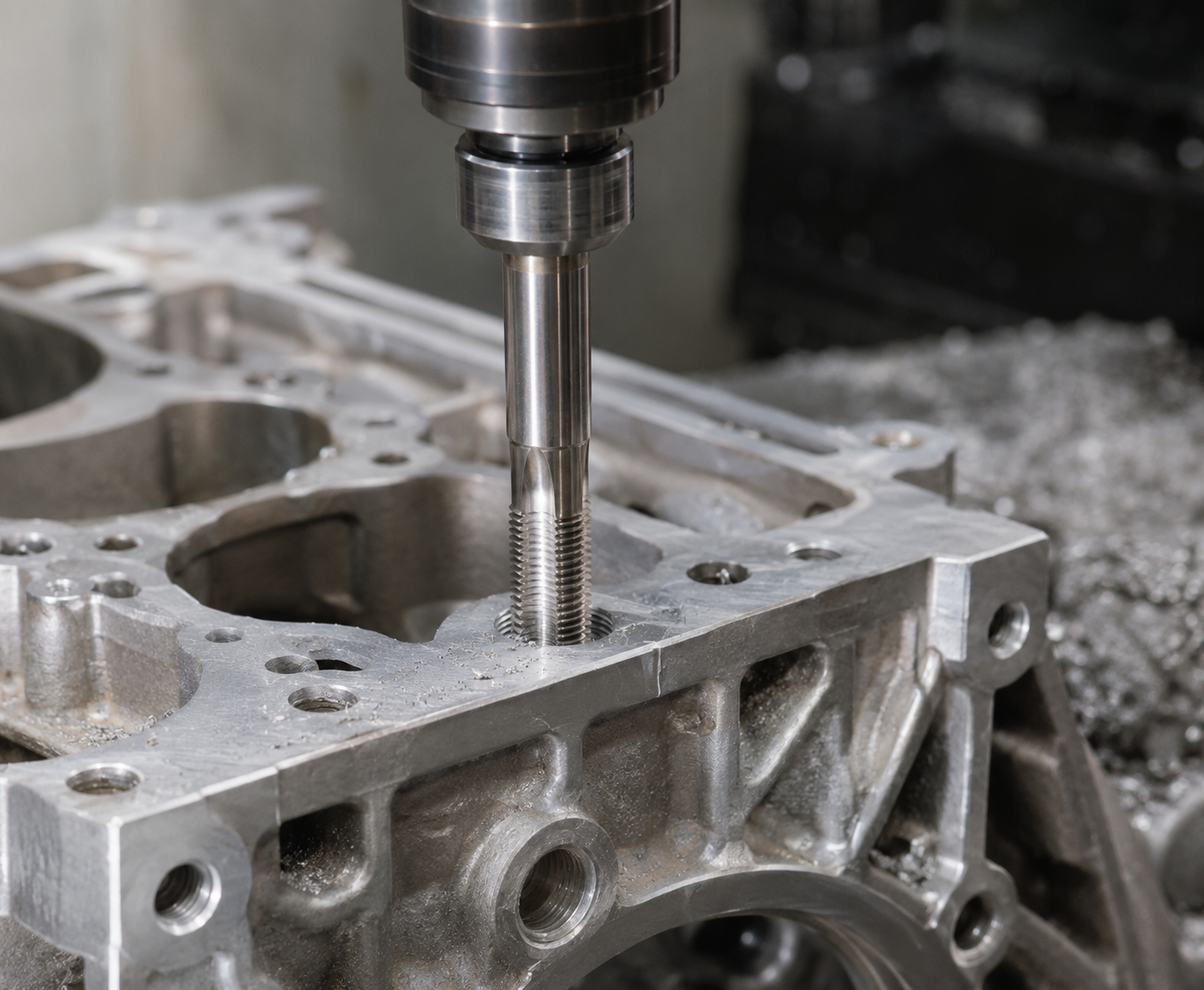
If the engine blocks or fluid pump housings in your factory are made of aluminium, you know that the metal’s high silicon content works like sandpaper on power tools. Heavy-duty aluminium taps are made to handle this kind of rough wear. You get a tool that lasts a long time and keeps its sharp edge. This means that you won’t have to buy new tools every day.
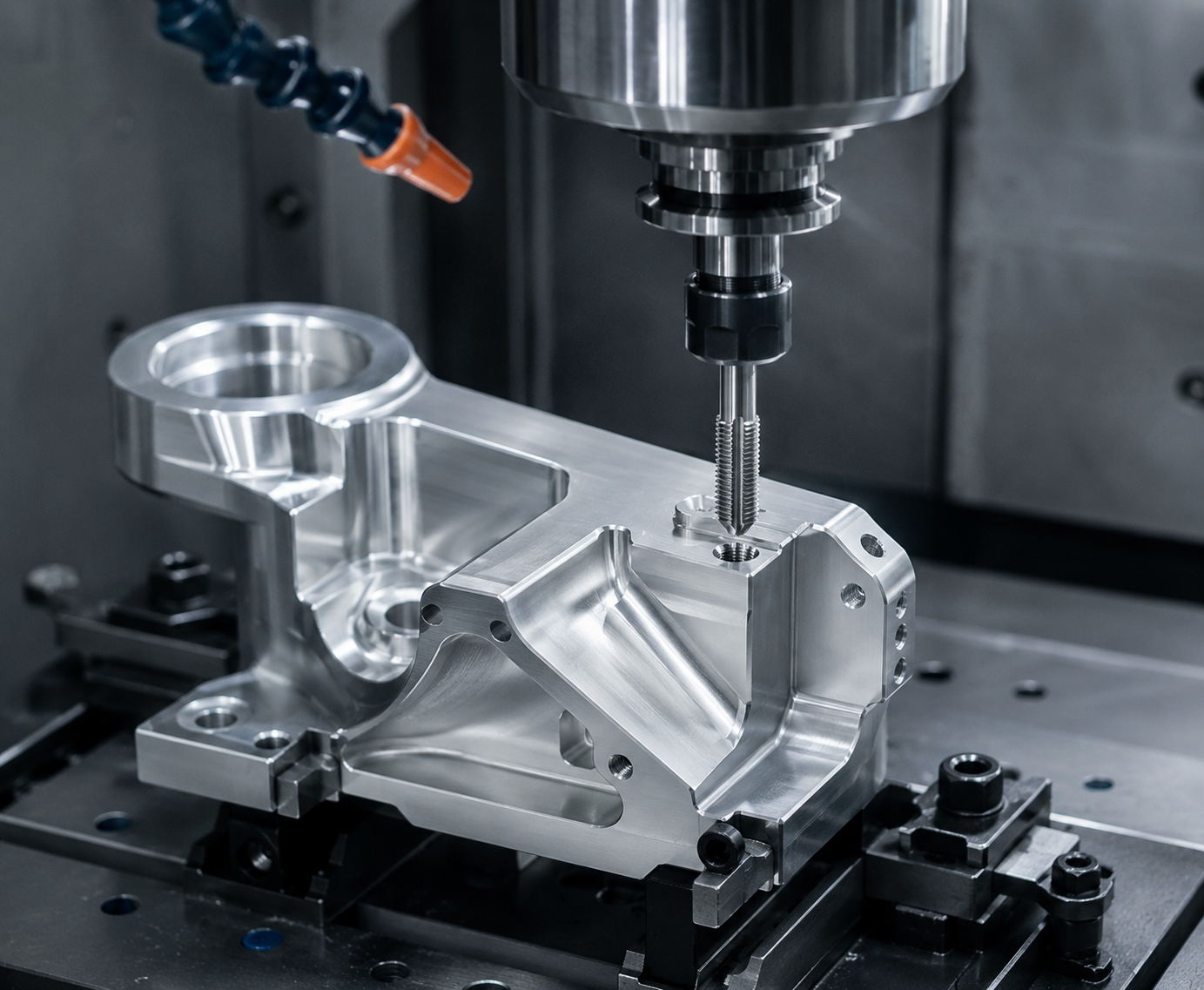
Secures High-Value Billet Material
It costs a lot of money for your workshop to machine big blocks of aerospace-grade or custom cast aluminium. You lose a very expensive piece of raw material if a normal tool tears a thread during the last step. Aluminium taps make cuts that are very accurate and consistent every time. This keeps your valuable custom parts from ending up in the trash.
Your Direct Factory for Professional Aluminum Taps

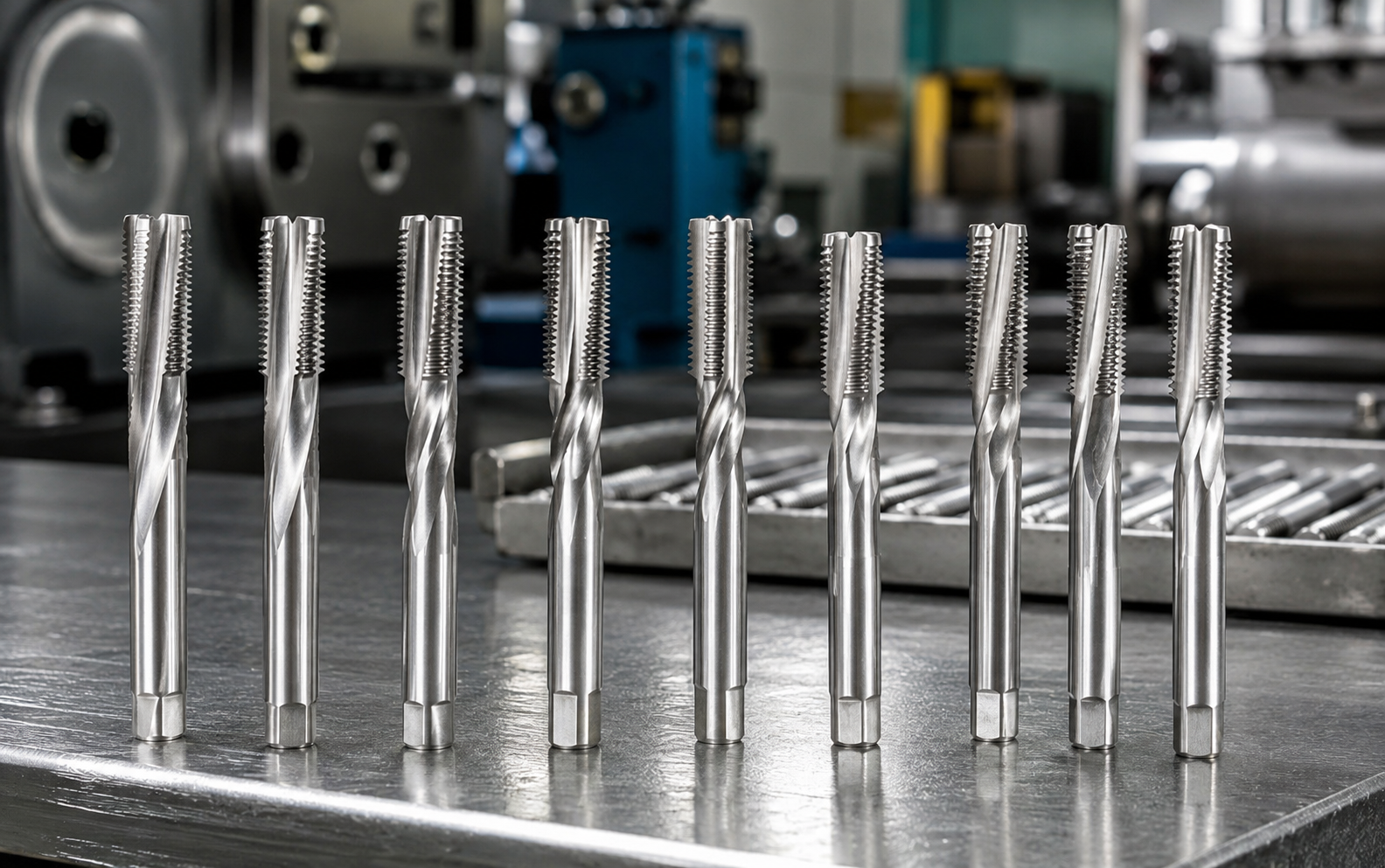
Heavy-duty Hanöki aluminium taps have been made in our 25,000-square-meter factory for more than 30 years. We have tight control over the quality and finish of every batch because our production lines use more than 20 high-tech CNC grinding tools. You can be sure that the tools you get will have the very sharp cutting edges and highly polished blades you need to cut through soft, sticky metals without melting or jamming your spindles.
You get real industrial reliability when you buy directly from our factory floor instead of dealing with trading companies. We keep a huge stock of standard aluminium taps, so your bulk orders from around the world ship right away and your automated production lines never stop. Our team of 10 senior application engineers is always ready to help your CNC workers if they ever have problems with torn threads or gummy aluminium alloys packing inside the hole. We can get you the specialised cutting tools you need to keep your work safe, quick, and perfect.
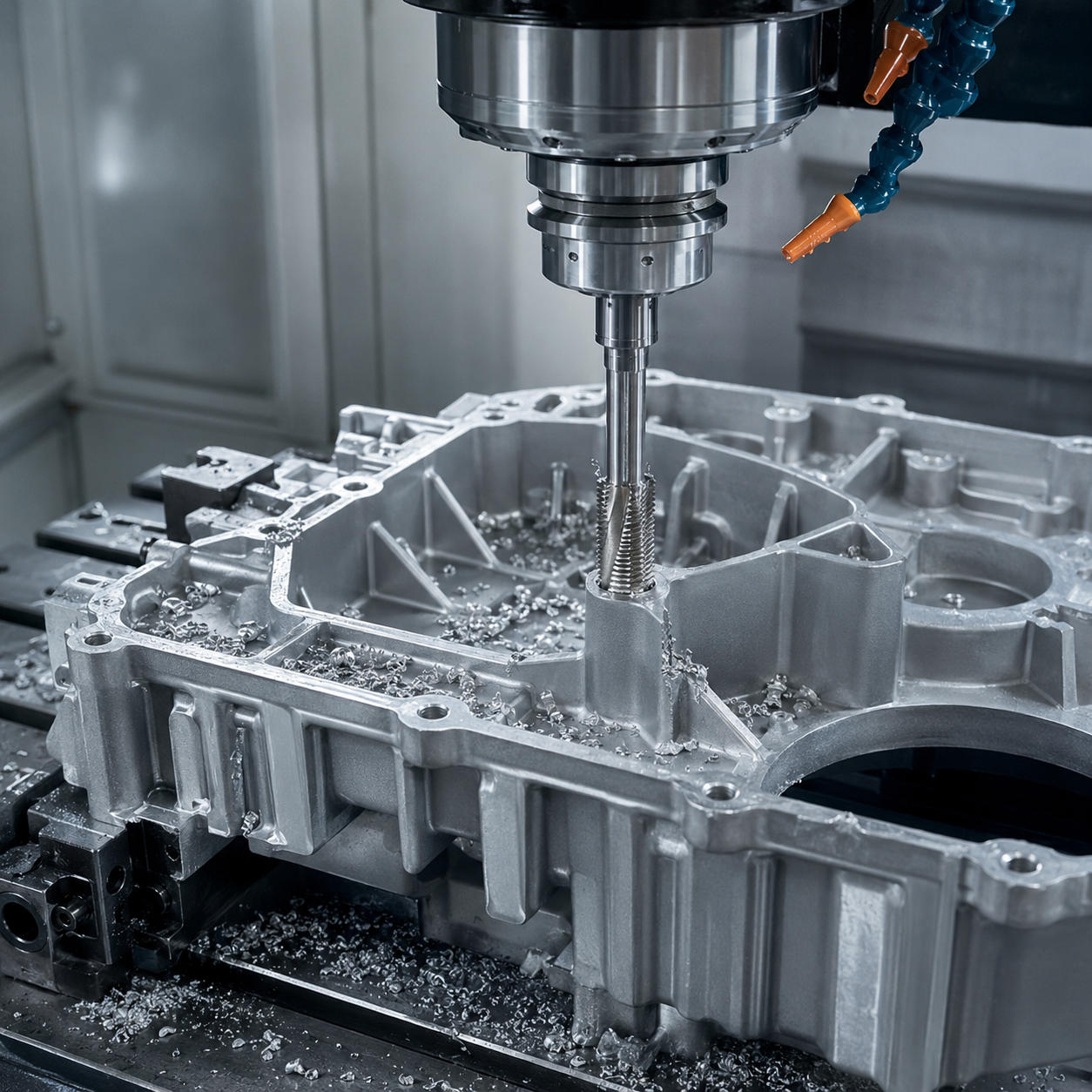
To make a lot of lightweight battery trays or gearbox housings for electric cars, you have to machine a lot of soft aluminium. The highly polished flutes of aluminium taps keep the sticky metal from melting on the cutting teeth. This design keeps things from sticking, so your CNC machines can keep drilling hundreds of mounting holes. This way, the structural bolts can hold the heavy auto parts securely without damaging the soft threads.
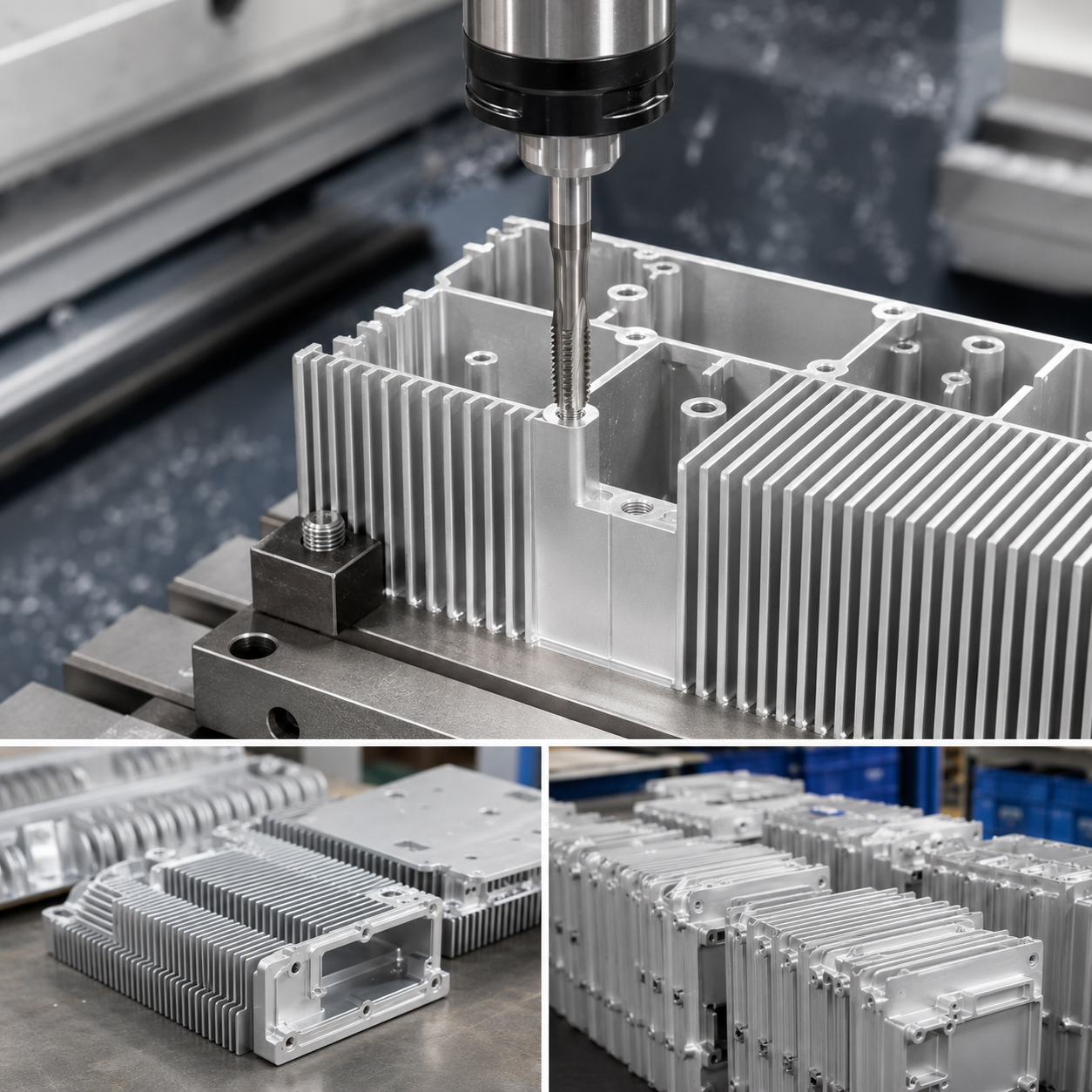
If your company makes aluminium heat sinks or casings for 5G base stations, you are working with extruded metal that is very soft. You depend on aluminium taps because their very sharp edges cut through sticky things without tearing them. You always get internal threads that are perfectly smooth and free of burrs. This means that you never have to waste expensive labour hours deburring the fragile cooling fins by hand before the final assembly.
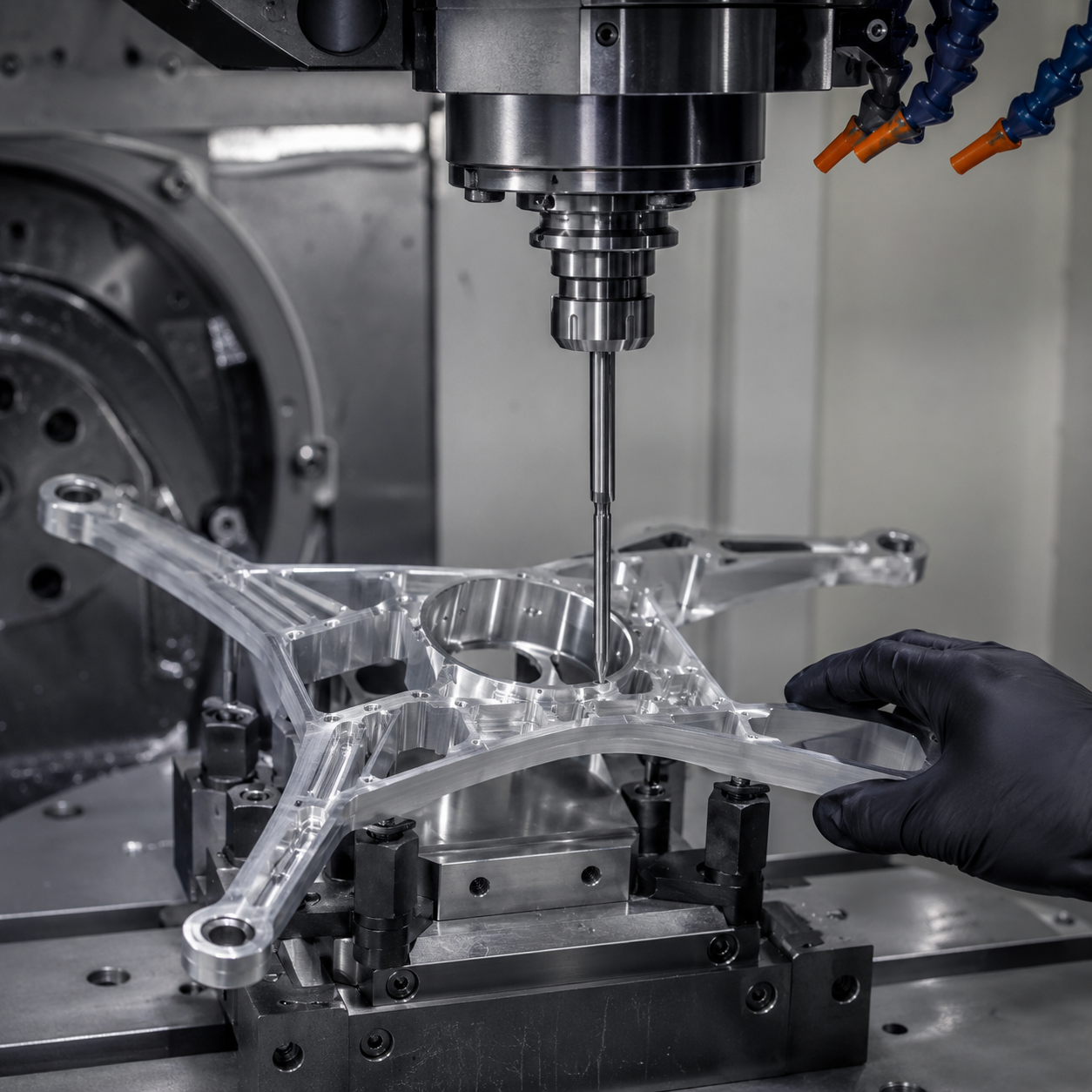
Your factory machines very expensive custom billet aluminium to make commercial drone frames that are light and simple or military brackets that are complicated and heavy. You need to use aluminium taps on these thin-walled parts because heavy cutting friction can easily bend or break them. Their strong shearing action needs almost no downward pushing pressure, so your fragile, high-value aircraft parts won’t bend at all while they give you perfectly accurate threads.
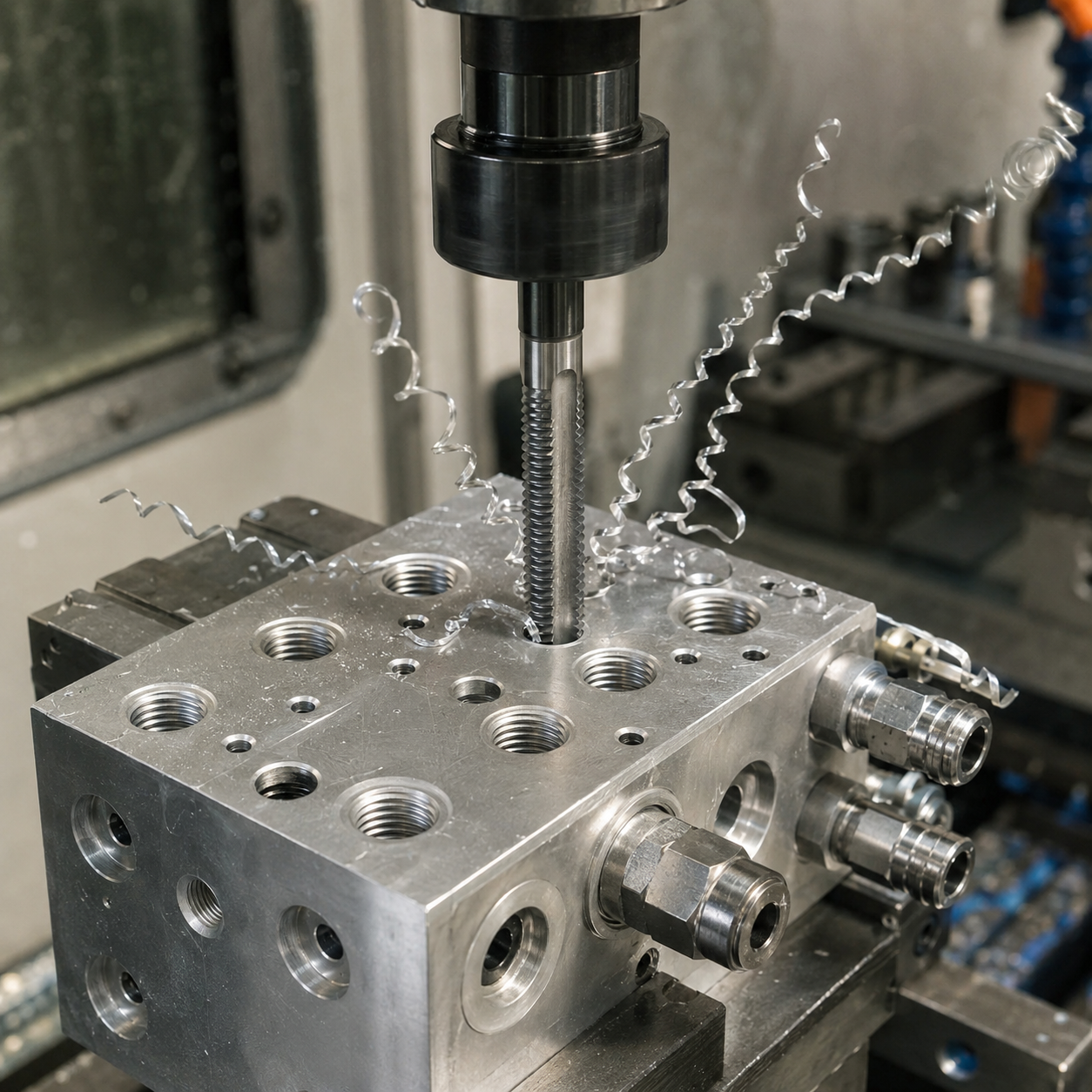
To keep fluids in check, your workshop has to drill and thread a lot of deep holes when making custom aluminium valve blocks or pneumatic connections. When you run aluminium taps, the long, stringy aluminium chips are easily pulled out of the deep holes by their wide grooves. This clean chip removal makes sure that the inside is perfect, which means that your high-pressure gas and liquid fittings will have a tight seal that won’t leak.
An aluminium tap is a special kind of fitting tool that was made to work only with soft, sticky metals. The flutes are very well cleaned, and the cutting edges are very sharp so that sticky metal doesn’t stick to the tool.
Most steel taps will get clogged up quickly when cutting soft metals. To neatly cut the sticky stuff and slide the stringy chips off without getting the tool stuck, you need a special aluminium tap.
When there is a lot of pressure, soft aluminium chips melt and stick to your cutting teeth. This is called cold welding. If you use a shiny aluminium tap, this harmful material will not build up at all.
Most rough grooves catch soft metal. A polished aluminium tap has bright grooves that look like mirrors. This makes it easy for the long, sticky aluminium waste to slide up and out of the hole without getting caught.
An aluminium tap usually only has two or three wide holes so that it can store more chips. This open layout gives big aluminium chips a lot of room to get out of the cutting zone.
Whenever you work with soft metals, you should always use an aluminium tap. Most taps have rougher edges that are made for hard steel. These edges will tear soft aluminium and ruin the thread finish.
Metal taps with a circular point are used to push chips forward through open holes. Taps with spiral flutes are used to pull chips up and out of deep blind holes.
Yes. A form-style aluminium tap can be used to press and compress the metal into strong threads without making any waste chips because aluminium is very flexible.
For pure, sticky aluminium, use an aluminium tap that isn’t treated and has a bright finish. When working with cast aluminium that is very rough, you need to use a tap that is coated with TiCN or DLC to keep it from wearing out quickly.
Yes. Because an aluminium tap is so sharp and has a large chip clearance, it can also be used to cut threads in soft brass and industrial plastics that are perfectly smooth.
Fast speeds are needed for soft alloys. For the sharp edges to cut the metal smoothly instead of tearing it, you should run your aluminium tap at a much higher RPM than you would with a steel tool.
Yes. You need to fill the hole with cutting fluid under high pressure. This gets rid of the long chips and cools the aluminium tap right away, which keeps the soft metal from melting onto the teeth.
Stay away from thick oils. Always use a synthetic coolant or tapping fluid that is highly lubricating and doesn’t mix with water. This will keep your aluminium tap cold and smooth during high-speed CNC cycles.
You just take the outside diameter of the tap and subtract the exact thread pitch. But for soft aluminium, you usually drill the hole a little bigger so that the aluminium tap doesn’t have to work as hard.
No. As long as you have the right high-pressure coolant and an aluminium tap, you should thread the whole hole at once for the cleanest finish.
When the cutting edges are dull, or there isn’t enough water, threads get torn. To cut the metal cleanly, you need an aluminium tap that is very sharp and well oiled.
It’s likely that your tool broke because the long aluminium chips squished together at the bottom of the hole. You need to switch to an aluminium tap with a high-helix spiral flute to get those chips to go up.
When melted metal builds up on the tool (galling), it causes the threads to be too big. To get rid of sticky metal, you need to increase the flow of coolant and make sure the finish on your aluminium tap is very smooth.
Cast aluminium has a lot of silicon in it, which makes it rough like sandpaper. This is not the time to use a tool with a bright finish. Instead, you need to switch to a heavy-duty aluminium tap that has been carefully coated for this job.
This either means the tool is fully dull or the teeth have a lot of cold-welded aluminium on them. Stop the machine right away and replace the broken aluminium tap.
For best results, use a professional aluminum tap at the right CNC speeds and with coolant. This tool can easily thread thousands of holes in soft alloys before the cutting edges get dull.
It’s possible to resharpen, but it usually ruins the highly polished flute finish that soft metals need. When making a lot of things, it is always safer and cheaper to replace an old aluminium tap with a new one.
If you see that the thread surface finish is getting worse, hear grinding sounds coming from the spindle, or finished parts start failing your Go/No-Go thread gauges, you need to get a new aluminium tap.
Most drills won’t work with this tool because it’s made of hardened steel. There is a special tool you need to use to remove the broken aluminium tap, or you can use an EDM machine to burn it out.
To keep the blades from chipping, you need to remove any coolant or chips, put on a thin layer of rust-preventative oil, and store each aluminium tap in its original plastic tube.
How to Choose the Right Aluminum Tap for Your CNC
Aluminium that is soft and sticky can be tapped with a normal steel tap to quickly get rid of an expensive part. If you use a standard tool with rough grooves, the sticky metal will melt quickly, join to the cutting teeth, and break under the heavy torque of your machine. To keep your valuable pieces safe, you must choose a special aluminium tap with flutes that are very smooth and edges that are very sharp. To get continuous chips out of open through-holes, you should always use a polished spiral point style. To get stringy waste up and out of deep blind holes, you should only use a high-helix spiral flute tap. If you use the right anti-stick shape along with high-pressure coolant, you can keep tools from getting stuck and keep your factory from having to pay for costly machine downtime.