
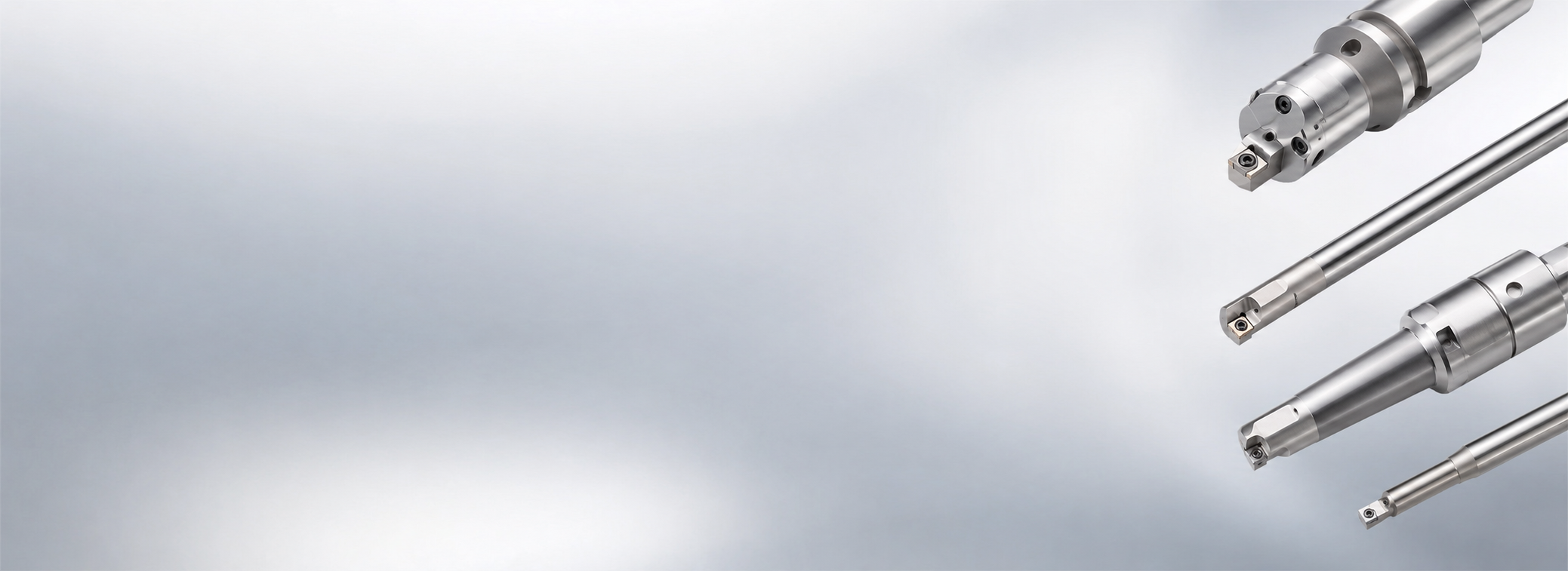

Your leading High-Rigidity Fine Boring Tools Manufacturer in China
- Sets Up Very Fast: It’s quick to set up, which means your tools can cut for longer.
- Stiff in Deep Holes: Stays strong even when very deep metal holes are drilled in it.
- Holds Tight Tolerances: Meets the strict requirements of your difficult cutting jobs with ease.
- Real Shop Advice: You can talk to real experts who know how to work with heavy metal.
- Strictly Checked Quality: Before it leaves our plant, every fine boring tool is carefully checked.
- We Back Our Tools: We stand by our tools. Bad batches are quickly changed out.
What are Fine Boring Tools?
It’s quick to drill a hole through a metal block, but regular drill bits often leave behind rough walls and holes that aren’t round. To fix this, a fine boring tool is utilized. This is a stiff metal bar with a single, sharp cutting edge resting on its edge. It goes into a hole that has already been made instead of pushing into solid metal to make a new hole. As the tool turns, the single tooth carefully removes a very thin layer of metal from the inside walls. This leaves the hole smooth and straight.
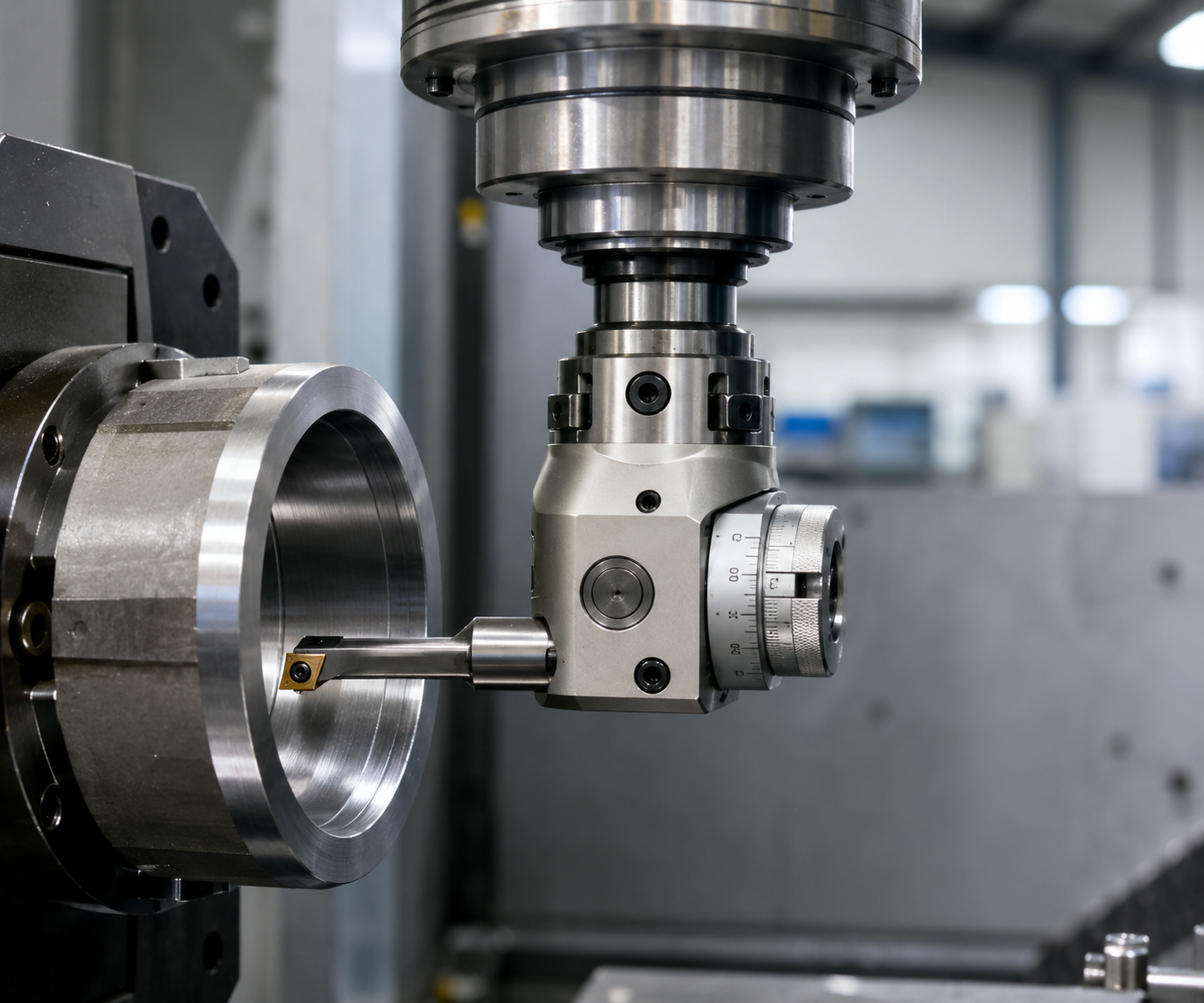
The most important thing about a fine boring tool is its very sensitive dial for making adjustments. This dial can be turned by a worker to move the cutting tip by a very small amount, about 0.0001 mm. This lets the machine shop get to the exact end size that an engineering plan calls for. There isn’t much cutting pressure because the tool only takes off a small amount of material at a time. This keeps the tool from shaking while it cuts, which makes sure that parts that fit tightly, like steel bearings, will slide perfectly into the hole when it’s done.
The Real Price of Cheap Fine Boring Tools
Fine boring is often the last step in the process of making a metal part. It is very dangerous to use a cheap fine boring tool at this very end stage. The worst thing about cheap fine boring tools is that the metal shaft isn’t strong enough and the adjusting dial isn’t made well. The steel bar will shake and chatter against the metal as it spins if it is not stiff enough. This makes marks on the inside walls of your hole that are rough and bumpy. Even worse, the cutting tool could move too far if the cheap adjustment dial is loose or not accurate. You can’t put the metal back after cutting a hole that is too big. Everything that is expensive goes right into the trash.
If you buy a cheap tool to save a little money, it will cost you more in broken parts. Hanöki’s 25,000-square-meter plant has been making stronger, more accurate cutting tools for 30 years. One of the 10 senior shop engineers on our team knows that a fine cutting tool needs to stay solid while it cuts. The heavy-duty steel we use to make our tools keeps them from shaking, and the tight, precise dials make sure you always get the right size. You don’t have to go through a broker because you buy from our shop. You can get solid, industrial-grade CNC tools at prices that are close to the factory, and they can be shipped anywhere in the world quickly so that your machines can keep working.
Fine Boring Tools by Setup Style
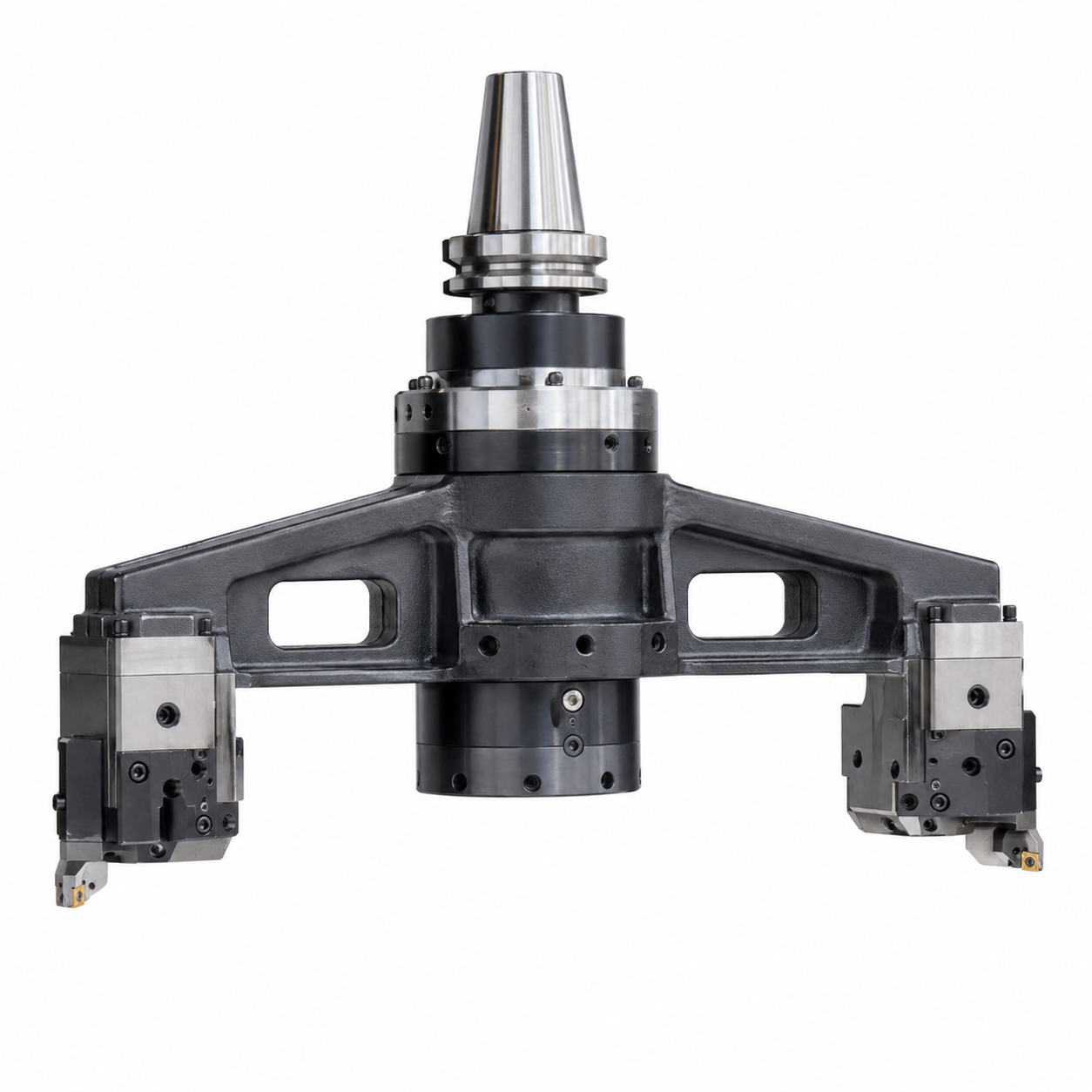
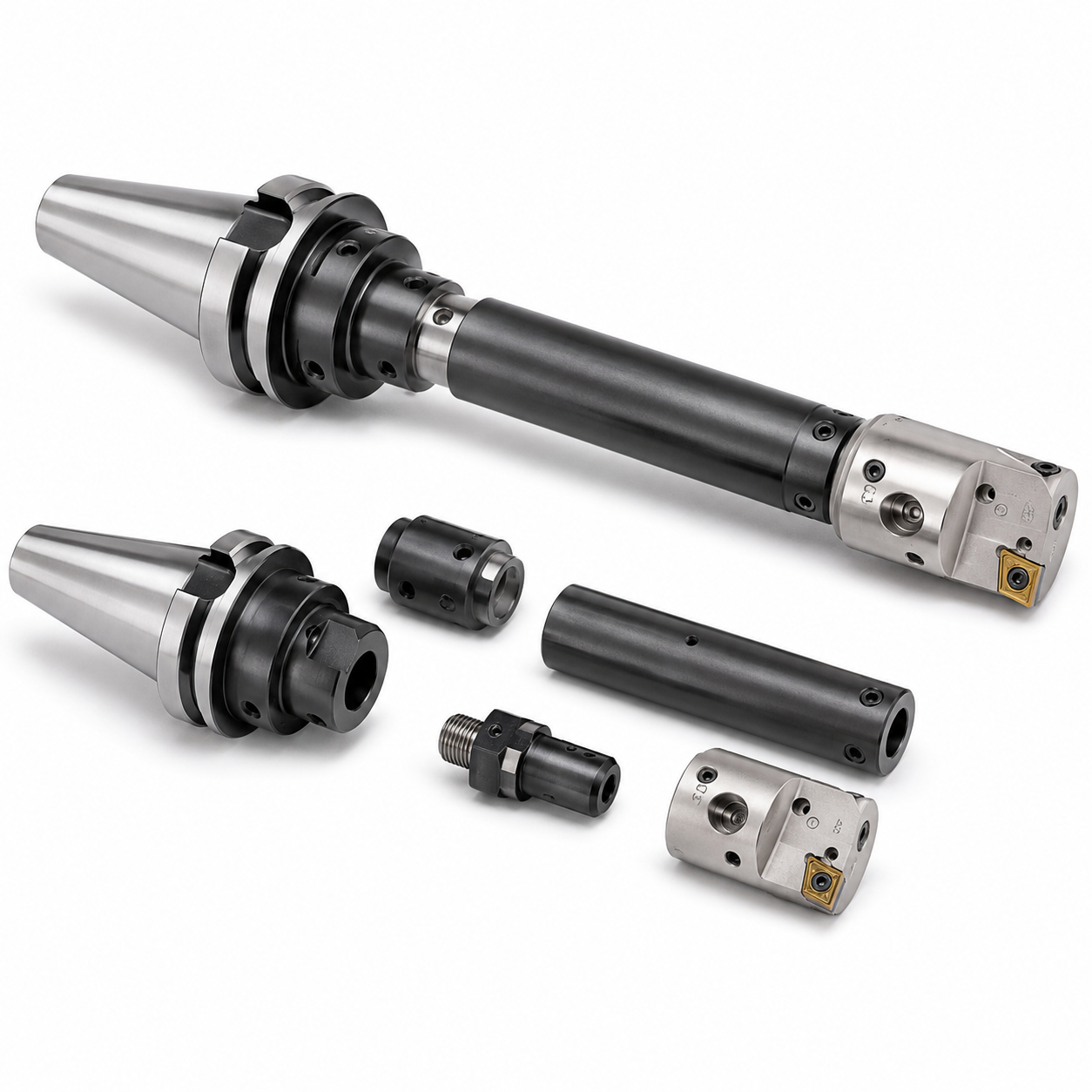
For each job, you don’t need to buy a new tool; you just change the parts. The heavy base, the extension bar, and the cutting head can all be used together or separately. It saves you a lot of money in the tool crib because it works like building blocks for your CNC machine.
 Solid Boring Bars
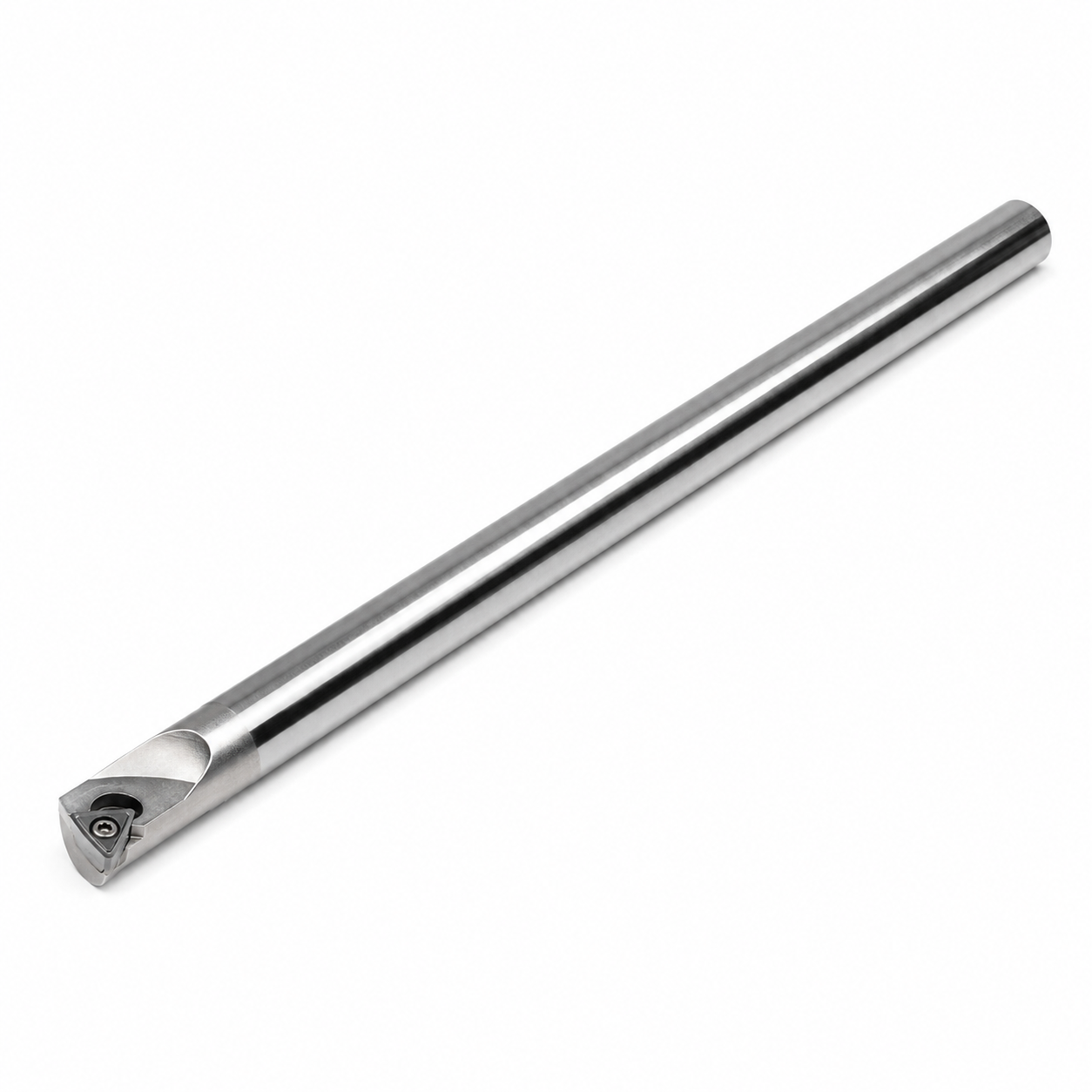
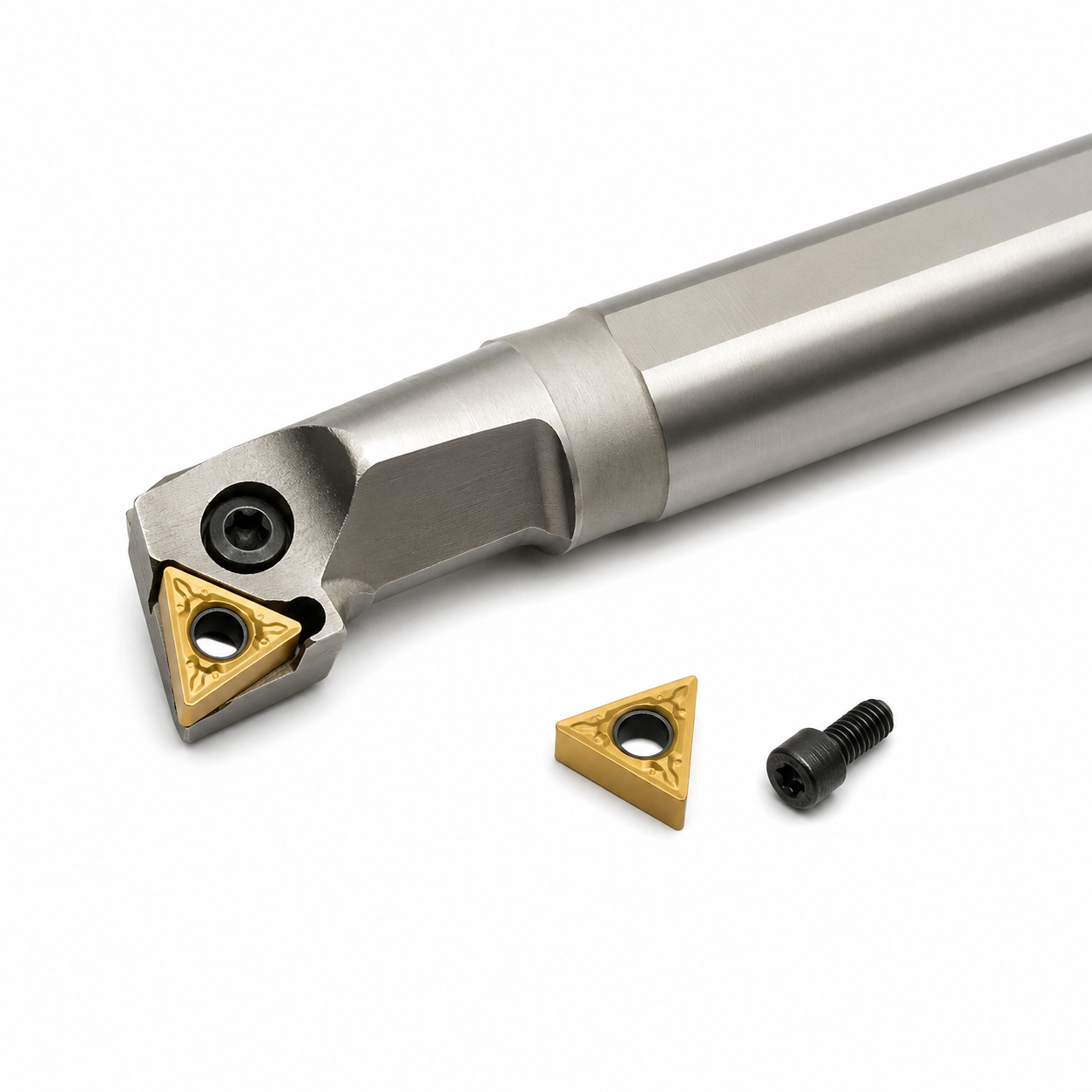
This tool is made from a single piece of heavy metal that has been shaped. It is very stiff because there are no separate joints or parts that are linked. This is used when the inside wall of the hole needs to look like glass and the hole can’t shake at all.
 Indexable Insert Tools
You don’t throw away the whole steel bar when the edge stops cutting. As soon as you take out a tiny screw and flip the small carbide piece over, it has a new, sharp edge. You can then go back to cutting metal right away.
Fine Boring Tools by Hole Type
 Micro Boring Bars
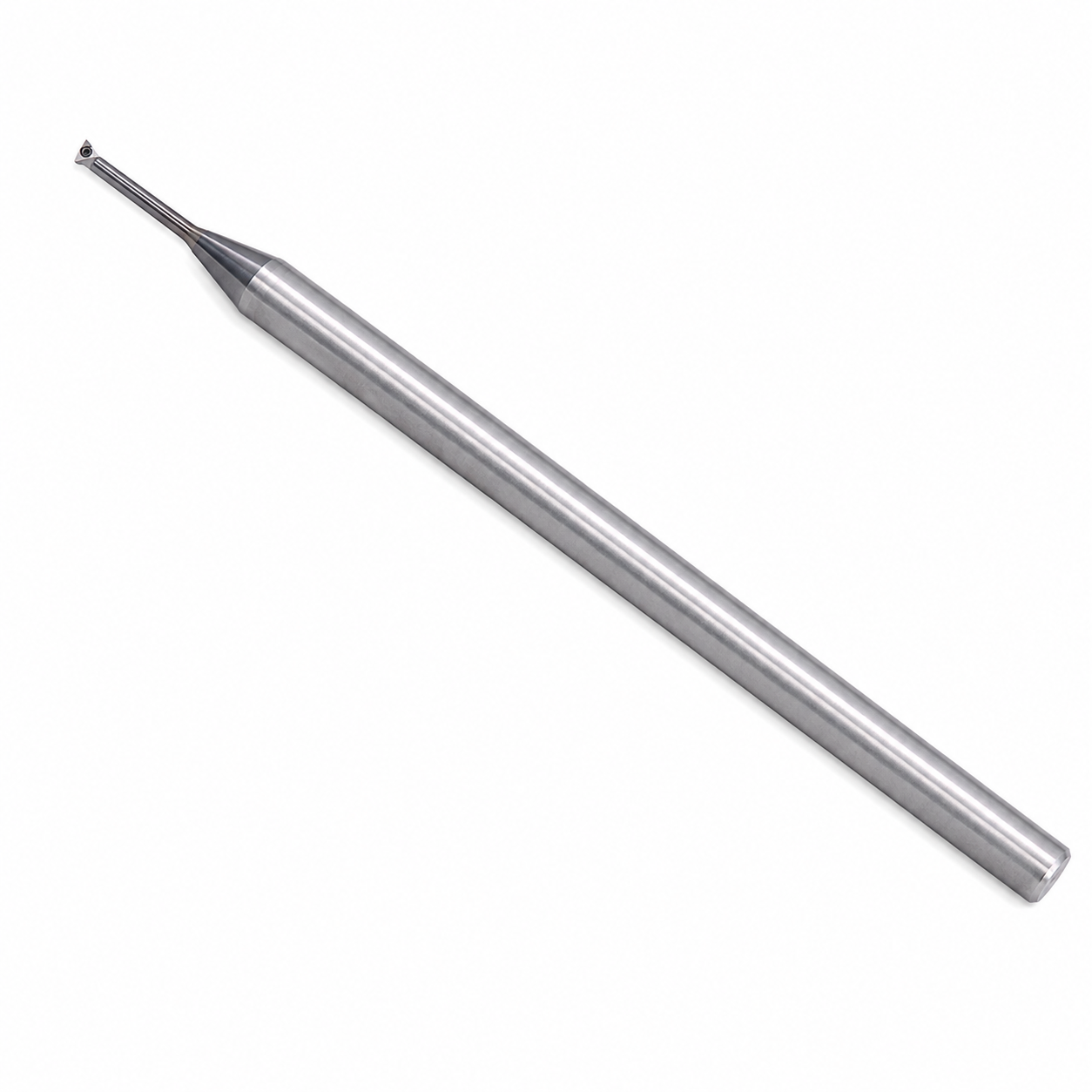
Made to do small, sensitive work like making medical parts or small electronics. It’s a very thin but strong cutting neck. It carefully cuts metal inside tiny holes that have been made so that it doesn’t break or bend when pressure is put on it.
 Anti-Vibration Bars
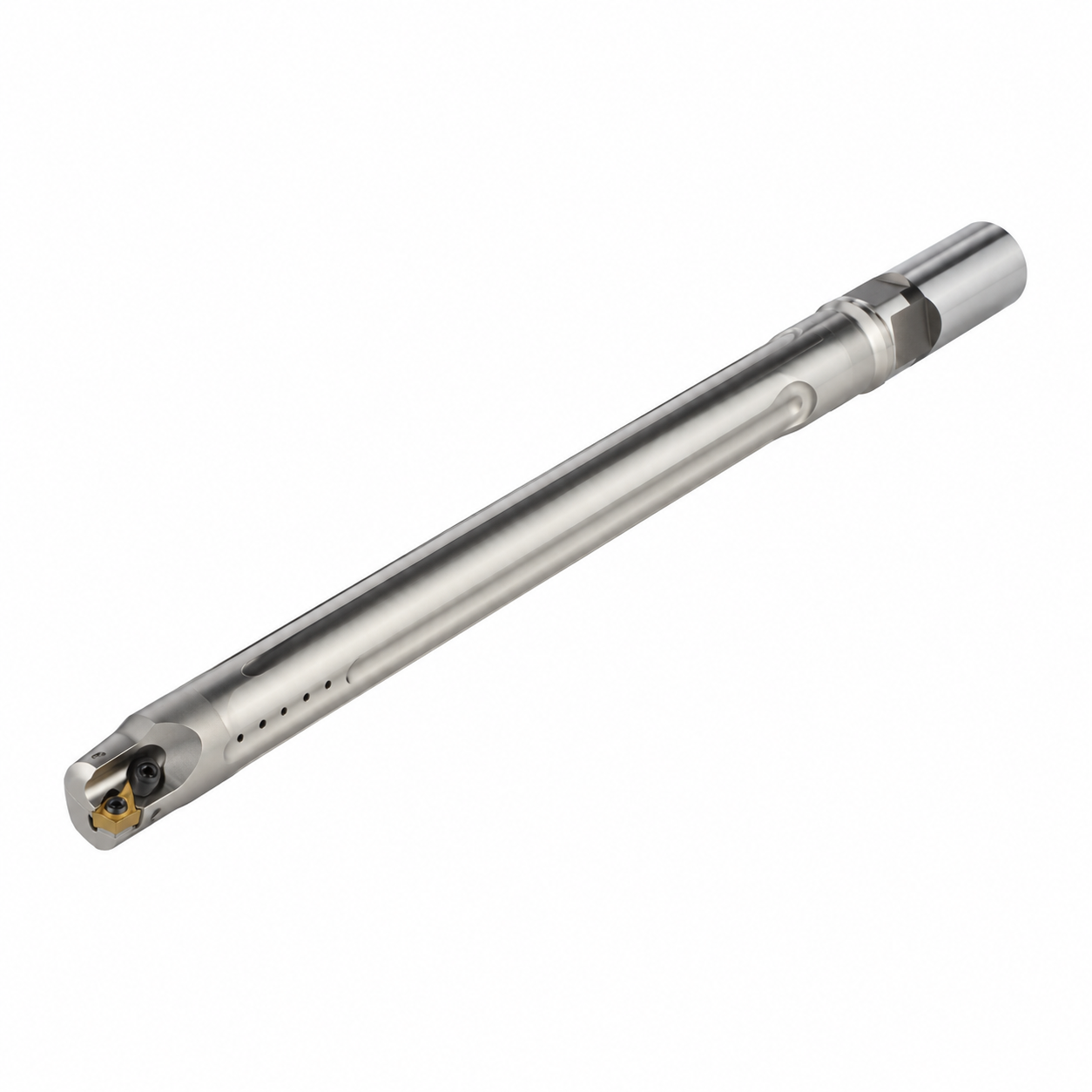
Normal metal bars will start to bounce and damage the hole when you have to reach deep into a cylinder. There are heavy weights hiding inside these special bars that make them less harsh. They keep the tool from shaking, even when it’s deep inside the part.
 Bridge-Style Tools
A regular bar isn’t big enough to bore a huge hole, like in a heavy pump casing. A thick metal bar on this tool holds the cutting block out wide. With its smooth spin, it can easily handle diameters that are very large.
Why Choose Hanöki Fine Boring Tools
Tools that aren’t adjusted can damage CNC spindles when they’re moving quickly. Because our boring heads are carefully balanced, your equipment can work faster and safer.
Coolant is pushed right to the cutting edge by internal tubes. This quickly gets rid of metal chips and keeps the tool from getting too hot.
Metal dust destroys small gears for adjusting. Our boring knobs are tightly sealed so they always turn easily, even when the work area is dirty.
We never use cheap or recycled metal scrap. To make sure our goods don’t bend, we start with high-quality blocks of heavy tool steel.
We don’t give work to small shops on the street. Every step, from turning to grinding, takes place in our own plant.
We keep track of every batch of tools we make. In the event of a problem on your shop floor, we shall be able to quickly follow the production process.
Straightens Crooked Holes
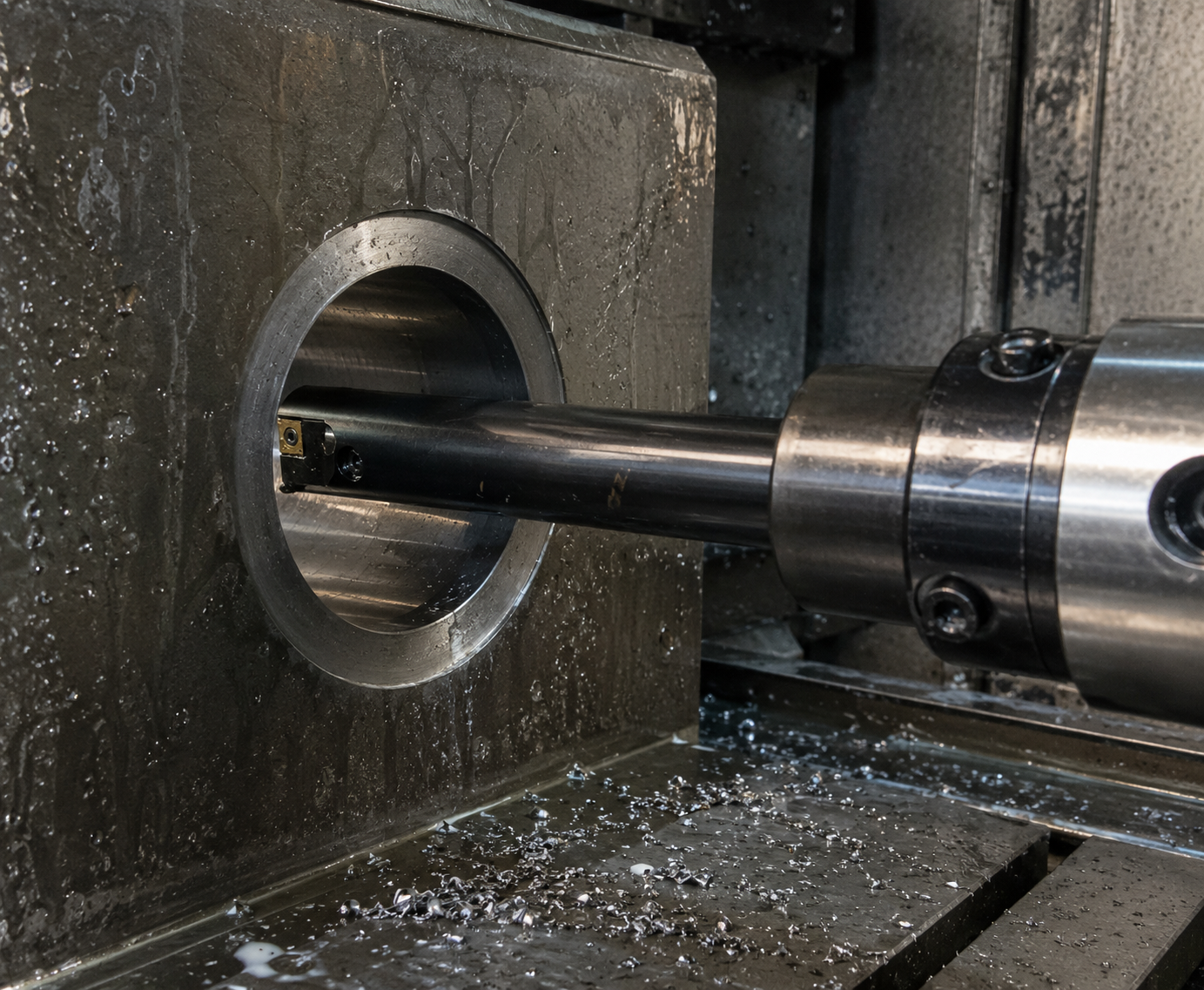
When you push a heavy drill bit through a solid piece of steel, it often moves around and makes a hole that is out of straight. That’s not the way a good fine boring tool would go. The heavy metal bar cuts a straight line by itself because it is so stiff. It makes the inside walls straight so that your metal pins and cylinders can slide in without getting stuck.
Hits Tight Sizes on the Dial
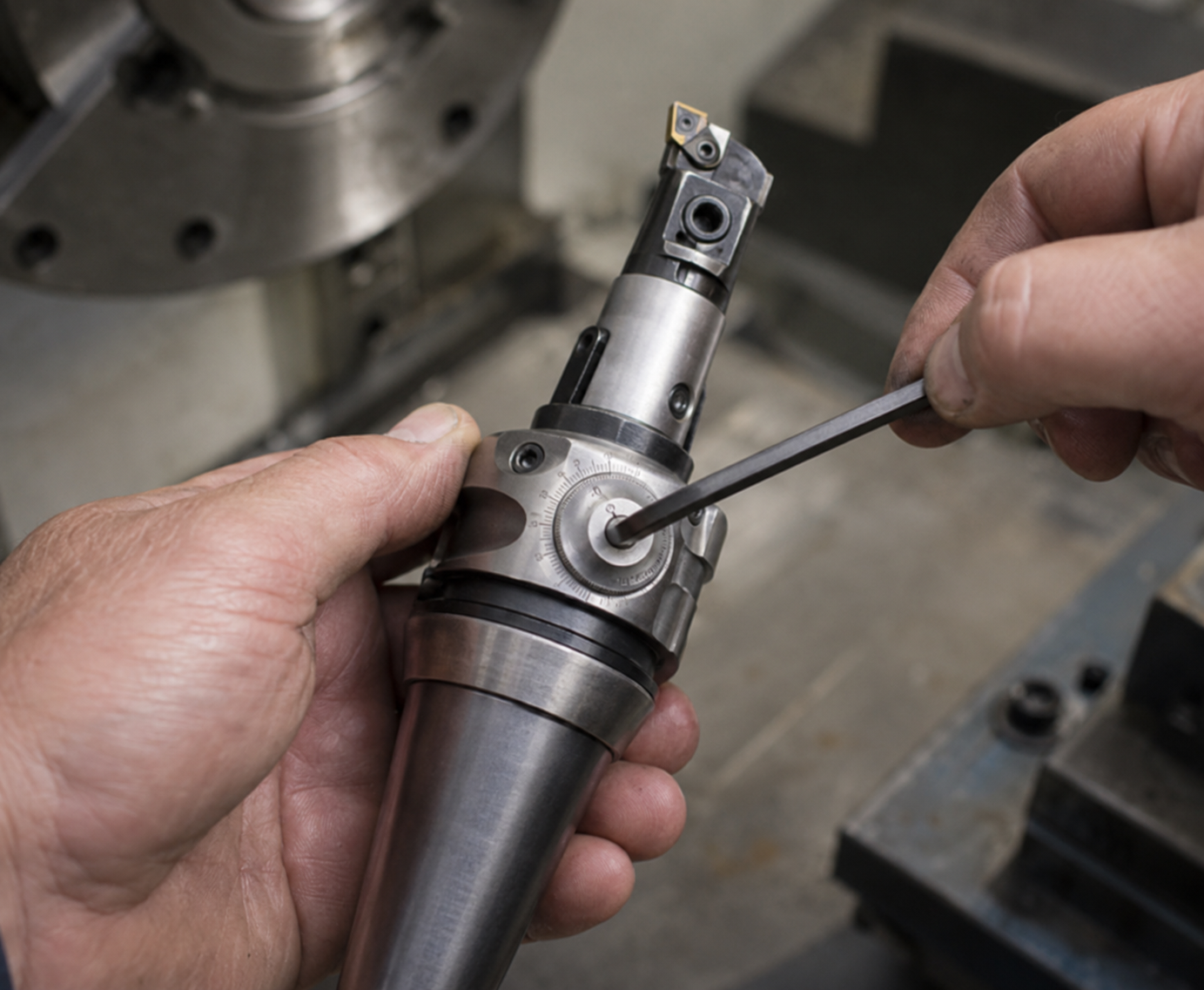
You can’t just guess the size when a metal part needs a very small space. It has a small dial with clear marks that is built into fine cutting heads. With a wrench, you can turn a small screw, and the cutting tip moves by a very small amount. You clearly have the power to make the hole the right size based on the engineering plan.
Leaves a Very Clean Wall
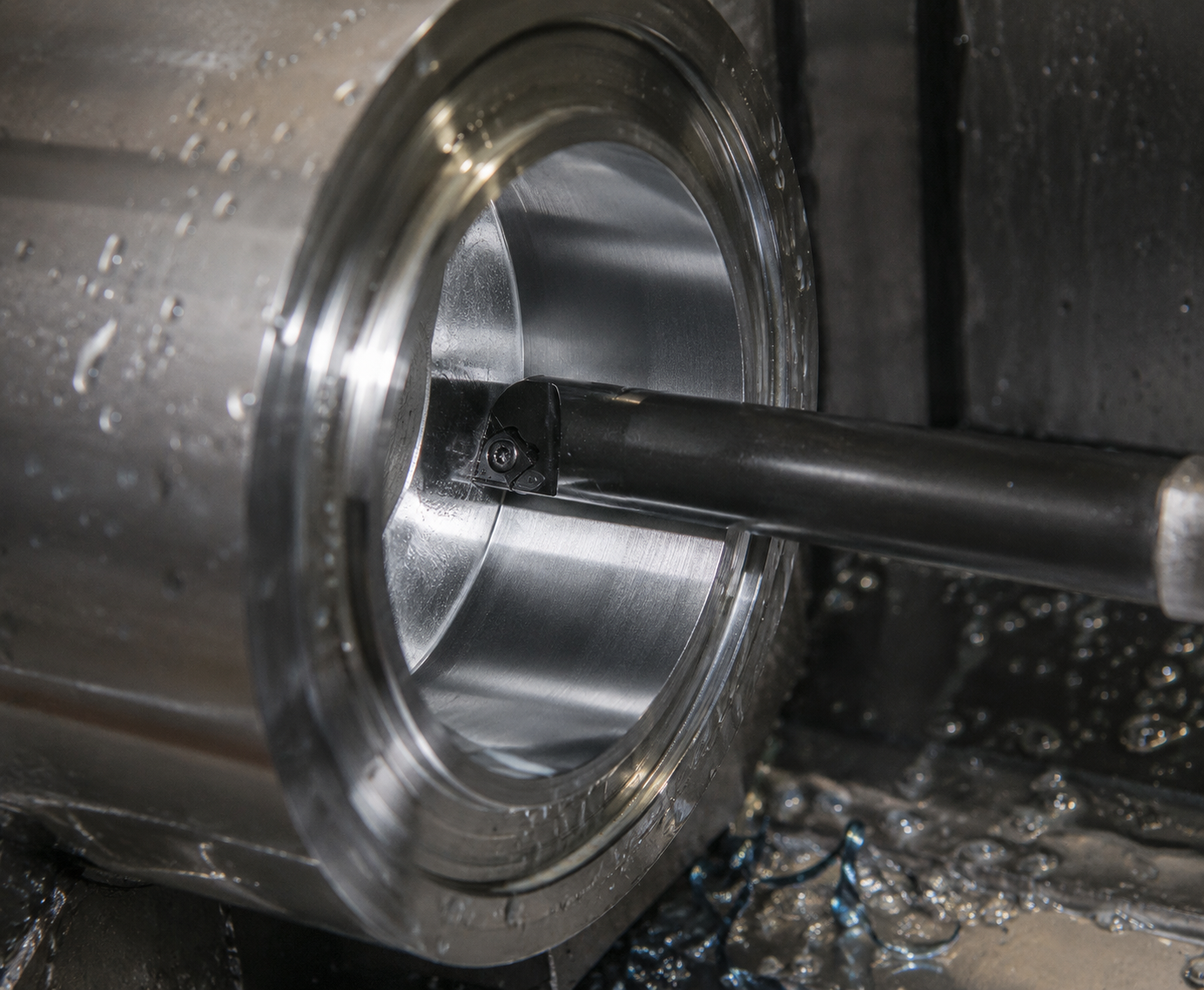
When you drill deeply into metal, you leave behind rough, torn marks. A fine boring tool has one sharp carbide tooth that spins easily and only removes a very thin layer of steel at the end of the job. This makes the inside of the hole look clean and smooth, so your workers won’t have to spend time later cutting or sanding it.
Makes Highly Round Circles
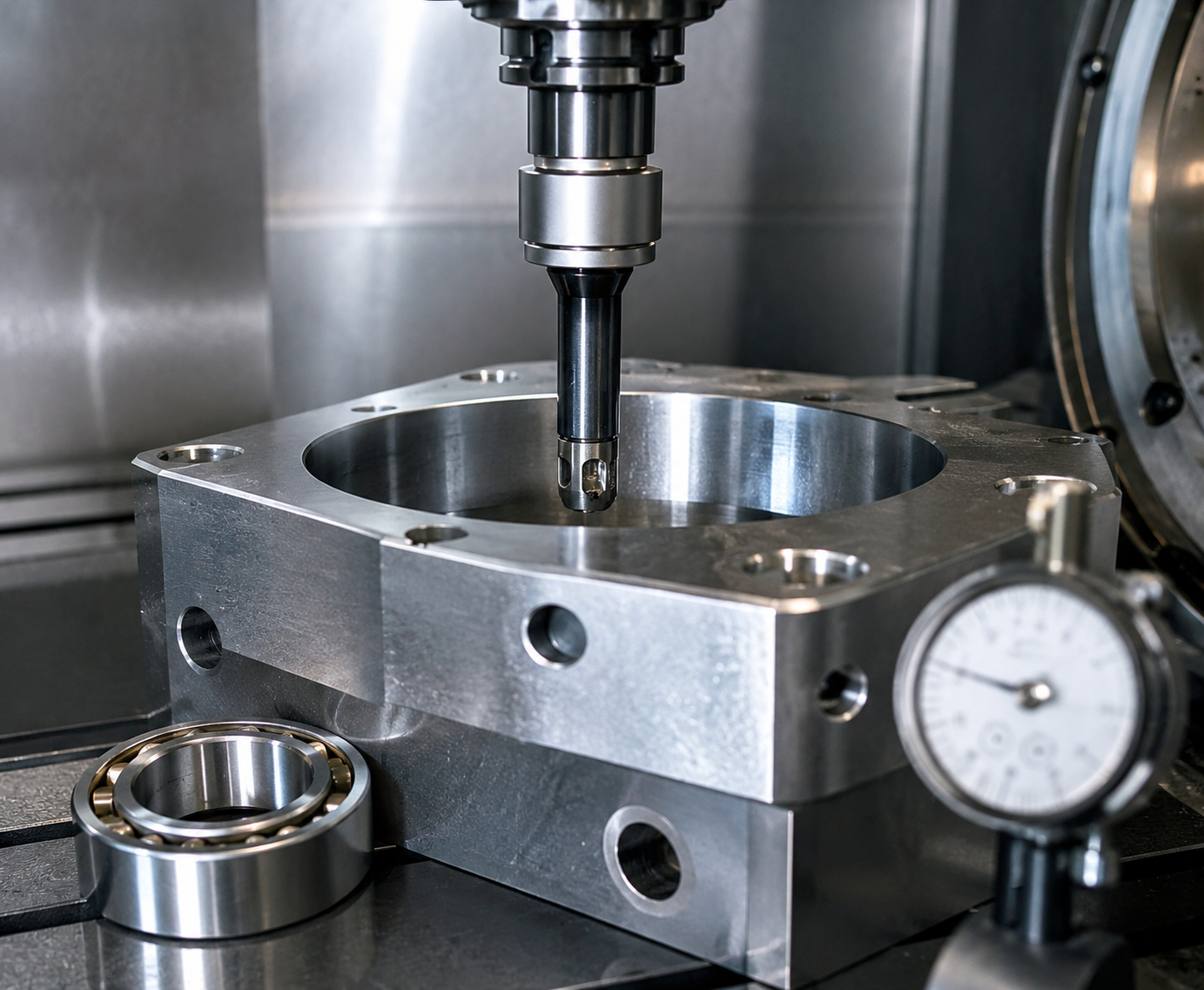
Cutting through raw metal quickly with standard drill bits is great, but the holes they make are often shaped like a triangle or a small oval. When it spins, a tiny fine boring tool only cuts with one point. Fast-spinning bearings must be held securely, and this spinning movement ensures that the end hole has a constant, round form.
Quick and Cheap Blade Changes
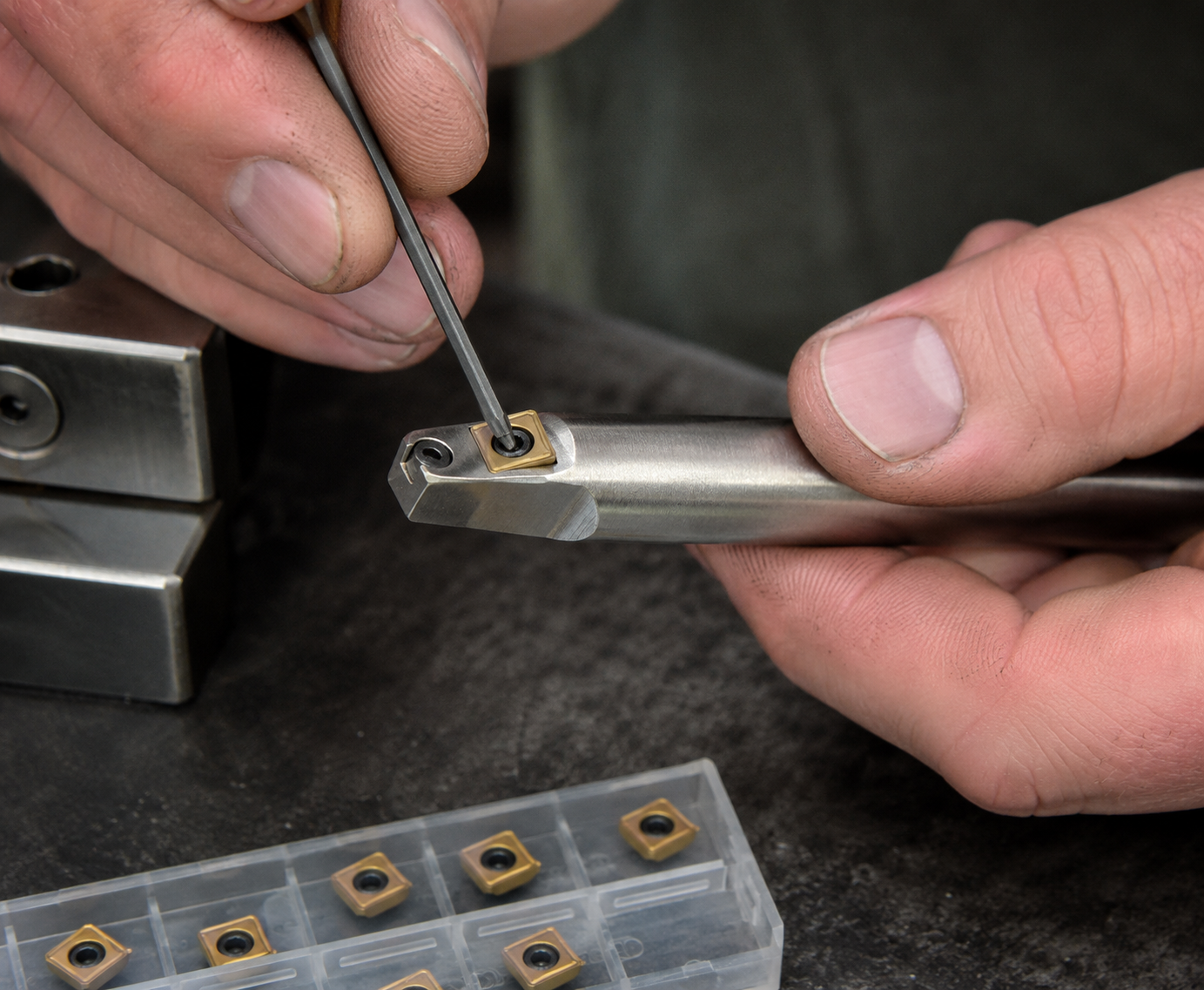
When you chip or dull a big drill bit, you usually have to either throw away the whole expensive tool or spend hours cleaning it again. But fine boring tools only have a tiny carbide insert that hits the metal. It’s easy to change the insert to a new side when that small edge gets dull. Just remove a screw and get back to work.
Build the Tool You Need
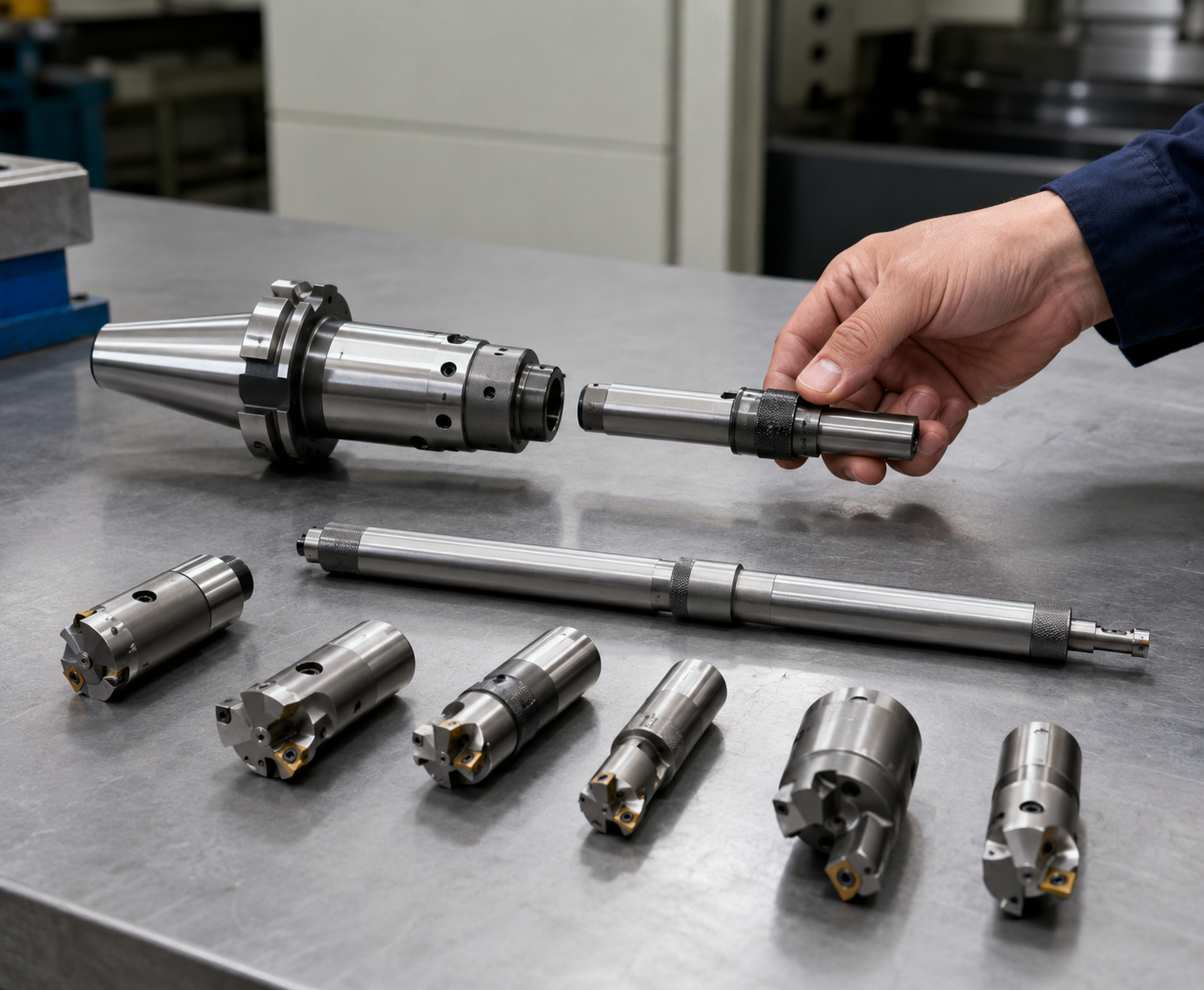
When you get a different job, you don’t have to buy a whole new fine boring tool. These tools are made up of separate parts. Longer steel extension bars can be bolted on if you need to get deeper into a part. Changing the front head is all it takes to make the hole bigger. It keeps your shop’s money and drawers.
Your Direct Factory for Professional Fine Boring Tools

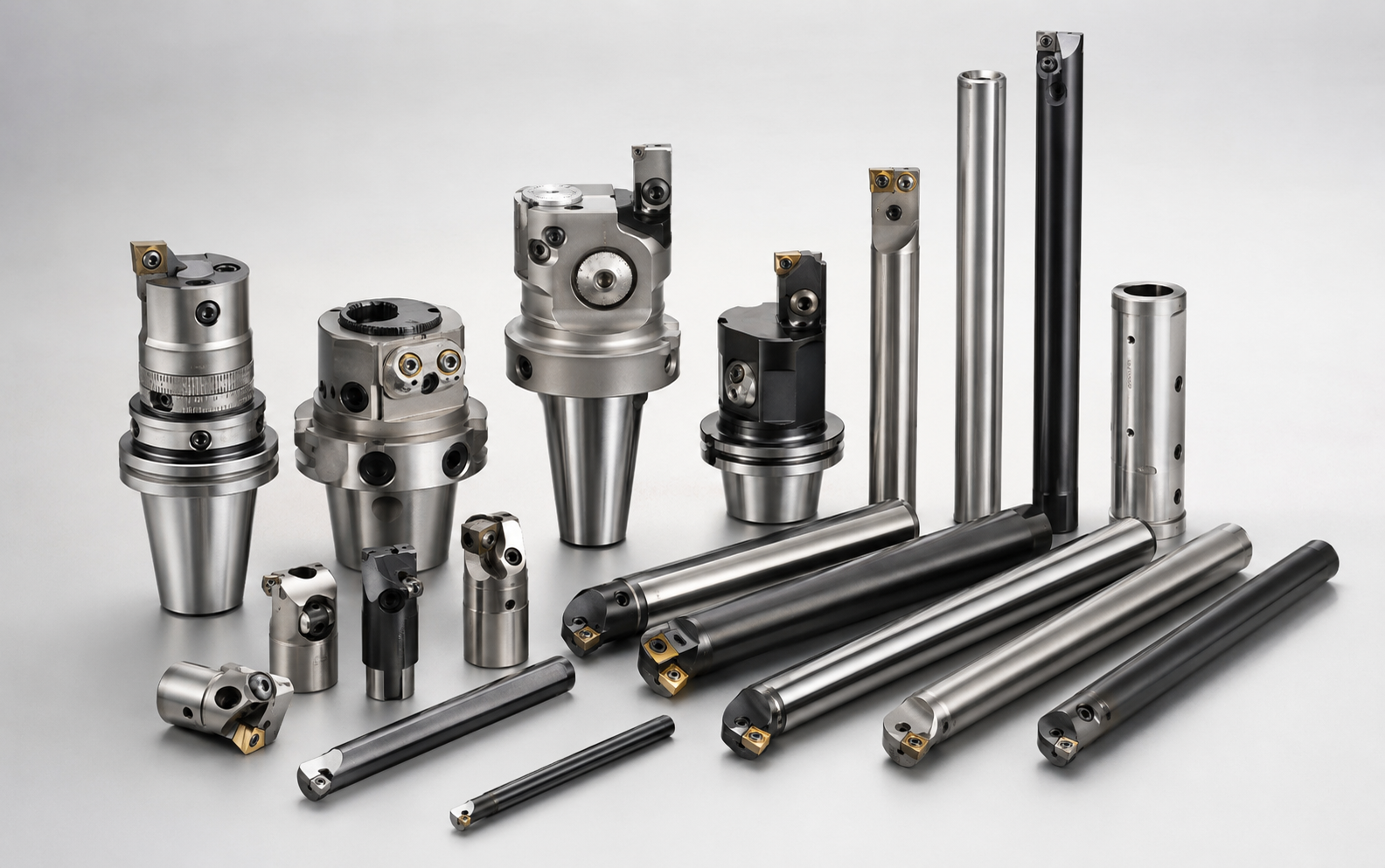
With a space of 25,000 square meters, Hanöki has been making heavy-duty fine boring tools for 30 years. We tightly control the quality and make sure every adjustment dial is very exact because we machine and put together every boring head in-house using our own advanced CNC equipment.
For industrial-grade tools at true direct prices, work directly with our plant instead of going through expensive middlemen. It doesn’t matter if you’re finishing hard cast iron or soft metal; our boring bars are made from stiff, tough tool steel… Our huge stock of modular boring parts and plugs is ready to ship all over the world because we know you can’t afford for your machines to be down. There are 10 top shop engineers here to help you with any tough machining problems you might have. Your CNC shop can keep making chips and making money because we give them what they need.
Fine Boring Tools Application Areas
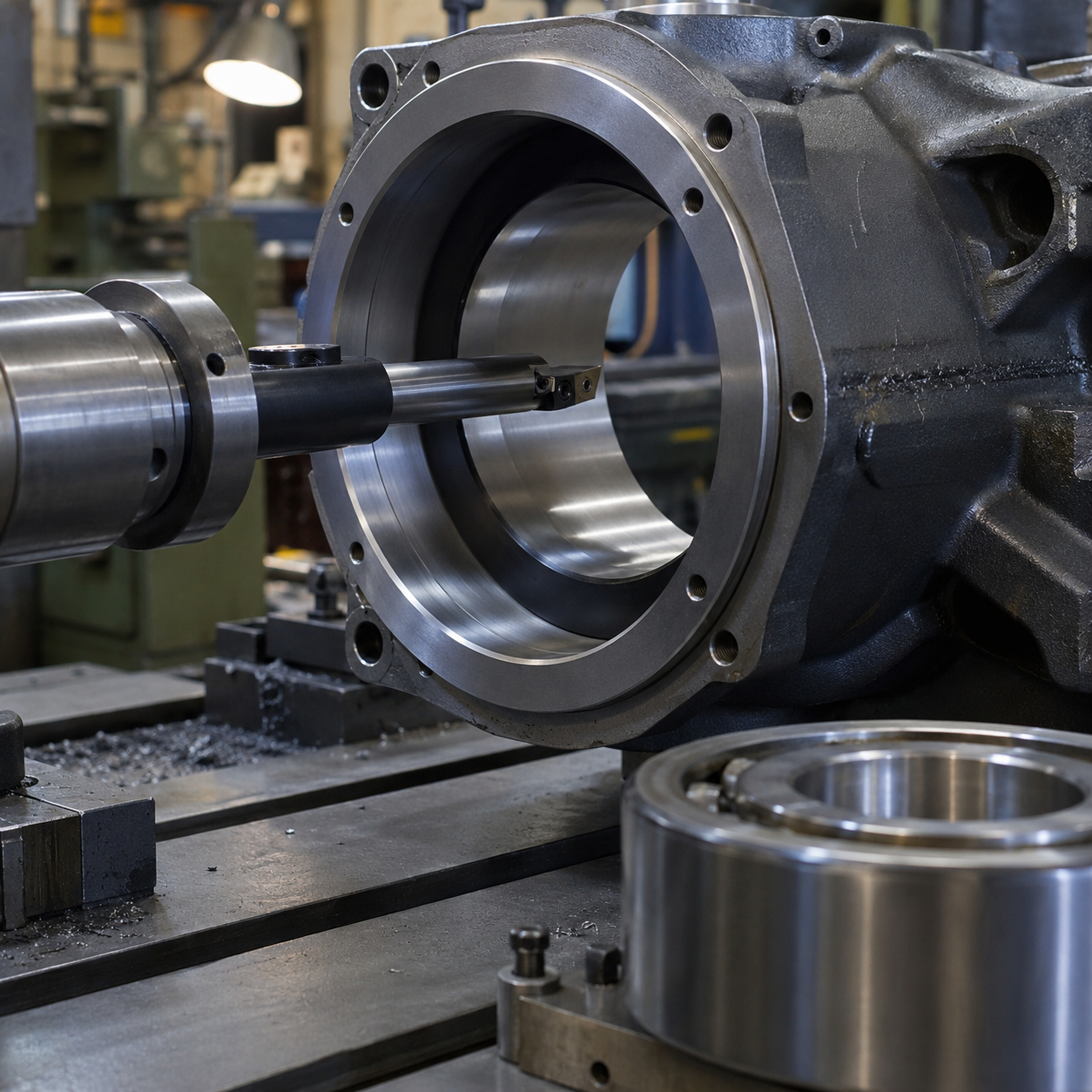
For industrial pumps or motors to work safely, bearings need to fit inside them very tightly. Even a little too wide a hole made will cause the bearing to rattle and break the machine very quickly. The inside wall is carefully shaved with a fine boring tool until it hits the very specific size called for in the blueprint. This makes sure that the heavy steel bearing pushes in tightly and stays in place without shaking.
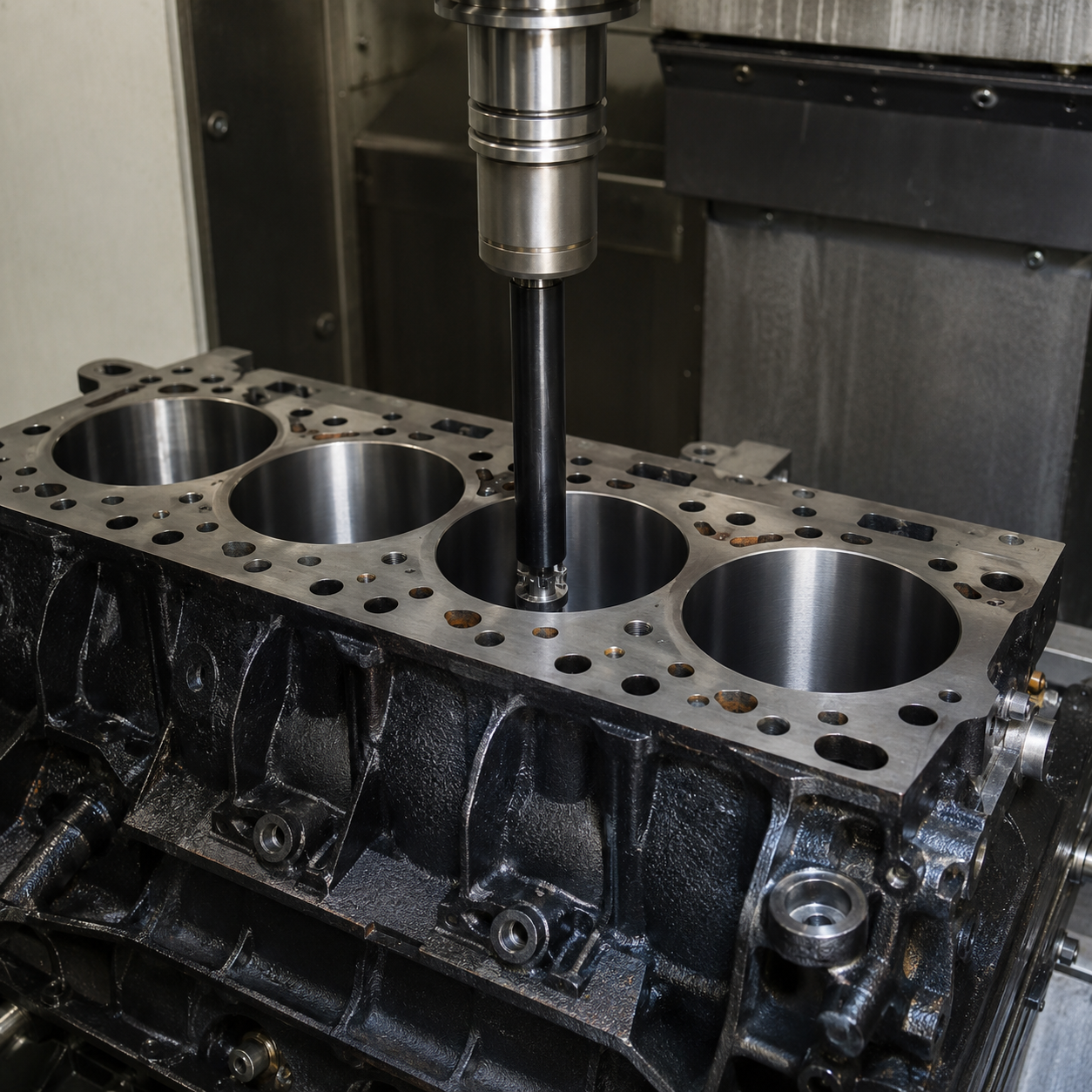
The deep holes in the engine block of a truck or tractor need to be very round and straight. Every minute, the pistons move up and down a million times inside them. They clean up these cylinders with a fine boring tool after the rough drilling is done. It gets rid of the bumpy spots and straightens out the walls so the engine can hold the right amount of oil pressure and run smoothly.
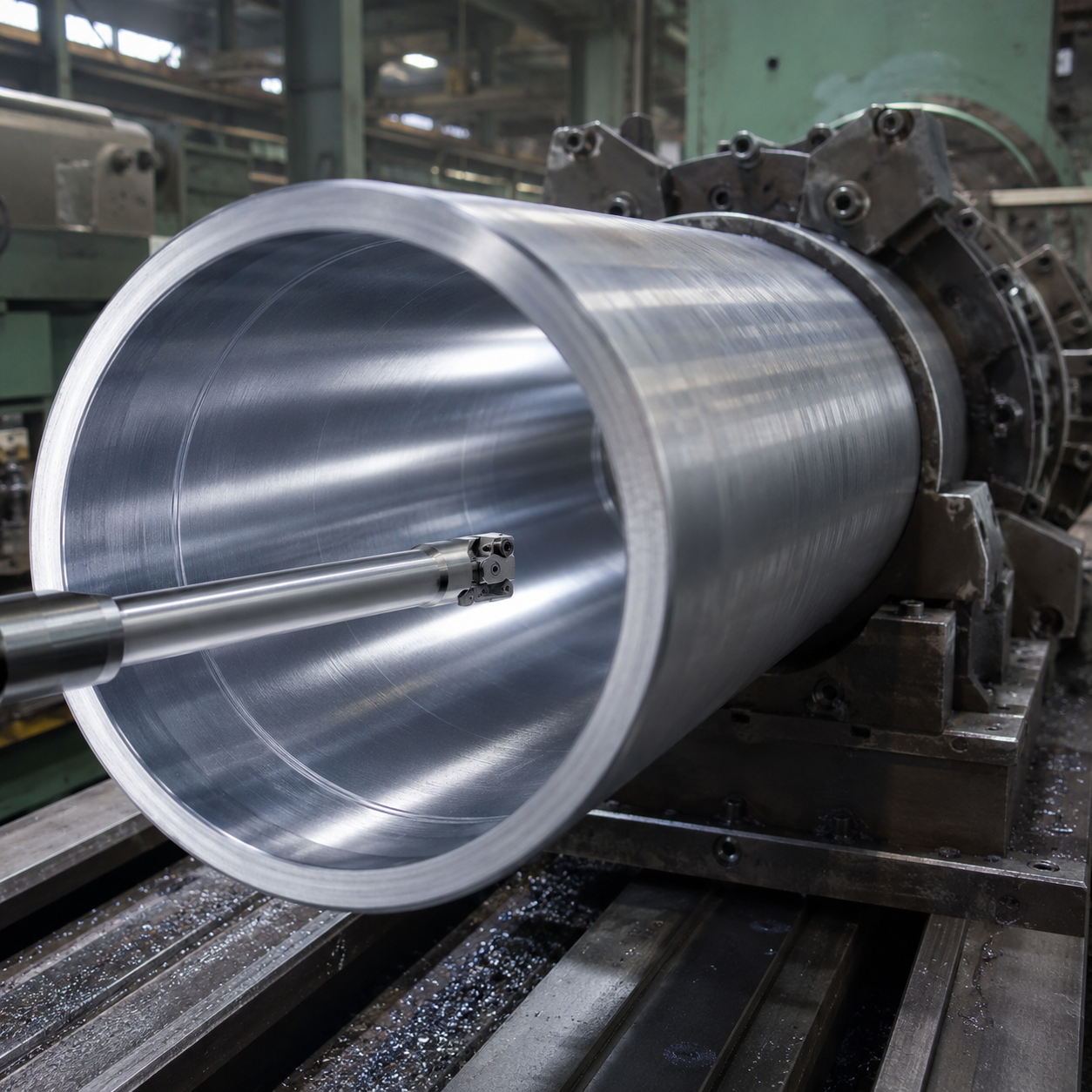
When heavy loads need to be lifted on construction tools or airplanes, hydraulic cylinders are used. Tight rubber seals move back and forth inside these metal tubes. Rough metal on the inside will tear the seals and cause dangerous leaks. When fine boring tools are used to cut the inside walls, they leave a smooth surface that keeps the fluid inside and protects the seals.
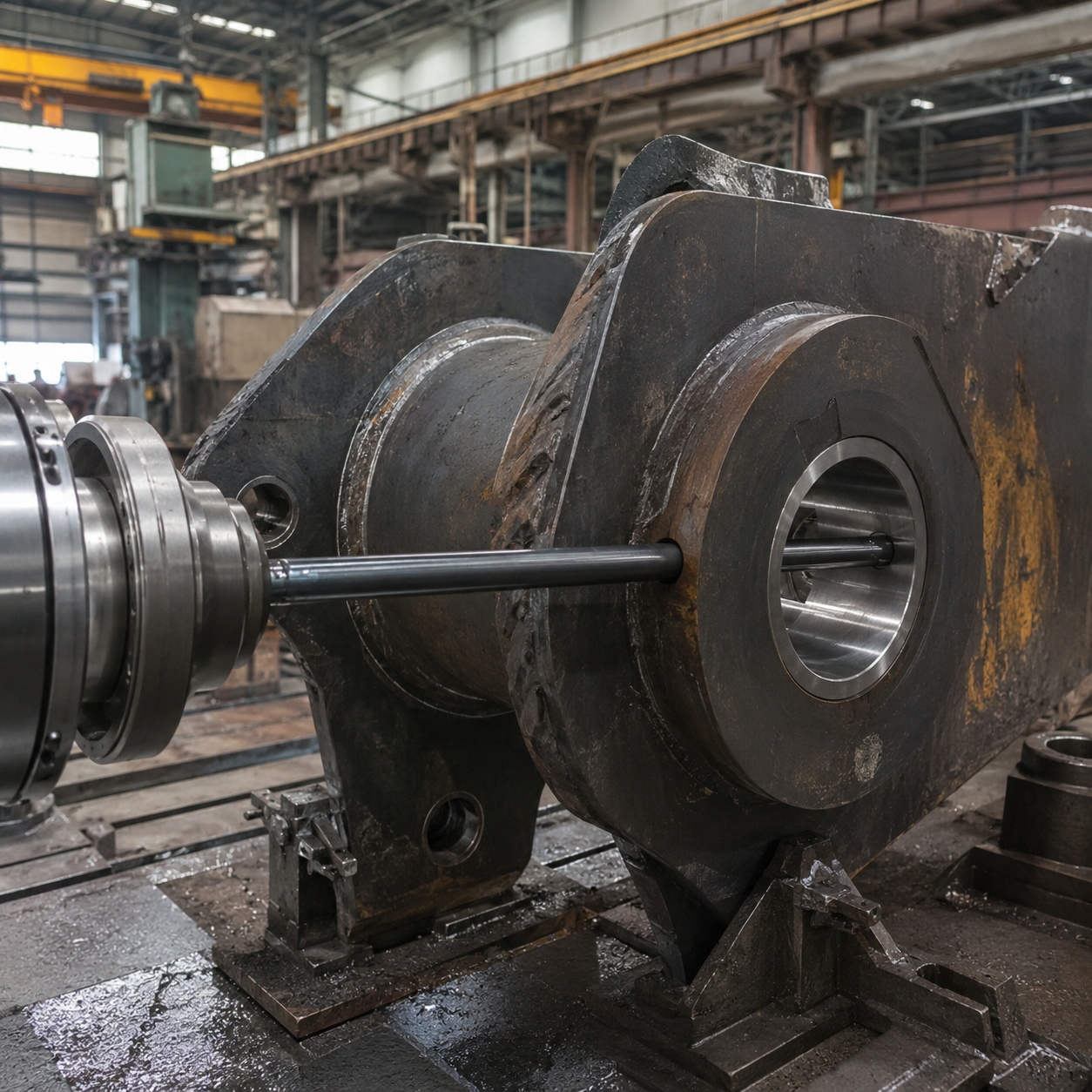
Attaching the heavy moving arms of big building machines like excavators is done with thick steel pins. There must be a straight line between the holes on both sides of the big joint for the thick pin to move during assembly. The long fine boring bar can go through both of the heavy steel plates at the same time, making holes that are all the same size so the big pin can fit through and connect the pieces correctly.
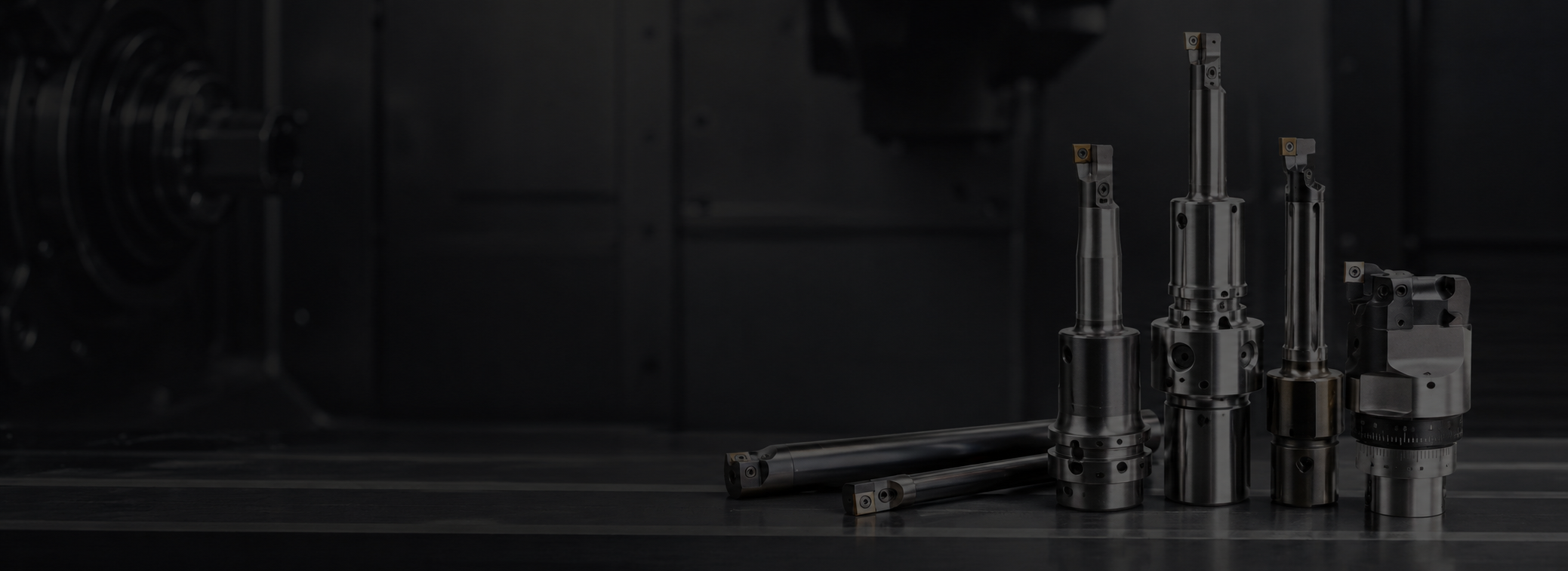
An accurate metal-cutting tool called a fine boring tool is used on a CNC machine to make a hole a little bigger and the inside walls smooth and very round.
A lot of heavy metal is quickly taken out by rough digging. Fine boring removes a very thin layer to get to a very small size limit and make the surface smoother.
Drill bits tend to move around and make holes that are slightly oval or tilted. Fine boring bars are much stiffer and cut cylinders that are very straight and round, just like the engineering plans say it should be.
The dial lets the machine user move the cutting insert out by a very small amount, about 0.0001 millimeter. This lets the shop change the size of the tool to very precise levels.
There are three different parts that bolt together to make up the system: the tool head, the extension bar, and the base shank. The length of the tool you need can be made by putting together different parts.
A fine digging tool can fix a hole that isn’t straight because it makes its own straight path. A reamer moves faster because it follows the hole that is already there, but it can’t fix a hole that is already tilted.
You can use a circle motion on an end mill to make a hole bigger, but a fine boring tool gives you a much smoother finish and better size control for important bearing fits.
In digital heads, the tool adjustment is shown on a small screen. This makes it easier to read in a dirty, dark shop. When you set up an analog clock, you have to read very small lines that are stamped on it, which can go wrong.
For rough digging, use a twin-cutter. It evens out the cutting force and gets rid of metal quickly. For fine boring, use a single-point head to get a clean, shiny wall.
When you need to get deep into a part, solid carbide bars are much stronger and don’t shake as much. Steel bars are less expensive and work well for everyday holes that aren’t too deep.
Fine boring tools aren’t made to make large cuts. Most of the time, they should only take off 0.1mm to 0.5mm of the width so that the tool doesn’t move away from the wall.
Yes, it is very important to push the cutting fluid straight through the middle of the tool. The metal chips are flushed out of the hole so they don’t scratch the clean walls.
The metal you are cutting and the size of the hole make the speed change. The insert needs to be run at slower speeds for hard steel, but much faster speeds can be used for soft aluminum.
Blow chips out of the bottom with a boring bar that has cooling built in. To keep the insert from breaking, stop the tool feed just before it hits the bottom.
As little as possible should stick out of the tool. A shorter tool is less likely to move around while it’s being cut because it is stronger.
While cutting, chatter can happen if the tool sticks out too far, the speed is too fast, or the metal bar is not stiff enough.
You can change to a heavy anti-vibration boring bar, or slow down the spindle RPM, speed up the feed rate to put more pressure on the insert.
A lot of the time, cutting without enough coolant, running the spindle too fast, or using the wrong grade of carbide for the metal combination can cause fast dulling.
If the chips are long and stringy, it means the cut is not breaking properly. You should either speed up the feed or switch to an insert with different chip-breaking groove designs at the tip that break up chips.
It is important to tighten the screw all the way so that the insert doesn’t move during the cut, but you shouldn’t strip the threads. You can use a small torque wrench if your shop has one.
Wipe the joints clean of any coolant or metal dust before taking the parts apart. Before putting them away in a dry toolbox, give them a light coat of oil to keep them from rusting.
It is time to get a new bar if the tool holder pocket gets broken, the screws that hold the insert in place become loose, or the adjustment dial feels loose and leaps in size.
Seek out a manufacturer that has substantial ready-to-ship inventories, hefty CNC grinding machines in-house, and engineers who can talk to you about technical feeds and speeds.
Yes, direct manufacturing factories can construct unique boring heads or custom lengths to enable your business to reach awkward or deep locations that are beyond the reach of regular tools.
How to Pick the Right Fine Boring Tool for Your Job
Choosing the incorrect fine boring tool can result in an expensive, nearly finished metal part going straight to the scrap bin, which is a waste of money. When attempting to bore a deep hole in tough iron using a long, thin steel bar, the tool will tremble and bounce due to the pressure. The interior wall will be covered in awful chatter marks as a result. However, if you use a dull insert designed for heavy steel on a soft metal like aluminum, the metal will not cut cleanly; instead, it will only adhere to the blade. As a result, the tool becomes clogged and leaves behind a rough wall that will never be able to grip a bearing firmly.
It is always necessary to match the cutting insert and boring bar length to your particular material and hole depth. In order to cut silently and without shaking, you must use a hefty anti-vibration bar if you must reach far down into a deep cylinder. To avoid bending the workpiece while machining thin or soft metal parts, use an insert with an extremely sharp, polished edge to keep the cutting pressure low. Setting up the proper boring head only takes a minute and ensures that your parts fit the first time tightly, saving your shop hours of frustration.