



Your leading High-Rigidity Rough End Mills Manufacturer in China
- Stays in the Holder: When the tool is in the middle of a cut, flat shanks keep it from pulling out.
- Tougher Corners: Edge prep makes it harder for the tips to chip early on.
- Reliable Coating: The finish can handle being scratched without coming off quickly.
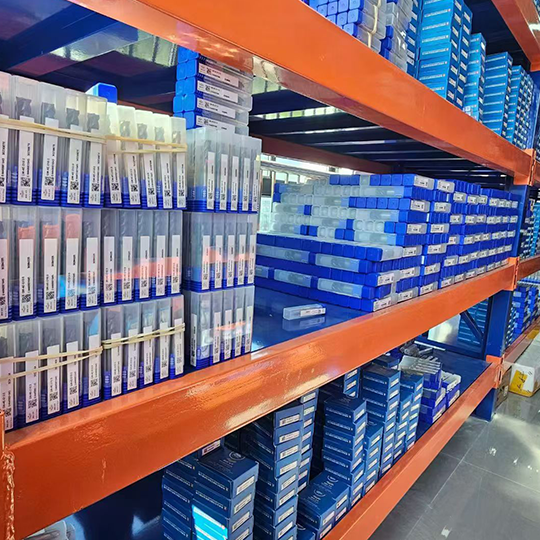
- Safe Packaging: Tools are packed tightly so that the edges don’t get chipped while they’re being shipped.
- Consistent Sizing: Measurements match the box to avoid any problems during setup.
- Fair Replacements: We swap tools that have real flaws in the way they were made.
What are rough end mills?
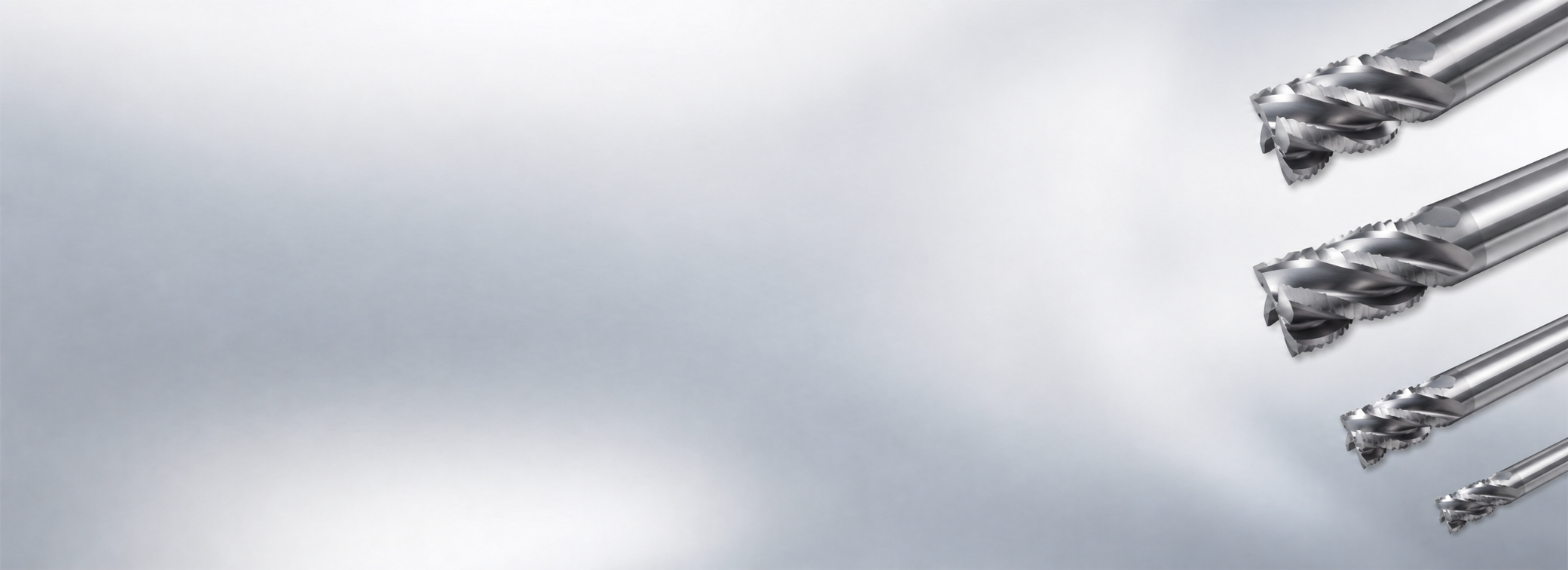
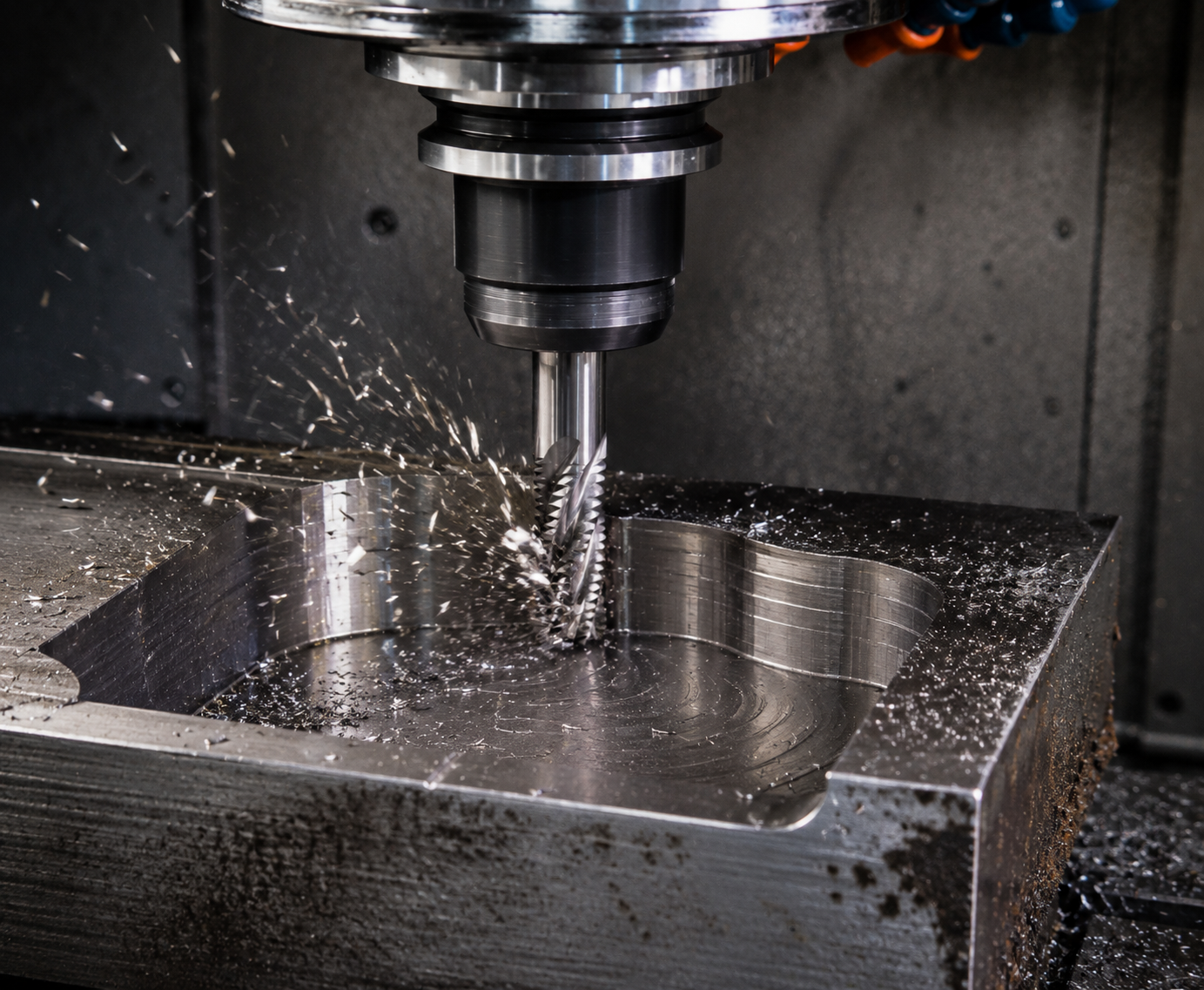
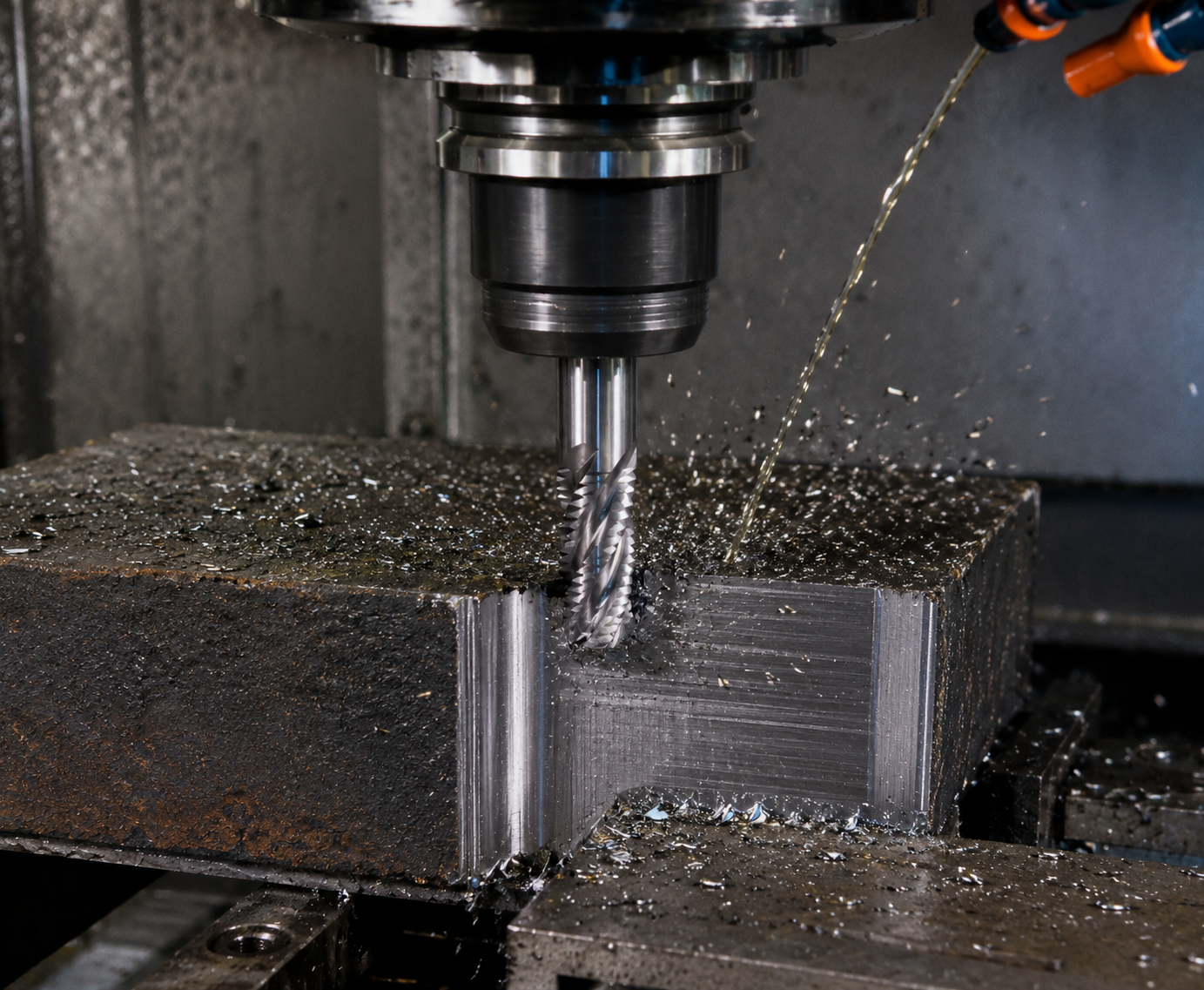
As soon as you start a CNC job with a solid block of metal, you want to get rid of the heavy trash as quickly as possible. Indeed, this is what a rough end mill is meant to do. If you really look at it, the cutting lines aren’t smooth and straight like a normal cutter. They have wavy, bumpy teeth along the sides instead, which makes it look like a metal corn cob. A big problem in the shop is fixed by these wavy lines. When a standard smooth tool makes a deep cut, it peels off a big piece of metal. This requires a lot of power and makes the machine shake very badly. A rough end mill’s teeth break up that big cut into hundreds of small bites. This lets the tool go deep into the steel without making a lot of noise or shaking.
The Real Price of Cheap Rough End Mills
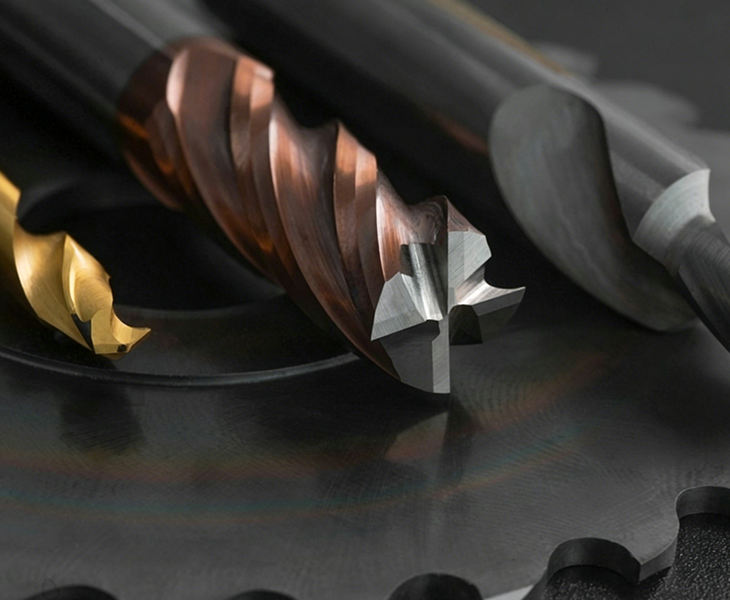
When you are rough, your CNC machine is under the most physical stress. It usually ends badly to try to save a few bucks on a cheap rough end mill. Weak carbide is the main problem with low-quality rough end mills. The weak, wavy teeth just break off when you push them hard into a solid block of steel. The tool stops cutting when the teeth are gone and starts rubbing very hard against the metal. This makes a lot of noise and heat that can damage your expensive machine shaft badly. Also, if a cheap, weak tool breaks during a heavy pass, the broken piece gets dragged across your object and destroys the raw material. This breaks down your whole setup.
It doesn’t make sense to risk an expensive machine shaft on a bad cutter to save a little money. In Hanöki’s 25,000-square-meter workshop, we’ve been making stronger cutting tools for decades. Our group of 10 senior engineers runs more than 20 heavy-duty CNC machines every day, so we know how much damage a roughing tool can take. Premium solid carbide is used to make our rough end mills. This way, the teeth stay sharp and the core doesn’t break under big loads. If you buy from our factory floor, you skip the fee that comes from the middleman. We offer fast shipping around the world and low minimum order quantities, so you can get strong, reliable tools at factory prices right when you need them.
Rough End Mills by Material & Coating
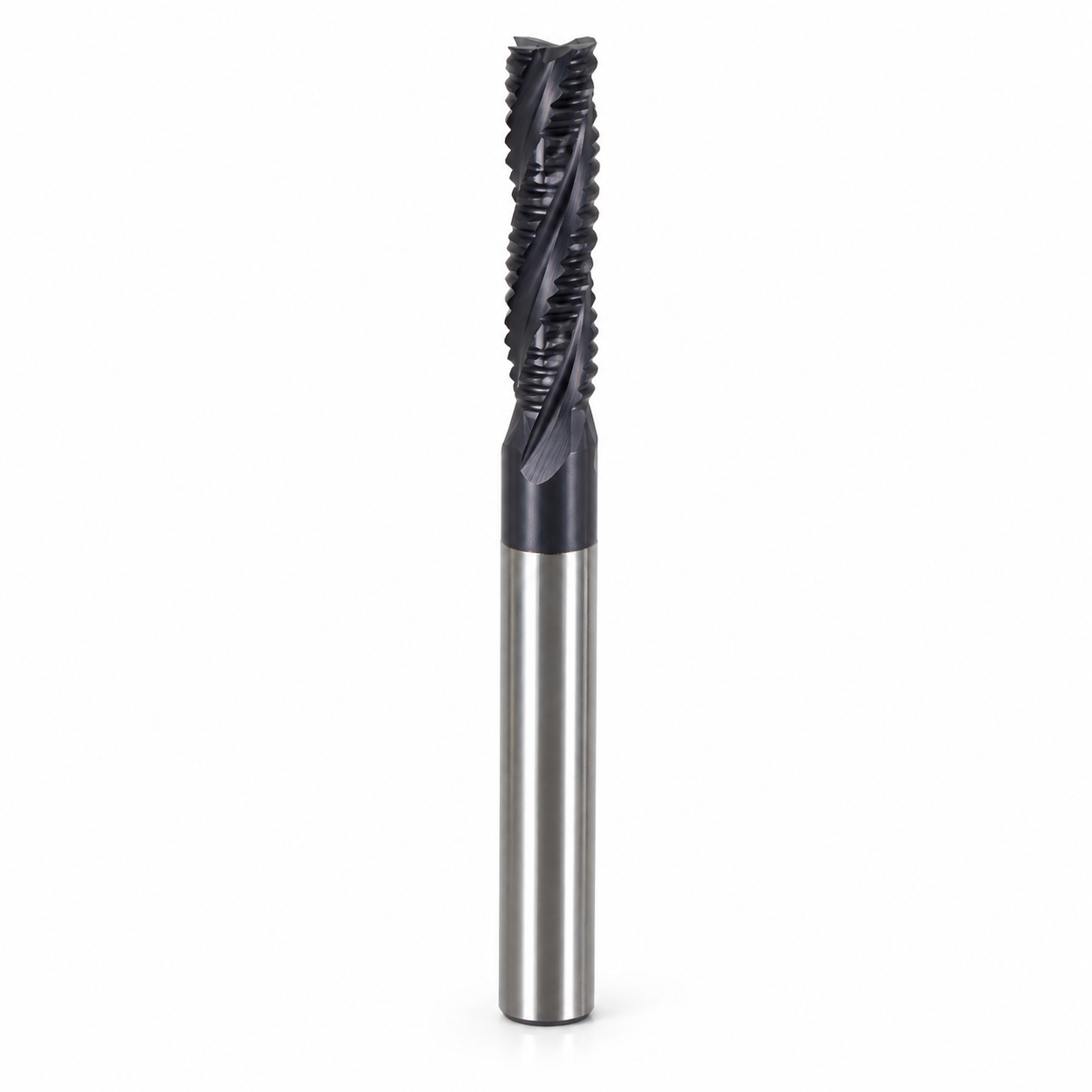 Coated Solid Carbide
The standard pick for CNC machines today. Since the coating is thick and dark, it can handle high temperatures. This means that you can cut through tough steel for high speed without damaging the cutting edges.
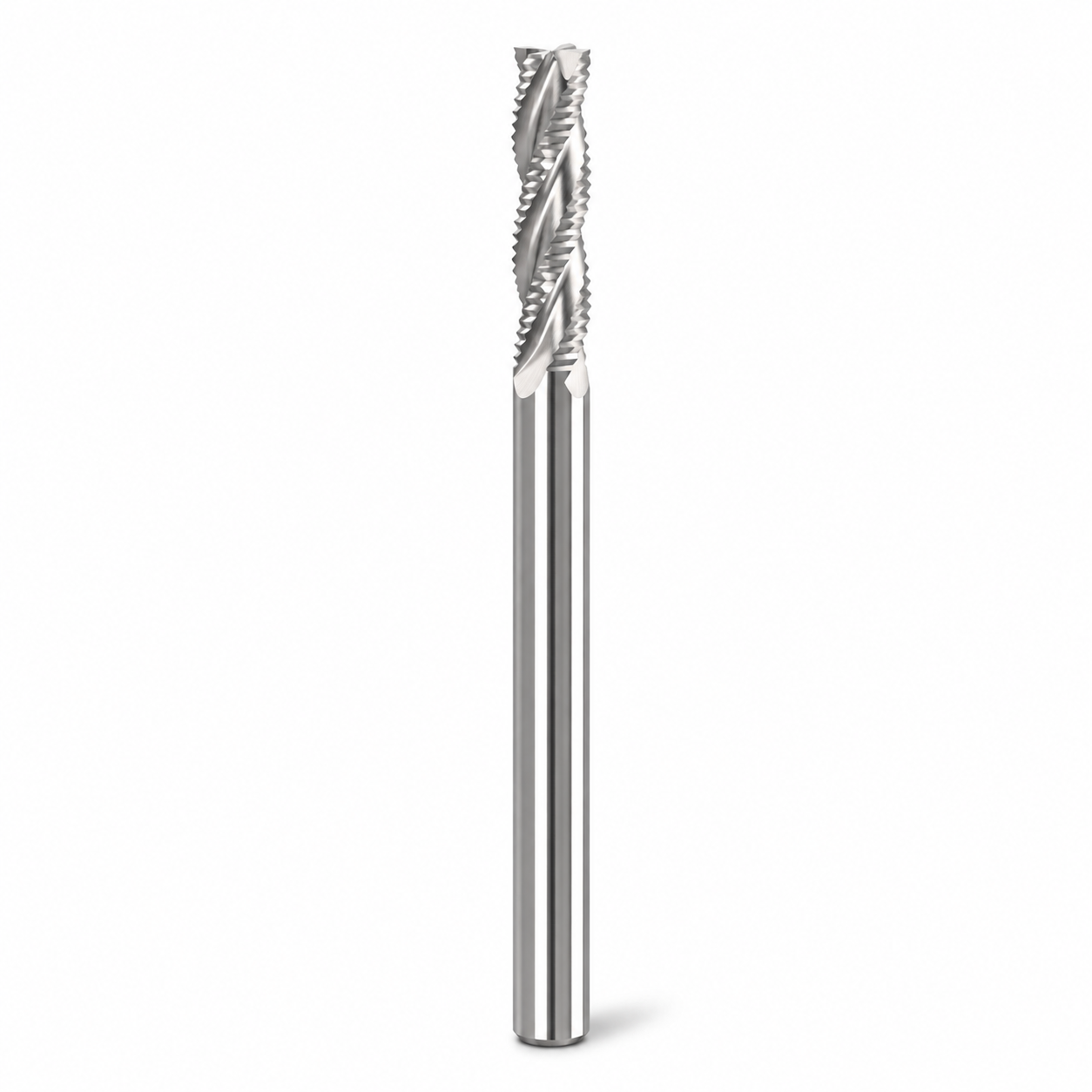 Uncoated Carbide
Made just for aluminum and other metals that stick together. Since there is no coating on the edges, they stay very sharp. This keeps the soft metal from melting and sticking to the tool.
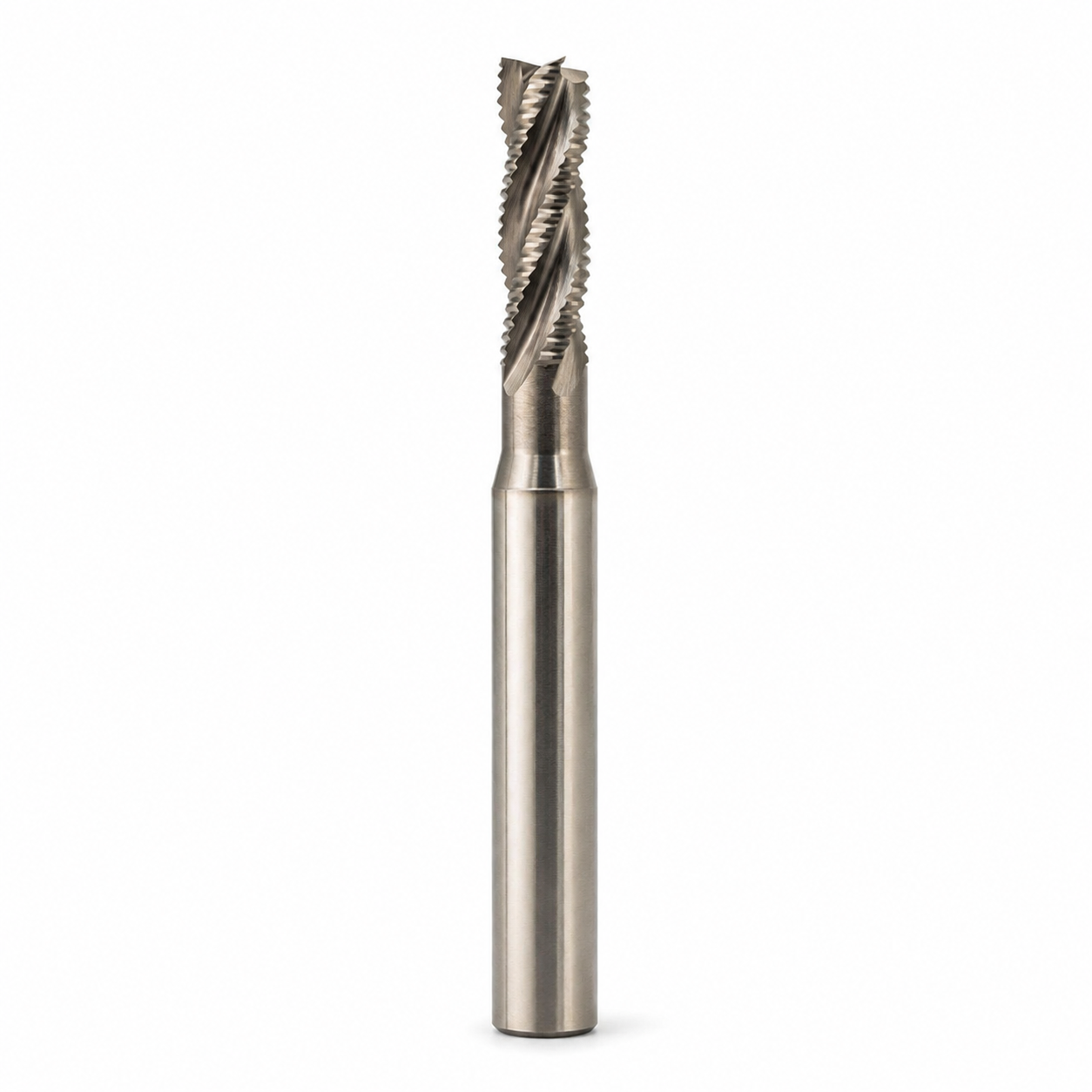 Cobalt Steel / HSS-Co
A cheaper type of metal that is older. It’s not as hard as carbide, but it can handle shocks much better. It works great on old, shaky machines where brittle carbide might break.
Rough End Mills by Tool Shape
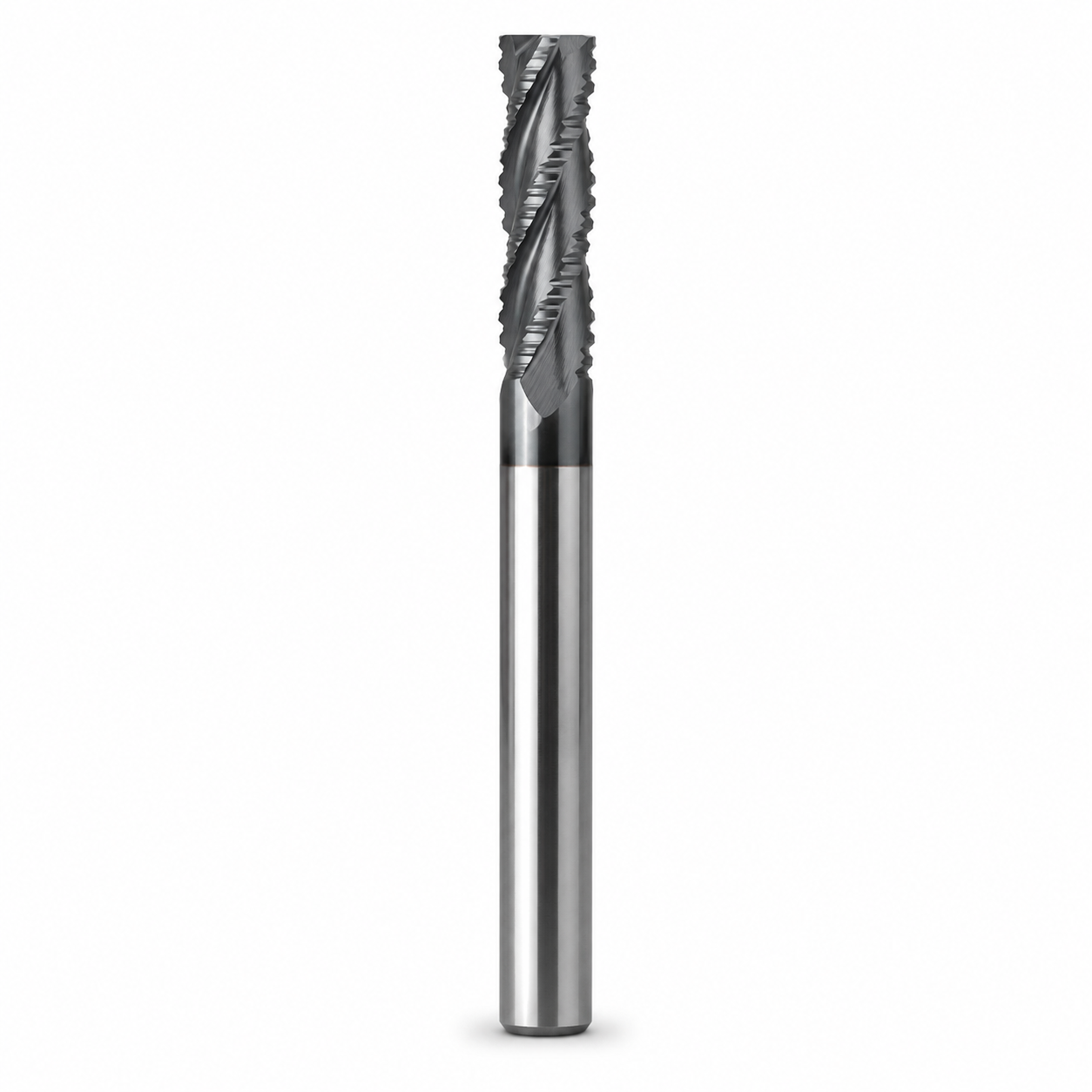 Standard Square End
What every machine shop needs to do for their daily work. Because it has a flat bottom, you can plunge it down and cut out big square pockets or straight side slots.
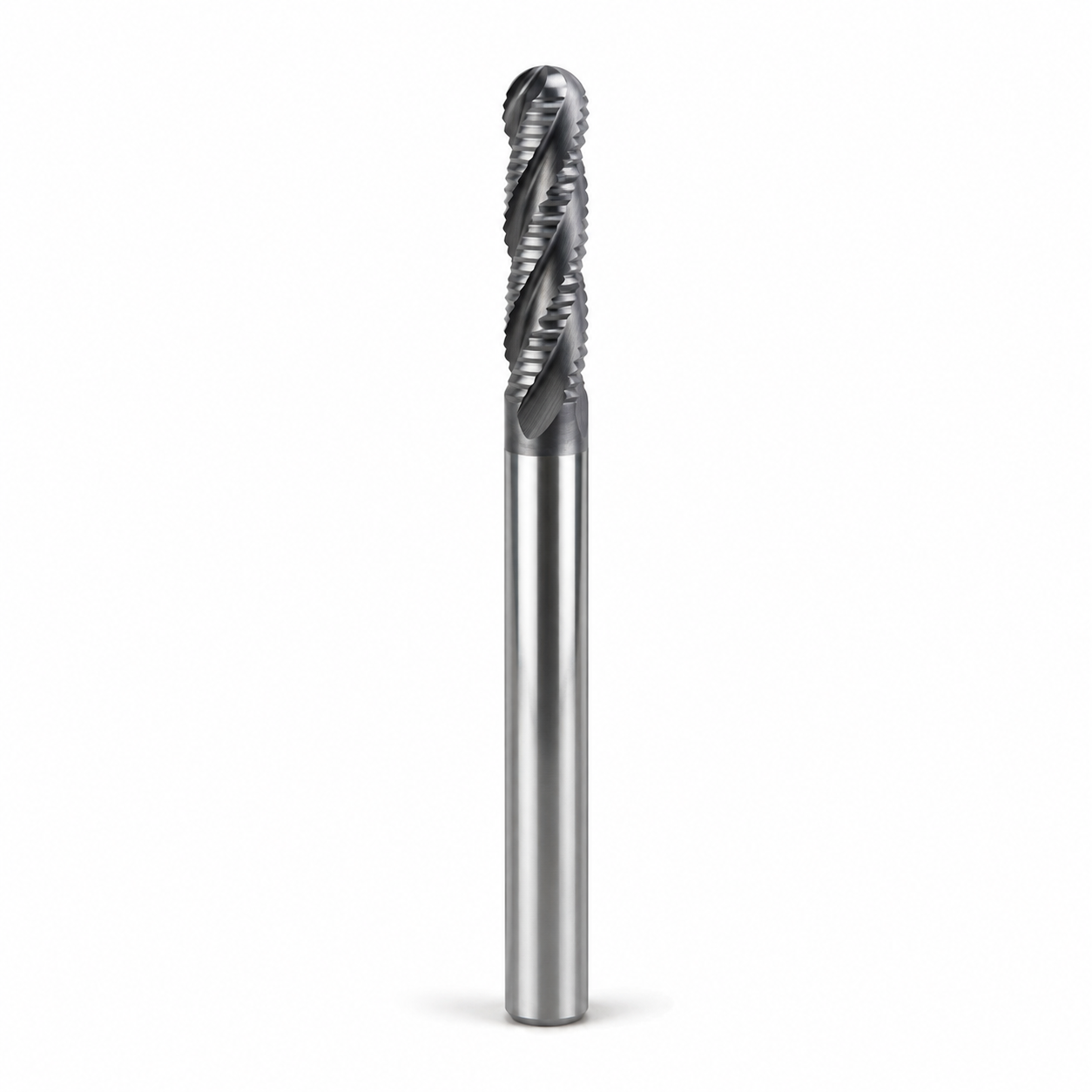 Ball Nose Roughers
It has a round tip. It’s mostly used by mold makers to quickly carve heavy 3D bowls, curves, and sloped surfaces out of a billet of steel.
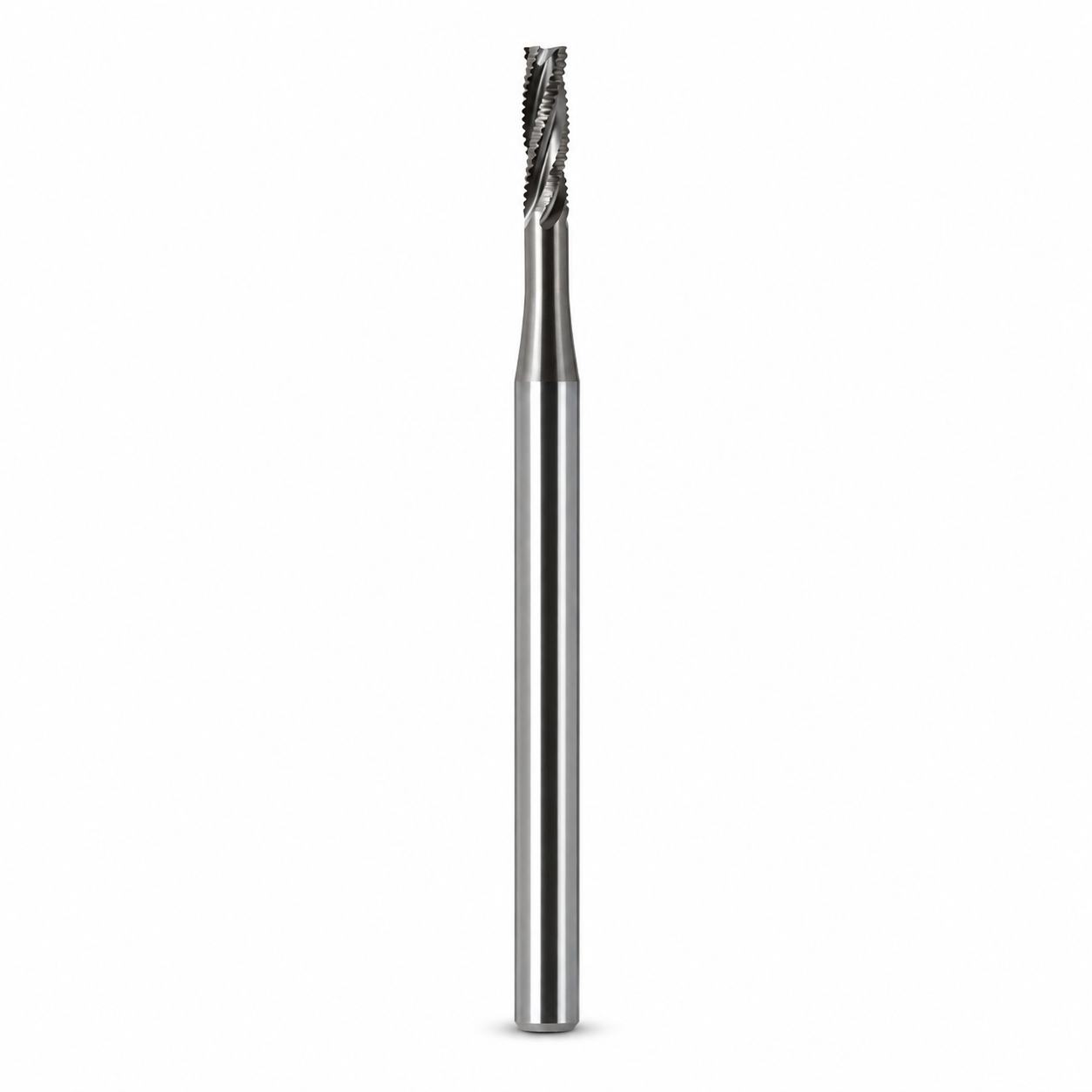 Long Reach / Necked Mills
Designed to fit deep holes. The cutting head is normal, but the steel neck behind it has been shaved down. You can get deep inside a part this way without damaging the walls on top.
Why Choose Hanöki Rough End Mills
Our protective coats stick to the base metal very strongly. They don’t flake off when there is a lot of pressure or high temperatures, which protects the raw carbide from damage caused by heat.
Near the top neck, the center body of the tool is made to get thicker. This gives it the extra stiffness you need for roughing out deep pockets without making the vibrations too strong.
Instead of switching out tools all the time, you can keep this rough end mill in your machine and use it to safely cut through steel, heavy cast iron, and common metal alloys.
Laser technology is used to measure each batch. When a tool isn’t within our tolerances, it’s thrown away right away.
Every shank has the exact diameter and tool features etched into it with a laser. Your shop workers will never pick up the wrong size by chance and break a machine while setting it up.
When we make our tools, we only use pure, heavy-duty tungsten carbide. We’re not going to melt down used metal just to save a little money on costs.
Chews Through Nasty Surface Crust
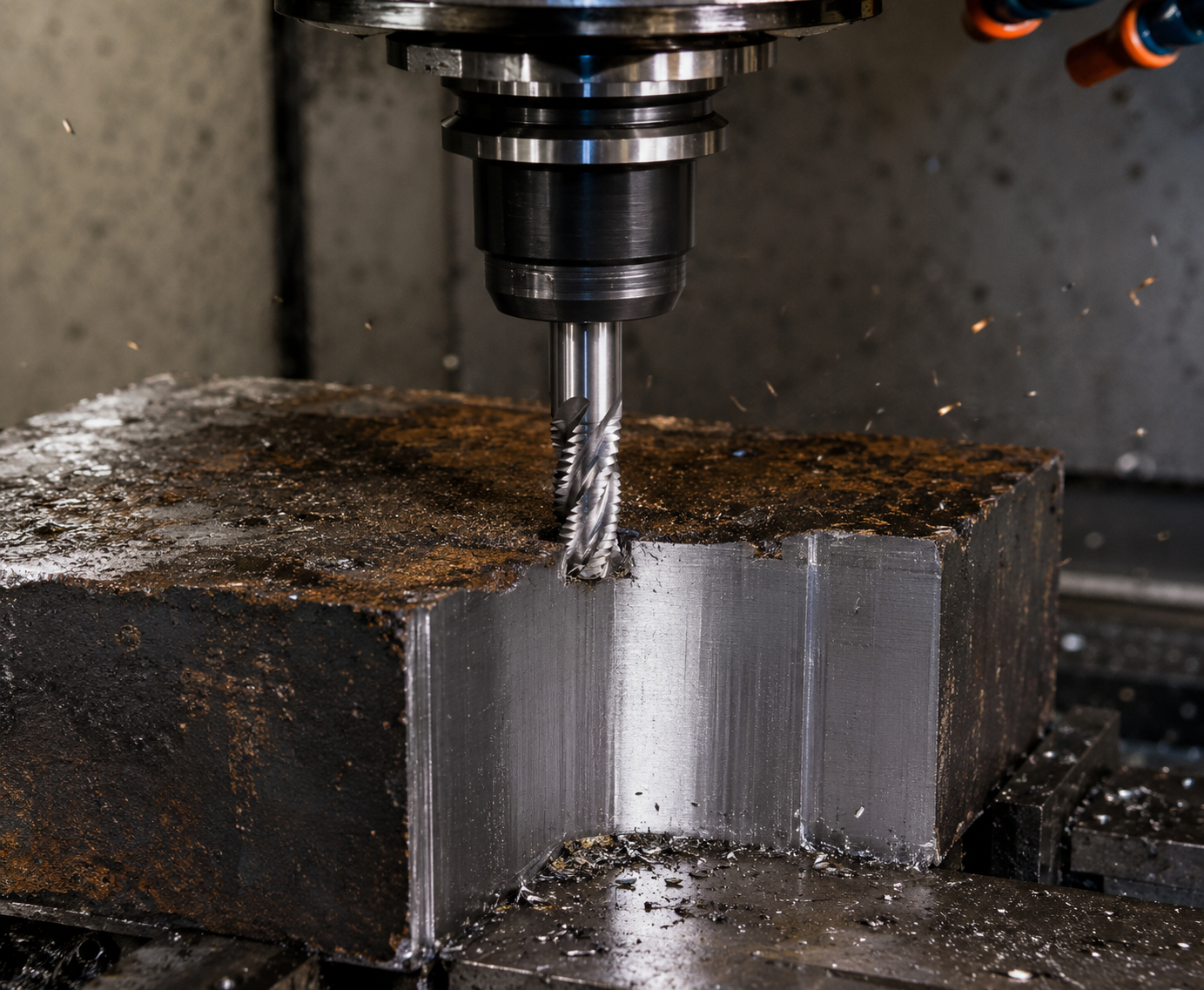
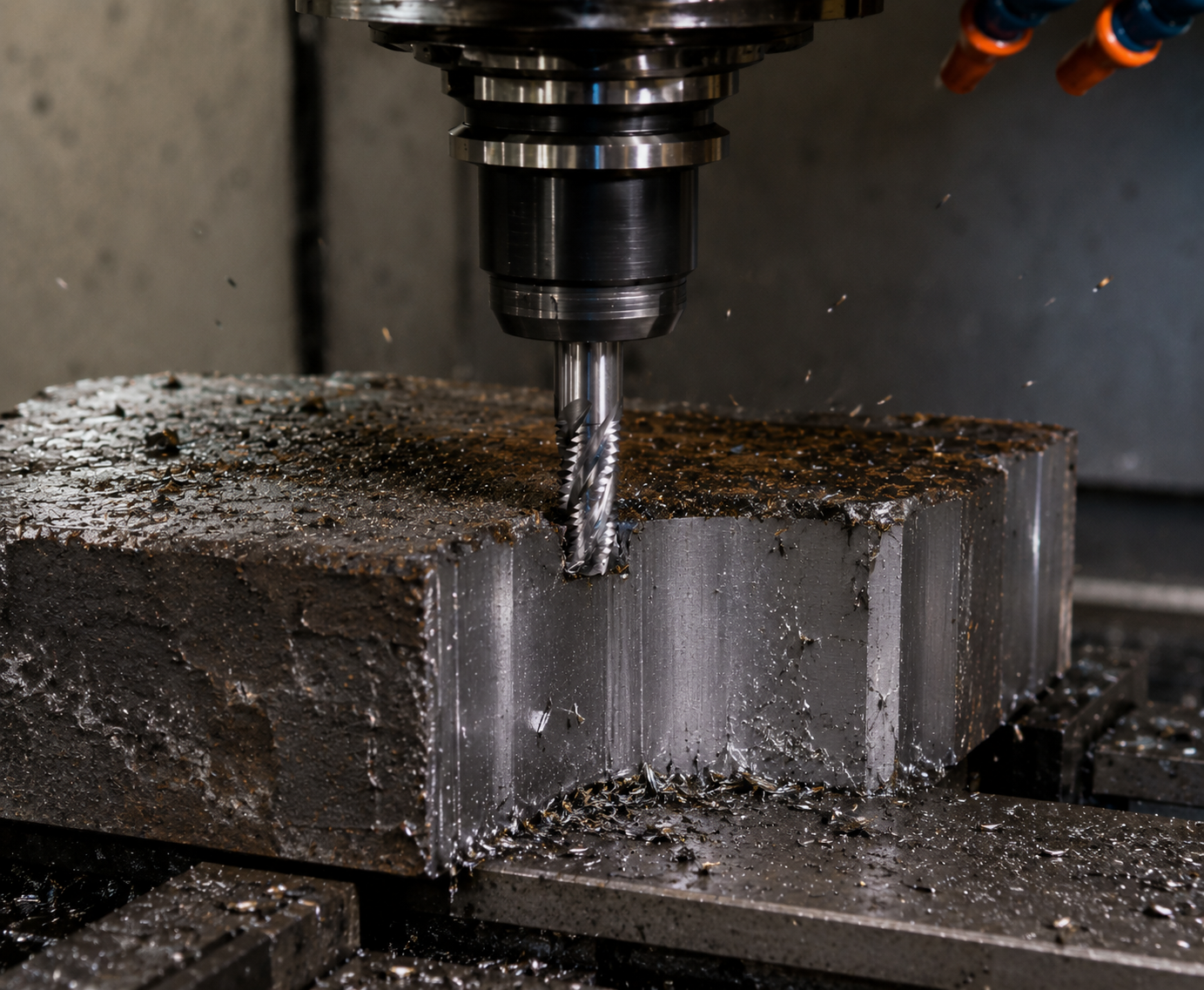
Raw metal blocks often have a layer on the outside that is hard, rusty, and dirty. This is called mill scale. This crust is like sandpaper and will quickly wear down any sharp or delicate finishing tool. This nasty skin can be easily ground off with a tough, rough end mill, leaving clean metal inside that your other tools can safely work with.
Let the Coolant Do Its Job
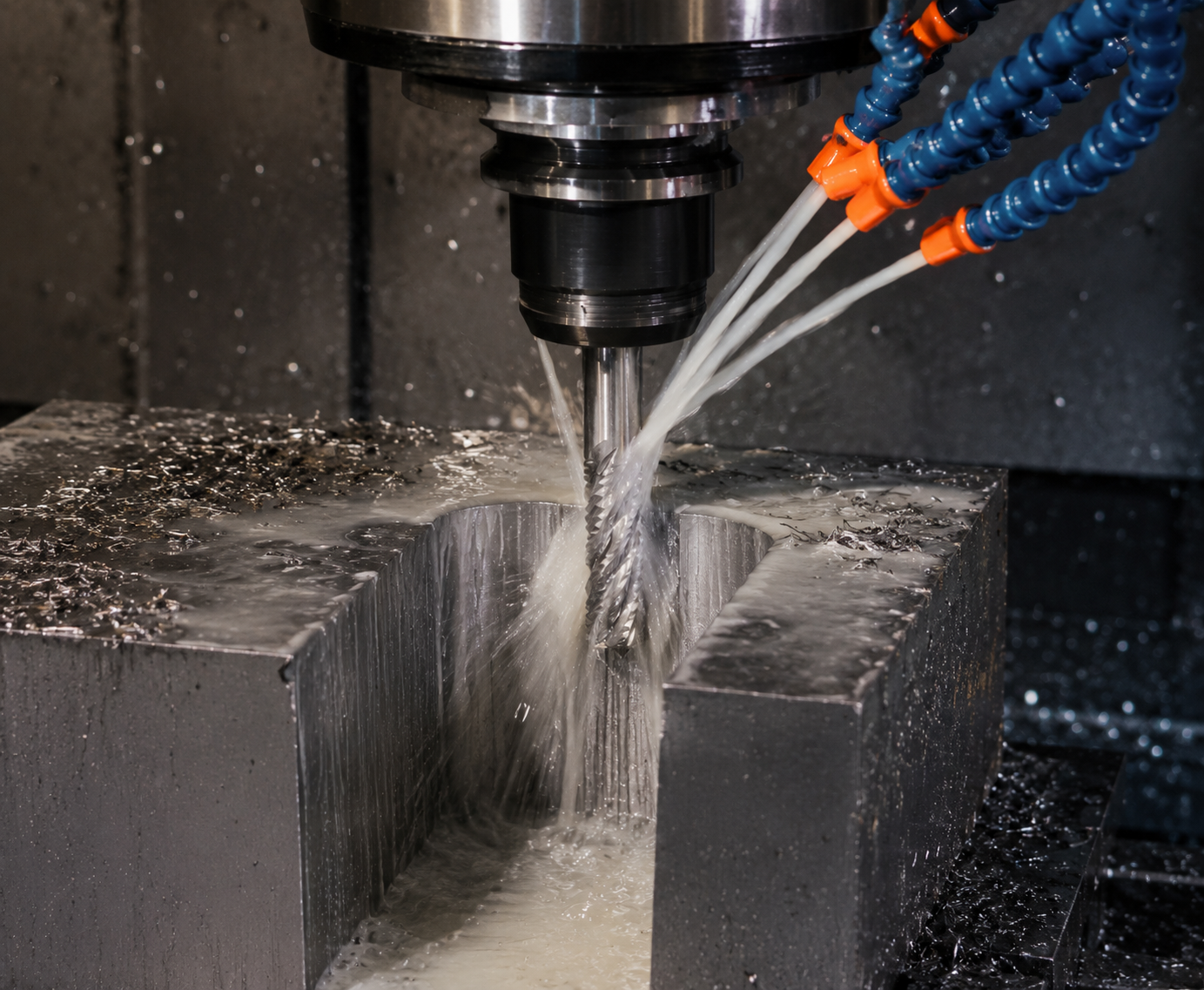
Deep cuts make a lot of heat. Using standard flat end mills makes it hard for water to get to the bottom of the pocket. Hanöki rough end mills have a wavy shape that creates natural gaps that let high-pressure fluid run all the way down to the cutting zone. This keeps the piece of equipment cool and stops the hot metal from sticking to the blades.
Perfect for Modern Toolpaths
This is the tool you need if your shop uses current CAM software for dynamic milling at high speeds. It loves making quick cuts that loop. With the strong core and broken edge design, you can use the whole side length of the cutter at very high feed rates without worrying about the tool breaking from the side pressure.
Takes the Load Off Your Spindle
It takes a huge amount of machine horsepower to push a smooth cutting tool through thick iron. Worn out your expensive spindle bearings from this constant heavy stress. A rough end mill uses a lot less motor power because it bites off hundreds of small pieces instead of one big pull. This makes your CNC machine last longer.
Cuts Down Your Cycle Times
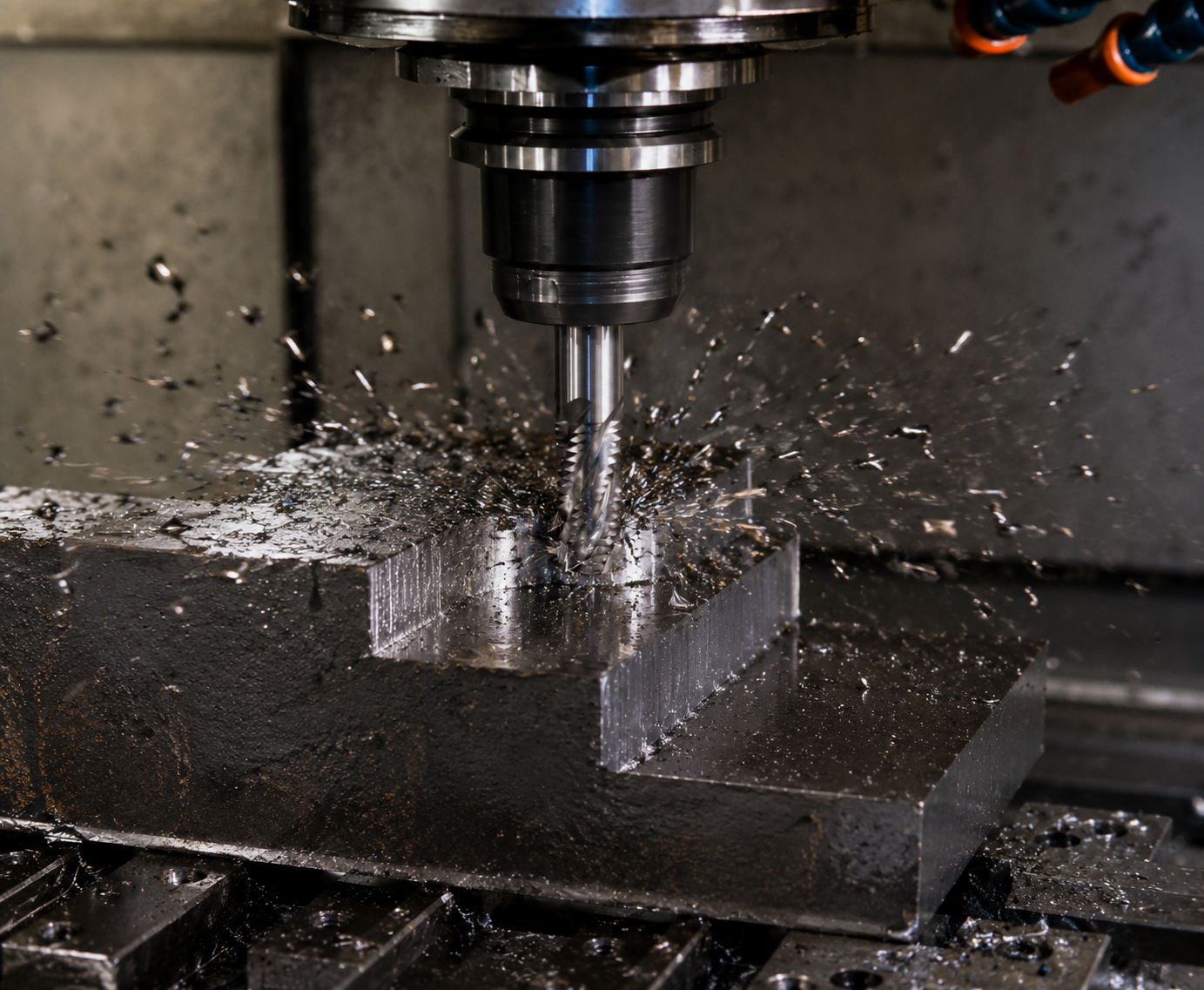
In shop work, time is money. You can feed a rough end mill much faster than a flat cutter because the wavy edges need less force to push against. It cuts out big chunks of metal in half the time, so you can finish the part faster and move on to the next one.
Forgives Hard Spots in the Metal
Raw steel or cast iron blocks can have hidden hard spots that will break a normal tool in half right away. A rough end mill’s thick center core and tough, bumpy edges are made to handle these quick hits. It goes right through the tough crust without breaking
Your Direct Factory for Professional Rough End Mills

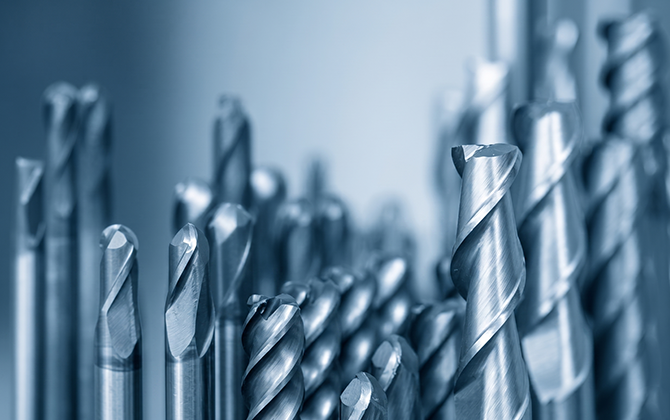
When Hanöki makes rough end mills, they start with honest materials. To save money, many low-cost providers melt down used metal to make tools. This makes the tools weak and easy to break when they are put under stress. We only use heavy-duty, pure tungsten carbide. Every single cutter is carefully checked with a laser after it has been ground. It is thrown away right away if the width is off by even a small amount. You may be confident that the tool you install in your machine will withstand the removal of heavy metals without any unexpected surprises.
Additionally, we think that machine shops should be treated equitably when placing orders. We never require you to purchase in large quantities in order to receive a fair price. We treat every order with the same care, whether you require a big batch for a lengthy production run or only three tools to test on a durable piece of iron. Each rough end mill is transported in a sturdy plastic tube to ensure that the delicate edges are perfectly protected. When a tool has a genuine manufacturing error, we just swap it out without a fight. Our goal is to maintain the seamless operation of your shop.
Rough End Mills Application Areas
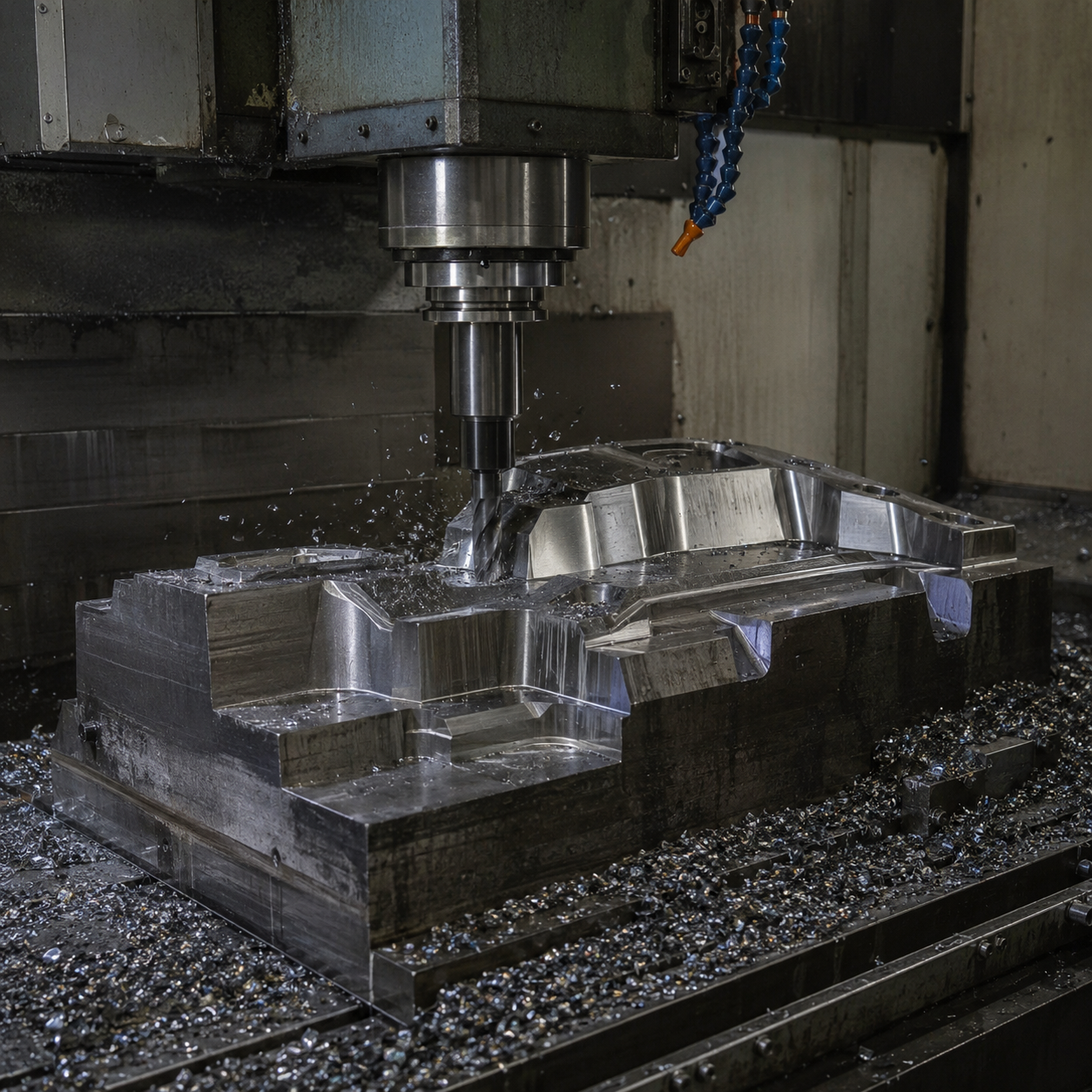
You start with a huge block of solid steel when you need to make big molds for plastics or car parts. Getting rid of a lot of waste metal is needed before you can carve out the fine features. For the quick removal of this large piece of material, a rough end mill is used. This quickly and safely shapes the heavy square block into a rough three-dimensional shape without damaging the machine’s spindle.
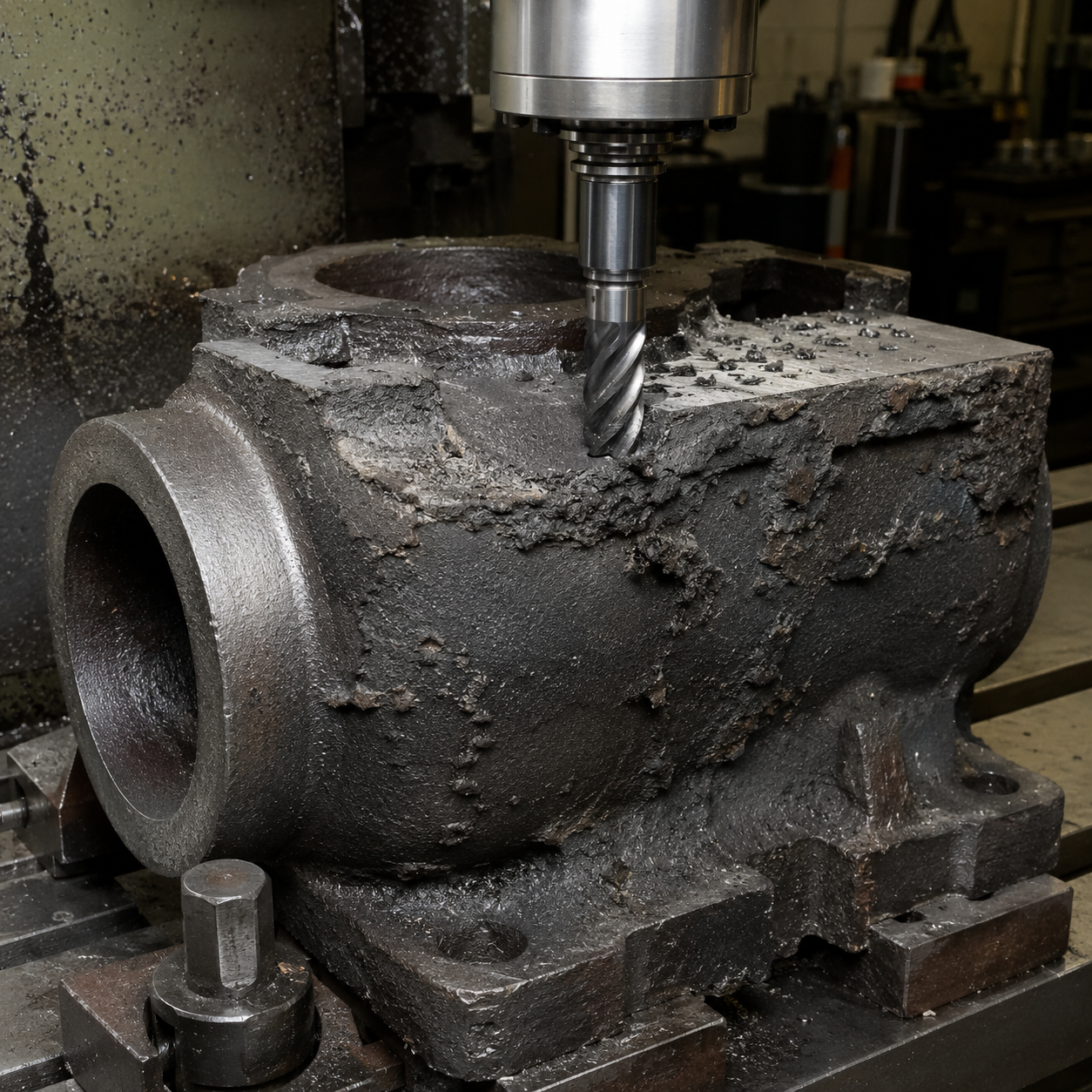
When industrial cast iron parts like heavy machine bases or pump housings come from the forge, they have a dirty, hard crust on the outside. If you use a regular finishing cutter on this rough skin, the ends will break off very quickly. The rough end mills are strong enough to cut through the rough casting scale and secret sand spots, leaving the raw metal safe for the next steps.
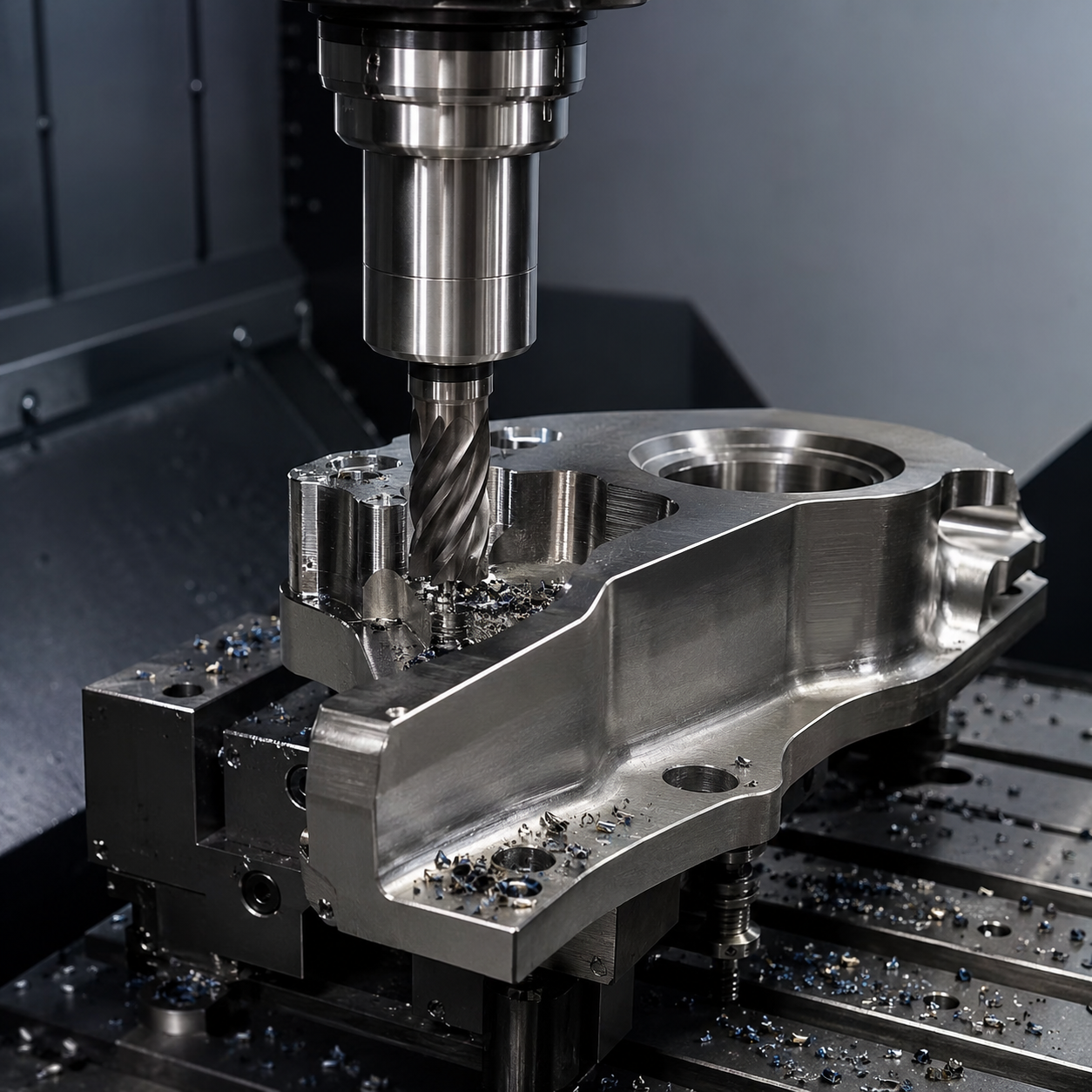
Parts of airplanes are often made of metals that are strong and stick, like high-grade stainless steel or titanium. People know that these materials are extremely tough to cut, and regular tools can easily get stuck and break. Rough end mills safely cut through these tough industrial metals without making loud chattering sounds or stopping the machine. They do this by taking hundreds of small, broken bites instead of one big pull.
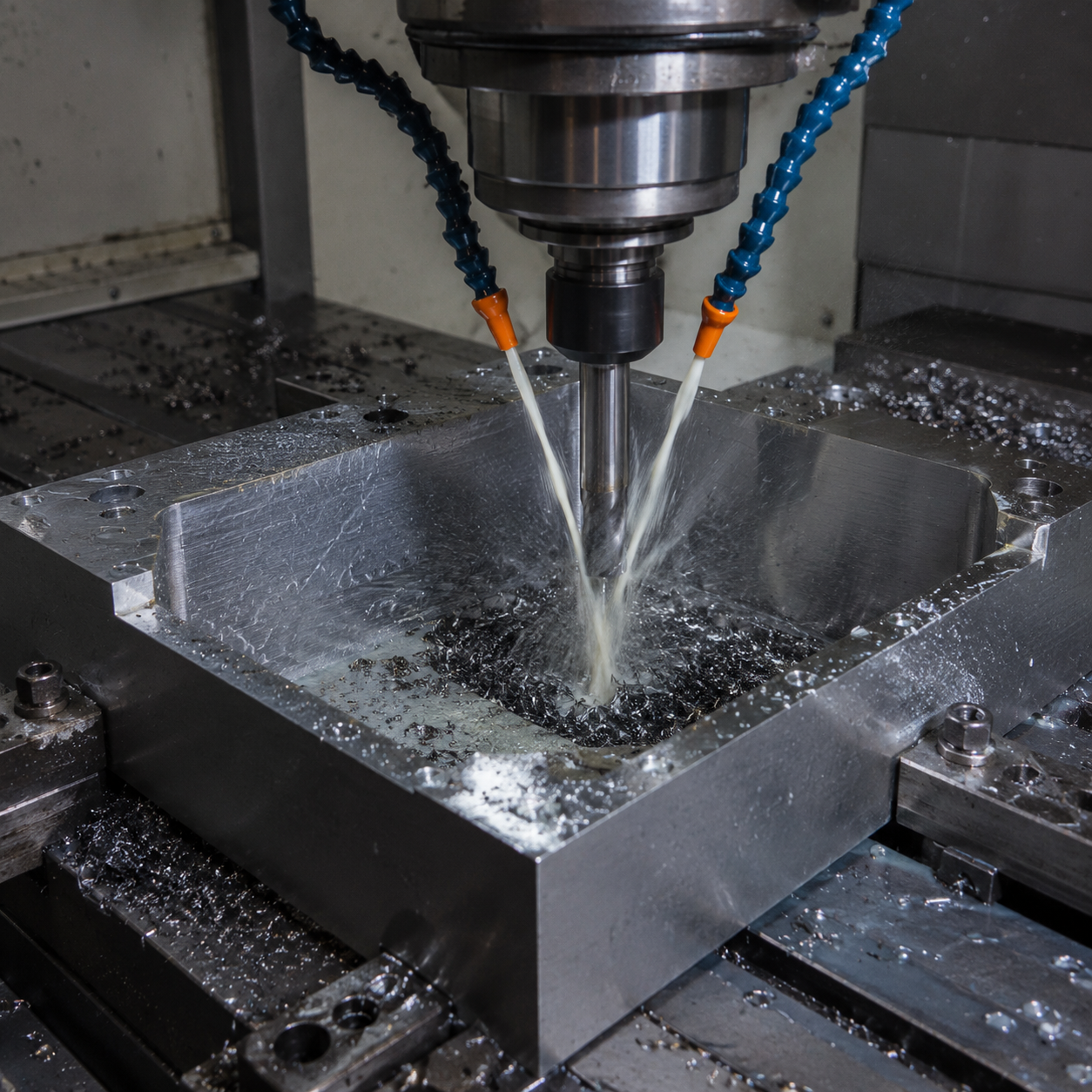
To cut down on weight, many industrial structure parts need to have deep, wide pockets cut into them. If you try to dig a deep hole with a regular flat tool, long metal chips will get stuck at the bottom and stop the machine from moving. It is much safer to do the job with a rough end mill because it crushes the steel into tiny pieces that can be easily washed out of the deep hole with coolant.
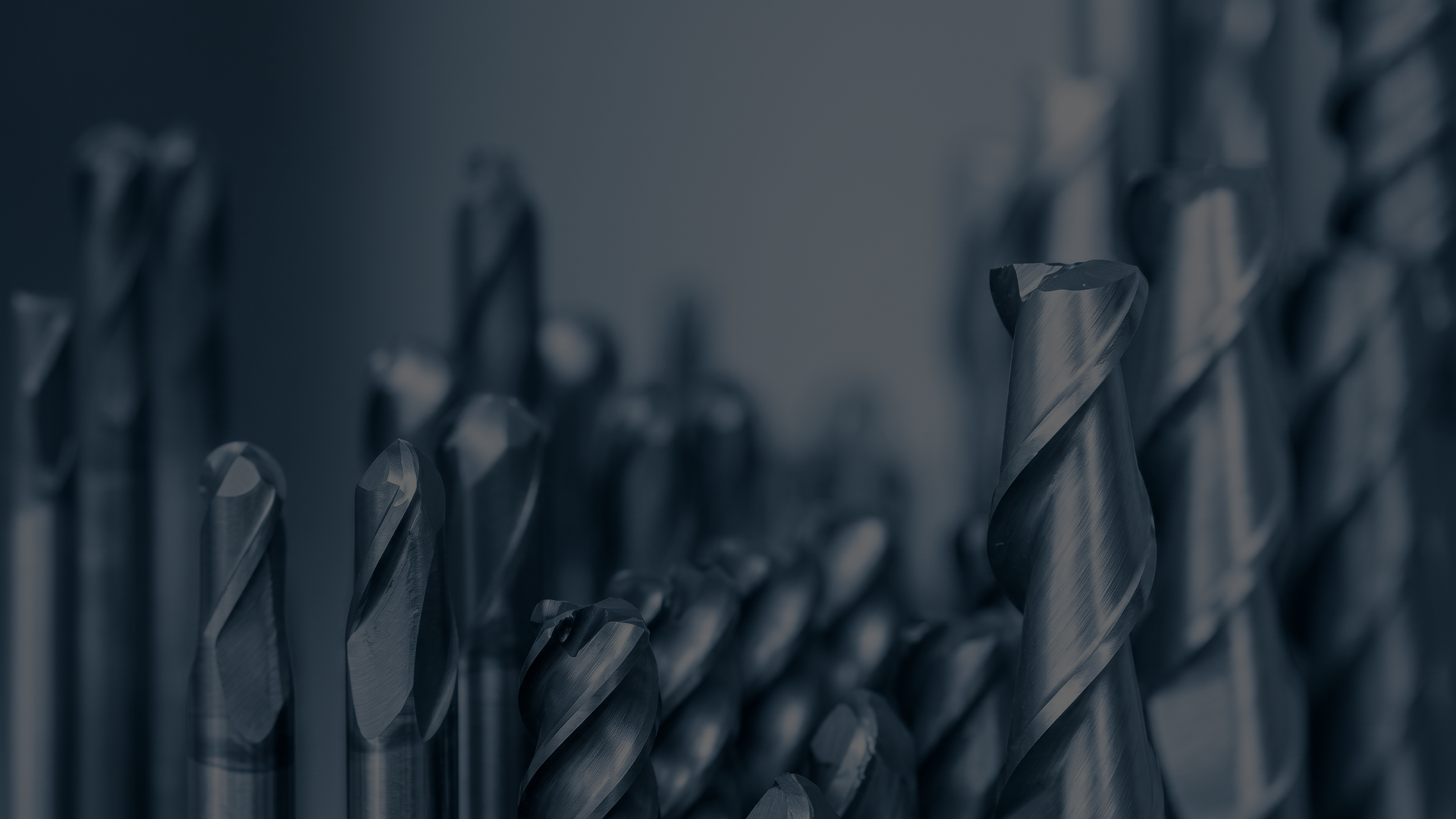
A rough end mill is used to quickly cut away a lot of heavy metal. Before a regular end mill makes the final smooth cut, this tool gets rid of the big pieces of waste.
Its wavy edges cut up thick metal shavings into small chips. This keeps the CNC machine from getting stuck with long chips and makes the cutting pressure on the tool much lower.
A rougher has rough teeth that quickly rip through metal, leaving a surface with some grooves. A finishing end mill has smooth blades that make the last pass clean and flat.
Not really. Because the edges of a rough end mill are wavy, they always leave small ridges on the metal they cut. For an accurate, flat finish, you must then use a smooth cutter.
Shops use “corn cob” to refer to a rough end mill. Professional machinists give it this name because the cutter’s wavy, uneven teeth look like corn kernels on a cob.
Yes. For aluminum, you should use a rough end mill that isn’t coated and has wide flutes. To keep the soft, sticky aluminum from melting and packing into the teeth.
If the steel is up to HRC68, you need a solid carbide rough end mill with a dark finish that can handle heat, like TiSiN. For these tough metals, fine-pitch teeth work best.
Sure. Cast iron is extremely abrasive and produces a lot of friction. The carbide is shielded from wearing down too quickly against the hard outer crust by a thick covering.
Yes, but you need to keep the heat down. The cutting makes stainless steel hard very fast. This is easy for a solid carbide rough end mill to do because it breaks up the chips before they get too hot.
Because carbide is harder and more heat-resistant, you can run machines more quickly. But HSS rough end mills are less brittle and perform well on unsteady, older machines.
A rough end mill is usually run at a faster feed rate than a normal cutter. The teeth can cut through metal faster without breaking because they take small, broken bites.
As long as the material and tool width are right, high-quality solid carbide roughers can safely cut a depth that is 1.5 to 2 times their own diameter in one pass.
For aluminum and standard steel, heavy coolant clears the chips. For very hard steel, high-pressure air is often better so you don’t crack the hot carbide with cold liquid.
Only if it is center-cutting. Most current rough end mills have center-cutting tips that let them drill down straight, but it is always safer for the tool to ramp in at an angle.
The tool core can break, or the spindle will stall if it is pushed beyond its limit. Always stick to the feed and speed charts that are given to you for the medium you are working with.
For aluminum and other soft, sticky metals, use 3 flutes to leave room for chips. For tough steel, use 4 to 6 flutes to make the core of the tool stronger.
Deep waves on coarse-pitch roughers make it easy to remove soft metals quickly. Fine pitch roughers with smaller waves are suitable for heavy, harder metals where tool strength is most important.
Mold-making makes extensive use of ball-nose rough end mills. The round tip is ideal for rapidly removing curving cavities, slopes, and deep 3D bowls from heavy steel blocks.
A perfectly square bottom is left by a sharp flat corner, but it chips more easily. When the tip strikes hard steel, it is protected from shattering by a tiny chamfer.
Yes. The tool’s desire to bend increases with the cutting reach. In order to maintain the tool’s stiffness and prevent breaking, Hanöki constructs extended-reach rough end mills with a thicker back neck.
If you hear loud chatter, the machine is shaking. It’s likely that the spindle is moving too quickly or the tool is not being fed hard enough. To keep the cut stable, change the feed rates.
Chipping generally happens when the carbide is too weak and cheap, or when you cut over old chips that didn’t wash off. Make sure there is a lot of coolant flow.
Check the space between your chips. As you dig a deep hole, you have to keep flushing it with air or high-pressure coolant. Any tool will break quickly if chips get stuck in it.
Listen to your machine. A dull, rough end mill sounds like it’s grinding instead of cutting. Along with heavy burrs on the metal edges, the spindle load indicator will show a spike.
Material has a big effect on lifespan. It’s possible to use a Hanöki rough end mill cutting soft aluminum every day for weeks and still hardly break. For HRC68 steel, the number of hours of cutting time is used to measure tool life.
How to Pick the Right Rough End Mills for Your Job
If you choose the wrong rough end mill, it will not only waste your money, but it could also stall your spindle or damage a heavy block of raw material. There is a fine-pitch rough end mill with tight flutes that will not work through soft, sticky aluminum. The metal will melt and pack into the teeth very quickly. It will stop cutting, get stuck, and finally break. While using an uncoated cutter on a hard block of cast iron will cause the sharp edges to burn up and break on the first deep pass.
Making sure the tooth shape and covering of the tool are always right for the metal on the CNC table is very important. If you want soft metal, pick a bright, uncoated rough end mill with wide waves that makes it easy for the big, messy chips to get off. You need a fine-pitch rough end mill with a dark, heat-resistant covering if you are cutting through tough alloy steel. This keeps the raw carbide from getting too hot and spreads the heavy shock across more teeth. Just taking a minute to get the right tool keeps your production going safely and keeps your machine from being abused.