


Leading Cutting Tools Manufacturer in China
- Same cutting results across different production batches
- Covers drilling, milling, turning, and threading operations
- Long-term supply support for distributor repeat orders
- OEM and private label orders accepted
- Small order quantities supported with stocked items
- Quick dispatch for urgent restocking demands
What Are Cutting Tools?
Cutting tools are tools used to remove material from a workpiece in order to create a specific shape or size.
This material removal process is a core part of metalworking and machining operations.
Different machining operations require different types of cutting tools, such as tools for drilling, milling, turning, and threading.
Selecting suitable cutting tools directly affects machining accuracy, efficiency, and overall production cost.
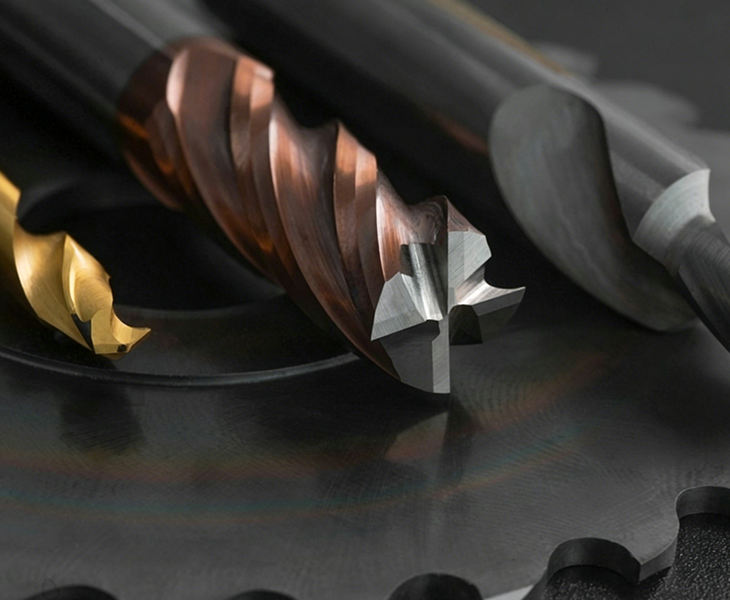
Cutting Tools Designed for Consistent Production
In actual machining, the stability of cutting tools plays a key role in production results.
Common issues include unstable tool life, inconsistent quality across batch production, and supply delays that affect production planning.
Hanöki cutting tools are developed for batch production, with stable and repeatable performance across multiple common machining methods, helping reduce the cost of tool selection and frequent replacement.
Backed by application-focused experience, Hanöki provides cutting tool selection support based on machining operations, materials, and real usage conditions.
For distributors and brand owners, Hanöki offers OEM and private label options to meet different market requirements.
Structured communication and timely order handling further help reduce uncertainty during sourcing and replenishment.
Cutting Tools Product Categories
Explore the cutting tool categories below to identify suitable options for your application.
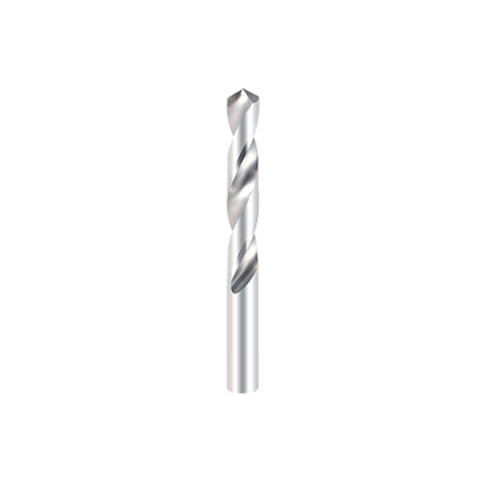
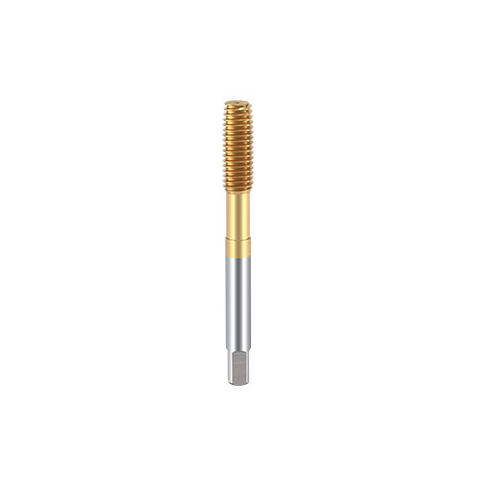 Tap Tools
Tools used to cut internal threads in pre-drilled holes for metalworking applications.
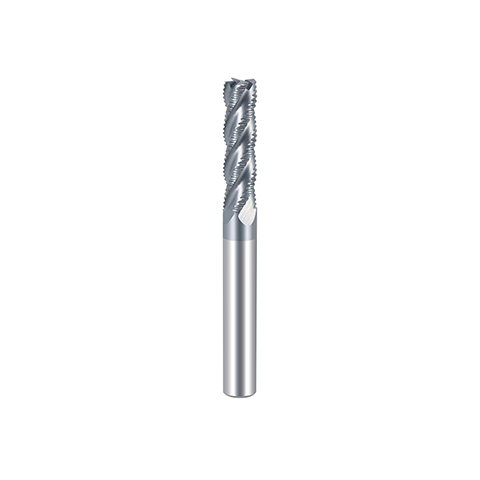 Thread Milling Cutters
Indexable inserts used for external and internal threading on lathes.
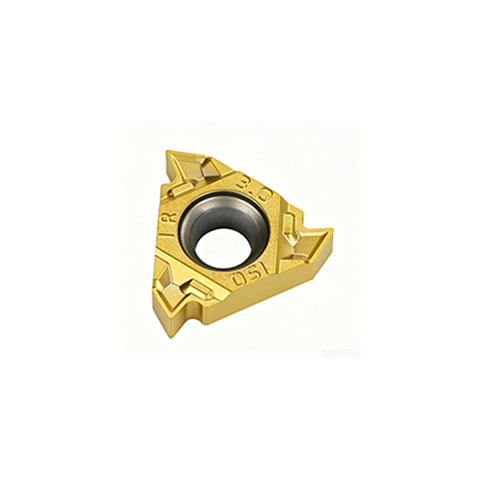
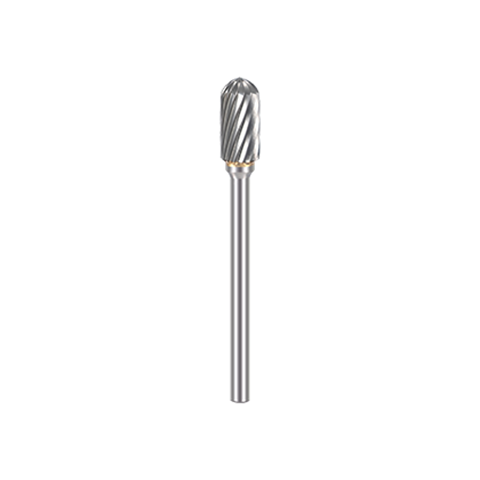 Carbide Burrs
Rotary cutting tools used for deburring, shaping, and surface finishing.
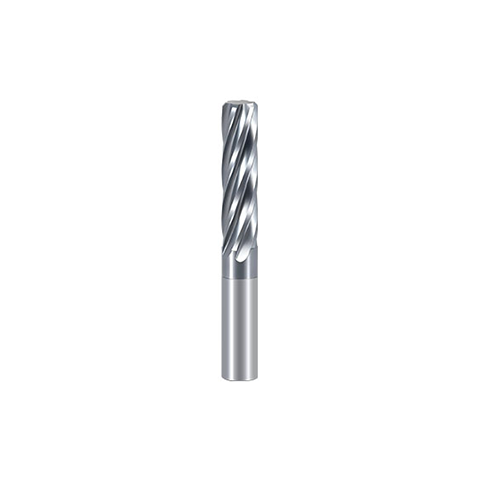
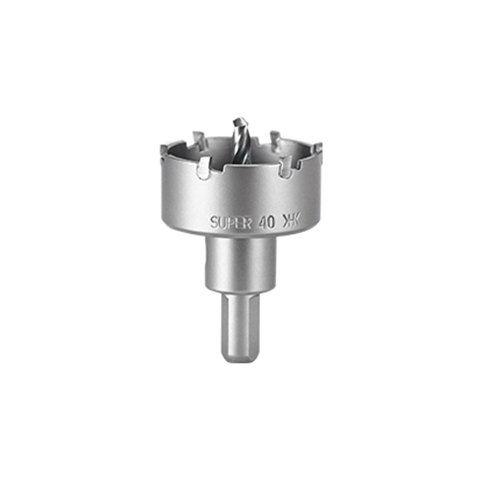
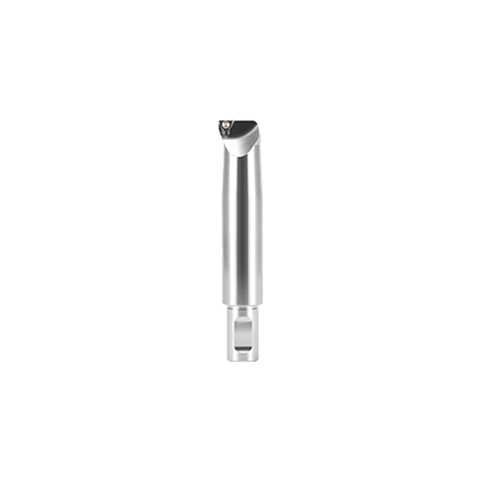 Boring Tools
Tools used to enlarge, finish, or improve the accuracy of existing holes.
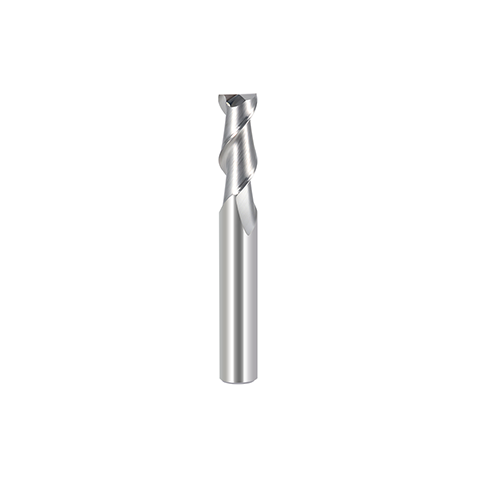 Milling Cutters
Cutting tools used for slotting, profiling, and surface machining operations.
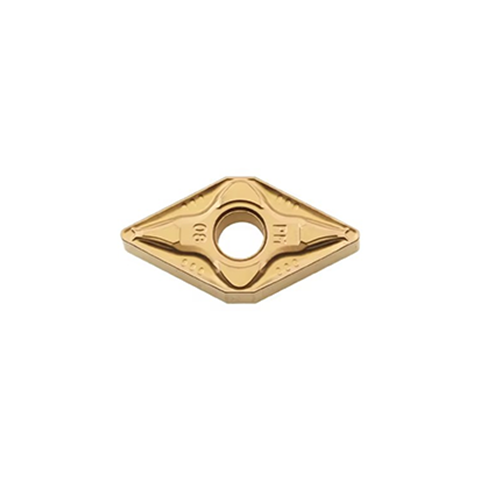 Indexable Inserts
Replaceable cutting inserts used in turning, milling, and boring applications.
Why Choose Hanöki Cutting Tools
Our cutting tools don’t chatter or vibrate even at high RPMs because they are made with ultra-fine micro-grain carbide and dynamic balance. This makes sure that the surface is as smooth as a mirror and that the measurements are correct, so there is a lot less need for extra polishing or rework.
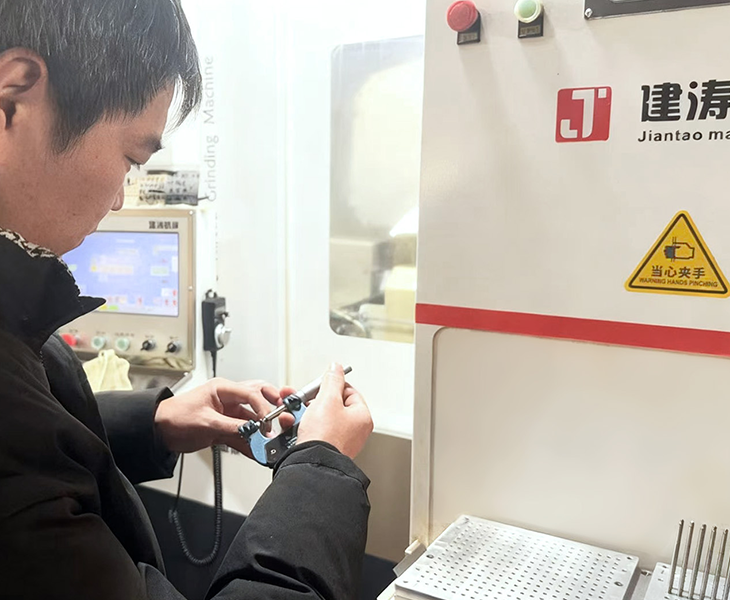
Every batch has the same performance measures because they are made on fully automated 5-axis CNC lines with in-process laser inspection. The cutting tool’s life is reliable and predictable, so it doesn’t break down when you least expect it, and you can confidently plan repair cycles.
Our cutting tools make sure that the uniformity between batches is very high because they control the diameter and runout to within ±0.005mm. This lets workers change tools quickly with few offset adjustments, which cuts setup time and machine downtime by a large amount.
Our flexible tool shapes and coatings are designed to work best with a wide range of rigidity levels, no matter if you use high-end 5-axis machining centers or older manual machines. This lets you get the most out of the equipment you already have without having to buy any extra upgrades.
Our High-Performance line raises Material Removal Rates (MRR) by 30 to 50 percent. This is done to lower your total cost-per-part. Our tools are the best way to cut down on cycle times in high-volume manufacturing projects because they are so efficient and we offer competitive bulk prices.
No need to guess which tool to use. Our senior application engineers quickly give you data-driven advice based on your unique materials and drawings. This makes sure you choose the best tool solution to solve your machining problems right away.
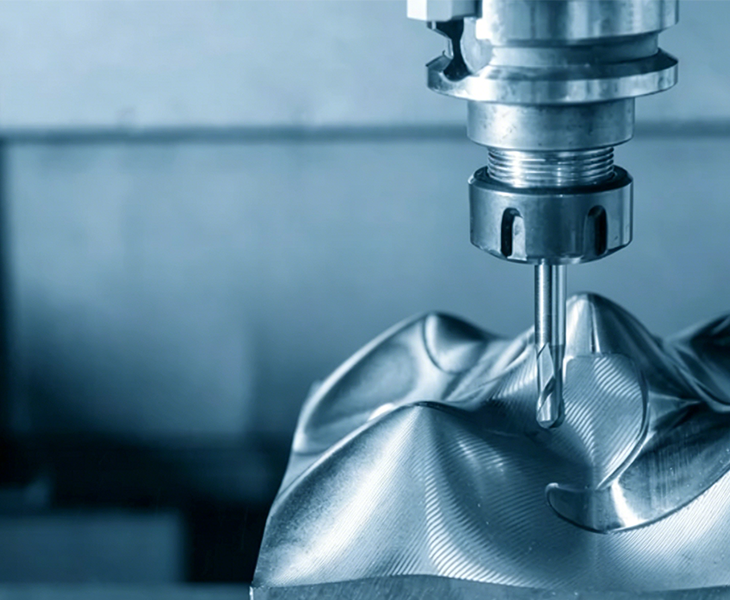
Consistent Tool Performance for Batch Production
Unpredictability is the enemy of making a lot of things. Our cutting tools are made on fully automated 5-axis CNC lines that have strict in-process laser checking. This makes sure that every drill and end mill in a batch is geometrically the same to within 0.005mm. This high level of repeatability makes it possible to change tools without much trouble and with only minor offset tweaks. This ensures the predictable tool life and stable cycle times that are needed in automated or “lights-out” production settings.
One-Stop Factory Source for Distributors
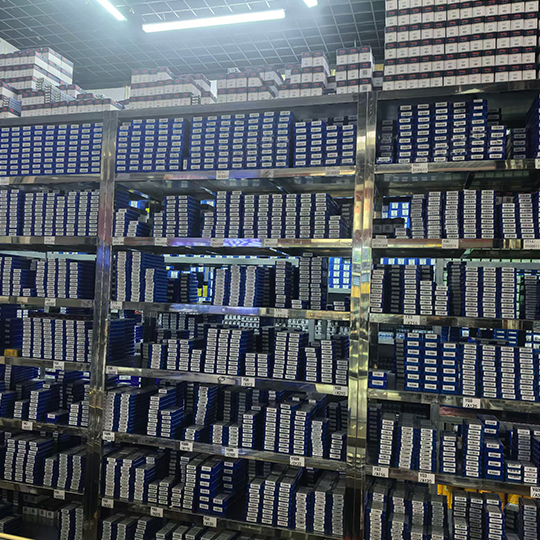
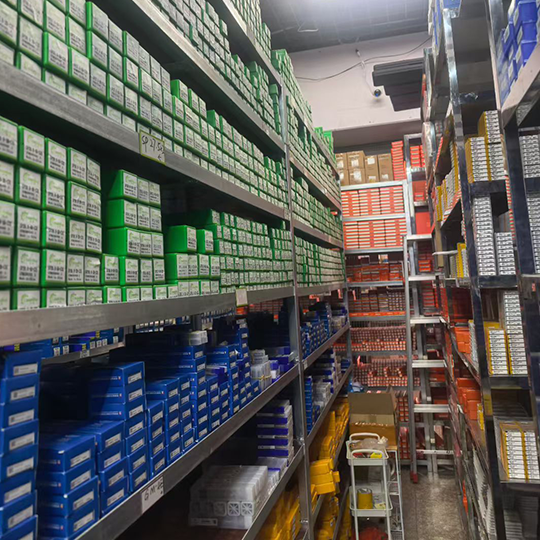
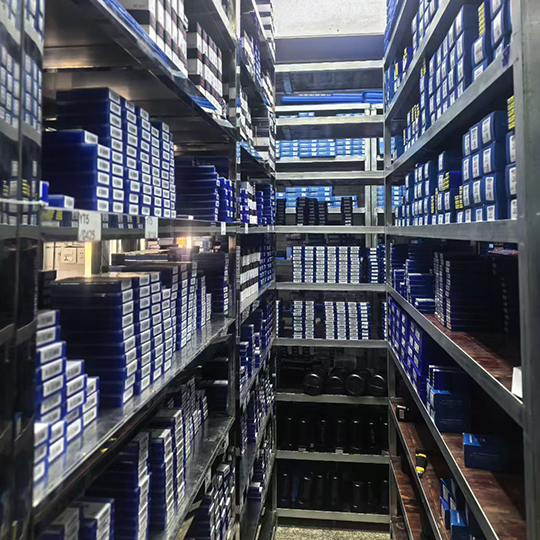
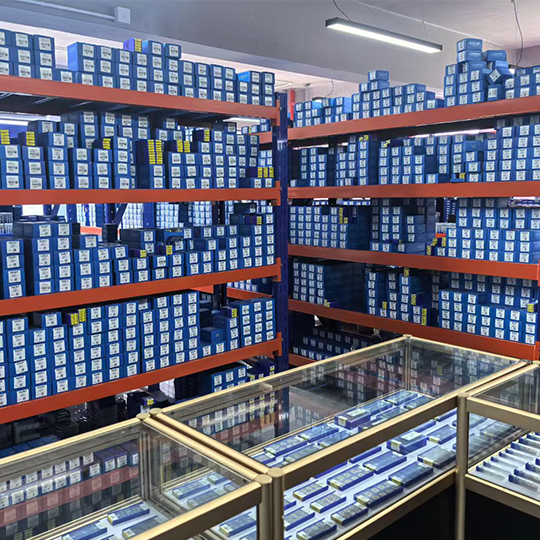
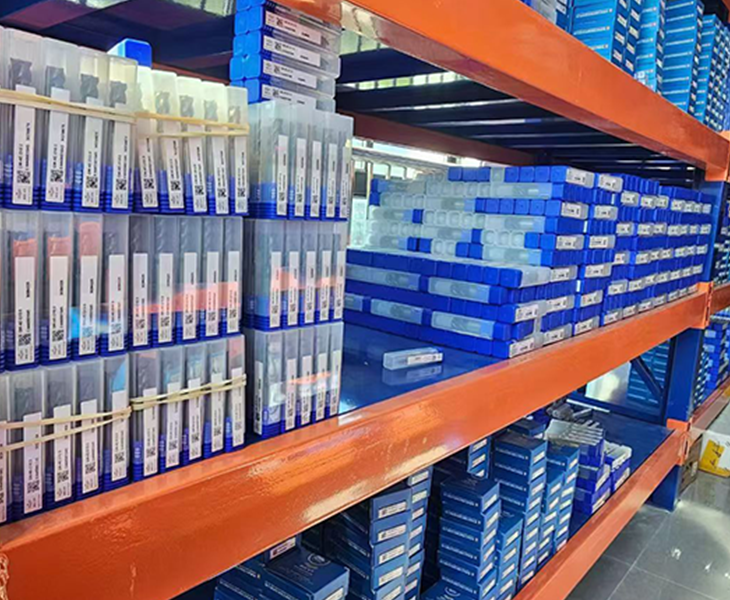
As a direct factory, we provide a complete range of cutting tools—including drills, end mills, and hole-making tools—all in one place. This “One-Stop” solution helps distributors save time and money by avoiding the hassle of managing multiple suppliers. We maintain a large stock to ensure fast shipping and offer flexible OEM services, allowing you to easily put your own brand on our high-quality tools with low minimum order quantities.
OEM & Custom Cutting Tools Based on Drawings
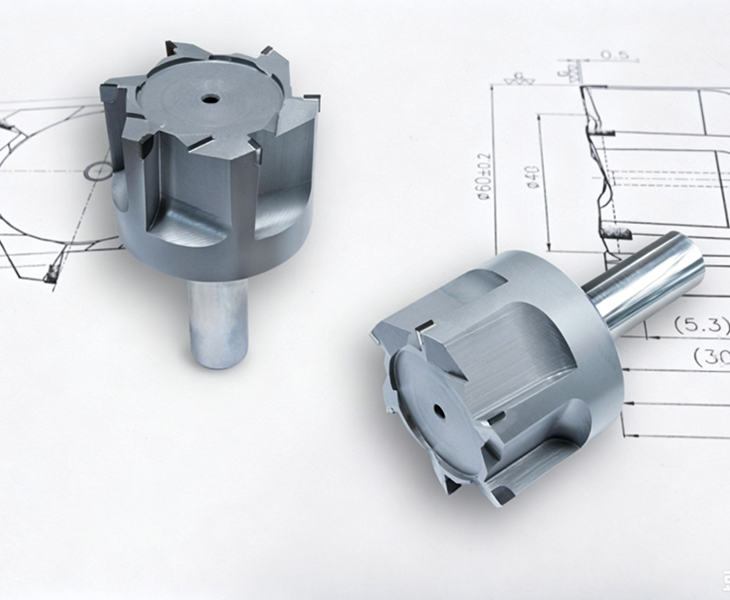
When normal tools can’t meet your production needs, our OEM and Customization service is the best way to go. We make non-standard, high-precision tools right from your CAD/PDF files or samples. Our experienced engineering team looks over every design to make sure that the cutting shape and coating choices are the best ones for the material being used. We can give you exact tolerances, whether you need complicated step drills, forming cutters, or special end mills, because we use modern 5-axis CNC grinding. Through low Minimum Order Quantities (MOQ) and quick turnaround times, we help you quickly and cheaply solve your unique machine problems.
Technical Support That Actually Solves Problems
We don’t just sell cutting tools; we offer a dedicated engineering partnership. Our team of 10 senior technical engineers is always ready to help you figure out what’s wrong with your machine, whether you need to get rid of chatter, fixing broken tools, or making sure that Speeds and Feeds work best for tough materials. To make sure your production lines never stop, we offer a quick response within two hours. From helping you choose before you buy to fixing problems after the sale, we’re here to help with detailed technical reports and training materials that give you expert solutions that really work to fix your problems and make your business more efficient.
Why Hanöki is Your Stable Long-Term Partner

Hanöki offers the reliability and size needed for long-term progress, backed by more than 30 years of experience in the field. Our 25,000 m² manufacturing factory has 5 production bases, more than 20 advanced CNC machines, and more than 500 skilled workers. It can handle any order number in a consistent, repeatable way. We help you be flexible in the market by having low minimum order quantities, a huge inventory for fast delivery, and a lot of OEM/ODM customization options so you can make custom tools straight from your drawings. In addition to the product, our team of 10 senior technical engineers is your dedicated problem-solving unit. They promise a two-hour rapid response and full technical training to make sure that your activities never have to stop.
Cutting Tools Solutions for Common Machining Challenges
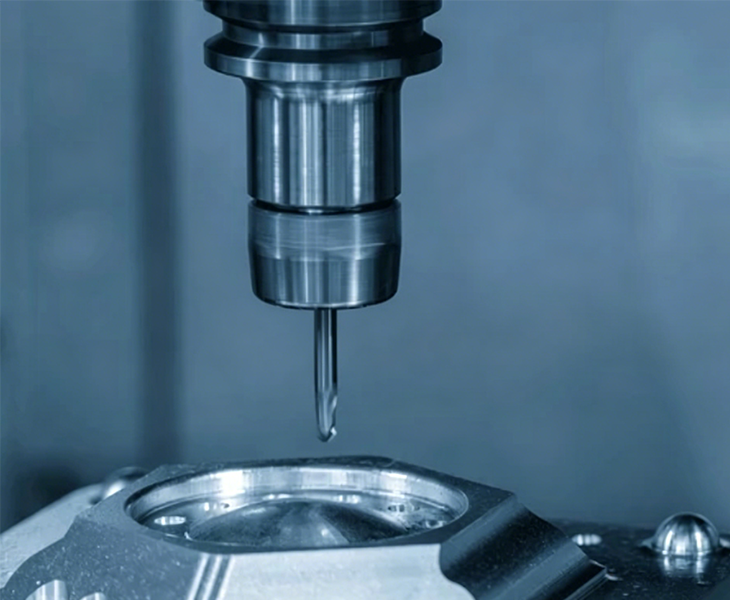
In continuous cutting operations, tool wear is a common challenge that directly affects productivity and cost.
Excessive wear can lead to unstable cutting performance and frequent tool changes.
Hanöki cutting tools, designed for repeatable performance, help maintain stable machining results during long production runs and batch processing.
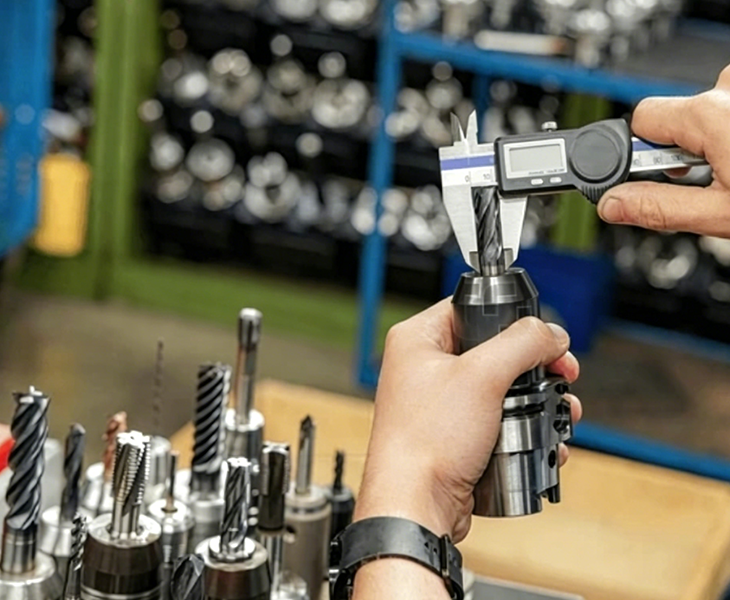
Achieving accurate and consistent holes is critical in many machining operations.
Issues such as diameter variation and poor surface finish often occur during drilling, boring, or reaming processes.
Hanöki cutting tools developed for hole machining help improve dimensional accuracy and ensure more consistent results across production batches.

Threading in hard materials places higher demands on cutting tool stability.
Problems such as tool breakage and inconsistent thread quality are common during tapping or thread milling.
Threading tools designed for stable cutting help achieve reliable thread formation and reduce machining risks in demanding materials.
Cutting tools are precision instruments that have been hardened and are used in machining to take material from a workpiece by shear deformation. Good cutting tools, which are usually made of Tungsten Carbide or High-Speed Steel (HSS), are needed to shape raw metal into finished industrial parts.
In subtractive production, cutting tools are used to make things. To follow exact engineering plans, they make features like holes (drilling), flat surfaces with slots (milling), or cylinder-shaped shapes (turning).
Modern cutting tools are very flexible and can work with many different materials. Iron-based metals like Carbon Steel, Stainless Steel, and Cast Iron are examples of ferrous metals. Non-ferrous metals and materials like Aluminum, Copper, Titanium, and even designed plastics or composites are also examples.
Cutting tools can be classified into three main groups based on how they move and their shape: Milling Tools (including End Mills and Face Mills), Hole-Making Tools (including Drills and Reamers), and Turning Tools (including Inserts and Lathe Tools).
To make round holes, drilling cutting tools move axially. Milling tools cut flat areas or curves by moving in a circle. To make cylinder forms, turning tools stay still while the workpiece spins.
There are three things that affect the choice of cutting tools: the Workpiece Material (how hard it is), the Type of Operation (roughing vs. finishing), and the Stability of the Machine. For cutting hard metals, coated solid carbide tools are best. For everyday use, HSS may be enough.
Cutting tools for CNC machines need to be very strong and able to handle high RPMs and heat. If you want your CNC equipment to work as quickly and efficiently as possible, you should choose Solid Carbide cutting tools with modern coatings like AlTiN.
Rigidity is usually smaller for machines that are run by hand. High-Speed Steel (HSS) cutting tools are often better than carbide ones because they are stronger and less likely to break when used by hand in uncertain situations.
When cutting steel, the best cutting tools are made of Micro-Grain Carbide that has been coated with TiAlN or TiCN. The thermal resistance of these coatings is what is needed to handle the heat that is made when cutting ferrous metals.
Since stainless steel gets hard quickly, you need cutting tools with sharp edges and a lot of heat protection. To stop vibration and edge growth, we suggest Variable Helix cutting tools that are coated with AlTiN or nACo.
There are “General Purpose” cutting tools, but they are not the best. When cutting metals, like aluminum and steel, it is always best to use cutting tools that are made for that specific material. This way, the tools will last longer and work more efficiently.
Cutting Speed (RPM), Feed Rate, Cooling method, and Machine Rigidity are the main things that determine how long cutting tools last. The most common reason why cutting tools break too soon is that the settings are not set correctly.
Keep tool runout below 0.01 mm, make sure the clamps are tight, and make sure you carefully follow the manufacturer’s recommended Feeds and Speeds (F&S) for your specific cutting tools.
Cutting tools normally wear out quickly when they get too hot (speed is too high), abrade (coating failed), or chip (feed is too low or vibrations are too strong). Looking at the trend of wear can help figure out what’s wrong.
When the “Wear Land” on the cutting edge goes over 0.2mm to 0.3mm, or when you hear high-pitched noise (chatter) and see that the part’s surface finish is getting worse, you should get new cutting tools.
When looking for manufacturers, distributors should look for ones that offer consistent quality, a large selection, and technical help. Cutting tool suppliers you can trust will also protect your market area and offer competitive margins.
Yes. We make custom cutting tools right from your CAD models or PDF prints, which is what we do best. Our engineering team looks over the plan to make sure it can be made and works well.
We have flexible options. Most cutting tools that are kept in stock have a very low MOQ. When you place a unique OEM order, we help you figure out the best batch size for your production needs.
Yes, we offer a wide range of OEM services. Your brand name can be laser-etched onto the shanks, and you can use your own packaging. This lets you make your own line of high-quality cutting tools.
Our cutting tools are made on fully automatic lines that have lasers that check the work as it’s being done. This makes sure that, within micron-level errors, every tool in a batch has the same diameter, runout, and shape.
Of course. Ten top engineers on our team are here to help you choose the best cutting tools for the job by giving you advice on geometry, coating, and cutting parameters.
We ship standard things right away from our huge inventory. Our streamlined manufacturing method for custom cutting tools lets us get them to you quickly so that your production stays on schedule.
Yes, we can put together sets of cutting tools for you, like drill sets or end mill kits. A lot of distributors and tool cribs choose this choice.
Yes. To help your team learn how to use our cutting tools, we give our partners a lot of digital resources, such as technical drawings, usage videos, and troubleshooting tips.
You will get the best price-to-performance ratio if you buy straight from a factory like Hanöki. You also get direct access to technical customization and quality control, which is something that trade companies can’t promise when it comes to cutting tools.
Common Mistakes in Cutting Tool Selection
Choosing the right cutting tools has a direct effect on the quality, speed, and cost of machining. A lot of problems in production aren’t caused by machines, but by picking the wrong tools.
Here are some mistakes that people often make when they are making.
Choosing tools only by price
When you only look at the unit price, the real cost is often hard to see.
Short tool lives and having to be replaced often raise the cost per part quickly and cause downtime that isn’t needed.
Ignoring workpiece material differences
The material being made has a lot to do with how well the tool works.
If you use a tool that works well on one material on another, it might break or wear down quickly.
Using the same cutting tool for different operations
When used for one type of work, a tool might not last long when used for another. When you drill, mill, or thread, the tools you use need to be designed in very different ways. Drilling tools are designed to get rid of chips and keep holes stable. Milling tools are made to handle cutting loads that come and go. And threading tools need precise geometry to keep thread accuracy.
To keep the machining process steady, choose tools that are made for that specific job.
Overlooking batch consistency requirements
If a cutting tool works well on a single sample, it might not work as well when used in a lot.
When machining continuously, consistency is more important than one-time performance.
When tool geometry or coating isn’t the same from batch to batch, it can make machining results uncertain, especially for OEM and long-term orders.
Not considering real application conditions
A lot of cutting tools are chosen based on what they think will work best.
Once it’s used on the shop floor, things like machines that aren’t very rigid or coolants that don’t stay stable start to affect performance.
This is a common reason why cutting results aren’t stable.
Skipping tool selection support
People often make the mistake of not including tool selection support at all.
Without an application review, picking the right tool is often a matter of trial and error, which makes the sampling and setup steps longer.
Most of the time, these problems could have been found earlier by talking about basic applications.