


Why Choose Hanöki HSS Taps
- Tough Anti-Break DesignMade to last, so they won’t break inside your pricey parts.
- Perfect Bolt FitIt makes threads that are smooth and clean, so bolts fit right away.
- Long-Lasting SharpnessGood steel stays sharp for a lot longer, even through heavy daily work.
- Direct Factory PricesBuy straight from our factory and get wholesale prices.
- Fast Global ShippingWe keep a lot of taps in stock so we can ship them quickly.
- Strict Quality ChecksOur expert shop tests every tool very carefully.
What Is a HSS Tap?
You can’t just screw a bolt into a block of metal that has a plain, round hole drilled in it. In order to make the circular lines that match inside that hole, you need a tool that does just that. A tap looks a lot like a heavy-duty screw, but it has deep holes on the sides and sharp teeth that cut. When you twist the tap down into the hole, its sharp edges cut threads into the metal walls at exact intervals. There are also deep grooves that let the metal chips slide out safely. This keeps the hole clean and keeps the tool from getting stuck.
“HSS” stands for “High-Speed Steel,” which is the best metal for turning things this much. It gets very hot when you cut threads into solid metal because of the pressure. HSS is treated in a special way that keeps it hard and razor-sharp even when it gets very hot, while regular steel would soften and lose its edge very quickly. It’s also naturally tough. When a machine shakes or pushes too hard, an HSS tap can handle the stress instead of breaking. Because of this, it is the reliable, all-day worker of the machine shop, always ready to cut straight, clean threads without any problems.
HSS Taps by Flute Shape
You will make metal dust and chips when you cut a thread. The tap’s form tells the tool where to send that waste so it doesn’t get stuck.
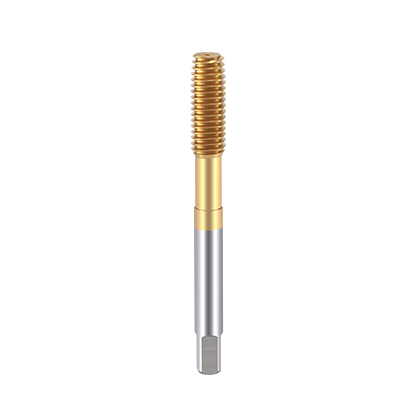 Straight Flute Taps
The standard. The lines are straight as a board. Mostly, people use them to tap metal by hand or do easy jobs where the hole goes all the way through the metal.
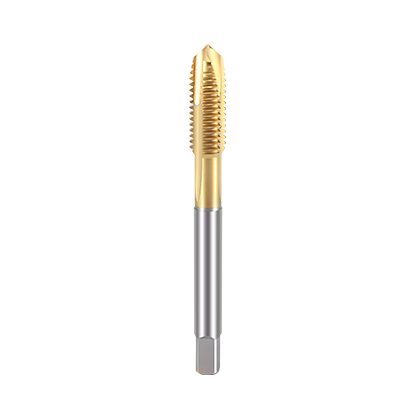 Spiral Point Taps (Gun Taps)
These are shaped in a certain way at the tip so that the metal chips go straight down and out of the hole. They’re strong and quick, but they can only be used on holes that go all the way through the part.
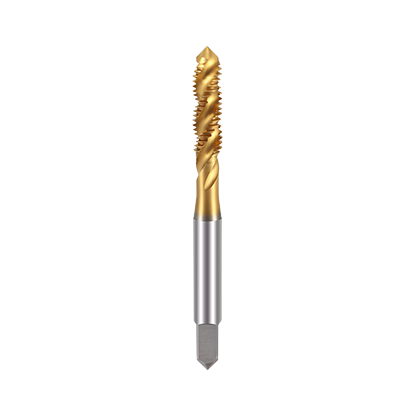 Spiral Flute Taps
Much like a drill bit, the lines twist around the tool. The metal chips are picked up and pulled out of the hole. When you need “blind holes” (holes that stop halfway through the metal), these are the best choice.
HSS Taps by How They Work
Some taps don’t cut the metal when they work. It depends on how soft the metal is.
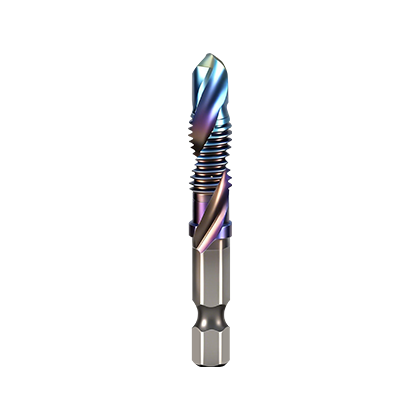 Cutting Taps
These taps have very sharp teeth. They bite into solid metal, slice it away, and create chips. They are perfect for hard steel and iron.
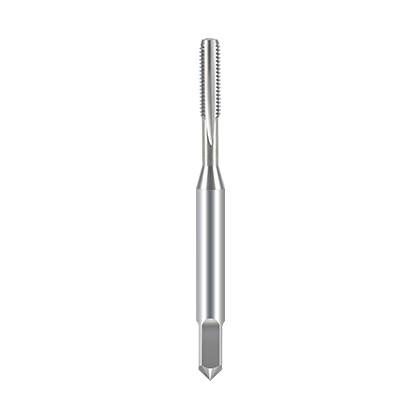 Forming Taps (Roll Taps)
These taps have no sharp edges. Instead of cutting, they smash and press soft metals tightly into thread shapes, leaving zero chips to clean up.
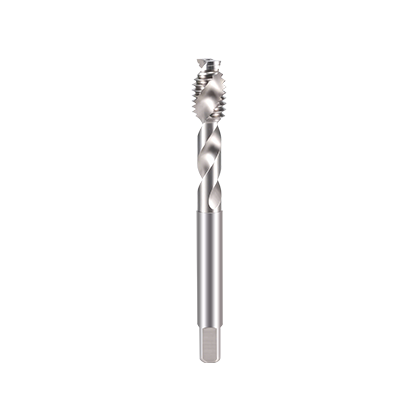 Aluminum Taps
Aluminum is very sticky. Normal taps get clogged fast. These have extra sharp edges and polished grooves so gummy chips slide out without breaking tools.
Why Choose Hanöki HSS Taps
Snapping a tap inside a nearly finished part is the worst thing that can happen in a shop. Our HSS faucets are made extra tough by using heat to make them extra tough. They can handle a lot of twisting force and shocks without breaking.
A bad tap leaves behind metal that is rough and torn. Our teeth for cutting are ground very fine so they cut through metal neatly. This makes the threads completely smooth, which means that your nuts will always screw in easily.
A lot of metal dust and chips are made when you cut threads. The holes in our taps are deep and smooth, so they can grab that messy trash and move it out of the way. This keeps the hole clean and keeps the tool from getting stuck.
We make these drilling tools right here in our own factory. When you work with us, you don’t have to deal with any of those expensive agents. Professional tools that are built to last are sold to you at real market prices.
Before they are put in a box, we test and measure our tools very carefully. If you buy a Hanöki tap today, it will cut the same way as if you bought it next year. There are no bad shocks, and everything stays the same.
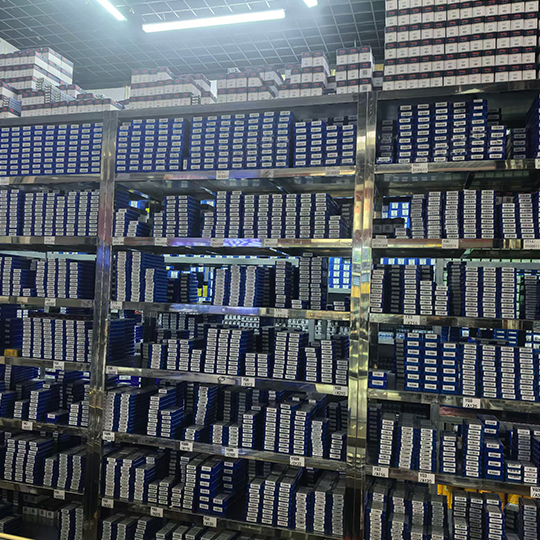
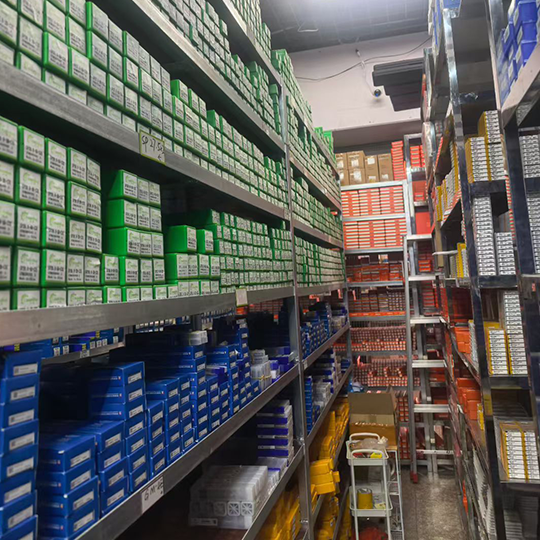
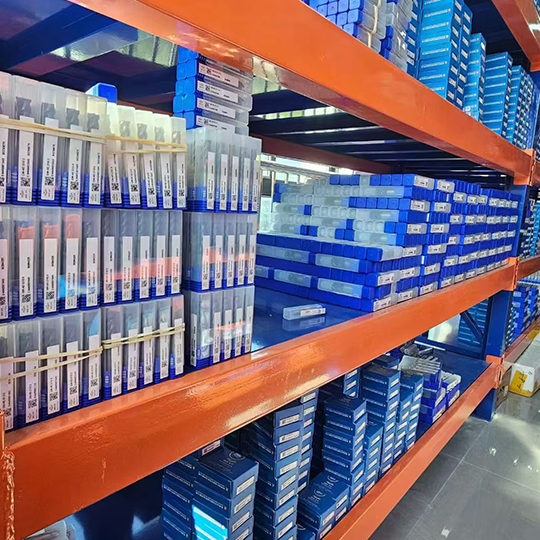
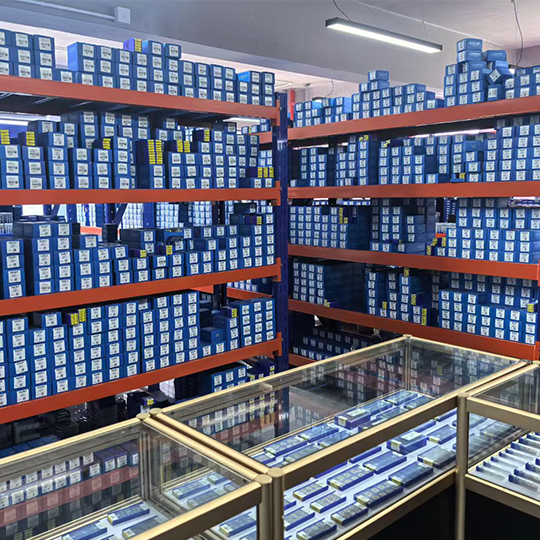
While you wait for tools, the machine that isn’t being used costs you money. Over a thousand common taps are always in stock on our shelves. They have been highly oiled, are safely packed in plastic tubes, and are ready to be sent right to your door.
A Perfect Bolt Fit Every Time
When you are making a lot of parts every day, each hole has to be the same. With great care, our HSS taps are ground to exact sizes. This means that the afternoon thread you cut will be just as good as the morning thread you cut. There won’t be any rough spots or tight spots where your bolts don’t fit right.

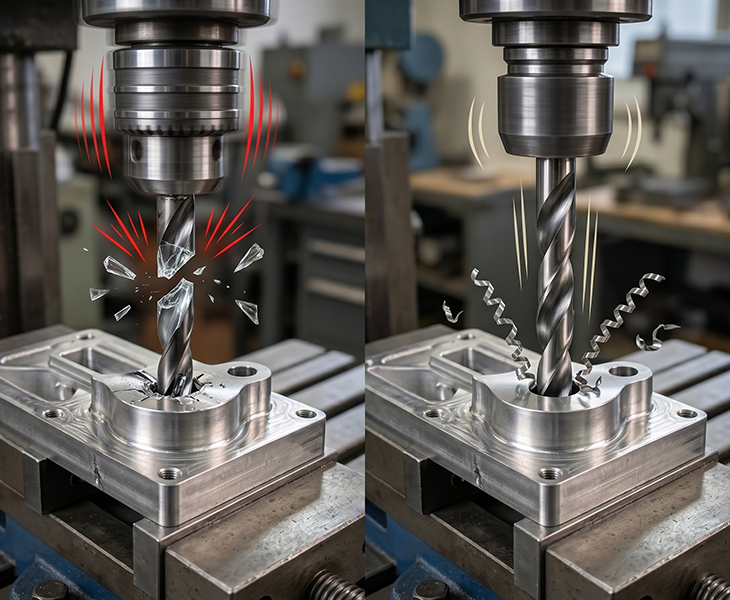
Tough Enough to Stop Breakage
Carbide tools are very strong, but they are also very fragile. If your machine shakes, they can break like glass. It’s hard to work with High-Speed Steel (HSS). Heavy twisting pressure and light machine noises don’t stop it from being used. These steps keep your costly, almost-finished parts from getting damaged by a broken tool that gets stuck in the hole.
Clears Metal Chips Safely
The metal waste getting stuck in the hole is the main reason a tap breaks. The deep holes (flutes) on our taps are made to catch those messy metal chips and move them out of the way. The hole stays clean, so the tool never gets stuck or jammed. It can either push the chips forward or pull them up and out.
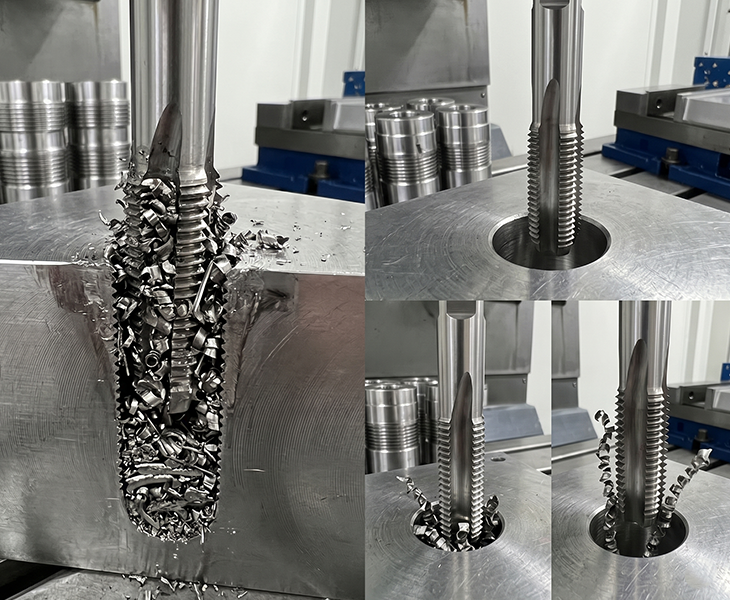
Ready for Almost Any Metal
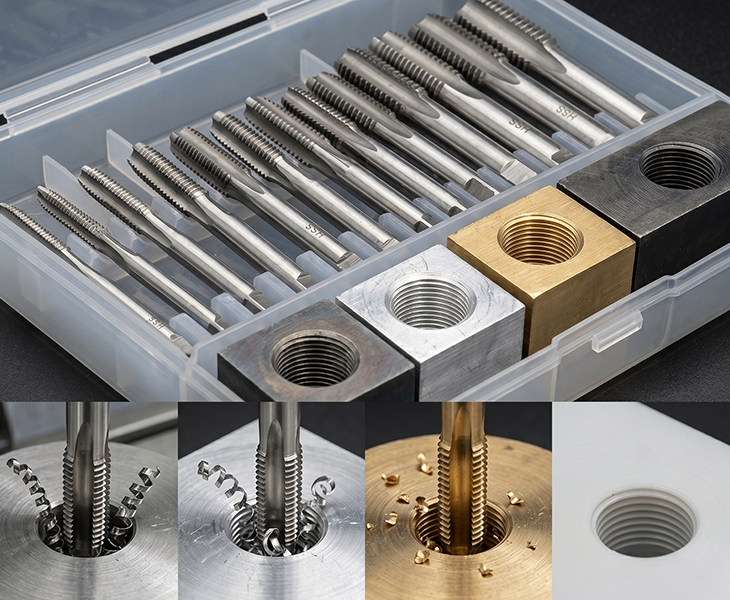
For everyday tasks, you shouldn’t have to keep looking for a specific tool. Our HSS taps are made to be used in a lot of different ways. A wide range of popular shop materials can be easily cut through by the sharp teeth. You can use these taps on normal steel, aluminum that sticks, brass, or industrial plastics, and they will give you clean, reliable threads without any trouble.
Your Trusted Direct Factory for HSS Taps

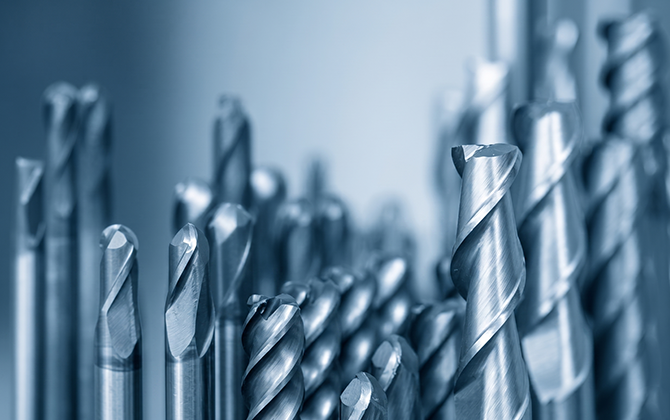
Hanöki have been making tough, dependable threading tools in our own 25,000-square-meter plant for 30 years. We have full control over the quality from beginning to end because we grind and test everything in-house on more than 20 high-tech CNC tools. Every single HSS tap that goes into a box is checked to make sure it is straight, very sharp, and ready to use.
When you work with us, you don’t have to deal with any pricey agents. Heavy-duty, professional taps are sold at prices that are true factory-direct. You lose money when your machine stops working, so we keep a huge stock of tools on hand, ready to be packed up and sent anywhere in the world right away. Need to do something hard but don’t know which tap to use? Ask. Ten senior shop engineers are here for you all the time to give you honest, useful tips on how to keep your shop running easily.
Applications of Hanöki HSS Taps
Every day in a normal job shop, machinists make different metal parts that are made to order. A lot of the time, they don’t use brand-new, $1 million CNC tools. HSS taps are the best choice for older milling tools and drill presses that are operated by hand. Since steel is both strong and bendable, it can handle small vibrations without breaking. This makes it the tool of choice for cutting threads in steel plates and metal brackets every day.
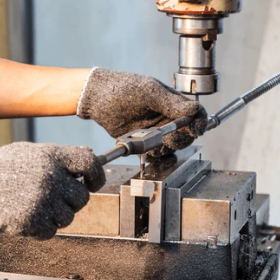
Employees often find that old threads are stripped, rusted, or broken when a heavy tractor or workplace machine breaks down. HSS taps are great for making fixes on the spot. A mechanic can quickly fix the hole by running a tough HSS tap through it with a hand wrench. It gets rid of the bad metal and leaves clean threads for a new bolt to lock into place. This gets the machine back to work quickly.
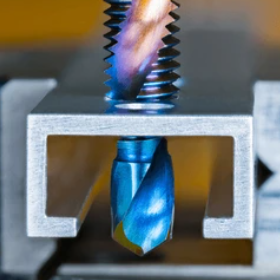
When you make industrial water pumps or oil valves that work at high pressure, the screw holes have to be perfect so the pumps don’t leak. HSS pipe taps are used to make deep, tight threads in fittings made of cast iron, brass, or stainless steel. This makes sure that when the pipe is put in, the metal will crush together to make a strong seal that keeps the fluid pressure safe.

Think about a big gear box or a car engine. There are a lot of holes in these parts for strong bolts to go through and hold the heavy metal together. Steel and metal engine blocks and other car parts are quickly cut with HSS taps in factories. The car assembly line keeps going because HSS taps stay sharp and safely push metal chips out of the way. This means that workers don’t have to stop and fix broken tools.

High-Speed Steel is what HSS stands for. An HSS tap is a strong metal instrument that has been heat-treated to cut screw threads into a drilled hole so that you can screw a bolt into it.
Carbon steel taps are very cheap, but they wear out quickly and break easily when you try to use them. There is a lot of heat and friction in HSS taps, which is why skilled machine shops always use them.
Carbide is very hard, but it breaks easily, like glass. If your machine shakes, it will break. HSS is stronger and can handle those vibrations better, which makes it safer for older tools and everyday shop work.
The marks tell you the exact pitch and size of the thread. In this case, “M8 x 1.25” means that the thread is metric, 8 mm wide, and there are 1.25 mm between each peak.
Not at all. High-Speed Steel is naturally tough and flexible, so you can use these tools on CNC machines, older milling machines that you have to hand-tune, or even just by hand with a tap wrench.
When you point the tip of this tap at something, it makes the metal chips shoot forward and out the bottom of the hole. For “through holes” that go all the way through the metal block, this is the best pick.
For tapping a “blind hole” (a hole that stops halfway through the metal), use this. The bent flutes work like a drill bit to pick up the messy metal chips and pull them up and out.
This is a simple, everyday tap. When you tap on it by hand or cut through hard materials like cast iron, the metal turns into dust instead of long chips.
It works great on metals that are soft and stick together. Cutting tough steel, on the other hand, needs a covered tap like bright gold TiN. This keeps the tool safe from high heat and makes it last a lot longer.
The metal is smashed and pressed into a thread shape by a making tap instead of being cut. It makes a very strong thread with no metal chips, but it can only be used on soft metals like aluminum.
A certain size of “tap drill” must be used. The tap will get stuck and break if the hole is too small. The threads will be weak if it’s too big, and the bolt will come loose. Tap charts should always be checked.
It is different for each metal. High speeds can be used to tap soft metal. The machine has to be run much more slowly on tough steel so the tap doesn’t burn out and lose its sharp edge.
Of course. Cutting threads makes a lot of pressure. Not long ago, I used some good tapping oil to cool down the HSS tool and get rid of the chips. Now I have a smooth thread.
Yes. HSS is great for workers who need to fix a stripped hole with a hand wrench because it is strong and doesn’t break easily.
If you use a drill press, always start the tap with a guide block. If you put the tap in at an angle, the threads will break and the bolt won’t sit flat.
Yes, but stainless steel is strong and gets even stronger when you cut it. It’s best to use a coated HSS tap made just for steel jobs and to go slowly. Have plenty of heavy cutting oil on hand as well.
It works great. Aluminum is sticky and soft, but HSS can be ground to a very sharp edge that cuts through it easily without melting or getting stuck in the tool.
Not often, no. If the steel has been heated and is very hard (HRC50+), it will damage the tip of an HSS tap right away. For that job, you need a solid carbide thread tool.
Yes. Cast iron is very dusty and breaks up into small, fine pieces. This can be done with a regular straight flute HSS tap, but the rough iron will wear the tool down a little faster than regular steel.
Yes, very well. To keep the plastic around the tool from melting, make sure the tap is very sharp and run it slowly.
Most of the time, it’s because you bored the starting hole too small, didn’t use cutting oil, or metal chips piled up at the bottom of a blind hole and stopped the tool from moving.
Most of the time, you can’t drill out HSS because it is made of solid steel. To carefully grab the flutes, you need to use a “tap extractor” tool or an EDM machine to burn it out with electric sparks.
Most of the time, a rough thread means that your tap is getting dull, you are pushing it too hard, or you are not using enough tapping fluid to get the chips out of the cutting area.
Before you started tapping, you probably used a drill bit that was a little too big. It can also happen if the tap shook as it went down, making the hole too big.
If you use good coolant and thread soft metal, an HSS tap can easily make a lot of holes. It will wear out a lot faster in tough steel. To make the tool last longer, keep it well-oiled and running at the right speed.