


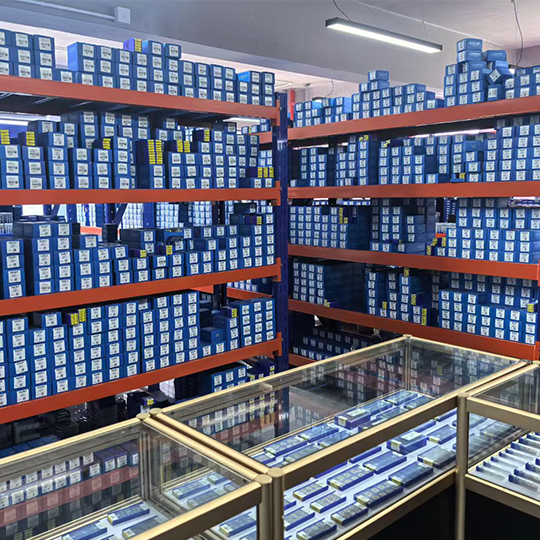
Your leading High-Rigidity Tap Tools Manufacturer in China
- Tough and Long-Lasting: Have a long sharpening life because the taps are made of premium steel and carbide. You will save money because you won’t need to replace your tools as frequently.
- Clean, Smooth Threads: Each cut is precise. Your nuts and screws will fit flawlessly because you receive flawless threads free of jagged or damaged edges.
- No More Jamming: Metal chips are simply pushed aside by the clever groove design. This prevents the tap from breaking or becoming stuck deep within the hole.
- Cuts Through Hard Metals: These taps are great for working with both soft metal and tough stainless steel because they don’t lose their sharp edge.
- Stays Cool Under Pressure: Special factory coatings protect the tap from high heat and wear. This means you can run your machines faster without burning up the tool.
- Exact Sizes Every Time: Each batch of Hanöki tools is carefully checked because they are made right in the plant. When you order, you can be sure that you will get the exact size you asked for.
What Are Tap Tools?
A tap tool is just what you need to make a bolt fit perfectly into a plate of metal. Once you have a hole that is plain, you use a tap to make the spiral lines inside it. These are called threads. With care, the tap cuts out the metal so that the screws and bolts can lock in place and keep everything safe. Hanöki tap tools work on both tough machine parts and simple metal frames. They make threads that are clean and smooth, and they never strip or jam.
Fix your broken tools now and get perfect threads for your next job. Today, let the Hanöki team help you choose the right tap for your item.
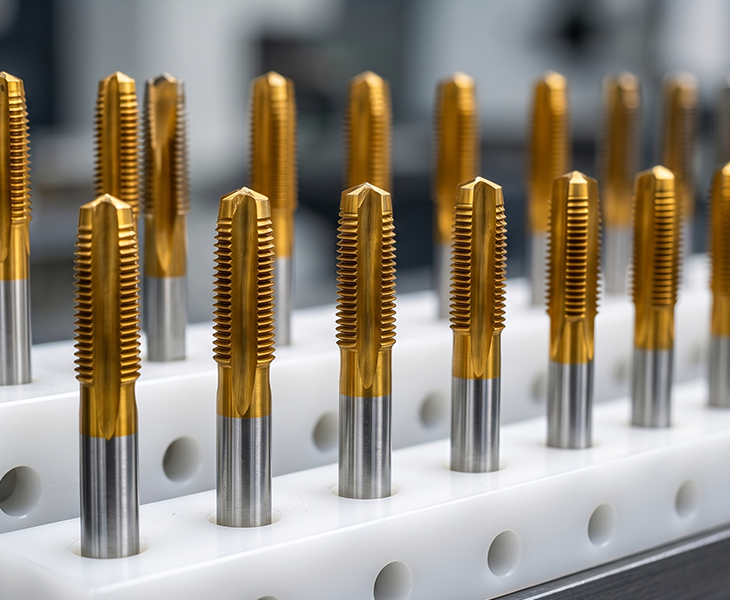
The Hidden Costs of Cheap Tap Tools
A good project can quickly become a disaster if you use cheap tap tools. The worst thing that can happen is that a weak tap breaks deep inside a hole. It takes hours of work to get rid of a broken piece of hard steel, and you could damage an expensive metal part in the process. Bad hits also quickly lose their edge. Their cuts aren’t smooth; they just tear the metal. This makes threads that are rough and loose, so screws will never stay in place. Also, bad designs make it easy for metal chips to get stuck and pack inside the hole. This stops your machine and makes your whole day go more slowly.
Stop putting your hard work at risk with bad tools. These tools are made by Hanöki right in their workshop, so you can be sure that the taps will last. Hanöki always has a huge supply of standard sizes ready to ship anywhere in the world quickly, so you never have to wait for high quality. Because there are strict quality checks and very low MOQs, you can buy just what you need and know that every tool will cut straight. Get your sewing tools today from the source.
Tap Tools by Application
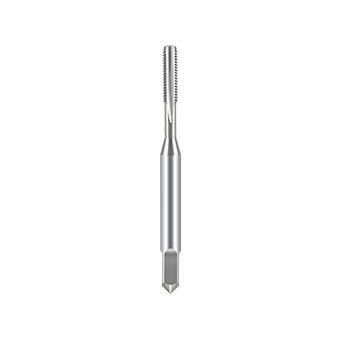 Through-Hole Tapping
Use these when your hole goes all the way through the metal. As you cut the threads, the tap pushes the metal chips forward and out the bottom, so they never jam up inside your work or ruin the cut.
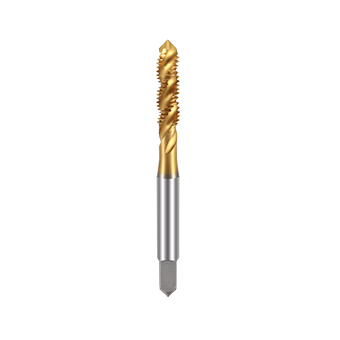 Blind-Hole Tapping
Made for holes that stop deep inside the metal and do not go out the other side. You use these tools to pull the metal chips up and out of the top, which stops them from packing at the bottom and snapping your tap in half.
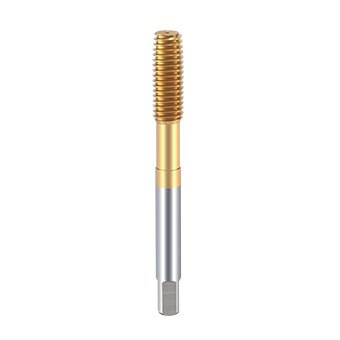 Thread Forming (Roll Tapping)
Instead of cutting the metal, you use these to press and squeeze the threads into shape. This gives you much stronger threads and leaves absolutely zero metal chips for you to clean up.
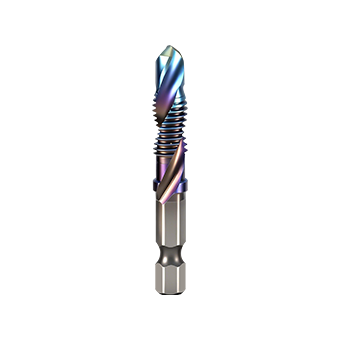 Hard Metal Tapping
Built for your toughest jobs in hard materials like stainless steel or heavy iron. You use these specially coated taps to get clean, exact cuts without breaking the tool or wearing out the sharp edges too fast.
Tap Tools by Type
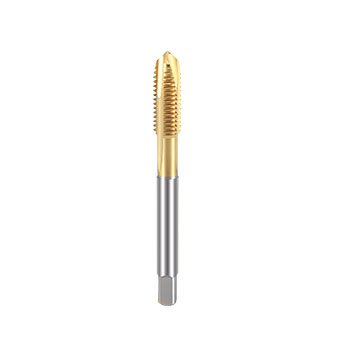 Spiral Point Taps
Great for holes that go all the way through. They shoot the metal chips ahead of the tool, so they never clog up the flutes or break the tap while you work.
- Spiral Flute Taps
The best choice for blind holes that stop deep inside the metal. The twisted shape pulls the chips up and out of the hole, keeping your cut clean and stopping jams.
- Forming Taps (Roll Taps)
Instead of cutting, these press and roll the threads right into the metal. They make very strong threads and leave zero chips behind, perfect for soft metals like aluminum.
- Straight Flute Taps
A reliable standard tool for general jobs. You use these mostly by hand or in crumbly materials like cast iron that break into tiny chips instead of long strings.
Why Choose Hanöki Tap Tools
Every working time, the cuts are clean and sharp. There won’t be any loose or rough edges on your screws and nuts.
Since these taps are made of strong materials and have coats that fight heat, they stay sharp longer. They won’t need to be changed as often.
The smart flute shape makes it easy to get rid of metal chips. So, the tool doesn’t get stuck or break off deep inside your parts.
You can simply purchase from Hanöki’s plant. One less person in the chain means you save money on every tool you buy.
You never have to wait weeks. Hanöki always has a huge stock of standard taps that can be sent anywhere.
You don’t have to make big purchase. Hanöki lets you order just the right number of tools for the job because the MOQ is low.
Smart Flute Designs for Smooth Chip Evacuation
A lot of metal chips are made when you cut threads inside a small hole. For your part, these chips will quickly get stuck in the tool and break it in half if they get too close together. Hanöki tap tools fix this problem with flutes that are made in unique ways, like spirals, that grab the metal chips and move them out of the way without any problems. This exact shape keeps the hole clean while you work, which keeps your new threads safe and stops dangerous jams.
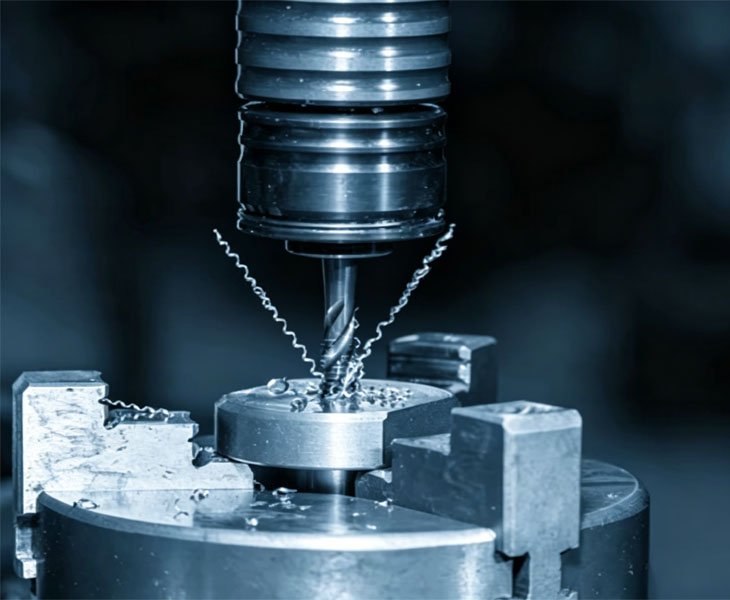
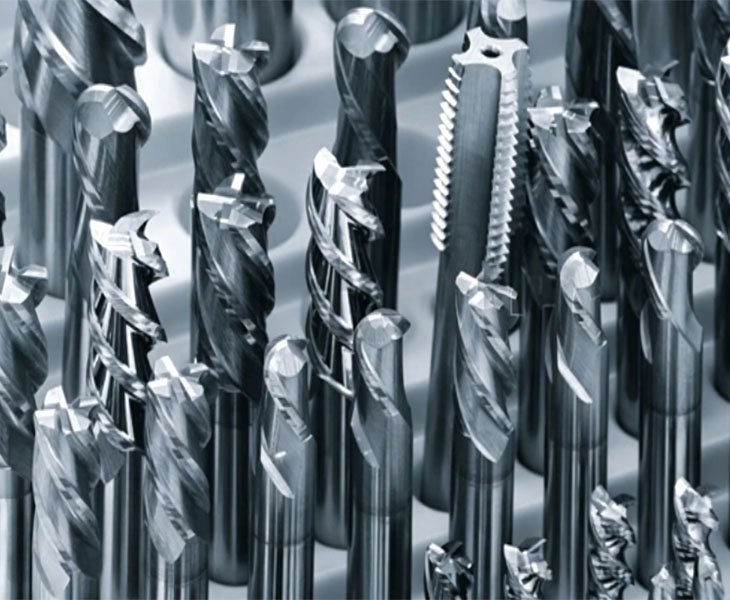
Tough Base Materials for Longer Tool Life
When you tap hard metals, the cutting edges are under a lot of stress. Under this much stress, regular taps break quickly, leaving you with rough threads and making you keep switching tools. Hanöki makes tap tools out of high-quality high-speed steel that has cobalt and solid carbide added to it to make it very strong. These hard materials keep their sharp edges for a long time by resisting wear and tear. This lets you work on long production runs without stopping.
Exact Factory Grinding for Perfect Thread Fits
If you use a badly made tap, the threads will be jumbled, too big, or too tight. If this happens, your bolts will either rattle away or get stuck while you’re putting the parts together. At the workshop, Hanöki tap tools are carefully ground to make sure they are the right size. This very precise shape makes sure that the first time the tool cuts metal, it does a great job. Every time, you get clean, exact threads, which means that your metal parts will just bolt together without any problems.

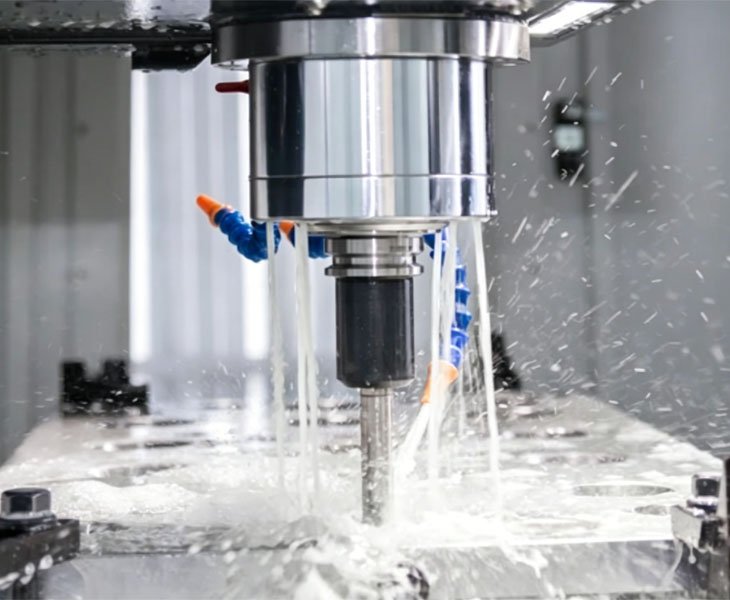
Internal Coolant Designs for Deep-Hole Safety
It’s dangerous to tap deep or blind holes because heat gets trapped and chips pack down at the bottom. Normal refrigerant from the outside only splashes on top and can’t get to the cut, which makes the tap jam and break. Hanöki tap tools fix this with a smart design for the water inside. They have a hole in the middle that sends high-pressure fluid straight to the cutting edges. It’s safe, it gets rid of the metal chips, and it keeps your tool cool while you work.
Your Direct Tap Tools Manufacturer

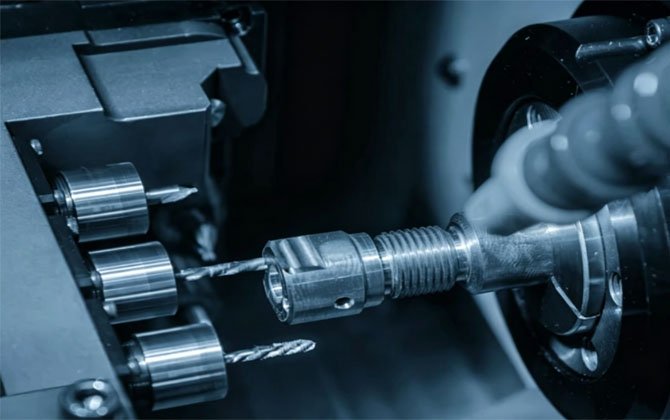
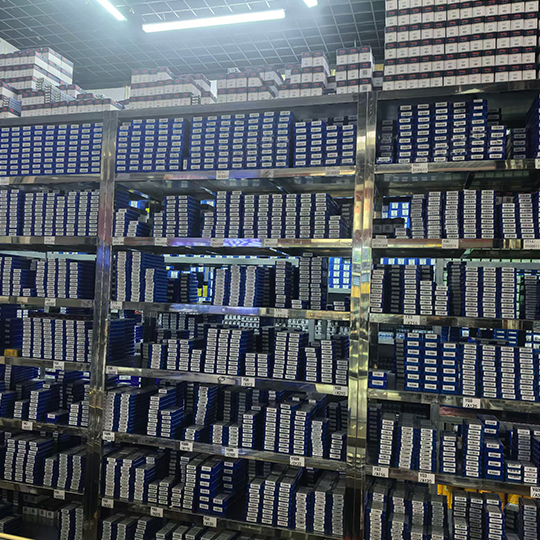
Get with 30 years of experience making tools to work for you. You skip the middleman totally if you choose Hanöki. Over 20 high-tech CNC machines are used to make every tool in a huge 25,000-square-meter workshop. This makes sure that the threads are always perfectly clean.
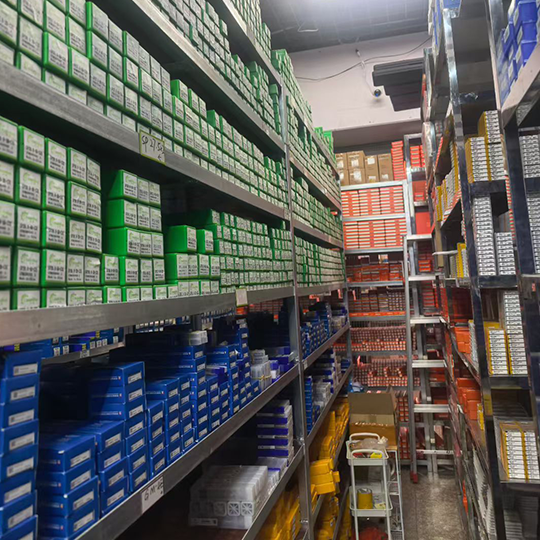
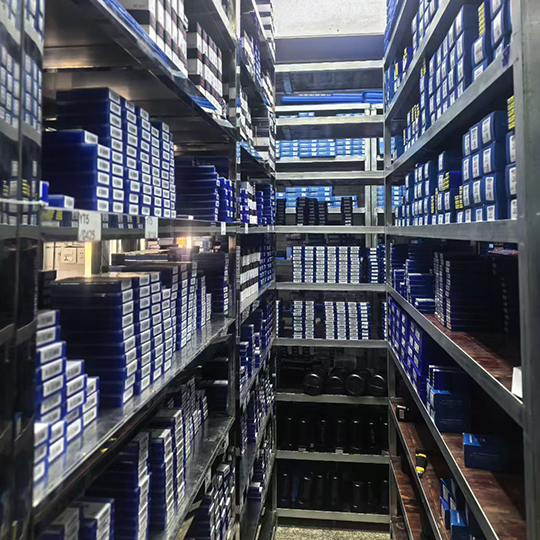
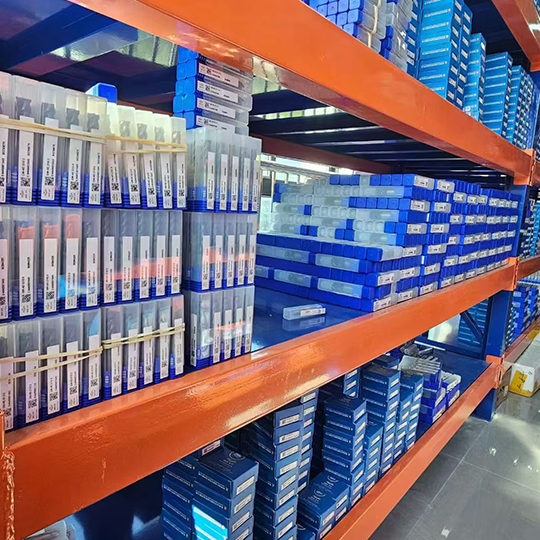
Things are always ready for you. Hanöki keeps a huge standard stock on hand so that they can ship quickly around the world with very low MOQs. Need a special tap? Your plans will be looked over quickly by a group of 10 expert engineers in just two hours. Today, get your shop the strong tools and quick help it needs.
Tap Tools Application Areas
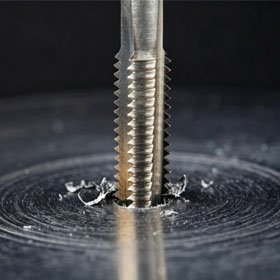
Tap a blind hole when you drill a hole that stops deep inside a solid block of metal. A spiral flute tap is what you need for this job. This tool pulls the metal chips up and out of the top of the hole, which has a bottom. So, the chips don’t get squished together at the bottom and break your tool in half.
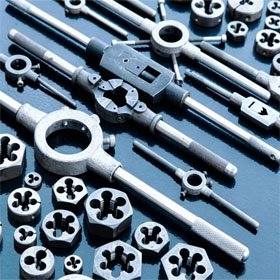
Through-hole tapping is when the hole you made goes all the way through the metal part. A circular point tap is used here. While you work, the tool moves the twisted metal pieces forward and out of the hole’s open bottom. So you can work faster, this keeps the area where you cut clean.
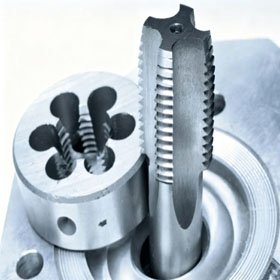
There are times when you need to cut threads through very tough materials, like heavy cast iron or stainless steel. This makes a huge amount of heat that quickly destroys regular tools. In this case, you need a heavy-duty tap tool with a special coating. Even when the metal fights back, it can handle the high friction and stay very sharp.
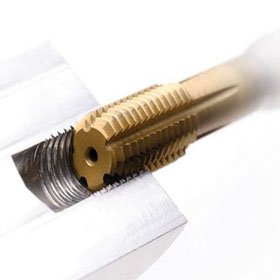
When you cut soft metals like copper or aluminum, the threads might not hold together well. You should use a thread making tap, which is sometimes called a roll tap. This tool doesn’t cut at all. The soft metal is pressed and squeezed until it forms a perfect thread. It gives you a much better hold and doesn’t leave any chips behind.
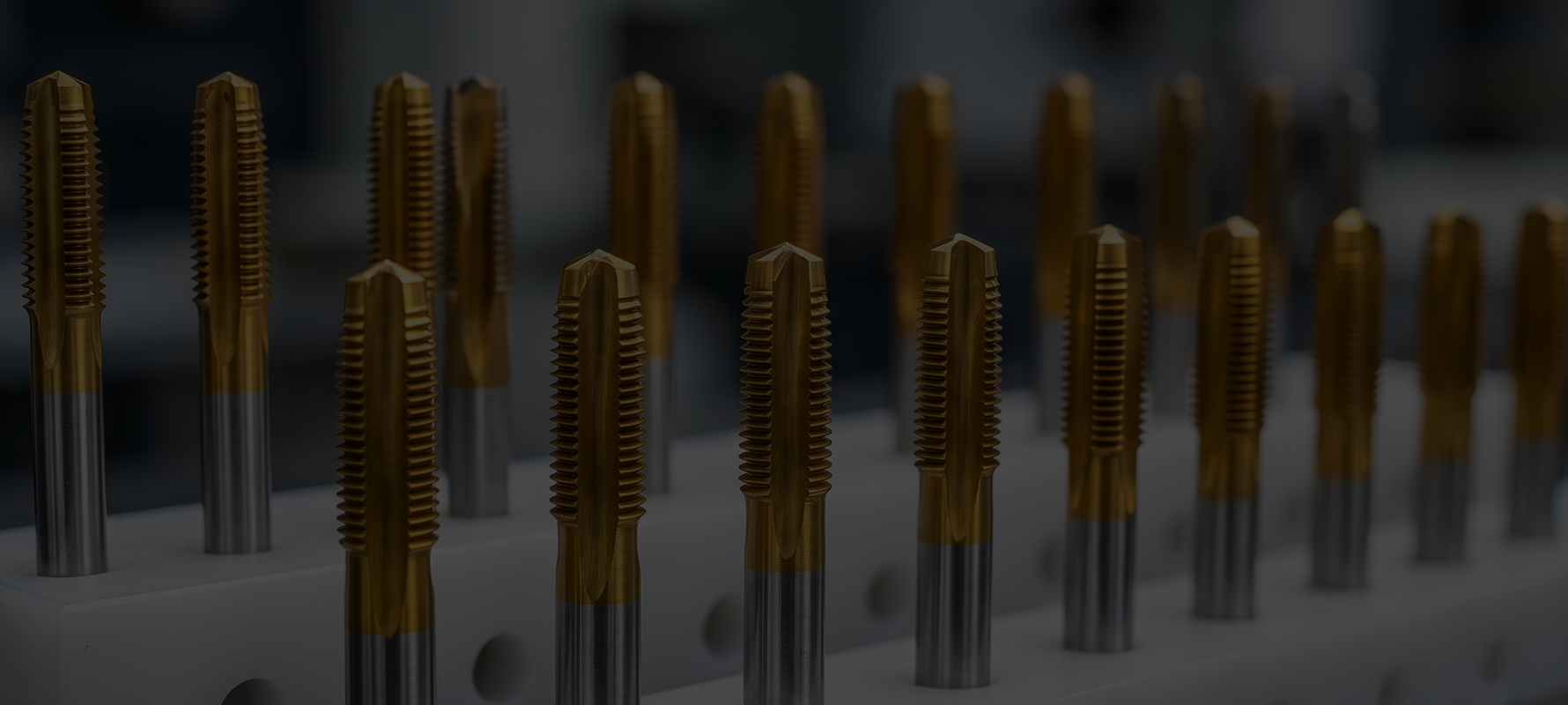
A tap tool is used to drive a bolt into a solid piece of metal. It presses or cuts spiral lines, which are called threads, into a hole that has already been drilled. This lets your parts bolt together safely and securely.
It depends on what kind of metal you use. To work with soft metals like aluminum, a shaping tap is the best tool. It shapes the threads without breaking them up into small pieces. In order to cut through hard metals like steel, you need a cutting knife.
Pay attention to the hole you’re making. Use a spiral flute tap to pull the metal chips up and out if the hole stops deep inside the metal. This is called a blind hole. If the hole goes all the way through the metal, push the chips down and out the bottom with a spiral point tap.
Because a through-hole goes all the way through your metal part, you can see light on the other side. There is no hollow bottom to a blind hole; it stops halfway through the metal. To keep the metal chips safe, you need to use different tap tools for each one.
For regular use, a straight flute tap is great for tapping by hand or cutting cast iron and brass that are easy to break. These metals don’t break into long strings, but into small chips that look like powder. It works great for straight flutes.
Take the thread’s outer width and take away its thread pitch. This is a very simple rule. Like, a 6.75mm drill bit is used to make an M8 x 1.25 thread (8 – 1.25 = 6.75). It’s much easier to tap after using a sharp Hanöki drill bit first.
Tools made of stainless steel break quickly because it gets very hot. A tap made of high-speed steel with extra cobalt (HSSE) and a covering that stops heat is what you need. This keeps the cutting edges sharp and keeps the tool from getting hot.
Aluminum is soft, so it’s easy for it to melt and stick to your tool. One that is finished and shaped like a roll tap or a cutting tap with a special smooth coating is the best choice. This keeps the soft metal from getting torn while giving you clean threads.
HSS taps are strong, work well with vibration, and are great for everyday tasks. It is best to use solid carbide taps if you have a very fast, hard CNC machine that needs to make thousands of parts quickly without stopping.
They do work like a strong shield. Coatings put on at the factory keep the tap safe from high heat and stop friction. This makes the tool last longer and lets you run your machines faster.
Cutting metal makes a lot of heat and pressure. Coolant quickly lowers the temperature, keeps the tool smooth to cut, and pushes the sharp metal chips out of the hole. Your tap will probably break without it.
The speed you go changes based on the tool’s covering and how hard the metal is. For hard steel, you move more slowly, but for soft metal, you move a lot faster. Hanöki gives you accurate speed charts for all of their tools, so you never have to guess.
For rigid tapping to work, the spinning speed and the downward push must be exactly matched by a modern CNC machine. A floating tool box is used when you have an older machine that isn’t perfectly timed. It slightly stretches to keep the tap from breaking.
Deep holes keep metal chips and heat inside. To be safe, make sure the hole you made is straight. Then, use a Hanöki tap tool that is made with a cooling design inside. To get rid of the chips, it shoots high-pressure fluid right through the tool.
If chips get stuck, it’s likely because you’re using the wrong type of tap for the hole. Change to a Hanöki tap with a spiral flute shape that works better. It’s made to grab the chips and pull them out of the way without any trouble.
Do not use a hammer to try to break it. You can either use an EDM machine to safely melt the broken piece away or a special tool to pull it out. The best way to fix this is to get better Hanöki taps so they don’t break in the first place.
Most of the time, this is caused by a machine spindle that is moving (runout), a drill bit that is too big, or metal chips stuck on the tool. Make sure the handle for your tools is tight, and always use a good, sharp tap.
When your tap tool gets dull or you don’t use enough water, the threads can tear. Also, if you cut at the wrong angle for the metal, this can happen. This can be fixed right away with a brand-new Hanöki tap that has lots of fluid.
A loud squeal means there is a lot of contact. Your tool is having a hard time and is about to break. Put an end to the machine right away. Check to see if the tap is completely broken or if there are a lot of metal chips in the hole at the bottom.
It’s possible that the machine is going too fast, or the metal is too tough for a simple tool. Get in touch with the engineering team at Hanöki, and they’ll help you find a heavy-duty, protected tap that is made to work with your tough material.
You can get high-quality tools at factory prices when you don’t go through a broker. This method saves you cash and guarantees that the tools you buy are always brand new and sharp, right from the factory.
Yes. If regular tools don’t do the job, the Hanöki tech team will look at your plans and get back to you in two hours. They can make it in any size, shape, or length to fit your job perfectly.
The minimum order quantity (MOQ) for Hanöki is very low. You can buy as few tools as you need for a small job or as many as you need for a large production run.
In a 25,000-square-meter building, high-tech CNC grinding tools shape each and every Hanöki tap. Before they are shipped, they are put through strict quality checks to make sure that every single one of them is cut perfectly straight.
You don’t have to wait weeks. Hanöki has a huge stock of normal tap tools that are all set up and ready to go. They ship quickly around the world and bring the tools right to your door so your machines can keep working.
How to Improve Tool Life with the Right Tap Tool Choice
When you use the wrong tap tool, you get rough threads and tools that break. When you push a basic tap into a deep blind hole, metal chips bunch up at the bottom. This breaks the tap right away and makes your expensive metal part look bad.
Always use the right tap for the job to keep your tools in good shape. To get chips out of simple through-holes, use a spiral point tap. To make deep blind holes or work with hard metals, you need to switch to a solid carbide tap or coil flute. If you pick the right flute shape and use tools with built-in coolant, you can avoid high heat and safely blast chips out. The fastest way to stop breaking taps and save money on every part you make is to get this set up right.