


Your leading High-Rigidity Hand Taps Manufacturer in China
- Starts Straight Easily: The tips are ground correctly, and you get the hole without going crooked.
- Tough Against Breaking: They are made to be strong enough to handle bending pressure.
- Perfect Bolt Fit: Cuts metal smoothly, so your bolts will be able to spin in without getting stuck.
- Premium Raw Steel:To make a better tool, we start with high-quality, heavy-duty metal.
- Custom Shop Kits:We’ll put the sizes you use most together if you tell us which ones.
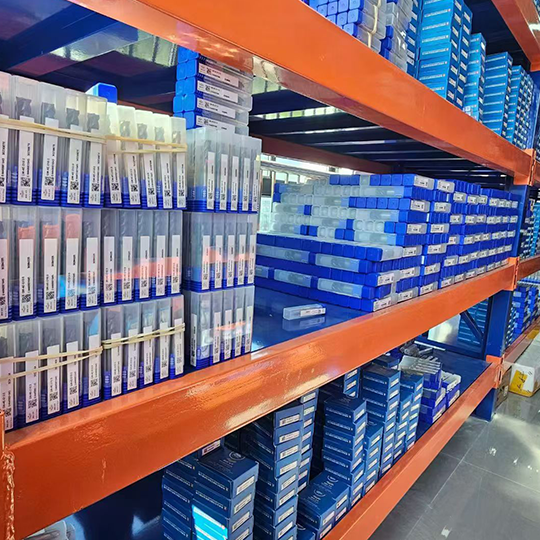
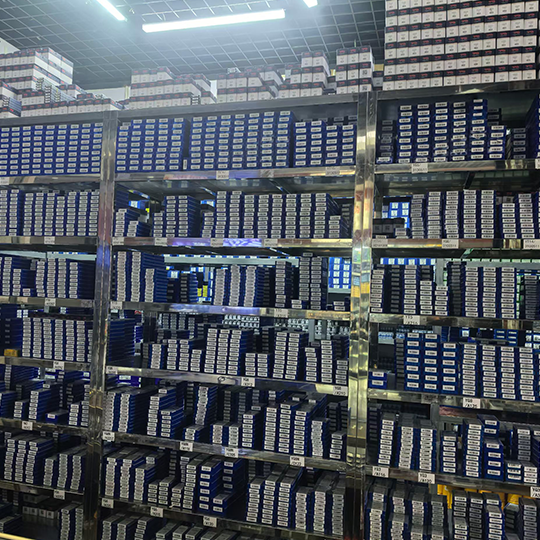
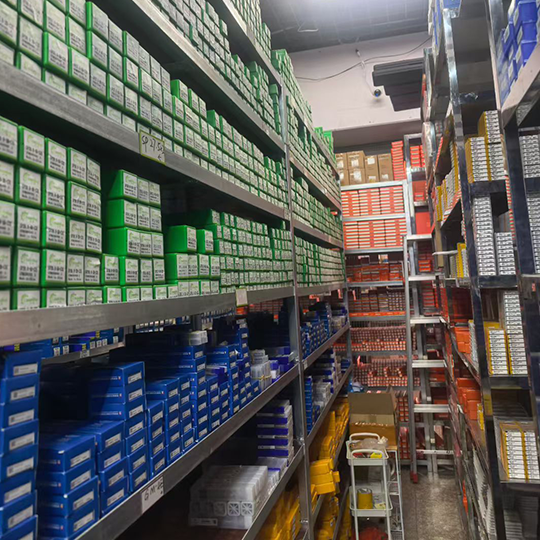
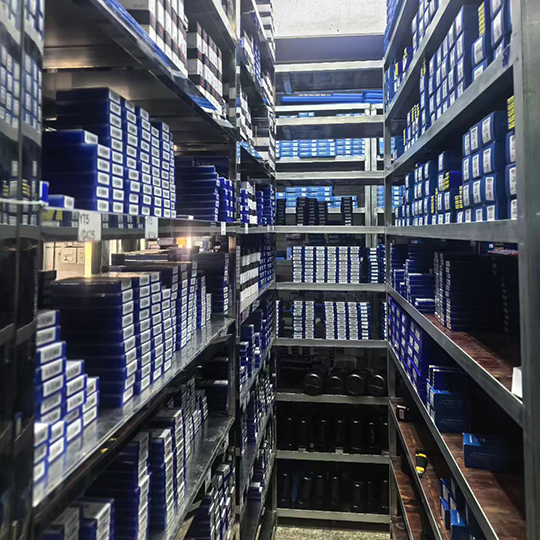
- Fast Global Shipping: Our storage is always full, so your shop will never have to wait for tools.
What Is a Hand Tap?
You need a hand tap to drill a straight, smooth hole in a solid piece of metal so that you can put a bolt into it. It’s like a very tough, heavy-duty steel bolt with deep holes cut into the sides. These grooves make rows of cutting teeth that are very sharp. With a wrench, slowly turn the tip of this tool into a smooth hole. The teeth will bite into the walls and make a perfect, deep spiral thread inside the metal.
A new threaded hole can be put in any place that needs one, and an old hole with broken or rusty threads can be cleaned out completely. You don’t have to put a big, expensive piece of steel on a heavy machine in order to make an easy threaded connection. Also, the deep holes in the tap do something very important: they let the metal chips get away from the handle. So, the trash doesn’t get squished together and break the tool inside the hole. That’s exactly what this simple, useful tool is for: making sure your bolt screws in securely and stays in place every time.
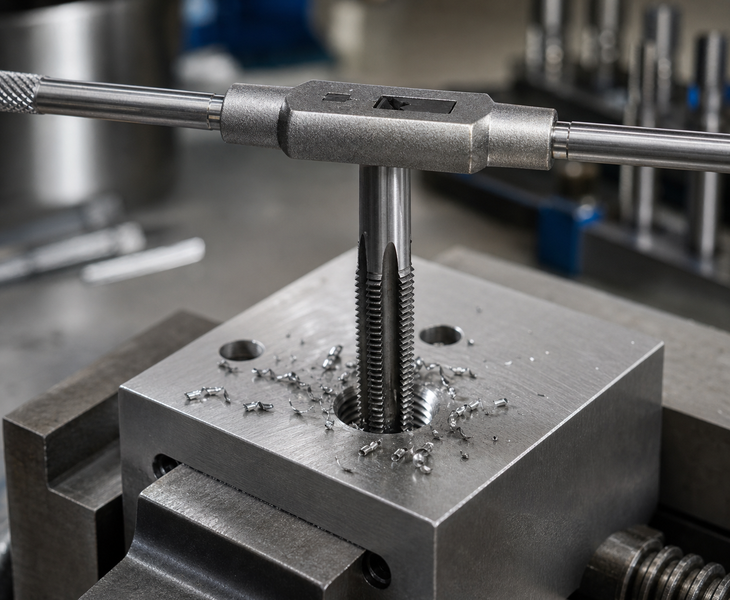
The Real Cost of Cheap Hand Taps
When you want to cut a thread deep inside a thick block of metal, you have to twist very hard. You will have a terrible time if you try to save money by using a cheap hand tap. The worst thing about cheap taps is that they are made of weak metal. The teeth that cut steel get dull quickly, so they don’t cut it easily. Instead, they grind and push against the walls. This tear the threads badly, which means the bolt will feel loose or get stuck. But the worst thing is that cheap, fragile taps break easily when they are pressed. It is very hard to get a broken tap out of a hole that has already been made. An expensive part gets ruined and hours of hard work are wasted just to save a few dollars on a tool.
We at Hanöki know how annoying it is to have a broken tool in the middle of a busy shop floor. So, when we make our hand taps, we start with high-quality, heavy-duty raw steel. We carefully heat-treat every tool in our 25,000-square-meter plant to make it the right amount of extremely hard and toughly flexible. This keeps our teeth very sharp, but if you twist the tool hard, the heart won’t break. We have been making things for over 30 years, so we make these tools ourselves and sell them to you. There are no expensive middlemen in this process, so you get strong, professional tools at prices that are closer to those of the factory. This way, your shop can work with trust.
Hand Taps by Flute Design
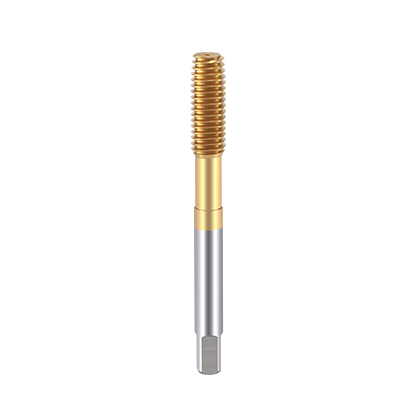 Straight Flute Taps
This is the standard and most usual way to tap your hands. As you cut, the metal chips are stored in the straight holes. They’re great for general repair work and making short, easy holes.
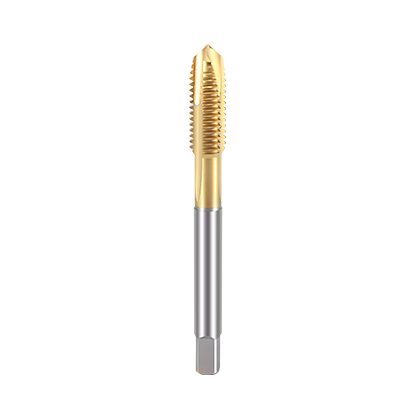 Spiral Point Taps
These have a unique cut at the end that moves the metal chips in front of the tool. They work great for holes that go all the way through the metal plate and make it easy for the chips to fall out the bottom.
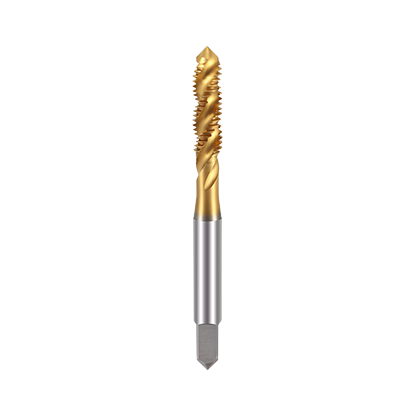 Spiral Flute Taps
It looks like a drill bit because the lines twist up. The metal chips get pulled up and out of the hole. When you drill “blind holes” (holes that go deep into the metal), you need these hand taps, so the chips don’t pack together at the bottom and break the tool.
Hand Taps by Surface Finish
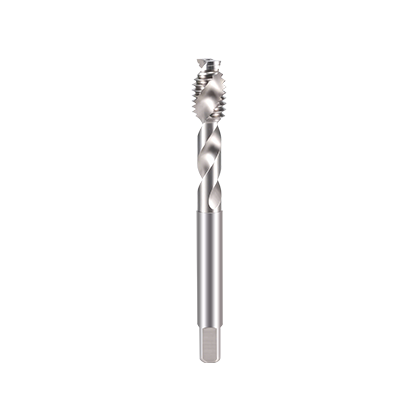 Bright Finish Taps
These are simple, shiny steel tools. They are your base choice because they are cheap. They work great for cutting aluminum, brass, and basic carbon steel, which are all soft materials.
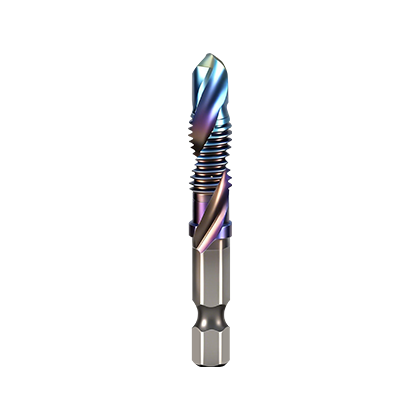 Black Oxide Taps
These taps have a dark surface that was made with steam. This unique surface makes it easier for the tool to hold cutting oil. It cuts down on friction and keeps the tap from getting stuck when cutting metals that are stringy or sticky.
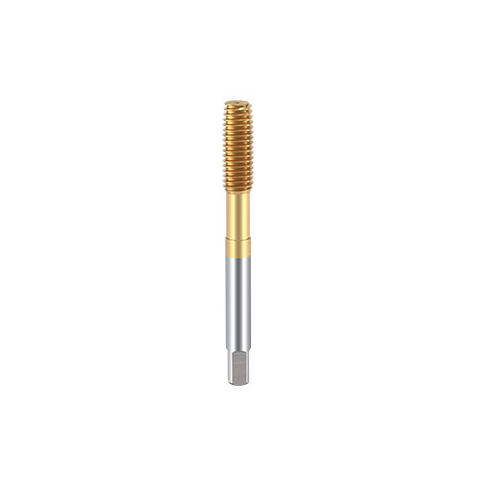 TiN Coated Taps
They are easy to spot because they are bright gold. This coating is put on at the mill to make the cutting edge very smooth and hard. It makes the tool last a lot longer, especially when cutting tough, heavy-duty metals for commercial use.
Most of the time, an expensive pump casing or engine block is thrown away when a threaded hole gets stripped. In just a few minutes, our hand taps easily re-cut the broken metal walls.
A wrench can only turn a quarter-inch at a time, which isn’t ideal for fixing things that are deep inside big machines. Cutting teeth that are very sharp makes it easy for these hand taps to cut deep, new threads, even when there isn’t much room to move.
Soft metals, such as aluminum, like to melt and stick to cutting instruments. This completely ruins the thread. Our hand taps are cut with highly polished flutes so sticky metal chips just slip right out and don’t solder themselves to the steel teeth.
A lot of the time, bulk sales look worse than the sample that was sent out. Our company owns and runs all of its own cutting machines; the hand taps that are ordered next year will work the same way as the ones that are bought today.
If the tap cuts a little too big, the whole metal part breaks. Each set of hand taps are carefully sized to make sure the threads meet the highest international standards. The bolts will lock down firmly and never feel free.
Hardware shops in my area don’t sell many plain brown cardboard boxes. The hand taps can come in tough, clear plastic blister packs with colored brand cards that can be put inside. This way, they are ready to hang on a shop pegboard right away.
Starts Perfectly Straight
The hardest part of hand tapping is getting the thread to start straight. The tip of our starting hand taps is gently tapered, and it centers itself in the hole that has been made. This always keeps the cutting tool going straight down, so you don’t get any weird angles and your internal threads line up perfectly with your nuts.
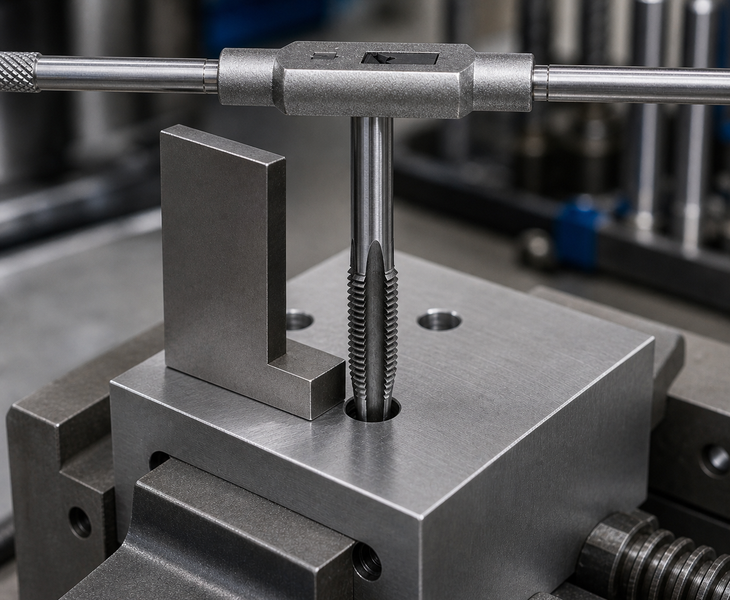
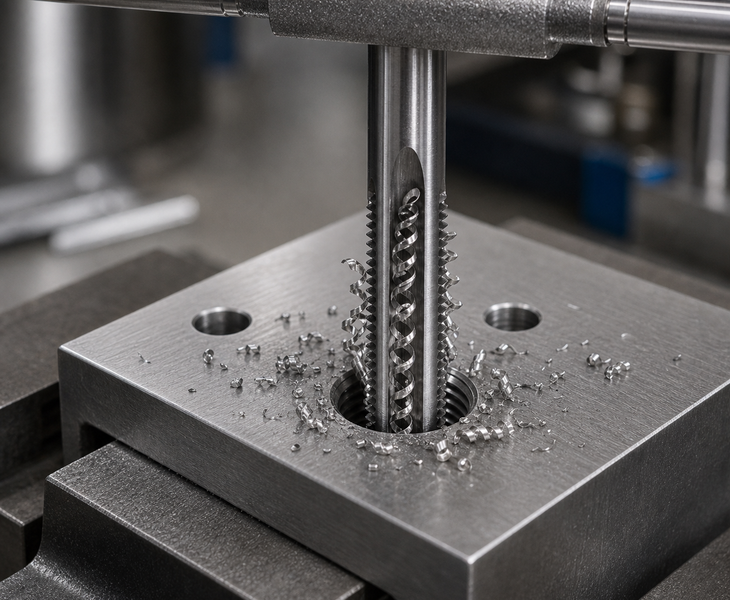
Clears Metal Chips Safely
When deep internal threads are cut, metal waste builds up quickly and stops the hole. The wide, polished holes on these straight flute hand taps make it easy to get rid of waste. This keeps the metal chips from sticking together too tightly, which keeps your tapping tool moving freely and free of jams.
Resists Breaking Under Pressure
It’s very annoying when you break a tool inside an expensive metal part. We use better industrial steel and a stronger core to make our heavy-duty hand taps. When you twist the hand tap wrench, it can handle the heavy pressure of tapping through tough metals without breaking or cracking in half.
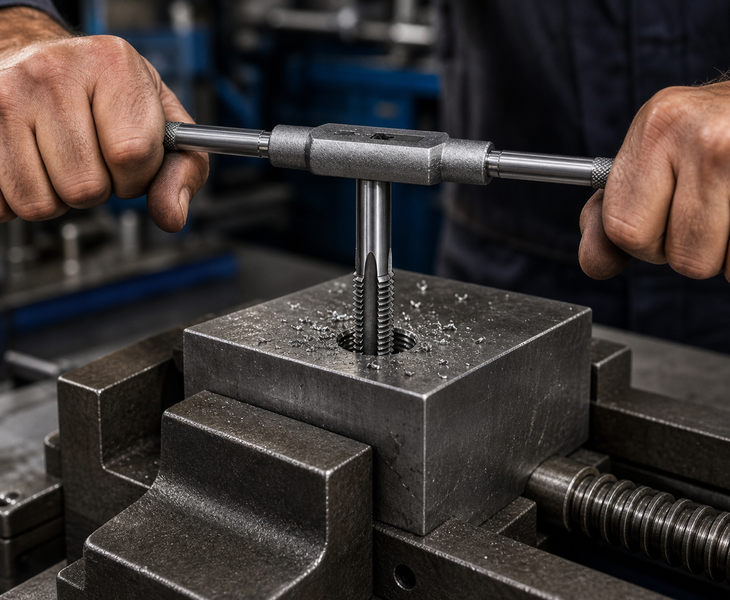
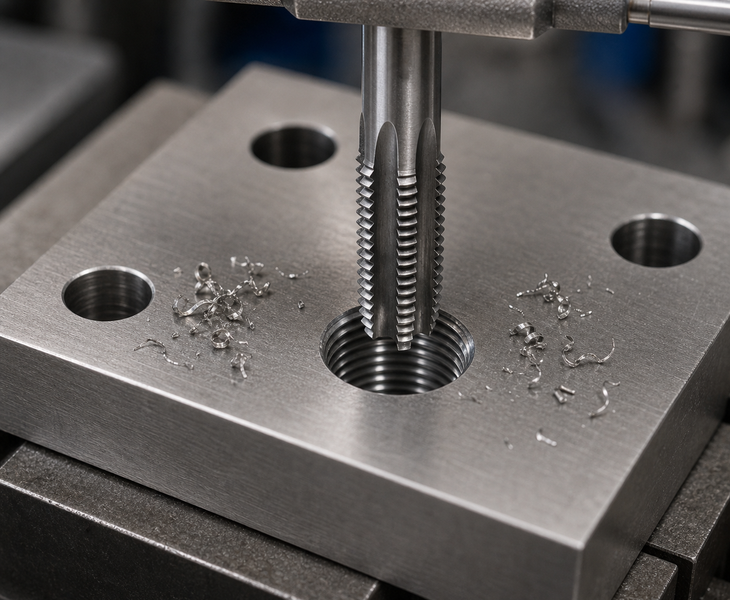
Slices Smooth Internal Threads
If the cutting edge is dull, it will tear the steel and leave rough walls that hurt standard screws. Our precise hand taps have cutting teeth that are carefully made to cut through raw metal without leaving any marks. This makes sure that the threaded hole is smooth and polished, so your bolts can easily spin in and lock down firmly.
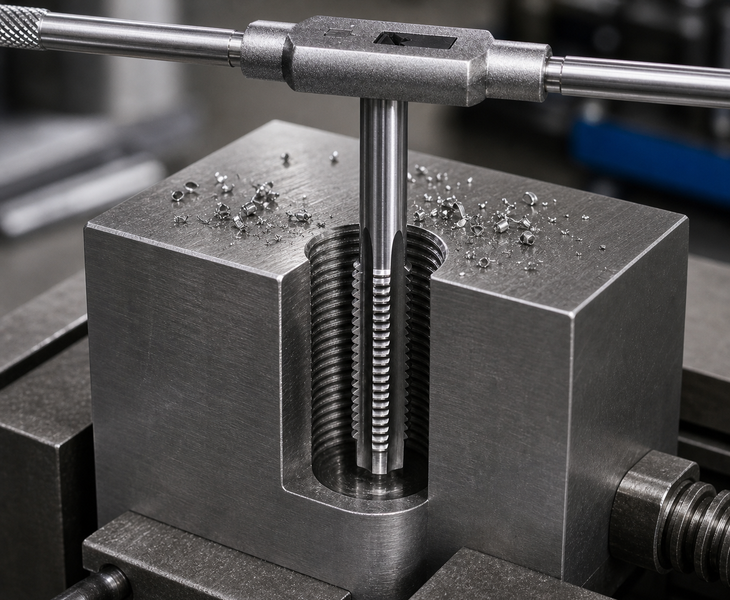
Threads Deep Into Blind Holes
Most tools stop cutting too soon when they hit holes in the metal block that don’t go all the way through. With their flat tips, our bottoming hand taps let you cut full internal threads all the way down to the floor of a blind hole for the best hold.
Your True Factory Source for Heavy-Duty Hand Taps

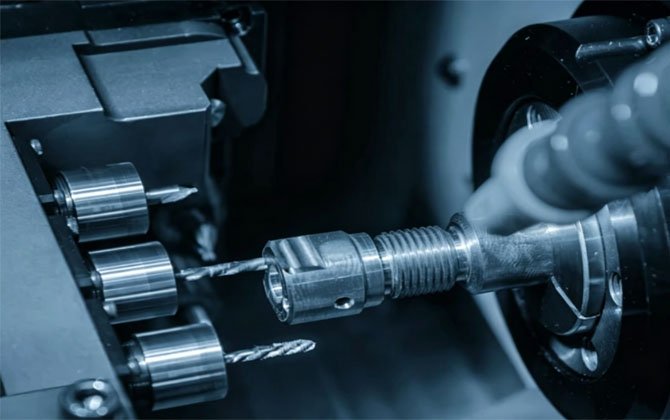
A hand tap that cuts clean, deep threads inside a hole that has already been drilled needs to be made with a lot of skill. We have been doing that for 30 years in Hanöki’s 25,000-square-meter business. We do not hire other shops to do our work for us. Each and every tap is carefully shaped, heated, and ground right here in the company. We check the cutting teeth of every tool before putting it away to make sure they are always sharp and ready to cut through raw metal.
When you buy from our plant, you don’t have to pay the high markups that trading companies charge. You can get professional hand taps made for heavy use at prices that are truly direct. When you tap metal by hand, you put a lot of bending pressure on it, but our tools are made to handle that stress. Even after cutting steel all day, the teeth are still very sharp. Also, we know that your shop can’t wait for tools, so we keep our warehouse filled and ready to ship anywhere in the world. Just ask if you are having trouble cutting threads into a tough or strange new metal material. Our 10 senior shop engineers are always ready to help you figure out how to make things and pick out the best tools for the job.
Hand Taps Application Areas
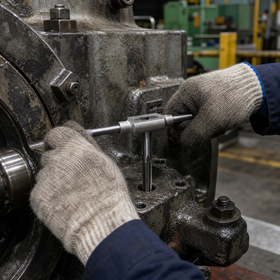
It is not possible to move a heavy block to a machine shop when a threaded hole on a large pressing press or industrial motor is broken. Hand taps are used on the plant floor by maintenance workers to cut new, accurate internal threads. This saves expensive equipment fast and cuts down on production downtime.
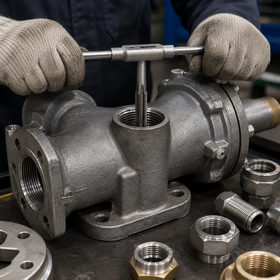
Cast metal is often used to make heavy water pumps and fluid valves. Precision hand taps are used to cut deep internal threads right into the thick connection ports by workers. In this way, metal lines and fittings will be sure to screw in tightly, making a seal that can withstand high fluid pressure without leaking.
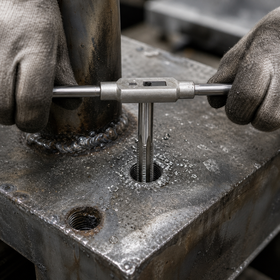
Parts made of metal that are used in industry are often blocked by hard slag or thick zinc coats when they are welded, galvanized, or heated. A high-speed steel hand tap is run through these holes by hand so that the waste can be scraped out neatly. This step makes sure that standard bolts will fit properly when the whole thing is put together.
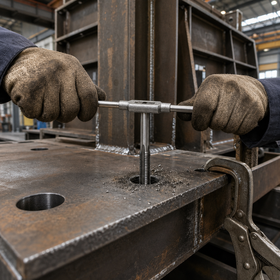
A lot of the time, fabricators make huge steel frames that are too big for a CNC machine to handle. To add safe fixing points, they use portable tools to drill holes and hand taps to cut the threads on the inside by hand. This makes it safe for them to bolt heavy parts straight onto huge structural frames.
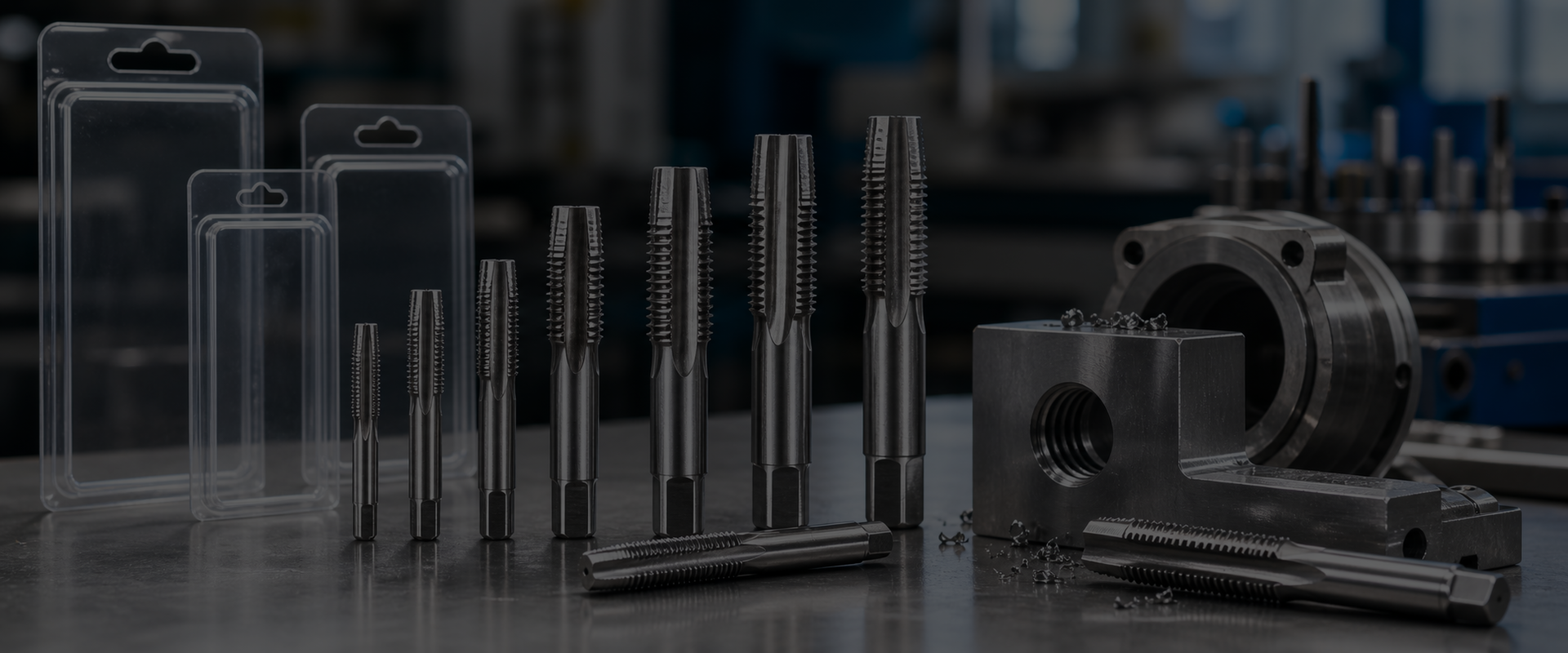
A hand tap is a very sharp cutting tool used to make threads inside a hole that has already been made. It is needed to thread things by hand in machine repair and small-batch production.
Hand taps are different from machine taps used in CNCs. They have a square shank for a hand wrench and usually come in sets to spread the cutting load when they are used by hand.
A common set has three tools: a bottoming tap for blind holes, a plug tap for general threads, and a taper tap for starting.
Taper, plug, and bottoming taps are the main types, which are grouped by the length of their chamfers. There are also spiral point or pipe taps that are more specialized.
A threaded die is a machine that cuts external threads into a solid metal rod. This turns a simple cylinder into a bolt that can be used.
High-Speed Steel (HSS) taps are superior for industrial use because they handle heat and friction better, while carbon steel is mostly for light DIY repairs.
High-Speed Steel (HSS) taps are better for industrial use because they can handle heat and friction better. Carbon steel taps are better for light home fixes.
Coatings like Black Oxide or TiN (Titanium Nitride) do reduce friction and stop metal chips from sticking to the teeth, which makes the tool last longer.
HSS-Co (Cobalt) hand taps are best for tough materials like stainless steel because they are very hard and don’t get soft when heated.
Most of the time, fast dulling is caused by using poor steel, cutting at the wrong speed, or not using enough cutting oil while tapping.
A tap drill chart is what you need to look at. To leave enough room for the threads, the hole needs to be a little smaller than the width of the tap.
The best way is to use a taper tap with a long lead angle. To make sure the tool goes into the hole at a right angle, you should always use a tap guide or a square.
Start with a taper tap and finish with a bottoming tap to get to the very bottom. This will make holes that don’t go through the metal.
This method breaks up the metal chips that are made when tapping by hand, which keeps the holes from getting clogged and the tool from breaking.
It’s not a good idea. It is best to use slow, manual pressure on hand taps because they are fragile. They often break right away when you use a power drill on them.
Most of the time, it’s because of too much force, metal chips that get stuck, or the tap going in wrong.
For very hard, stuck tools, you can use an electric discharge machine (EDM), a hammer and punch, or a special tap remover.
Rough threads are often caused by a dull tool, not enough oil, or the wrong type of tap material for the metal being cut.
Always use a fluid or paste made just for cutting threads. It keeps the tool cool and the cutting edges smooth, so they don’t get stuck.
To keep the teeth from breaking, clean off any metal chips after use, coat them lightly in anti-rust oil, and put them in their own slots.
No, the thread pitches and angles for metric (M) and imperial (UNC/UNF) are not the same. If you use the wrong one, the item will be ruined.
These tapered hand taps are made to make internal threads for water lines and hydraulic fittings that won’t leak.
Professional shops can clean up the flutes of a hand tap, but for smaller sizes, it is generally cheaper to buy new ones.
For fast shipping, look for companies that have been in business for a long time (at least 30 years), have their own heat treatment facilities, and have a lot of stock.
Yes, source companies can make thread pitches or lengths that are exactly what you need based on your engineering plans.
How to Pick the Right Hand Tap for Your Shop
If you pick the wrong hand tap, you can quickly ruin a fine metal part. The cutting teeth on a cheap carbon steel tool will wear out and get too hot before you get to the bottom of the hole in tough stainless steel. When you use the wrong groove design tap on soft or sticky metal, on the other hand, the chips can get stuck, which can tear the internal threads and make it impossible for the bolt to stay in place. This wastes time and money because workers aren’t getting their work done and pieces are getting broken.
This is why you need to make sure the hand tap fits the material and hole depth. If you work with heavy, hard industrial steel in your shop, pick a Hanöki HSS (High-Speed Steel) hand tap that can handle a lot of pressure and keep its sharp edge. A Hanöki bottoming tap with a flat tip is needed to make sure that threads reach the very bottom of projects that have “blind holes” that stop deep inside the metal. By taking the time to choose the right tool, you can make sure that every internal thread is smooth and accurate, which will keep your expensive parts from getting damaged.