
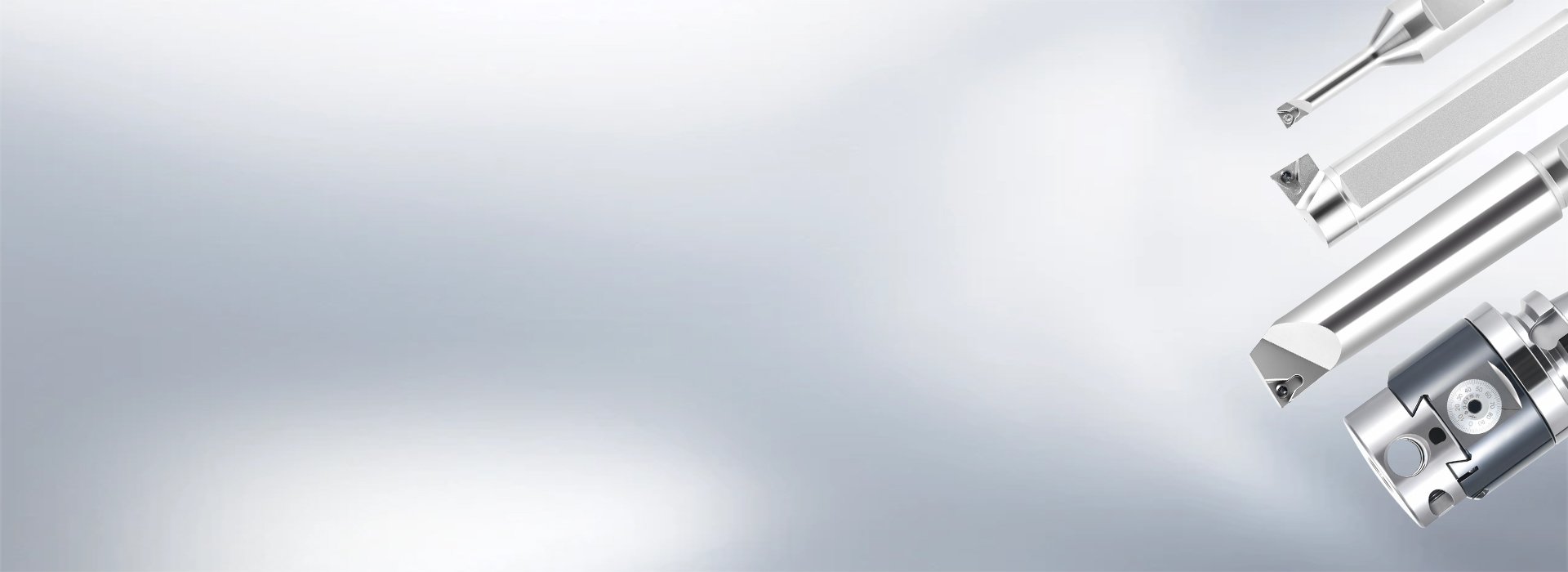

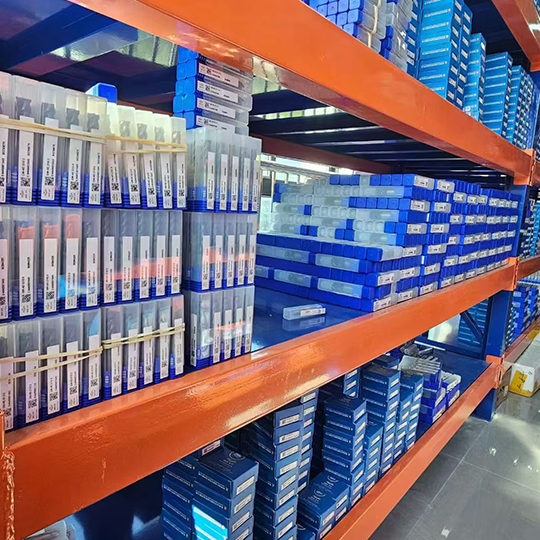
Your Direct Partner for High-Rigidity Boring Tools Manufacturer in China
- Micro-adjustable heads ensure precise control of the width and better bore concentricity.
- In tough metals, heavy-duty carbide shanks and advanced inserts keep the tool from deforming or wearing out.
- Vibration-dampening geometries reduce chatter, even when there are long overhangs in deep-hole uses.
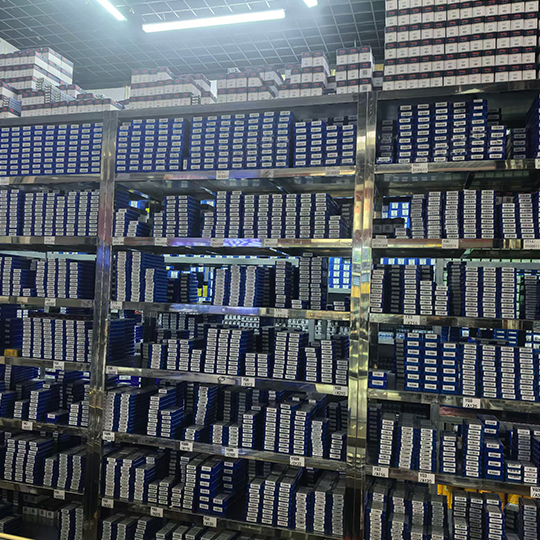
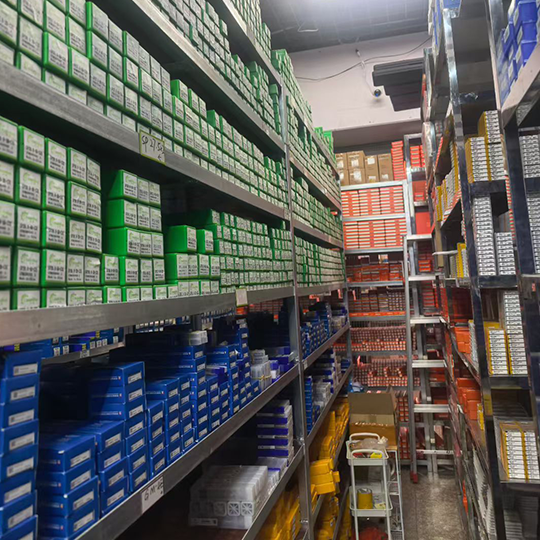
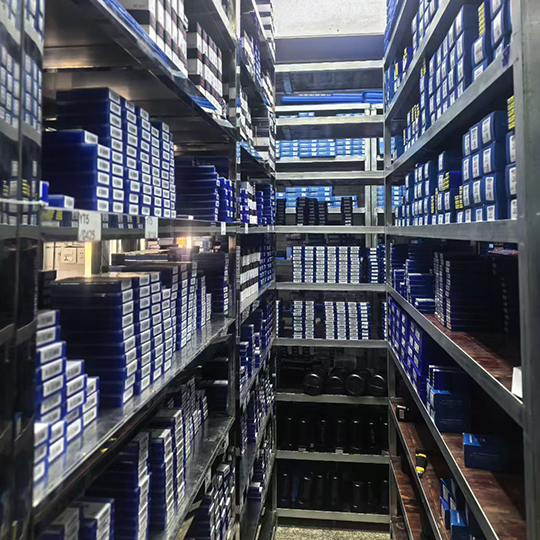
- A large stock of roughing and finishing boring bars is ready to be shipped anywhere in the world right away.
- Coupling interfaces that are precisely machined enable the most stable clamping and smooth spindle integration.
- Custom-made boring bars and multi-step boring heads are made from the plans you give us.
What Are Boring Tools?
A boring tool is a precise cutting machine used to make a hole bigger, straighter, and more aligned after it has been drilled or cast. A boring bar cuts with a single point, making sure the center is perfectly straight. This is different from drills and reamers, which just follow the path of the original hole. Because of this one-of-a-kind feature, boring is necessary to fix positional mistakes, get exact concentricity, and dial in very specific, non-standard diameters. They are necessary for cutting complicated parts like engine cylinders, deep holes, and bearing housings that must be perfectly aligned structurally.
Are you ready to get rid of hole runout and achieve perfect bore concentricity? Our engineering team can help you set up the best boring bar or micro-adjustable head for the material and reach you need.
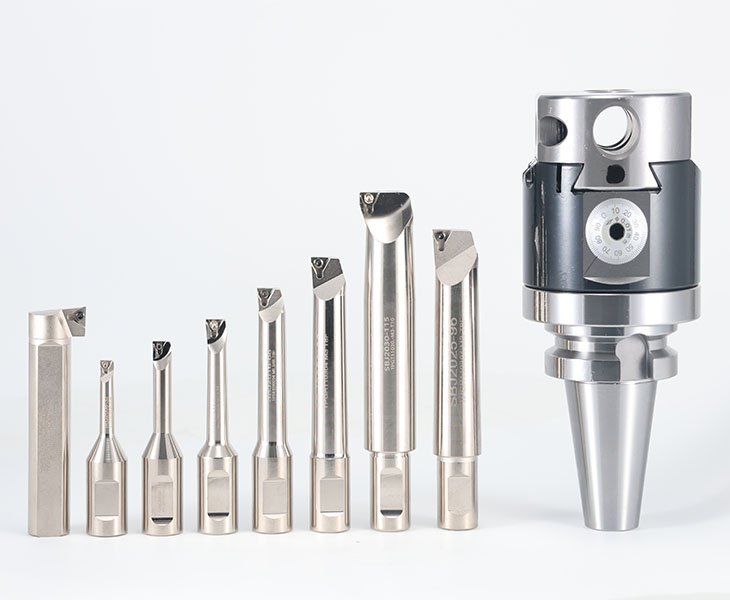
Industrial CNC Boring Tools for Precision Machining
When precision machining, problems with making holes bigger are usually caused by shaking and tool deflection. At first, a regular boring bar might work, but it soon bends under the cutting pressure, leaving chatter marks, centerlines that don’t line up, and casts that can’t be used. It’s annoying when tools don’t work right and you have to constantly change microadjusters or slow down feeds.
Because our tools are so hard, you won’t have to deal with these expensive problems. When something is consistently stable, you can hold exact sizes and tight positional tolerances without worry, even if the tool has a long overhang. Our tech team is ready to help you reach difficult depths or make custom bars with more than one step. Just send us the plans for your part, and we’ll look them over quickly and professionally.
Boring Tools by Application
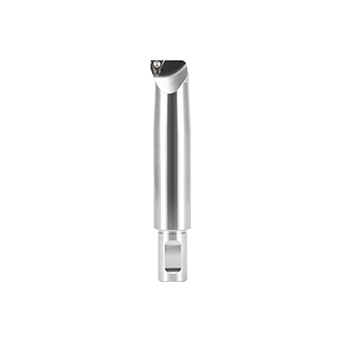 Rough Boring
Quickly make holes that have already been drilled, punched, or cast bigger. Made to handle strong cutting forces and get rid of as much material as possible quickly before the final finishing pass.
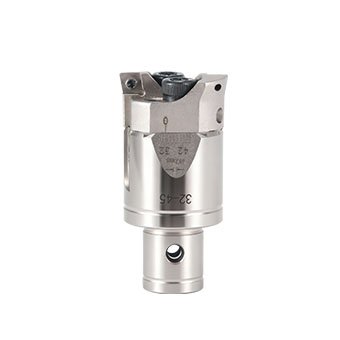 Fine Finish Boring
Made to be very precise at the microscopic level. It lets workers set exact diametrical tolerances (like H7) and get better surface finishes on the last pass of light-cutting.
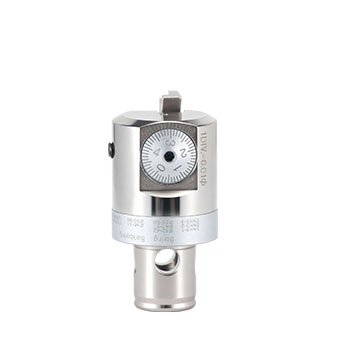 Deep Hole Boring
Made for holes that are very deep compared to their width. Uses very stiff or tuned dampening designs to stop chatter, which makes sure the bore stays straight even when the tool overhangs a long way.
Why Choose Hanöki Boring Tools
You can set the width right down to the micron with micro-adjustable heads. Make sure that every pass is perfectly centered.
Solid carbide shanks and anti-vibration designs can reduce harmonics. Keep the structure stable and the ends spotles.
This keeps the surface finish safe, stops the insert from failing suddenly, and stops the need to recut.
Precision-machined insert seats give the gripping force its full potential. This keeps the cutting stable and saves the expensive tool body in case the carbide insert breaks.
We keep a huge stock of roughing and finishing heads that are ready to ship. To keep work going, we send out your tools right away.
Talk to real CNC machining pros. We can help you figure out safe overhang ratios, choose the best insert nose radius, and fix bending problems in just a few hours.
Optimized Clearance Geometries for Excellent Chip Evacuation
In internal cutting, it is very hard to get chips out of a small hole. If chips pile up around the tool, they score the newly polished surface right away and cause the insert to fail quickly. Hanöki boring bars are designed with chip clearance grooves that make the most of the room available for air flow without weakening the core rigidity of the tool. This exact geometric design makes sure that curled chips flow smoothly out of the hole. This keeps your perfect surface finish safe and stops chips from getting stuck in deep or blind holes.
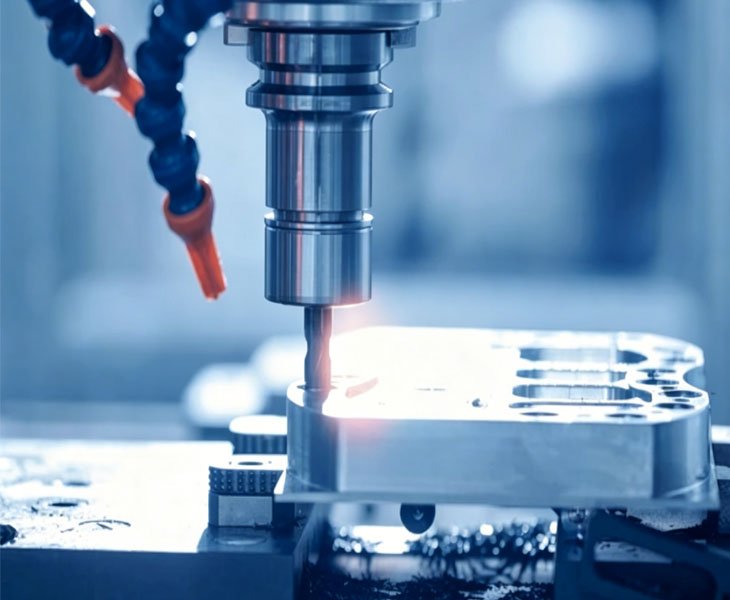
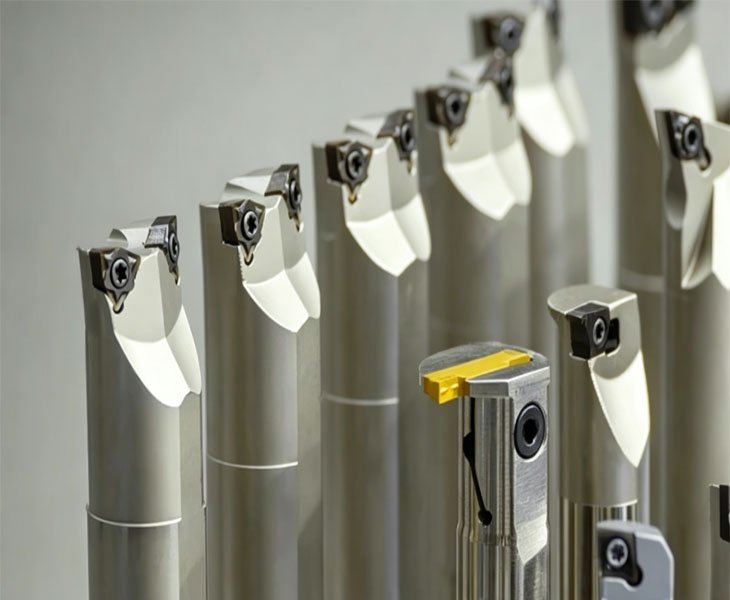
Superior Rigidity for Deep-Hole Stability
Deep cavity machining naturally makes vibrations worse, and normal steel bars bend easily when cut. This chatter destroys the finish on the surface right away and can break your carbide inserts. Hanöki solves this problem by making cutting bars out of high-quality solid carbide and high-density materials that are stiff in a dynamic way. By strongly fighting deflection, our tools give you the confidence to push your feeds, keeping tight tolerances and getting perfect finishes even at difficult depth-to-diameter (L/D) ratios.
True Positional Correction and Alignment
Standard finishing tools will just follow a hole that was pre-drilled or cast that is crooked or off-center. Hanöki’s single-point boring tools are made to fix these positional mistakes fully. Our boring bars set a perfectly straight centerline in relation to your machine’s spindle by using a very rigid tool body that cuts regardless of the shape of the current hole. This makes sure that the parts are perfectly centered and straight, which saves a lot of money on expensive misaligned casts.
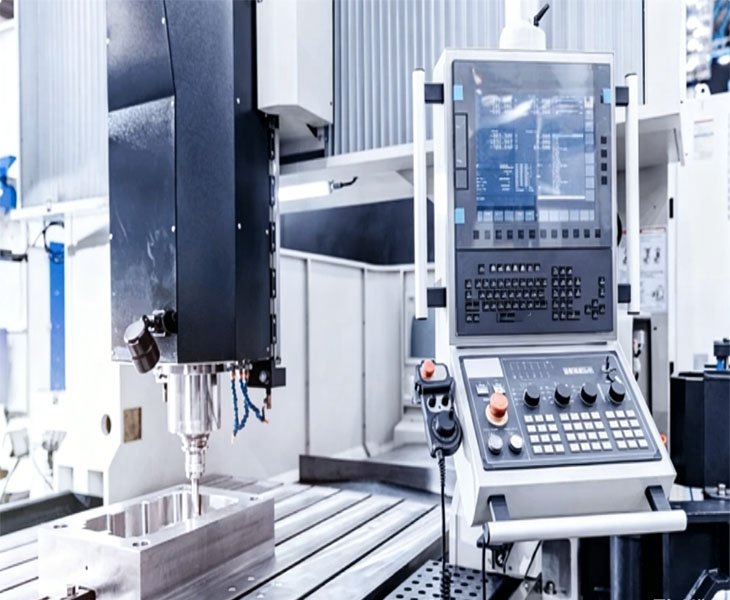
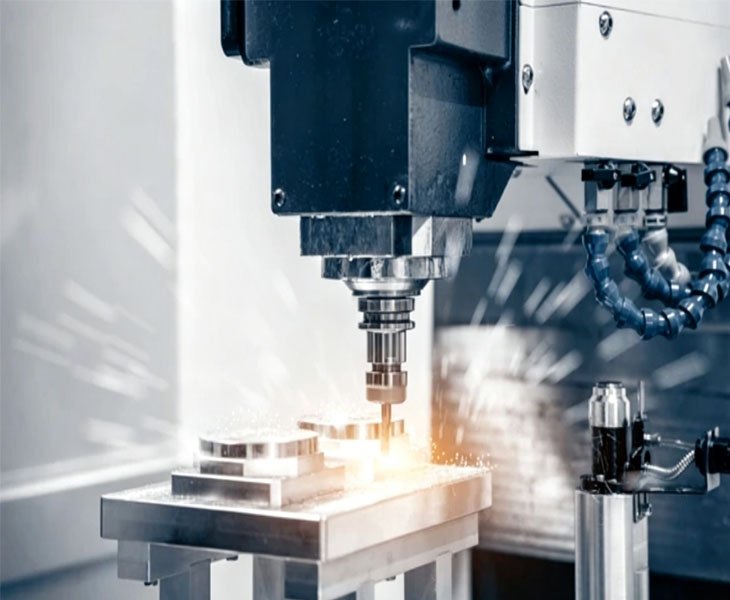
Advanced Internal Coolant for Thermal Control and Flushing
Deep or blind-hole digging is very dangerous because of the packed chips and trapped heat. External cooling can’t get to the cutting zone, which causes the temperature to change badly and the insert to fail completely from recutting chips. Hanöki boring tools have internal coolant tubes that are carefully designed to send high-pressure fluid straight to the cutting edge. This two-in-one technology lowers cutting temperatures by a large amount to protect your perfectly smooth surface finish and extend the life of the insert.
High-Rigidity Boring Tools Manufacturer
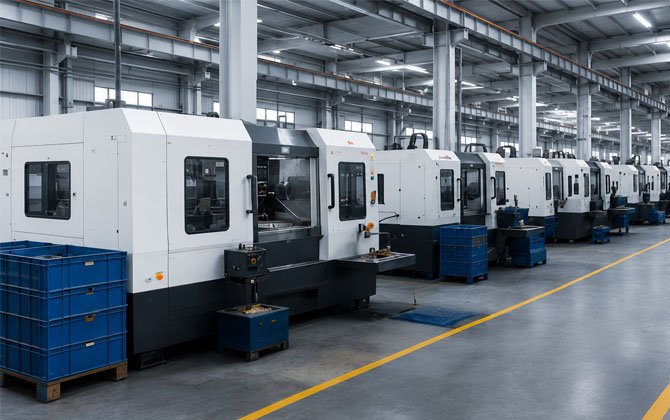
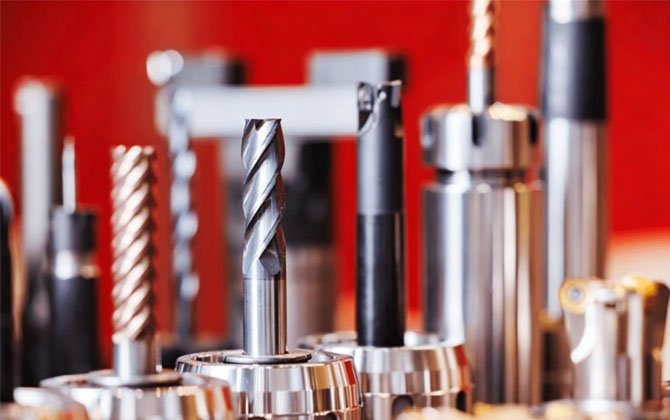
Since Hanöki has been in business for 30 years, we don’t need a middleman to provide high-quality boring services. We do it all from our 25,000-square-meter building. Our heavy-duty boring bars and micro-adjustable heads are made on more than 20 advanced CNC machining centers. They ensure perfect concentricity and vibration-free performance, even during large production runs.
We keep a huge collection of roughing and finishing tools with low MOQs that are ready to ship so that your supply chain stays flexible. In addition to standard tools, our team of 10 senior application engineers offers a technical reaction time of two hours. With your plans as our guide, we can make custom, multi-step boring bars that cut your cycle times in half. Hanöki gives your CNC operations the unwavering stability and quick global support they need to get rid of deep-hole chatter and get exact bore size.
Boring Tools Application Areas
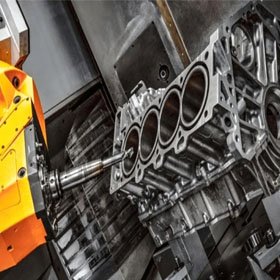
Cylinder blocks and connecting rods for engines need to be perfectly straight and centered. Boring tools make sure that the exact tolerances and friction-free surface finishes are met so that pistons and bearings can work easily at high RPMs. This keeps the engine from wearing out and increases the efficiency of combustion.
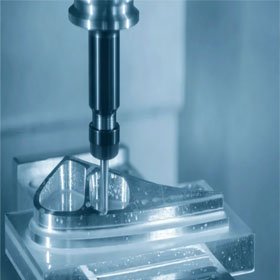
For jet engine casings and landing gear struts, tough, heat-resistant superalloys must have perfect internal tolerances. Heavy-metal and dampened boring bars stop the chattering that happens in these deep, thin-walled aircraft parts. This makes sure that the structure stays strong without having to throw away expensive titanium or Inconel parts.
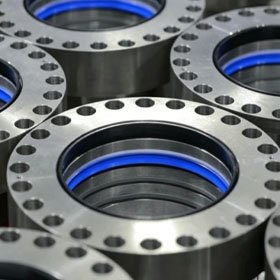
For high-pressure seals to stay in place, hydraulic systems need bores that are exactly round and straight. Boring tools have a rigid, single-point cutting action that is needed to make heavy-duty cylinders and deep pump housings. They also leave a perfect finish that keeps seals from wearing out too quickly.
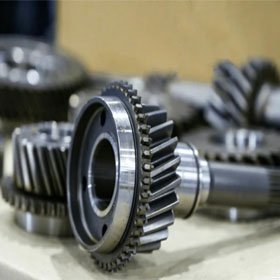
Excavators need big, heavy-duty bearings for their pivot joints, boom arms, and gears. Boring tools are very good at roughing out and precisely making these big, interrupted-cut holes in heavy cast iron or forged steel, giving them the strong alignment they need to handle huge mechanical loads.
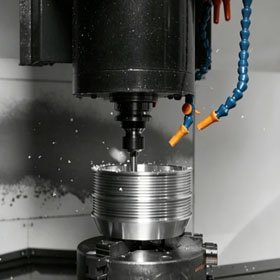
Precision mold bases can’t open and close without guide pillar bores that are perfectly lined. Fine-adjustable boring heads let toolmakers set limits as small as a few microns. This fixes any pre-machining drift and makes sure that the mold works without any friction, which greatly increases the tooling’s lifespan.
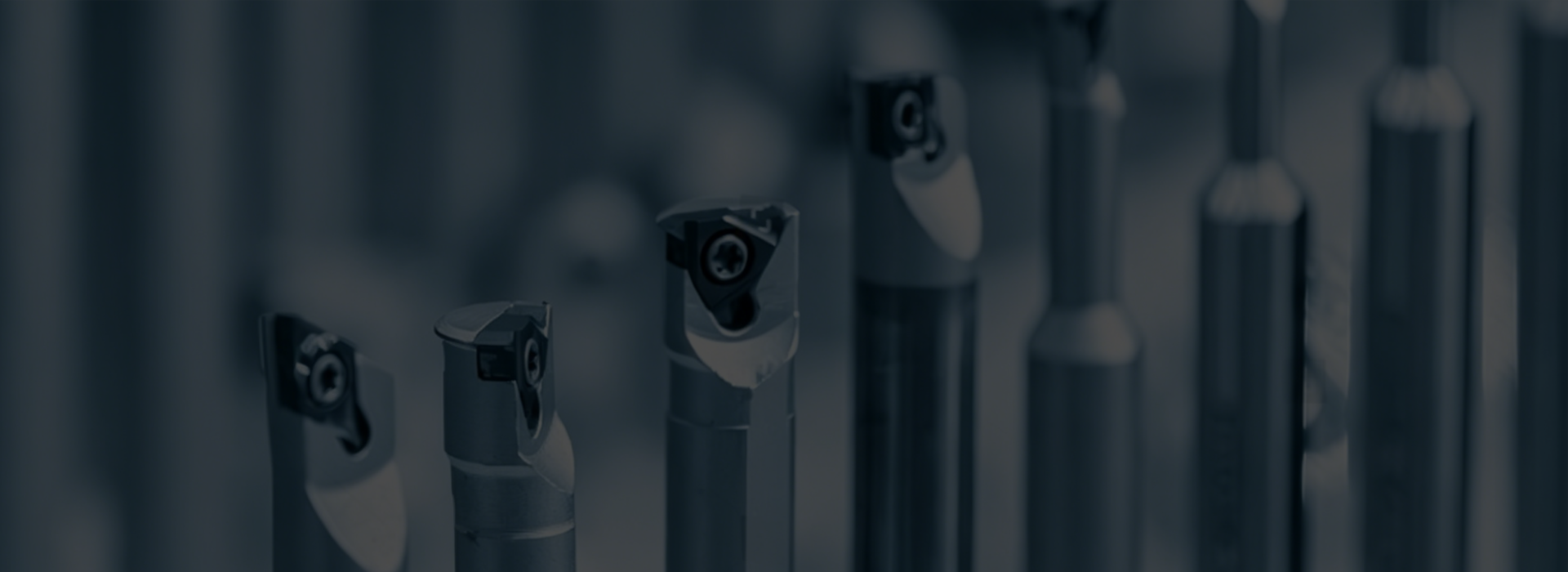
A boring tool is a precise, one-point cutting machine used on lathes or mills to make a hole that has already been drilled or made bigger, straighter, and the right size.
The first hole is made from solid material by drilling. Boring is the second step that makes the hole bigger, fixes any off-center issues, and makes sure that the limits are exact.
To make a hole the right size, a reamer follows the direction of the hole. A boring tool makes a straight, single-point cut to create a perfectly straight axis and fix any geometric errors.
Bits for drilling can bend and move off-center. A boring bar makes sure that the hole lines up properly with the spindle of your machine by providing absolute positional accuracy and concentricity.
It means that the tool only has one cutting edge, which is usually a replaceable carbide insert, that makes the interior cylinder-shaped surface. This makes it very easy to change the diameter.
With rough boring, which often uses twin-cutter tools, a lot of material is removed quickly. Fine boring uses heads that can be adjusted very small amounts to make light cuts for precise sizes (for example, H7 standards).
The ratio of length to diameter is written as L/D. It checks the tool excess. A bigger L/D ratio makes deflection and chatter more likely, so you need stronger tool materials like solid carbide.
When your excess (L/D ratio) is more than 4:1, use a solid carbide boring bar. Because carbide is much stiffer than steel, it greatly reduces deflection and harmonic noises in deep holes.
The tool is unique and has a heavy-metal core or a device inside it that dampens vibrations. It absorbs cutting motions so that boring can be done steadily and without chatter at very deep depths (up to 10:1 L/D).
A very fine finishing tool that grinding machines use. It has a zero-backlash dial that lets users set the cutting diameter to as little as one micron for perfect fits.
It is best to leave about 0.2mm to 0.5mm (0.008″ to 0.020″) on the circle. If you leave too little, the insert will rub, and if you leave too much, it will bend.
Cutting pressure is lower, and chatter is lower when the nose radius is smaller, like 0.2mm or 0.4mm. A bigger radius makes the surface smoother, but the setup has to be very stiff.
Critical in every way. High-pressure fluid is blasted directly at the cutting edge by an internal cooler. This flushes chips out of deep or blind holes and stops the need to recut chips and insert failure.
Make the bar as short as you can with the clamp. Make sure the centerline of the tool is perfectly lined up with the centerline of the item on a lathe, and use high-quality collets or hydraulic chucks.
Yes. Instead of being limited to a single size, a single-point boring bar can be set up to make a wide range of internal diameters using CNC interpolation.
To make the cut more stable, cut down on the tool overlap, speed up the feed, use a smaller insert nose radius, or switch to a solid carbide or dampened boring bar.
The bar moves away from the cut when the tool bends, which results in tapering. You can fix this by cutting with less depth, less feed, or a bored bar that is stiffer.
Chip jamming, built-up edge (BUE), or vibration are often to blame for bad finishing. Make sure you have a high-pressure coolant inside the insert and that the shape of the insert fits the material.
Most of the time, recutting chips that are stuck in a blind hole, severe vibration (chatter), or an incomplete cut (like a keyway) hitting the insert edge are what cause an insert fracture.
You should use a boring tool with directed through-coolant channels and an insert with strong chip-breaking geometry to curl the chips tightly so they are easy to flush.
Yes, as long as you use a very rigid boring set-up with high-tech cutting tools like ceramics or Cubic Boron Nitride.
Use a carbide insert that is very smooth, not covered, and has a sharp, positive rake angle. This keeps sticky metal from joining the cutting edge (built-up edge).
It is a custom-made tool with several cutting edges that are set at different sizes. You can bore, counterbore, and chamfer a complicated hole all at once with this tool.
If the body of the tool is not broken, it can last for years. The wear on the changeable carbide inserts depends on how hard the material is, how fast it is cut, and how much coolant is used.
Hanöki has been making CNC parts for 30 years and offers very rigid boring bars, micro-adjustable heads, a huge global inventory, and quick custom engineering right from our plant.
How to Improve Tool Life with the Right Boring Tool Choice
When speeds and feeds are wrong, inserts often break too soon, and surfaces don’t finish well. Usually, this is because the boring bar isn’t hard enough for the job. If you push a regular steel boring bar into a deep hole, it will bend and chatter, which will break the carbide cutting edge right away and ruin your workpiece.
Match the bar material to your Length-to-Diameter (L/D) ratio to get the most out of your tools. For shallow, stable setups (up to 3:1 L/D), steel bars are a cheap option. However, for deep-hole stability, you must upgrade to solid carbide or anti-vibration dampened bars. It is also very important to match the bar with the right insert shape. If you choose a smaller nose radius, the cutting pressure drops by a lot, which stops the deflection. Also, high-pressure through-coolant and optimized chip breakers make sure that chips flow out easily instead of getting stuck in blind holes. Setting these stiffness and chip-control parameters is the fastest way to make your inserts last longer and lower your cost-per-part.