
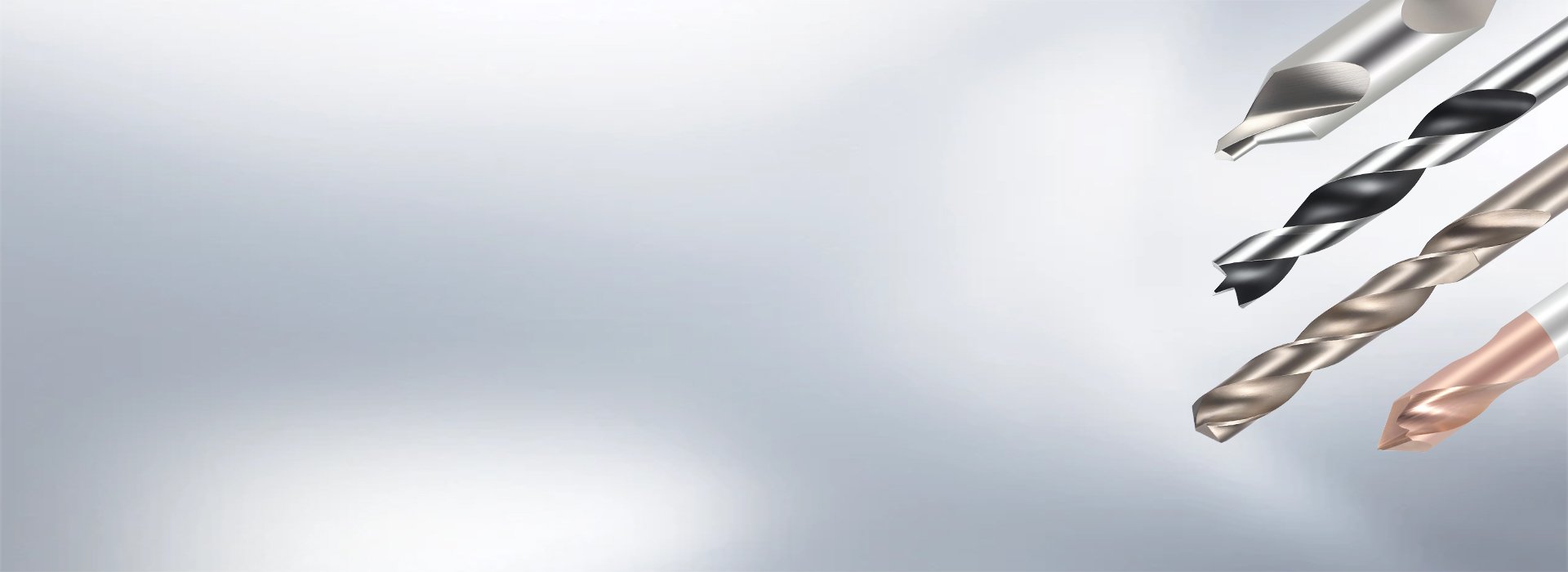

Your Direct Manufacturer for High-Performance Drill Bits in China
- Strict tolerance control ensures precise drill bit centering, producing perfectly round holes.
- High-performance coatings like TiAlN reduce heat and friction when drilling steel, stainless steel, or aluminum.
- Polished flutes ensure smooth chip evacuation, preventing packing and tool breakage even in deep-hole drilling.
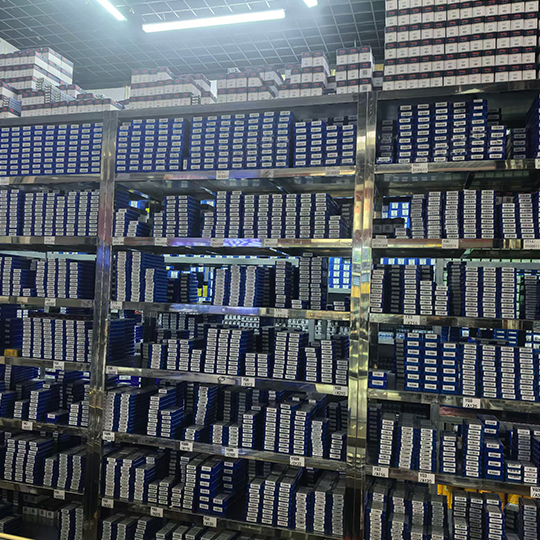
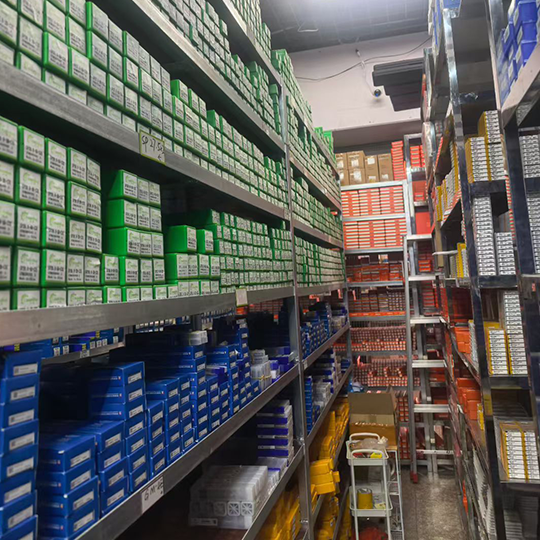
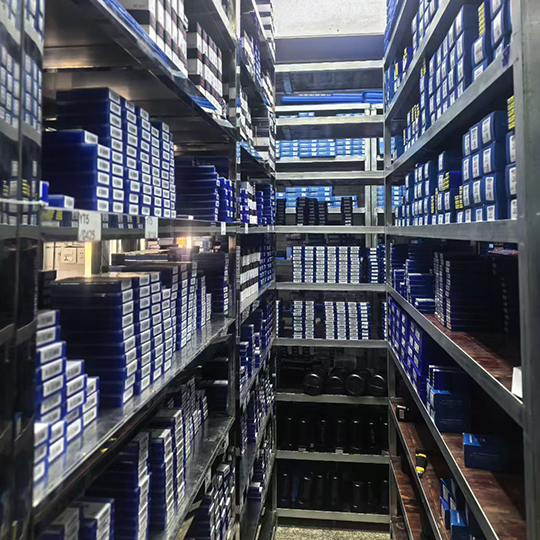
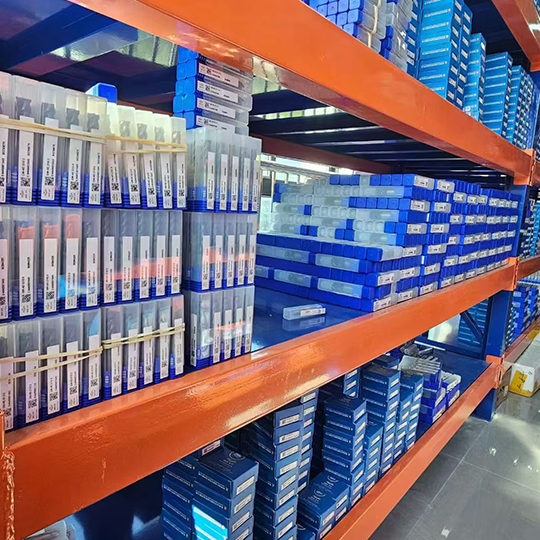
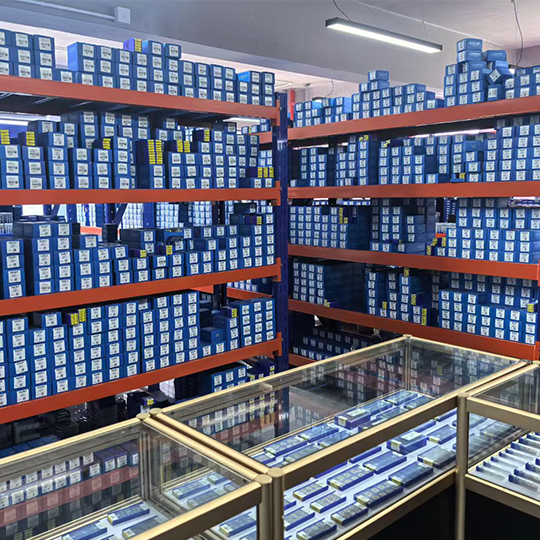
- Massive inventory of metric and fractional sizes (stub, jobber, and extended) is ready for immediate global shipping.
- Standard cylindrical and Weldon shanks ensure a secure fit in all common milling chucks or spindles.
- Custom step drills and unique geometries made directly from your drawings to slash cycle times.
What Are Drill Bits?
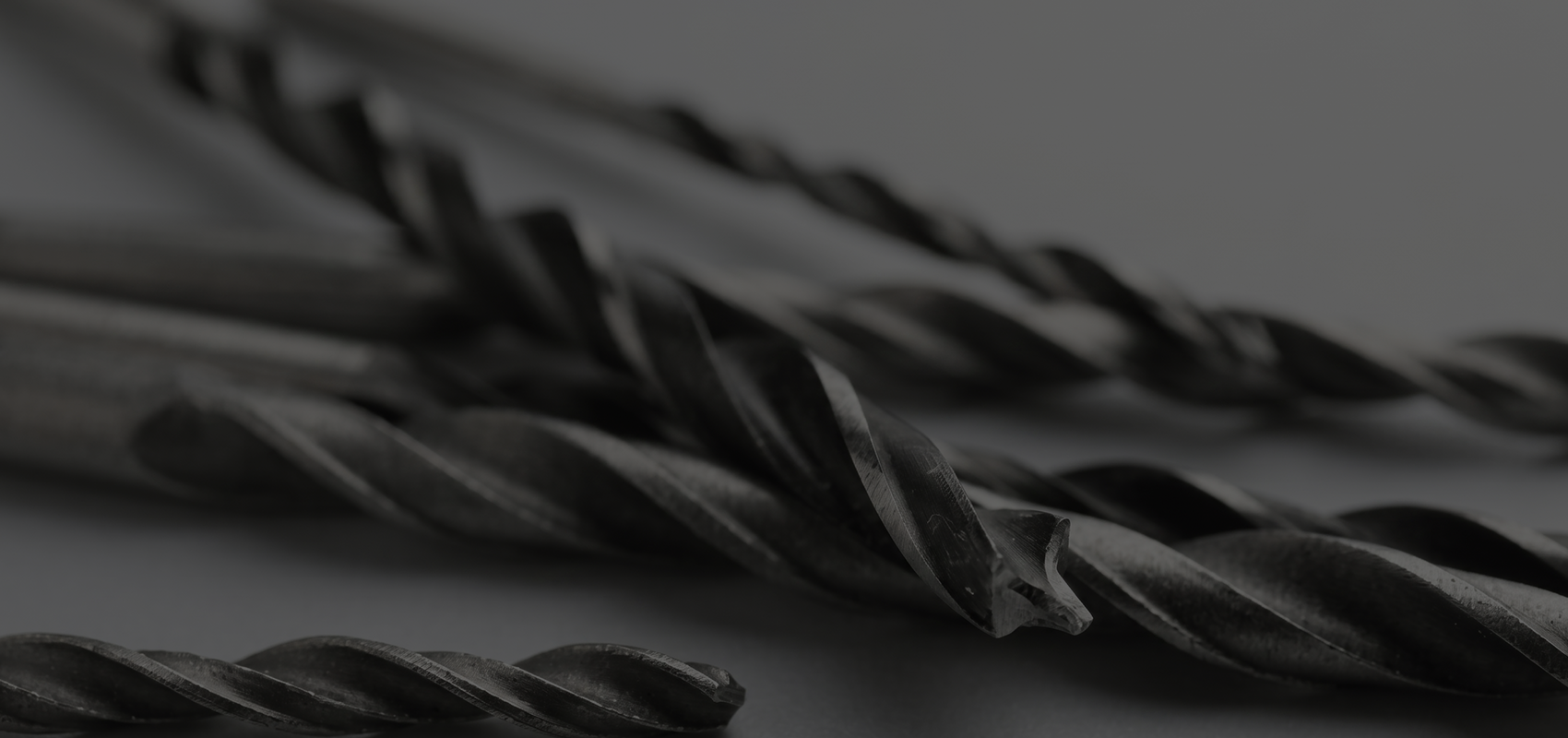
Drill bits are important cutting tools that are used to make round holes in a piece of work. Their construction makes them strong enough to cut through tough metals like steel, cast iron, and aluminum. They are usually made of high-speed steel (HSS) or solid carbide. As the drill turns, the sharp point cuts into the material. The spiral grooves, which are called flutes, move hot chips out of the hole easily. This effective chip removal keeps the tool from getting stuck and extends its life, making sure that the first pass makes a clean, accurate hole. No matter if you need standard drills for mass production or custom-engineered shapes, Hanöki has the right tool ready to ship. Check out our choices below, or get in touch with us right away for a quick price!
Drill Bits for Reliable Production
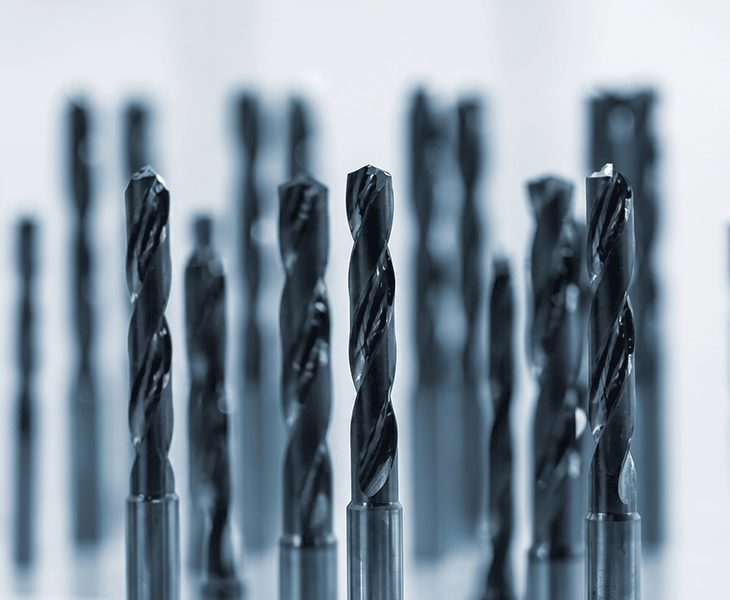
In real machining, drilling problems are usually caused by choosing that isn’t clear or isn’t consistent. The first batch of drills works exactly, but the second batch wears out faster or chips at the tip, which causes lost work time. It can also be hard to pick the right tool when the point angles and finishes look the same, and sudden stock shortages make it harder to keep track of repeat orders.
These problems can be solved by stable production, clear drill classification, and having all common sizes in stock. Consistent drill performance means that making a bunch of holes will go smoothly with fewer breaks. Our engineering team is ready to help with specific uses or custom step drills. Just send us your use details or plans for a quick look over.
Drill Bits by Application
 General Purpose Drilling
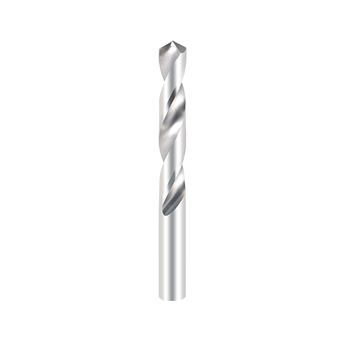
For standard hole-making operations. Suitable for a lot of different materials, ensuring stable performance and predictable tool life in batch production.
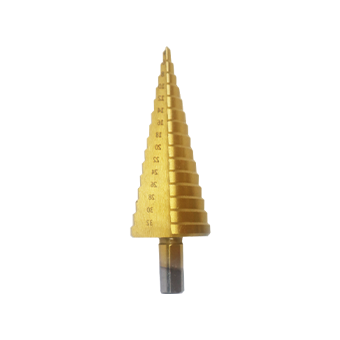 Step & Chamfer Drilling
Used to make holes of different sizes or add a chamfer all at once. Cuts down on machine run time and gets rid of the need for extra tool changes.
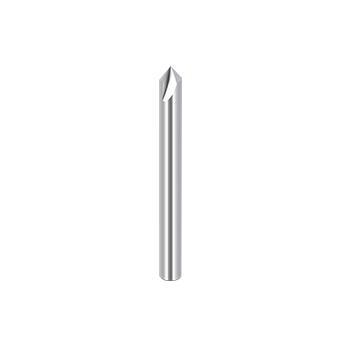 Spot & Center Drilling
To make a perfect starting dimple before the main drill goes in. Keeps the drill from moving and makes sure the hole is exactly where it should be.
Drill Bits by Drill Type
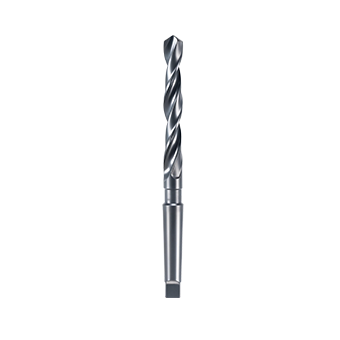 Jobber Length Drills
The drill length that is most often used. It has a good mix of reach and rigidity for normal hole depths and everyday machining.
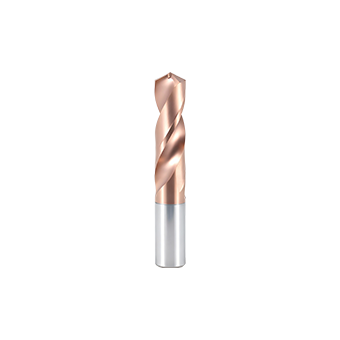 Stub Length Drills
Drills that are shorter and more tight. Ideal for drilling small holes in tough materials and keeping the bit from deflecting when it’s being fed quickly.
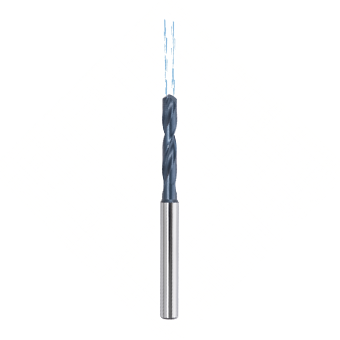 Coolant-Through Drills
Coolant is sent straight to the cutting tip through internal channels. Very important for quickly getting rid of chips and keeping heat under control in deep holes.
Drill Bits by Material & Coating
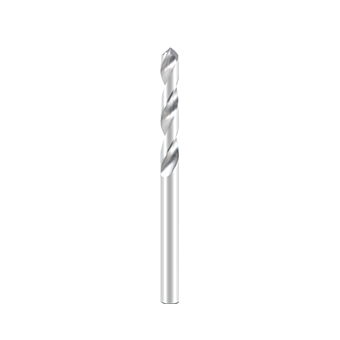 Solid Carbide Drills
Offers the highest level of hardness and heat protection. Often used for cutting steel, cast iron, and tough metals at high speeds and in large quantities.
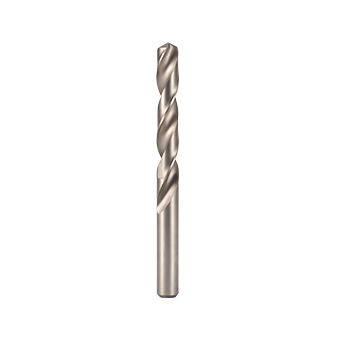 HSS & Cobalt Drills
Tough and very good at handling shocks. a good, low-cost option for general cutting, working with soft metals, or setting up machines that aren’t as rigid.
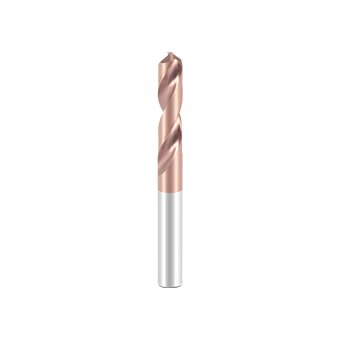 Coated Drills (TiN, TiAlN)
Possesses surface treatments that make it less likely to wear down and lessen friction. Tool life is greatly increased when cutting rough or sticky materials like stainless steel.
Why Choose Hanöki Drill Bits
Expect the same amount of wear from one batch to the next. Our precise grinding standards make sure that every drill point and cutting lip works the same way. This means that you won’t have to make as many unexpected tool changes, and the drill won’t move during high-volume production.
Our updated flute designs make sure that chips are removed smoothly, even in holes that are very deep. This keeps chips from getting stuck and packing together at the bottom of the hole, which keeps the drill from breaking suddenly and ruining the workpieces.
Steel, Stainless Steel, and Cast Iron all work well with our high-tech coatings and tough surfaces. One set of drills can be used for different materials without affecting performance, which makes it easier to keep track of the tools in your tool crib.
We made it easier to choose by using a clear, logical method for names and sizes. It is easy for operators to find the exact thickness, length, and point style they need for the job. This makes mistakes less likely, which saves a lot of money on the shop floor.
Don’t let a missing drill bit stop the line. All regular metric and fractional sizes are kept in huge stocks, so we can ship the tools you need right away and get them to you quickly, anywhere in the world.
It’s better to talk to application engineers directly than to only talk to salespeople. We can help you get the most out of your machine by getting the speeds and feeds just right, suggesting pecking cycles, and fixing problems within hours.
Pinpoint Accuracy and Self-Centering Design
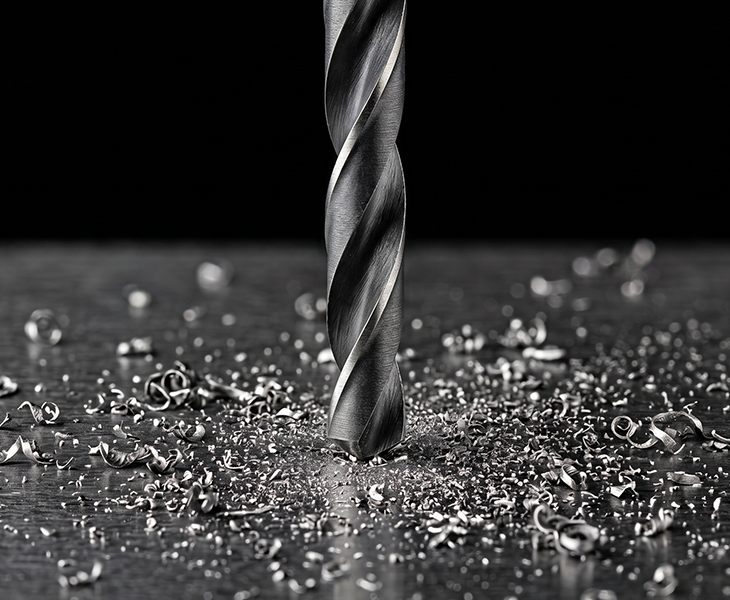
In high-volume production, a drill that moves off center destroys parts and breaks tools. At Hanöki, we have strict quality control that makes sure every drill bit has the same point angles and web widths. Because both cutting tips hit the material at the same time, our drills start to work right away and stay straight. This safe self-centering design means that spot drilling isn’t always needed, which saves time. You get exactly round, precisely sized holes right from the start, no matter how deep you drill or how shallow you drill. This cuts down on waste and increases efficiency.
Smooth Chip Evacuation for Safe Drilling
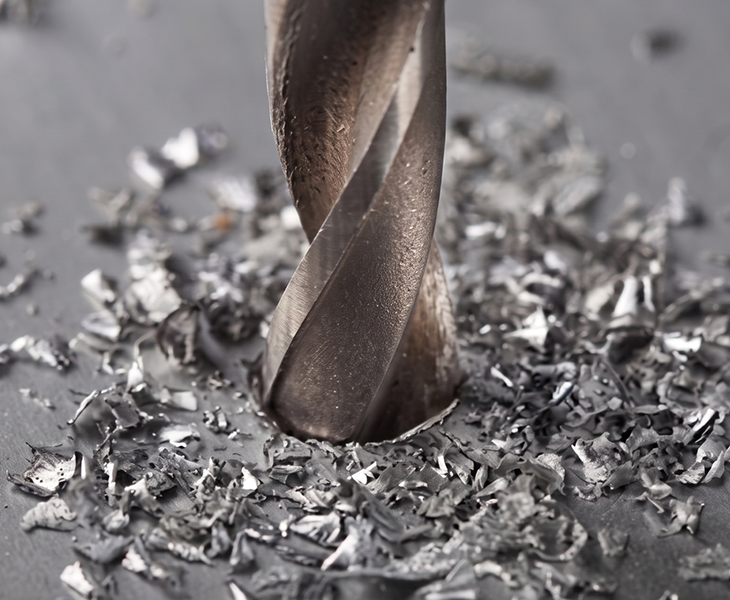
A main reason why drills fail is that the chips don’t get cleared out well. When chips can’t get out, they pack tightly into the flutes, making a lot of heat that breaks the tool quickly. To stop this from happening, Hanöki drill bits have highly optimized flute shapes and smooth surfaces. Our flutes curl chips up tight and smoothly push them out of the hole before they can get stuck, like a fast lift. You can easily run at higher feed rates and drill deeper without having to use slow pecking cycles if you let the chips flow freely and take the heat away from the cutting edge.
Multi-Material Performance to Simplify Inventory
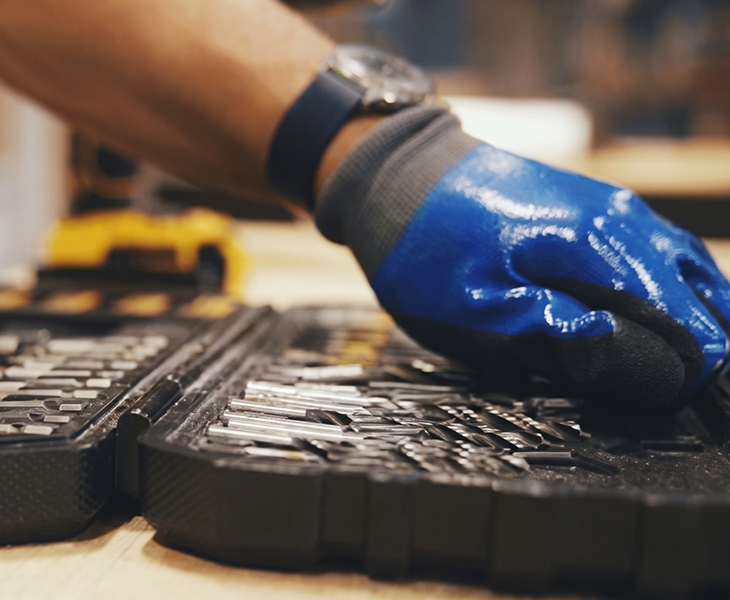
It can be expensive and hard to keep track of a tool chest full of very specific drill bits. We designed Hanöki drill bits to work very well with a wide range of materials, so you can get more done with fewer tools. A single Hanöki drill series can easily cut through carbon steel, gummy stainless steel, and rough cast iron because it has tough substrates and improved coatings that don’t wear down. These treatments make the surface less slippery and protect it from high heat. Because of this, your workers will spend less time switching out tools, which will help you reduce the number of tools you need to keep on hand while still getting great cutting results.
Massive Ready-to-Ship Stock for Global Delivery
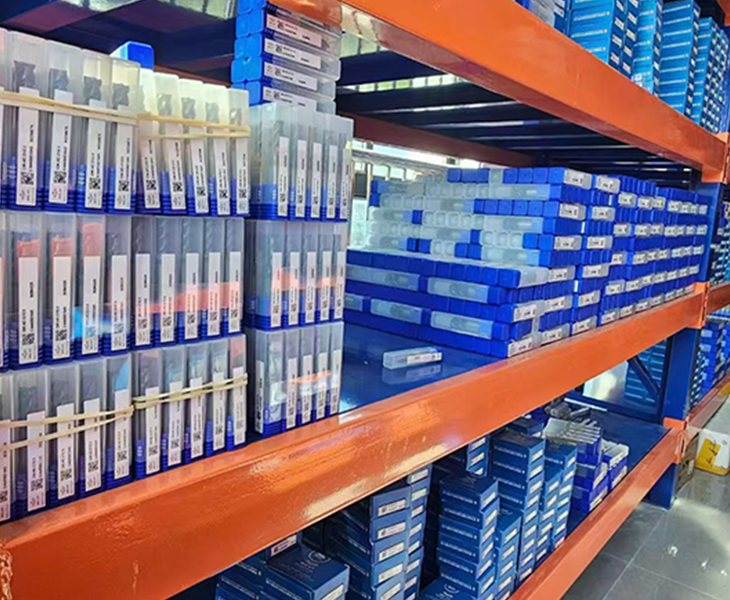
In the fast-paced world of cutting, you can’t wait weeks for a standard tool to be delivered. A CNC machine won’t work if it doesn’t have the right drill bit. That’s why Hanöki keeps a huge stock of standard drill bits at our site that are ready to ship. From stub drills to long deep-hole drills, we have a huge selection of metric and fractional sizes in stock. We keep a lot of stock on hand, so we can process and ship your orders right away. Your work line never stops because you get the tools you need quickly.
Your Trusted Manufacturing Partner for High-Precision Drill Bits

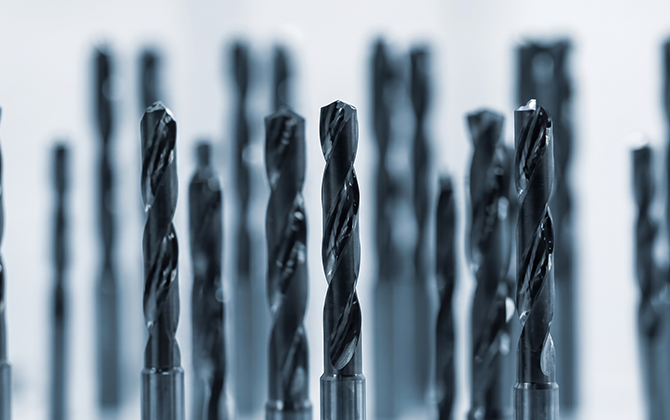
With more than 30 years of experience making high-precision drill bits and cutting tools, Hanöki is the company you can trust to make great holes. Over 20 advanced CNC grinding centers are housed in our 25,000-square-meter production building. This means that we can guarantee consistent quality for even the largest orders. We offer low MOQs and keep a huge inventory ready for quick shipping around the world so that your business can stay flexible. Our team of 10 senior application engineers guarantees a technical response time of two hours and will help you with everything from choosing the right tools to finalizing the process improvement. Hanöki always gives you the accuracy you need, whether you need simple jobber drills or complicated step-drills made from your own drawings.
Drill Bit Application Areas
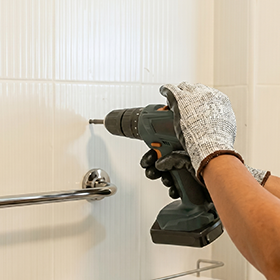
This is what we use our practice for most of the time. You need a tool that just works whether you’re fixing a broken bolt or making mounting holes in a metal clamp. You should have these drills in your toolbox because they are tough enough to handle shaky hand-held use and materials that don’t behave as expected.
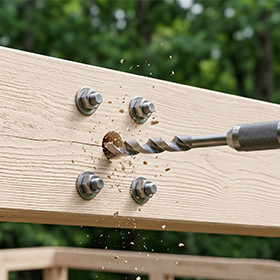
It’s important that home projects are easy to use. Our drills are made with sharp tips that hit wood, plastic, or thin metal right away, without “walking” or sliding across the surface. You can make clean, splinter-free holes with even the most basic electric home drill. This makes your do-it-yourself projects look like they were done by a pro.
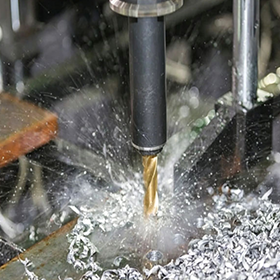
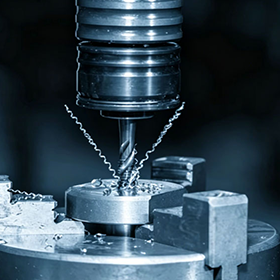
Drills in machine shops are used on CNC tools or drill presses to make thousands of holes in parts made of steel, iron, and aluminum. The chips are taken out quickly, and the machine can handle high temperatures, so you don’t have to stop to clear jams.
Building sites often have you drill through thick structural beams or metal frames. These are tough jobs that are usually done outside. The core of our bits is reinforced so they can handle high torque and heavy pressure. This means they won’t wear out quickly when working on heavy-duty building projects.
For general welding, high-speed steel (HSS) is strong and flexible, while Solid Carbide drill bits are better at withstanding high speeds and high volumes of heat.
For stainless steel, use split-point Cobalt (M35/M42) or Carbide drills that can handle high heat and work-hardening.
A split point, which is commonly 135°, reduces “walking” by letting the drill go straight into the metal without making a pilot hole first.
For cutting through hardened steels and high-tensile metals, solid carbide or TiAlN-coated cobalt drills work best.
Since stub drills are shorter and stiffer, they work best for drilling small holes where accuracy is important and the tool shouldn’t bend.
Even though some sizes are close, it is important to use the correct decimal equivalent for accurate engineering and fastener fit.
Step drills are made to make holes in thin sheets of metal with more than one diameter using a single tool. They are commonly used in HVAC and electrical work.
Titanium Aluminum Nitride (TiAlN) coating is very stable at high temperatures, which lets it cut faster and last longer in dry or hot drills.
Coolant-through drills send fluid straight to the cutting edge. This flushes away chips and lowers the temperature during deep-hole drilling.
For general use, a 118° point is normal. For harder metals and automated CNC machining, a 135° split point is better.
Wide flutes or parabolic flutes are made to quickly lift chips out of deep holes, keeping the tool from getting stuck or breaking.
Web thinning reduces the chisel edge width, which lowers the push force needed and makes it easier for the drill to center itself.
Too fast of feed rates, bad chip evacuation, not enough lubrication, or using a drill that isn’t rigid enough for the material are all common reasons.
Slow down the cutting speed (RPM), speed up the feed rate, and use the right cutting fluids or high-performance coats, such as TiN or TiAlN.
This is usually due to a drill that is bent, a point grind that isn’t in the middle, or too much runout in the spindle or chuck of your machine.
Some signs are louder noises, smoke, changes in the shape of the chips, or the need for a lot more pressure to break through the material.
Yes, but carbide needs diamond grinding wheels and exact CNC shape to work like it did when it was first made.
For deep-hole drilling, where flutes can get jammed, peck drilling is a cycle that pulls the bit back to break and clear chips.
Solid Carbide tools that are very good at what they do and have a TiAlN coating and internal coolant give the best return on investment for high-speed CNC production.
Precision carbide drills are used in the auto industry to make engine blocks and transmission parts, and the life of these tools has to be consistent.
Yes, we can make custom-engineered step drills from your CAD models that can do more than one job with just one tool.
TiN (Gold) is a good lubricant layer for most things, but TiCN (Blue/Grey) is tougher and works better on rough materials like cast iron.
For best results, always look at the manufacturer’s speed and feed chart. Speeds and feeds depend on the drill material, coating, and stiffness of the workpiece.
We offer stable tool life and fast global delivery thanks to our 30 years of knowledge, huge ready-to-ship inventory, and direct engineering support.
Tools that last longer use less energy and produce less trash, and efficient geometries allow for MQL (Minimum Quantity Lubrication) machining.
How to Improve Tool Life with the Right Drill Choice
Too short a tool’s life is often caused by choosing the wrong drill, not the cutting settings. The material and shape of the drill must match the part for stable production. A “one-size-fits-all” drill often breaks or wears out quickly when used on steel, stainless steel, or cast iron, which all need different edge strengths.
Both geometry and covering are very important. Strong chisel edges and strengthened webs are needed for heavy-duty work, while sharper points are needed for precision work to get the centering right. For deep holes, you need special flute shapes to get rid of chips before they get stuck. PVD coatings are also great at keeping sharp edges in sticky materials, while CVD coatings are better at resisting wear in high-volume iron or steel cutting. The fastest way to lower your cost-per-hole is to make sure that these factors are right for the depth and type of material of your hole.