
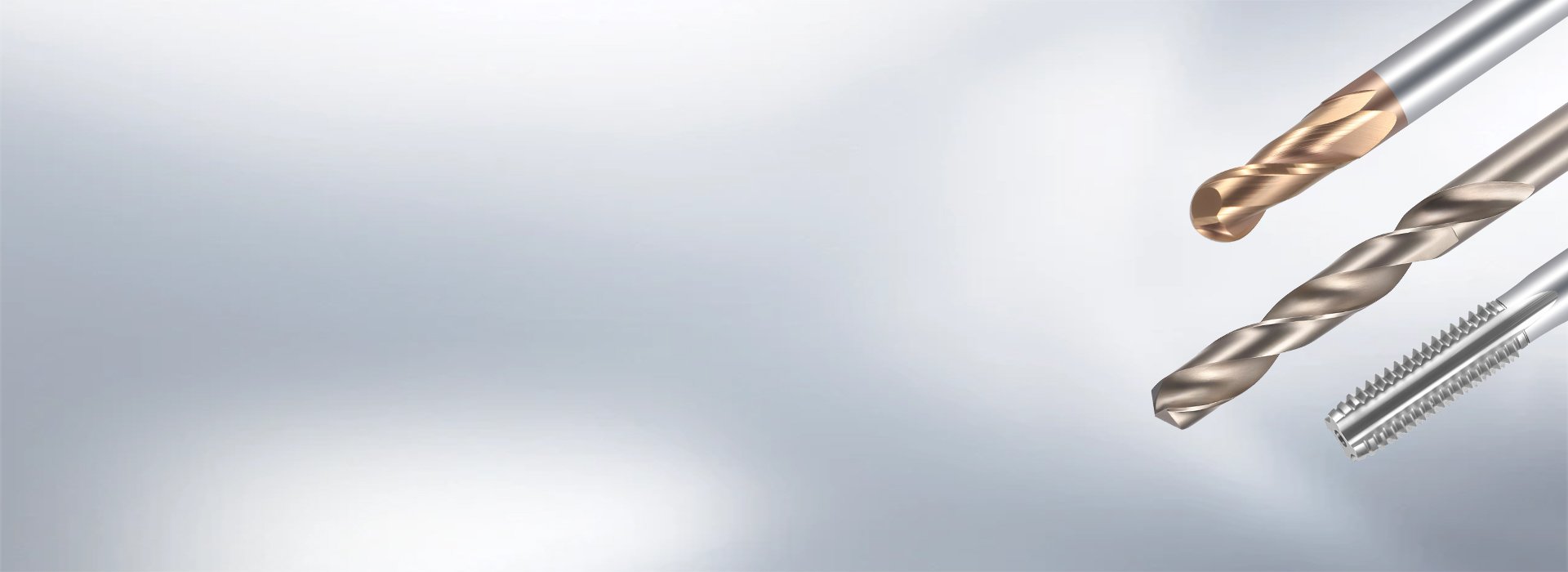

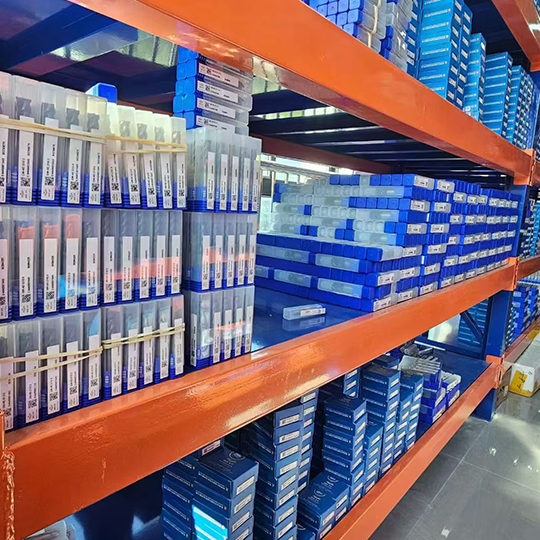
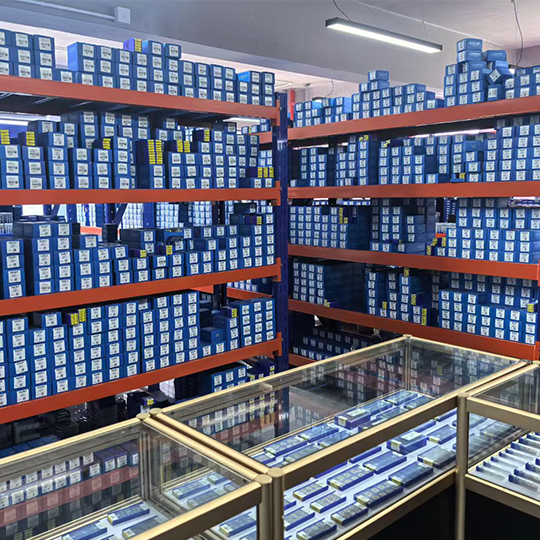
Hole-Making Tools Designed for Production
- Completes accurate holes in a single pass, reducing machining time.
- Internal coolant design improves cooling and chip evacuation.
- Long tool life reduces tool changes and minimizes downtime.
- Wear-resistant coatings ensure stable performance in batch production.
- Delivers high-dimensional accuracy and clean surface finish.
- Suitable for machining a wide range of materials.
Leading Hole Making Tools Manufacturer in China
Poor chip evacuation, unstable hole size, and uncertain tool life are common problems that can occur when drilling holes. Hanöki hole-making tools are designed to address these challenges through optimized tool design and controlled manufacturing processes.
Chip evacuation, hole straightness, and heat control are managed to deliver stable and repeatable hole-making results. Hanöki hole-making tools support consistent drilling performance, especially in deep-hole applications, where chip control and heat buildup are more difficult to manage.
By maintaining smooth chip flow and stable cutting conditions, these tools help reduce cutting instability, limit excessive heat, and keep tool wear predictable across different materials and operating parameters.
Hanöki hole-making tools are made from HSS-E, HSS-PM, or heat-treated carbide and are suitable for steel and difficult-to-machine alloys. The product range covers Metric, Imperial, Number, and Letter sizes, making it easier to match different standards and accuracy requirements.
Looking for a hole-making solution that matches your material, tolerance, and production needs?
Hanöki supports tool selection and customization based on your specific machining requirements.
Choose by Hole-Making Tools Type
Explore different hole-making tool types and match them to your machining needs.
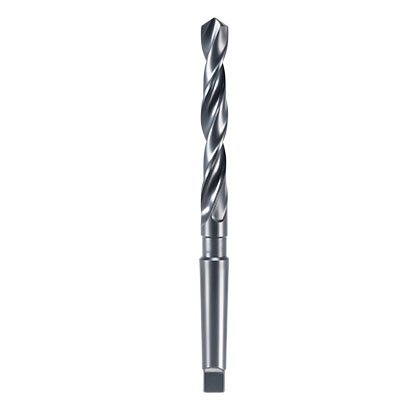
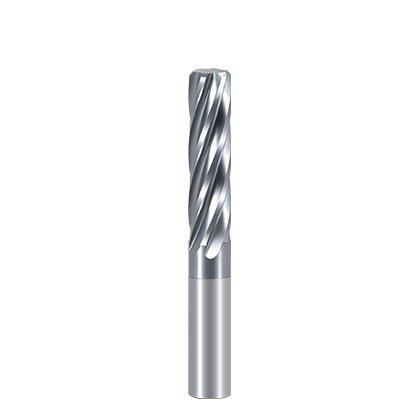
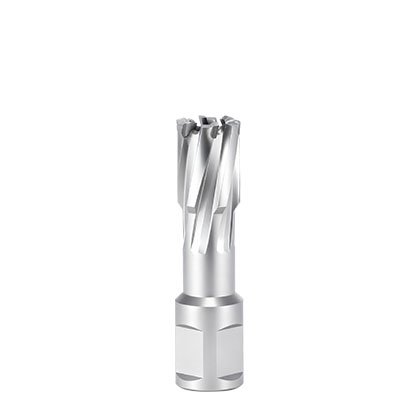
Select Hole-Making Tools by Hole Size
Find hole-making tools that match your required diameter range.
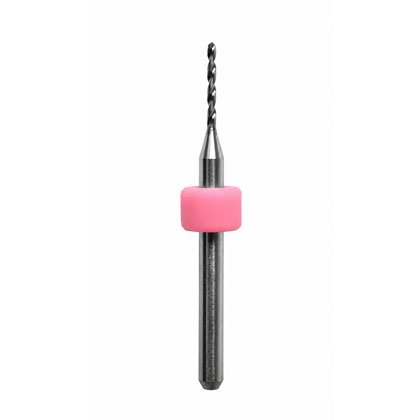 Micro Hole Drills
Used for tiny holes under 3 mm, commonly found in precision work. Sizes are available down to 0.1 mm.
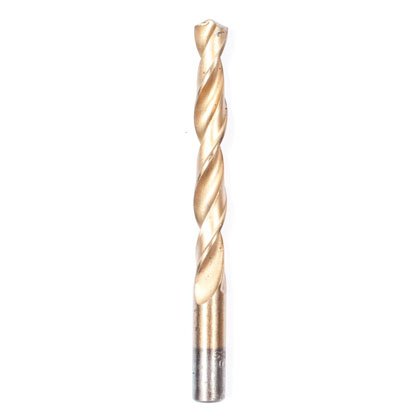 Small Hole Drills
Suitable for most standard drilling jobs up to 16 mm. Popular sizes such as 4.2 mm and 4.5 mm are widely used in daily machining.
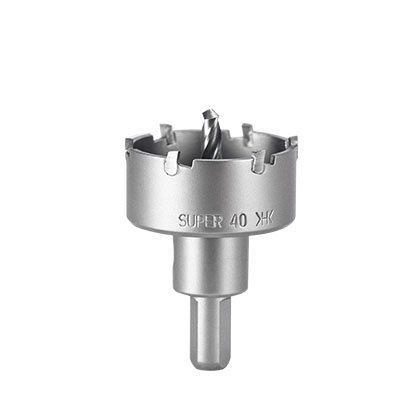 Large Hole Drills
Designed for larger diameters where strength and stability matter. Diameters are available up to 100 mm for heavy-duty applications.
Why Choose Hanoki Hole Making Tools
The first touch with the hole is often where things go wrong. Walking, holes that are too big, or extra steps to set up can happen because of bad alignment.
Hanoki hole-making tools have a self-centering shape that makes them fit into the material smoothly from the start. This means that you don’t need to use a center drill to keep the hole position stable.
More speed doesn’t help if the edge can’t handle it. Wear isn’t the only reason why many tools break; the edges chip off quickly when they’re used.
Hanoki hole-making tools keep their edges strong while being tough enough for cutting situations that aren’t stable by using micro-grain carbide or cobalt HSS (M35/M42).
When the cutting temperature goes up, the quality of the holes and the rate of edge wear both go down fast.
Nanocoatings of heat-resistant AlTiN or TiSiN slow down wear at the cutting edge, which helps keep cutting performance stable over longer production runs.
Tools often break because of chip packing, especially in holes that are deeper. Failure comes quickly after chips stop coming.
Flutes that have been carefully shaped and polished let chips escape easily, and coolants inside the flutes keep the chips and heat in check.
Poor roundness, rough surfaces, and inconsistent results between batches are all caused by runout that isn’t uniform.
Controlling runout and finishing the edge of each tool helps make sure that the hole size and surface finish stay the same from beginning to end.
Titanium or sharpened steel are examples of materials that show flaws quickly and push tools past what is listed in the catalog.
Hanoki offers edge preparation and geometry changes that are based on how the material behaves. This helps cut down on tool failure and the cost per hole in real production.
Internal Cooling Technology for Hole-Making Tools
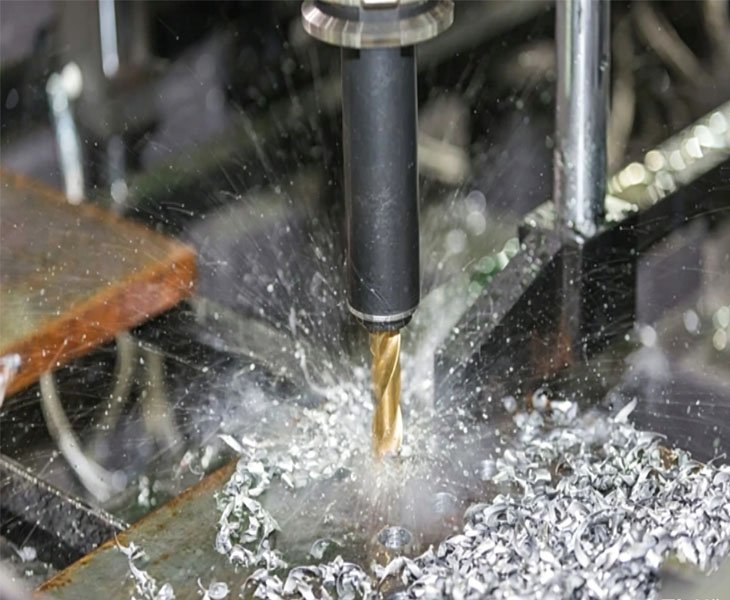
The main difference between high-performance drilling and other ways is the internal through-coolant design. By sending high-pressure fluid straight to the cutting tip through internal ducts, it solves the important problem of heat buildup in deep holes that can’t be cooled from the outside. Because the drill point doesn’t soften, this direct cooling makes it possible to cut usually two to three times faster than with regular tools. In addition to keeping the temperature stable, the fluid pressure pushes chips out of the hole all the time. This keeps the machine from getting stuck and “re-cutting” trash, which makes the surface finish much better. Additionally, this technology makes tools last longer and gets rid of the need for time-consuming “peck drilling,” letting you process deep holes (up to 20D) in a single, quick pass.
Hole-Making Tools with Wide Material Compatibility
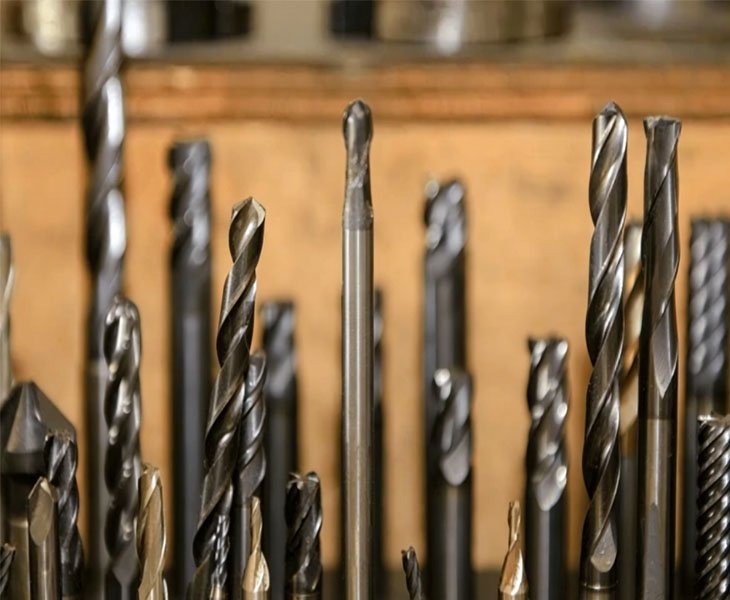
True material flexibility is reached by carefully combining substrate, geometry, and coating technologies. This is how our drills can work with any material, from soft aluminium to hardened steel. We have different substrates, from Solid Carbide for high-efficiency CNC machining of hard materials (HRC 45–65) to high-toughness HSS-Co for unstable situations. By improving geometric parameters—for example, making the edges sharper for aluminium or stronger for stainless steel—and using special coatings like TiAlN for heat resistance or DLC for non-sticking, our tools offer a “universal solution” that works the same way on carbon steel, alloys, cast iron, and superalloys that are hard to machine.
Multi-Flute Hole-Making Tools for Stable, High-Feed Cutting
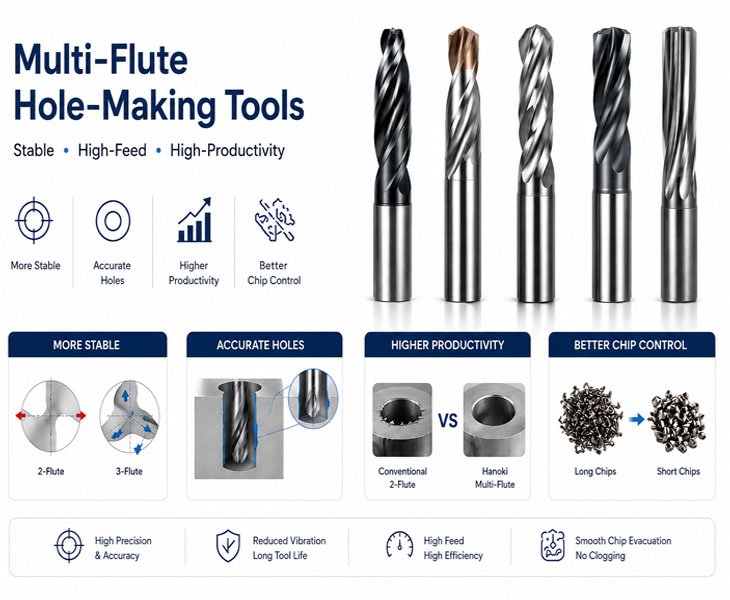
Hanoki multi-flute tools, like 3-flute drills and reamers, are more stable than normal 2-flute designs because they balance radial forces. This gets rid of vibrations and makes sure the tool centers itself right away. As a stabiliser against the hole wall, the various guide margins make sure that the part is perfectly round and the right size. Most importantly, this design makes the machine much more productive. By spreading the work across more teeth, you can increase feed rates by 30% to 50% while getting a better finish and fewer exit burrs. The improved shape also makes chip control better by breaking down material into small, manageable chips that can be easily emptied without getting clogged.
Why Partner with Hanöki?

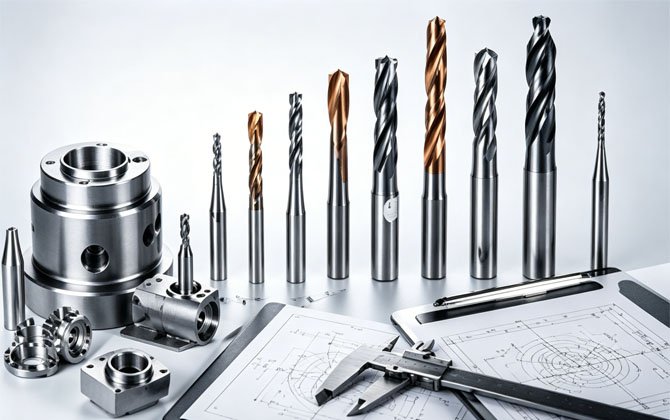
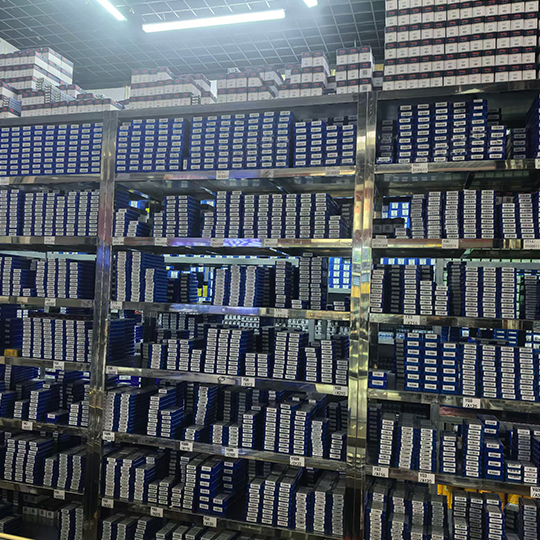
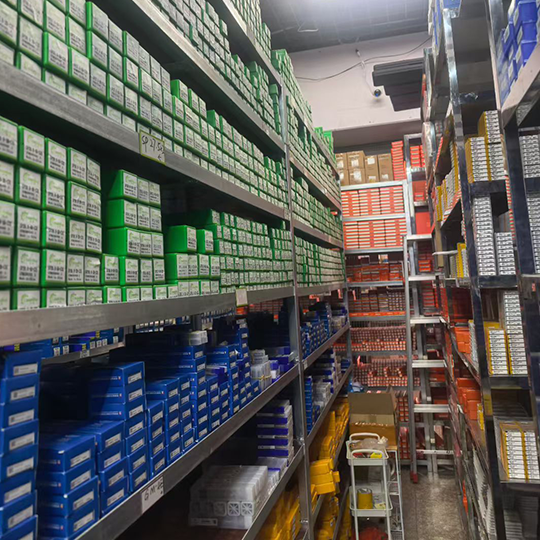
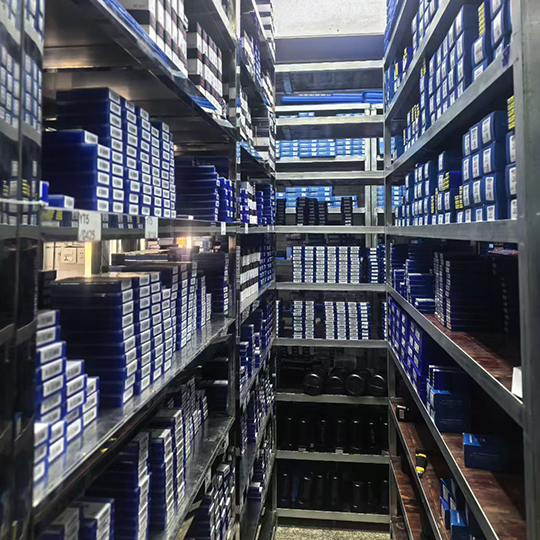
Hanöki is a leading global supplier with over 30 years of experience making hole-making tools. They have a 25,000 m² manufacturing powerhouse with 5 production bases, an R&D center, and more than 200 sets of advanced equipment that are run by more than 500 employees to ensure stable, repeatable quality for every order. We do more than just make things; we also offer one-stop sourcing with low minimum orders and fast shipping from our huge collection. We can also make non-standard tools exactly how you want them based on your drawings, so we can meet all of your technical needs. Additionally, our dedicated group of 10 top technical engineers is always ready to help you with any machining problems you may have.
Advantages and applications of different Hanöki hole-making tools
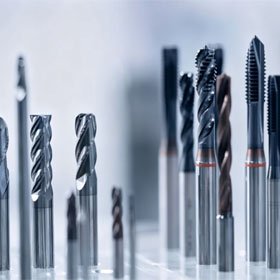
Our Drill Bits are designed to give you the highest Material Removal Rates (MRR) and instant accuracy. They are the most important tool for metalworking. With their advanced Split Point shape, they center themselves instantly, so you don’t have to do any spot drilling. Plus, our optimised spiral flute design makes sure that chips are quickly removed from deep and straight holes. Our high-rigidity tools, which come with internal cooling, provide the stability and durability needed for cost-effective, high-volume production in the automobile, aerospace, and medical industries.
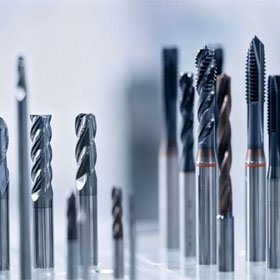
Our Reamers are the best tool for finishing holes because they can turn pre-drilled holes into exactly round, mirror-finished parts. These multi-flute tools are very stable and can center themselves to fix geometric mistakes. They can achieve tight tolerances (IT6 to IT8) and a smooth surface (Ra 0.8μm or less). For the high-precision fit needed for important mating parts in the aerospace, automotive, and precise machinery industries, they are the standard pick.
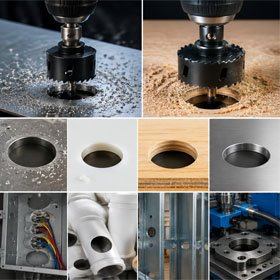
Our Hole Saws are made to make large holes with little power by using an effective “annular cutting” concept that removes only the solid’s edges instead of the whole thing. This low-torque design makes them easy to use with regular portable drills. This makes them the best way to cut clean holes in metal, plastic, wood, and stainless steel without deforming them. Because they are so flexible and last a long time, they are the best tool for jobs that need to be done quickly and with good edges in building, electrical work, plumbing, and industrial fabrication.
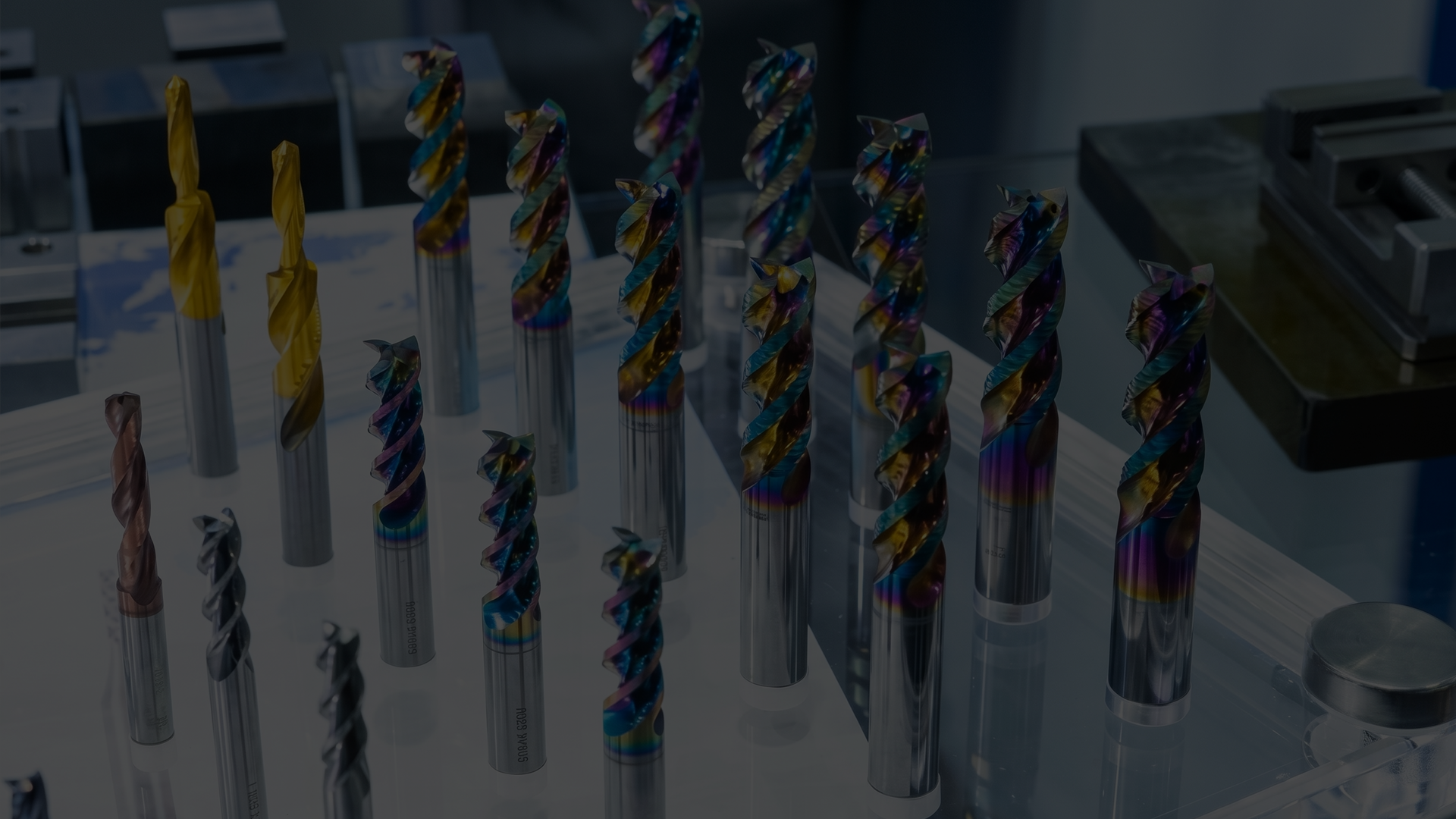
There are three main types of for hole making tools: twist drills, reamers, and hole saws/annular cuts. Twist drills make the first holes in solid materials, reamers finish holes to very close tolerances, and annular cutters and hole saws cut big holes in plates or sheet metal.
High-Speed Steel (HSS) is tough enough for general-purpose jobs or sets that aren’t stable for hole-making tools. Solid Carbide is the best material for CNC machines that make a lot of things. One of the best hole-making tools on the market, it can cut three to five times faster than HSS.
For jobs that need a very narrow size range (like H7) or a smooth, shiny surface (Ra < 1.6µm), a reamer is the right tool. These things can’t be done by tools that make holes, like drill bits. Whenever you drill a hole, make it a little too small first.
A Hole Saw is a hole-making tool with thin walls that is used with hand drills to make holes in thin metal or wood. One name for the Annular Cutter is the Core Drill. It is a strong and accurate tool that is used with magnetic cutting machines. It is better at cutting through thick steel plates than standard twist drills because it is made that way.
The Split Point shape changes the cutting edge of the tool (usually by 135°) so that it can center itself. Not having to do spot drilling, the tool not “walking,” and a lot less axial push force being needed to go through the material are all important parts of current hole-making tools.
Either an HSS-Co cobalt drill or a solid carbide drill with a TiAlN finish is the best making holes in stainless steel. In hot water, stainless steel gets stronger. Your tools need to be very hard (high red hardness) so that the cutting edge stays sharp.
To drill holes in hardened steel, you need solid carbide drills with heat-resistant finishes like AlTiN or TiSiN. Also, cut more slowly and make sure the setup is stable.
Aluminum sticking together is a regular problem. Use hole-making tools with high helix angles and edges that are smooth to fix this. To cut down on friction, don’t use coatings that are based on aluminum. Instead, choose tools covered with uncoated (bright) carbide or diamond-like carbon.
If you can, it’s best to use hole-making tools that are made specifically for each material. Cast iron is rough and needs coatings that don’t wear off easily, like TiCN. Steel, on the other hand, needs tools with chip-breaking shape to handle long, curly chips well.
When drilling deep holes, Through-Coolant (Internal Coolant) Drills are the best hole making tools for the job. To get rid of chips, they push coolant to the cutting tip. To keep the drill from breaking, you must use a “Peck Drilling” cycle when using normal tools.
Peck Drilling is a cycle that pulls back things to get rid of chips. Standard drills need to peck in deep holes, but current hole-making tools with built-in coolant often don’t need to, which cuts cycle time by a large amount.
Through-Coolant technology sends fluid straight to the area where the cutting is happening. This completely changes the way hole-making tools work because it stops the tip from hardening and uses fluid pressure to push chips out, letting you drill deeply in just one pass.
For general hole-making tools in soft materials, a point of 118° is the norm. Because a 135° point contacts more of the cutting edge, it is best for drilling through harder materials and for high-performance tasks.
For carbide hole-making tools to work right (shearing instead of rubbing), they need higher feed rates than HSS tools. The starting feed rate is usually between 0.10 mm and 0.30 mm per circle, but this can change based on the diameter.
Most blind hole breaks are caused by chip packing. To fix this, make sure that the hole making tools you use to make holes have enough helix angles to get rid of the chips, or switch to designs that use internal coolant to get rid of the waste.
Tool Runout often leads to holes that are too big. To make sure the tool spins true and cuts to the exact width, high-precision hole-making tools need high-precision tool holders, such as hydraulic chucks.
When the tool pushes material out, exit burrs form. You can cut this down by either slowing down the feed rate at the exit or using special hole making tools for drilling holes, like Step Drills that have chamfering edges built in.
Screaming means rubbing. This means that either your hole-making tool is dull or moving too slowly, or the feed rate is too low. Right away, check to see how worn the cutting lips are.
If the edge of the chisel is too wide, drill walking will happen. If you upgrade to hole-making tools with Split Point shape, the holes will center themselves more accurately and the process will be easier.
Hole-making tools need to be coated in order to last longer. TiN (Gold) is for regular steel, TiAlN (Violet) is for hard metals that don’t like heat, and DLC keeps things from sticking to non-ferrous materials.